







Workforce Development Education Solutions That Meet Industry Needs
Workforce development succeeds when learning is connected to real work, not delivered in isolation. In the UAE, workforce development education solutions bring education, training, support services and employment strategies together to help people prepare for the labour market and businesses build talent. They work best when employers, educational institutions, government agencies and industry leaders align around the capabilities the economy needs.
That connection matters: employers need relevant skills, while learners need clear ways to build capabilities and progress. Programs can combine foundational learning, technical training and work-based experience so people can apply what they learn in practical settings. This article explains workforce development programs and how education providers, employers and government can align learning with labour demand.
You’ll learn how institutions can shape industry-responsive curricula, connect training with workplace needs and build technical and transferable skills. Together, these approaches show how coordinated learning can strengthen workforce readiness and help people adapt as roles and skill requirements evolve across the UAE.
Key Takeaways
- Bring employers into curriculum planning so learning reflects the skills and practical tasks workplaces require.
- Connect training choices to labour-market demand, helping learners build capabilities that employers need.
- Coordinate education, industry and government efforts to create clearer pathways from learning to employment.
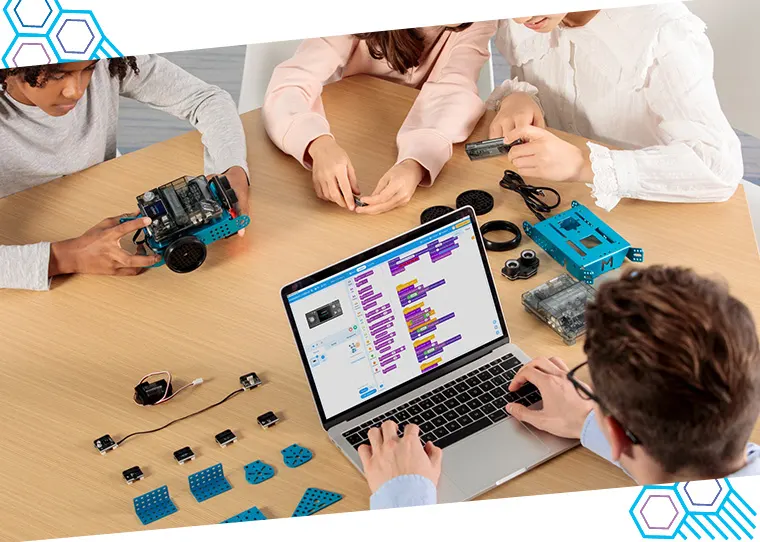
- Build workforce capabilities through relevant, hands-on learning, including STEAM, robotics and coding programs.
How can educational institutions ensure that their curricula are aligned with industry needs?
In the UAE, curricula become more relevant when education providers and employers shape learning around workplace needs. Coordination connects students’ learning with practical experience and gives organizations a clearer way to develop talent.
Provider and Employer Coordination
Coordination between providers and employers means businesses contribute to curriculum planning, skills assessments and experiential learning. It matters because students practise capabilities employers use, rather than studying technical concepts without workplace context. Employers can identify recurring tasks, then educators can build those skills into projects, simulations or work-based learning. Nonprofits can also support learners facing barriers to employment, linking education with community needs and hiring.
Employer Ties and Program Credibility
Employer partnerships strengthen a program when organizations help define what learners should be able to do. Their input can shape project briefs, practical assessments and the skills a program emphasizes. This gives students clearer evidence of readiness and helps employers understand what a credential represents. Ongoing feedback also helps educators update content as workplace needs change. For employees, relevant learning can support career advancement, job satisfaction and retention when new skills lead to meaningful responsibilities.
Choosing Workforce Education Solutions
Employers can choose workforce development education solutions by identifying capability gaps, target roles and the work learners need to perform. Compare programs by how directly they address those needs, whether learners practise relevant tasks and how employers contribute. An organization introducing new equipment, for example, may prioritize related technical training, while another may need broader workplace capabilities. A suitable partner connects learning objectives to hiring needs and gives employees a path to advance.
Program Design and Outcome Measurement
Program design starts with employer needs, then translates required capabilities into learning objectives, practice and assessment. Education providers can involve industry professionals, account for learners’ existing skills and pace, and include experiential learning. To assess outcomes and return on investment, compare intended results with evidence such as demonstrated skills, completed credentials, job placement, career advancement and employer feedback. Retention and job satisfaction can also indicate whether training supports employees’ roles. Review these measures with employer partners and use the findings to refine programs.
Aligning education and training with labor-market demand
Labor-market alignment means matching learning with the capabilities employers need for current and emerging roles. In the UAE, organizations can use hiring priorities, changing job tasks and employee skill gaps to shape development programs. This keeps training connected to demand, rather than treating course completion as the sole objective. Employers should revisit priorities as technology and work practices evolve.
Apprenticeships combine classroom learning with on-the-job training, while boot camps focus on concentrated, practical skill-building. Community colleges typically offer structured vocational or higher education, and online training can make learning more flexible. Each format serves different needs, so compare practical experience, depth of study and fit with workers’ schedules.
In the UAE, workforce development can include vocational and higher education, employer-led upskilling, technical learning and online courses. The right mix depends on the target occupation, required skills and how learners will practise them. An organization introducing new technical processes, for example, may need applied training alongside foundational concepts, while professionals changing roles may need focused skills development.
Training also needs to suit workers’ starting abilities and learning pace. Employers can identify tasks where performance needs to improve, then select learning that addresses those gaps. Federal or national funding may support training, but program design still needs to connect resources with clear employer needs. Without that link, funding can support activity without addressing priority skills.
Review organizational needs with managers and workers before selecting a format. Identify the roles affected, the capabilities that matter, and how learners can demonstrate them in practice. Then revisit the training as demand changes. For UAE institutions developing applied technical learning, hands-on technical learning pathways can connect instruction with practical capability-building.
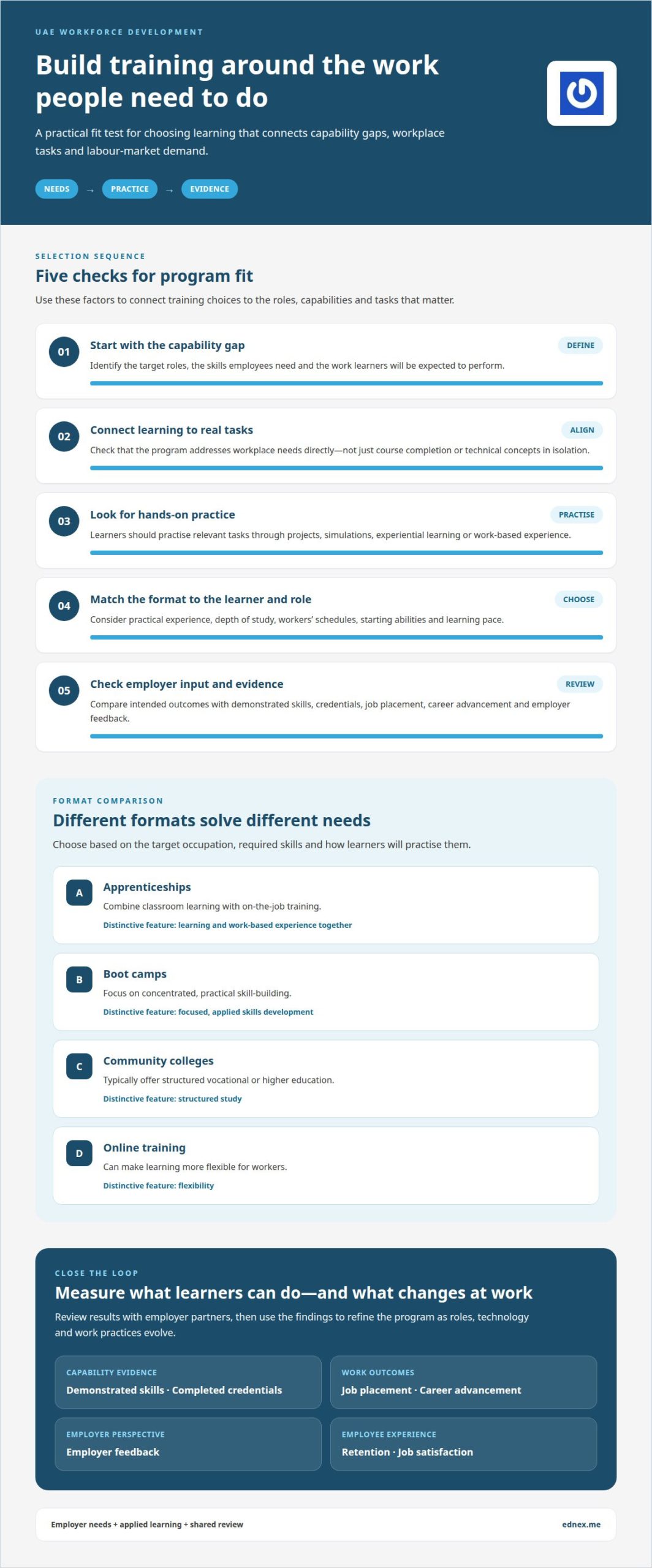
Education, industry, and government partnerships
Strong workforce development programs connect education providers, employers, government agencies, nonprofits, community organizations and economic development entities. Each partner contributes a different view: employers identify changing roles, educators shape learning, and public agencies connect strategies with regional priorities. Nonprofits can help address barriers that prevent people from accessing training or employment. The partnership turns separate efforts into a more coherent route from learning to work.
Partners need clear responsibilities to put this approach into practice. Employers can describe workplace tasks and required capabilities. Educational institutions can translate those needs into courses, applied projects and assessments. Government agencies can coordinate workforce priorities, while community organizations help identify opportunities and learner needs. Regular meetings allow partners to review changing demand and update programs before outdated content becomes a barrier.
Consider a technical pathway shaped by an employer, a college and a community organization. The employer identifies a growing need for practical technical skills; the college maps them into learning activities; and the nonprofit connects participants with relevant support. Learners practise capabilities tied to real work, while the employer gains a clearer view of emerging talent. This example shows how economic priorities can guide joint action rather than relying on one organization alone.
Partnerships also benefit from shared measures. Before a program begins, partners can agree on its intended outcomes, such as demonstrated skills, completed credentials or transitions into relevant work. Educators track learning progress, employers provide feedback on workplace readiness, and public partners review how programs serve regional needs. Those findings guide decisions about what to sustain, revise or expand. Global developments can inform strategy, but local employers and communities determine which opportunities matter most in the UAE.
Building workforce capabilities
Workforce capability grows when people can apply relevant skills, adapt to changing roles and pursue a clear career direction. In the UAE, employers can connect training with workplace tasks, while education providers create structured opportunities to practise. The aim is not simply to complete a course. Learners need capabilities they can demonstrate, use and continue developing as their responsibilities change.
Learning should account for different starting points. Workforce development programs can help job seekers set career goals, build skills and credentials, address employment barriers, pursue job placement and advance professionally. Training plans work best when they reflect each learner’s abilities and pace. For example, pairing technical instruction with guided tasks lets people apply concepts rather than only study them.
There is clear interest in continued learning: 74% of working professionals are open to acquiring new skills to stay employable. Employers and workforce professionals can turn that interest into action by identifying hiring needs, shaping relevant training and creating work-based learning opportunities. A worker learning a new technical process, for example, can practise it in a supported setting before taking on the task independently.
Capability-building also depends on access. As of 2016, workforce development often took a holistic approach, considering barriers such as spatial mismatch and poor transportation to jobs. That perspective matters when a training opportunity exists but travel or other obstacles limit participation. Government agencies, employers and community organizations can consider these barriers alongside skills development when designing support for diverse individuals.
For institutions developing practical learning experiences, explore applied learning approaches that help learners build and demonstrate technical capabilities.
Ednex: STEAM Programs
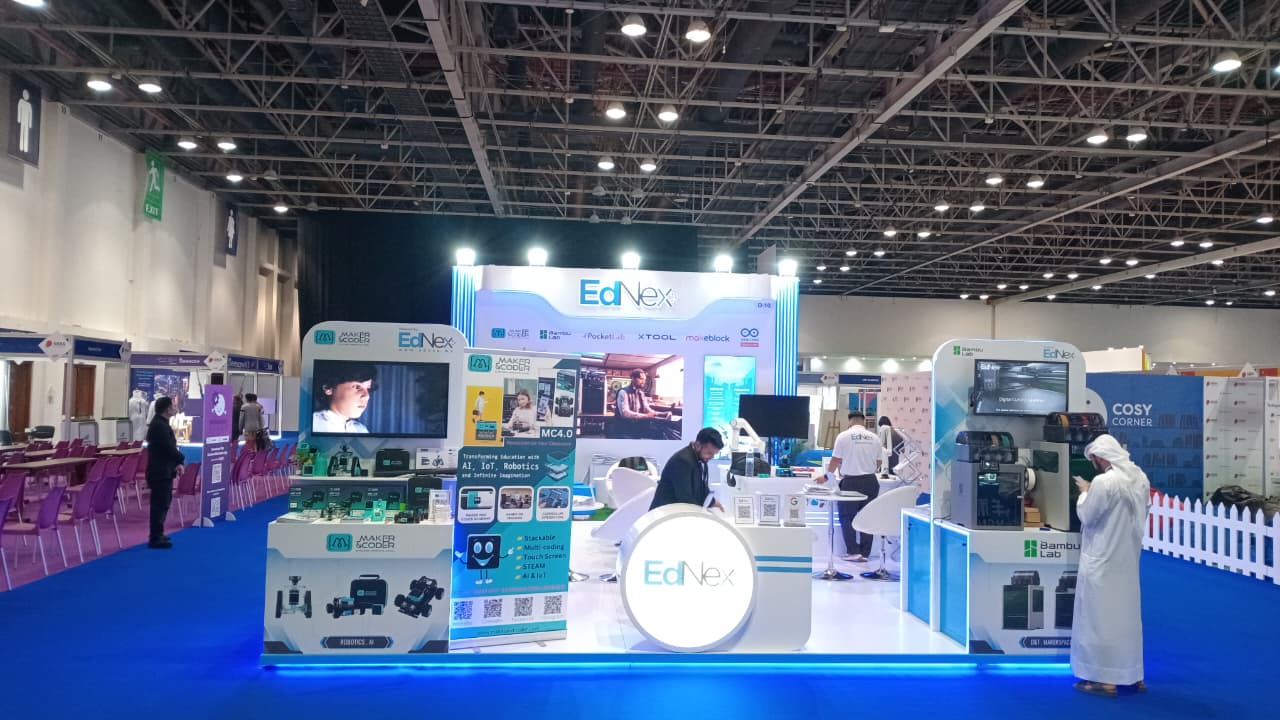
Ednex LLC helps UAE schools and training providers turn workforce priorities into applied learning experiences. Its STEAM Programs, Robotics and Coding for schools, Arduino Education, and Future Science Lab Setup help learners explore technical concepts and build practical capabilities.
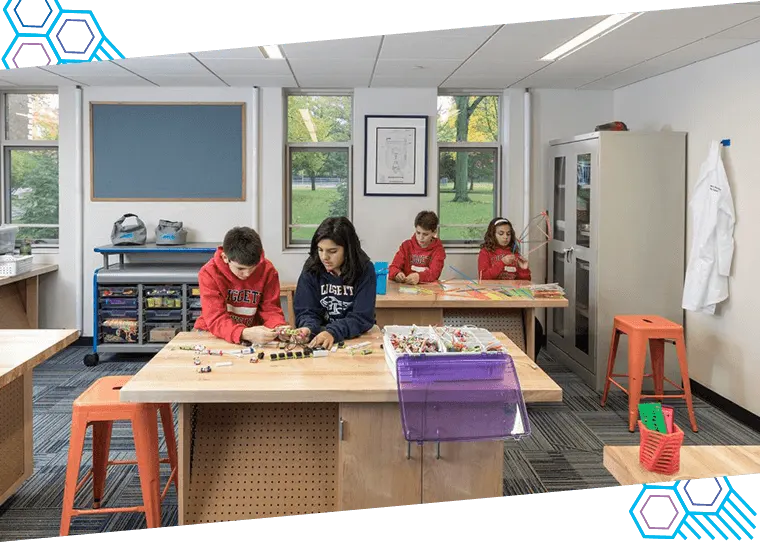
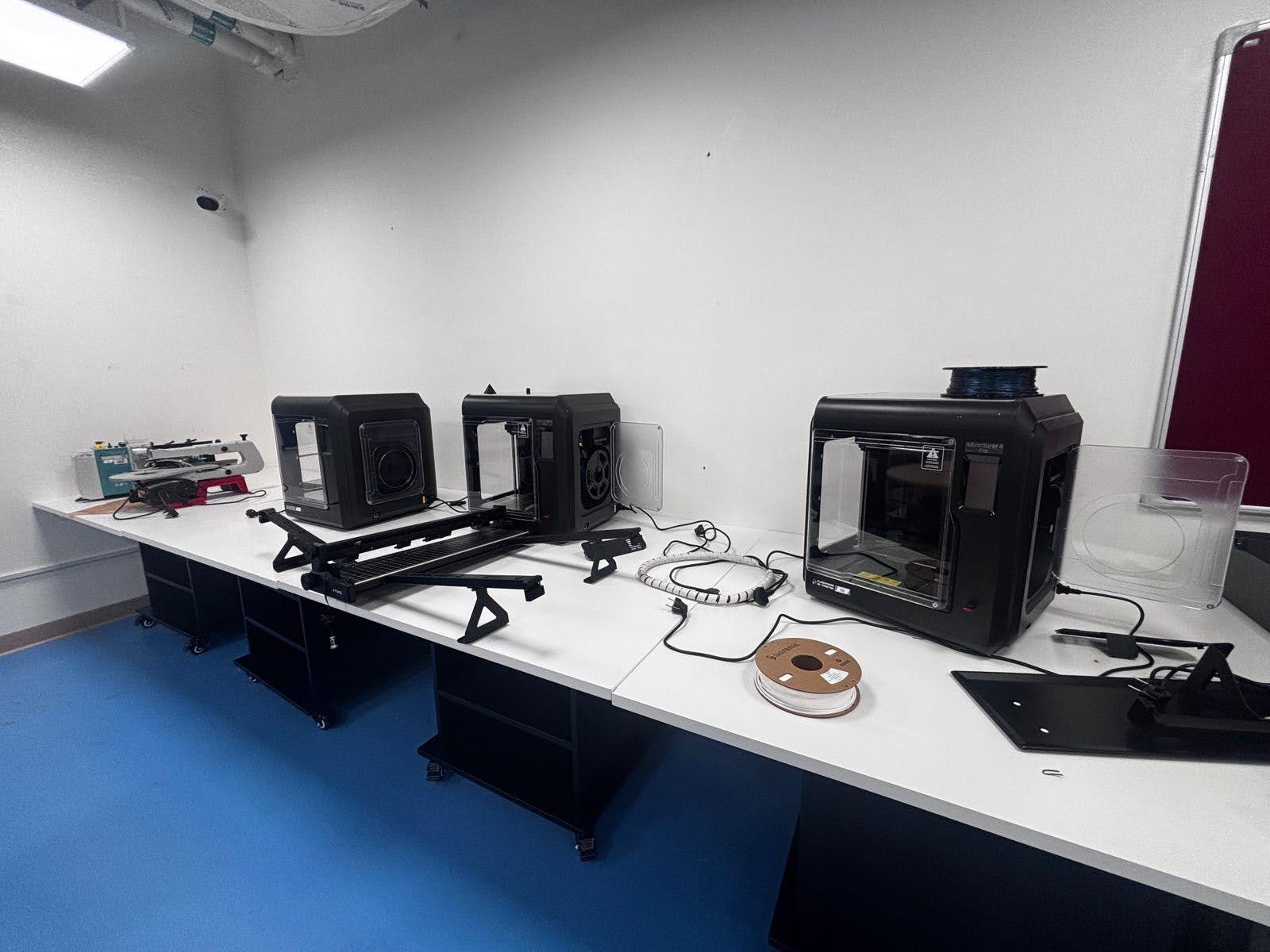
These offerings suit institutions that want students to explore science, technology, engineering, arts and mathematics through structured programs or dedicated learning environments. Schools can use robotics and coding to introduce computational thinking, while Arduino Education gives learners a practical way to explore technology. A Future Science Lab Setup can support hands-on science learning.
To explore how these options could support your educational goals, contact Ednex LLC or visit ednex.me.
Shape the Next Generation of Practical Learning
The next opportunity is to turn workforce priorities into learning experiences that evolve alongside the roles learners may pursue. This takes a long-term view: connect educational goals with practical capability-building, then give students room to explore, test ideas and build confidence through applied work. The right workforce development education solutions can make that connection part of the learning environment.
Ednex offers STEAM Programs, Robotics and Coding for schools, and Arduino Education to support practical learning. Schools and education leaders can contact Ednex to discuss how these offerings fit their learners and priorities.
Discuss workforce solutions with Ednex and take the next step toward more engaging, future-focused learning.
Frequently Asked Questions
What are workforce development programs?
Workforce development programs help people prepare for employment, improve job-related skills and progress in their careers. They can combine technical instruction, career guidance, credentials, practical experience and support addressing barriers to work. For example, a learner entering a technical role might gain foundational knowledge, practise relevant tasks and receive guidance on presenting those capabilities to employers.
What are some challenges faced by educational institutions in adapting to rapid technological changes?
Institutions can struggle to update curricula, learning equipment and educator expertise as quickly as workplace technologies change. A course may teach a concept but lack tools for students to practise it. Schools also need to decide which emerging skills to prioritize, prepare educators to teach them and make learning accessible to students with different needs and starting skill levels.
What are workforce development education solutions?
Workforce development education solutions connect learning with the skills people need for employment and career growth. They can include curriculum design, technical programs, applied learning environments and employer-informed training. For example, a school could introduce a practical technology project that lets students apply classroom concepts. The value lies in building demonstrable capabilities, not simply delivering content.
What types of workforce development education programs are available?
Program formats include vocational courses, higher education, apprenticeships, short intensive training, online learning and school-based technical programs. Their structure and learning experience vary: an online course may deliver theory flexibly, while a practical lab supports experimentation with equipment. In the UAE, institutions can combine formats to suit learners’ starting points, target roles and opportunities to practise new skills.
What funding, grants, or tax incentives support workforce development education?
In the UAE, institutions can plan workforce education through internal budgets, employer contributions and education-industry partnerships. Grant or tax-incentive availability depends on the relevant scheme and eligibility, so organizations should not assume a universal entitlement. A sound funding plan identifies who benefits, what resources the program needs, how partners contribute and which outcomes will demonstrate responsible use of funds.
What risks and challenges affect workforce development education initiatives?
Initiatives can lose impact when training content falls behind workplace needs, learners lack practical experience or partners have unclear responsibilities. A program may also measure attendance without checking whether participants can apply new skills. Institutions can reduce these risks by setting shared goals, planning for equipment and educator development, gathering learner and employer feedback, and updating content as job requirements evolve.
Related Posts ...



Comments are disabled