

Interdisciplinary Learning Activities and How to Evaluate a School Programme
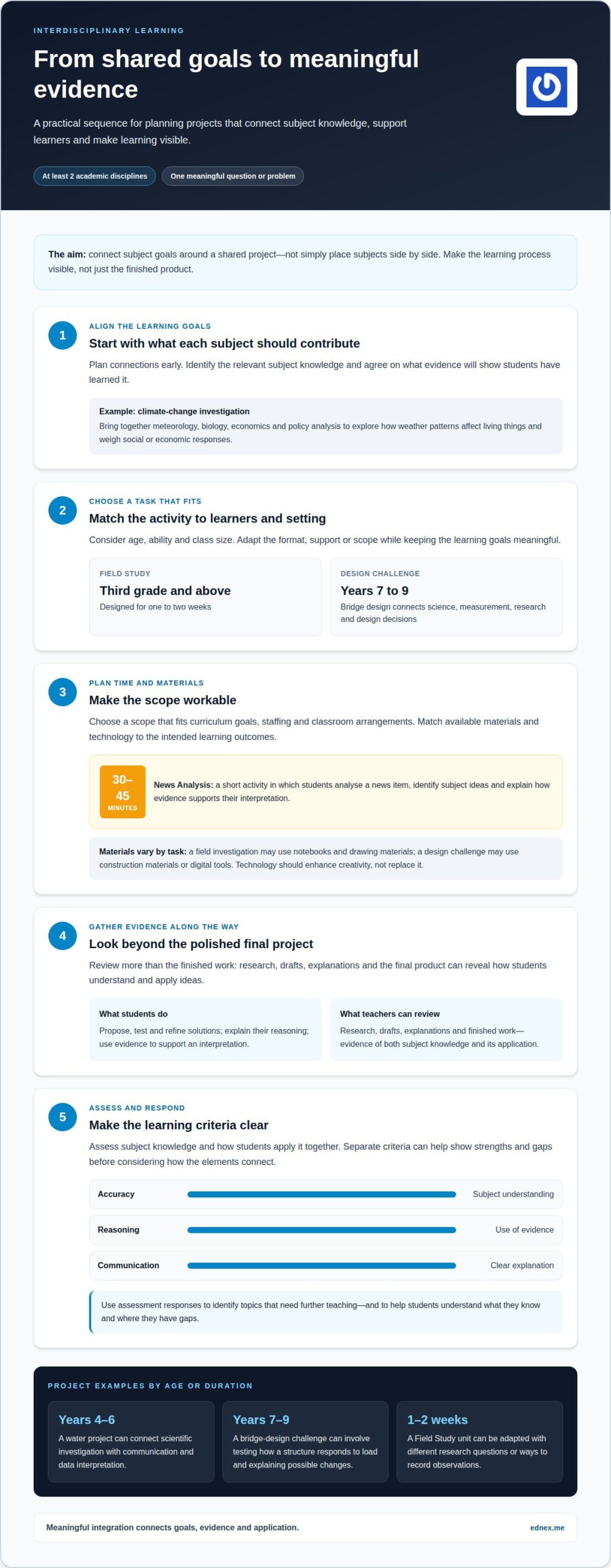
A school programme can combine several subjects and still miss the point of interdisciplinary learning. Strong interdisciplinary learning activities bring knowledge and approaches from at least two academic disciplines together to explore a topic or address a problem, helping students connect what they learn to meaningful questions.
Integration matters, but so do programme design and assessment. Activities should help students apply subject knowledge while developing critical thinking, creativity and collaboration. A polished final project alone does not show whether students achieved those goals.
This guide explains what interdisciplinary learning looks like in practice, from ecosystem investigations to hands-on design challenges. It outlines what to consider when evaluating a school programme, including curriculum alignment, assessment, time and resources. The aim is to distinguish purposeful integration from simply placing subjects side by side, and to show how a well-designed programme can support learning across the school experience.
Key Takeaways
- Look for learning experiences that connect subject knowledge around a meaningful question, rather than simply placing different subjects side by side.
- Assess how students explain their thinking, collaborate and improve their work, not only the final project they produce.
- Evaluate whether programme goals align across subjects and whether the timetable, resources and assessment approach support those goals.
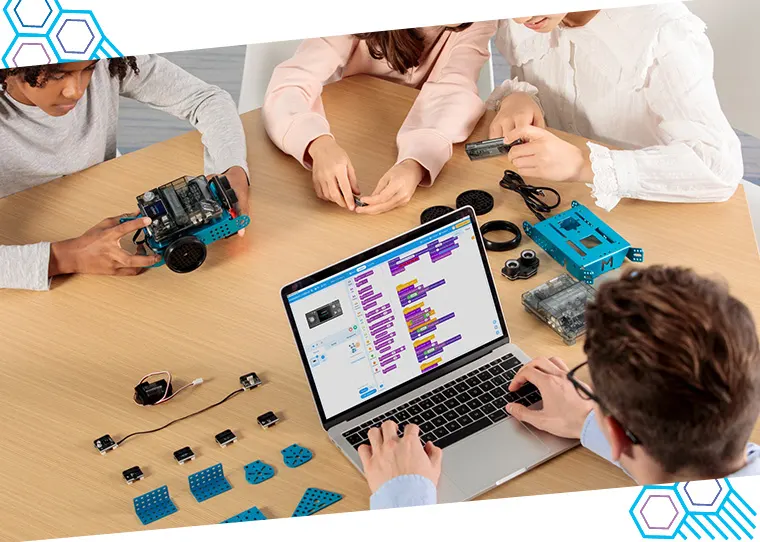
- Use hands-on projects to help students apply ideas and solve problems; explore STEAM Programs, Robotics and Coding for schools, Arduino Education or a Future Science Lab Setup when they support the programme’s needs.
Benefits for understanding, critical thinking, creativity and collaboration
Interdisciplinary learning activities combine knowledge and approaches from at least two academic disciplines. Students draw connections between subjects to explore themes, interpret evidence and solve problems. For example, a climate-change investigation could bring together meteorology, biology, economics and policy analysis. Students might examine how weather patterns affect living things, then weigh social or economic responses. This makes connections across the curriculum visible and gives learners more than one way to explain an issue.
An ecosystem diorama turns research into a visual model. Students can investigate regional geography, climate, plants and animals, then represent selected findings in a shared display. During a class presentation, each group explains how its design reflects the ecosystem. The task connects science with visual communication and spoken language. It also lets classmates compare evidence, ask questions and spot details the model may have simplified.
Creative responses can deepen understanding. Students studying animals might weave researched scientific facts into original poetry rather than relying only on a standard report. They need to select accurate details, shape them for an audience and make deliberate language choices. Peer feedback can focus on whether the poem communicates an accurate fact about adaptation or habitat. Teacher collaboration strengthens the unit when educators align subject goals and agree on what evidence of learning to look for.
Collaborative test preparation can also connect subjects without reducing revision to memorising answers. For example, a group reviewing a water project could create questions about scientific processes, data interpretation and written explanation. Students take turns answering, explaining their reasoning and identifying gaps in the group’s knowledge. The teacher can then use those responses to revisit relevant curriculum concepts. Clear roles, such as question writer and evidence checker, help each learner contribute.
Free interdisciplinary learning activity resources and lesson plans are materials educators can access without paying, such as project prompts, activity instructions or planning templates. Their value depends on fit: compare each resource’s subject goals, age suitability and assessment ideas with the intended curriculum. A useful plan supports thoughtful adaptation, not automatic adoption. Choose an activity that gives learners a concrete question, an opportunity to exchange feedback and a meaningful way to show what they understand.
Assessment, curriculum alignment, time and resource challenges
Assessment works best when the goals for each subject remain visible within a shared project. Planning those connections early helps teachers choose meaningful tasks, teaching methods and evidence of learning.
Assessing learning outcomes
Assessment of an interdisciplinary project examines subject knowledge and how students apply it together. This matters because a polished final product alone may hide gaps in understanding. Use criteria for the relevant learning goals, then review research, drafts, explanations and the finished work. Authentic assessments can incorporate 21st-century skills when they align with core learning goals. A presentation, design challenge or written reflection can show both subject learning and problem-solving.
For example, News Analysis is designed to take 30-45 minutes. Students can analyse a news item, identify relevant subject ideas and explain how evidence supports their interpretation. A teacher can assess accuracy, reasoning and communication separately, then consider how well those elements connect. This approach makes assessment informative for students and helps educators identify which topics need further teaching.
Adapting activities for learners and settings
Adapting an activity means changing its format, support or scope while keeping its learning goals meaningful. Age, ability and class size all shape how students engage with tasks. A Field Study unit is designed for third grade and above and takes one to two weeks. Teachers can adjust the complexity of research questions, offer different ways to record observations, or divide a large class into focused working groups.
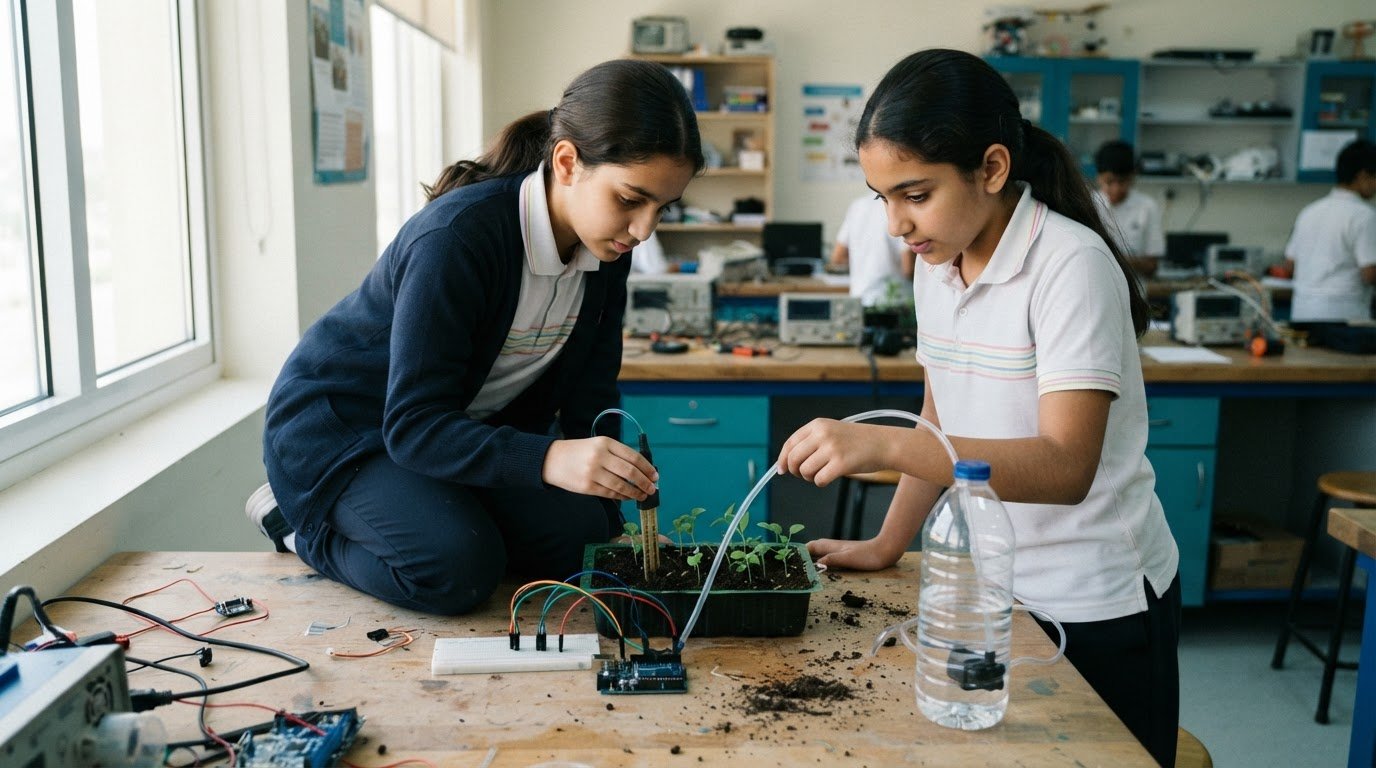
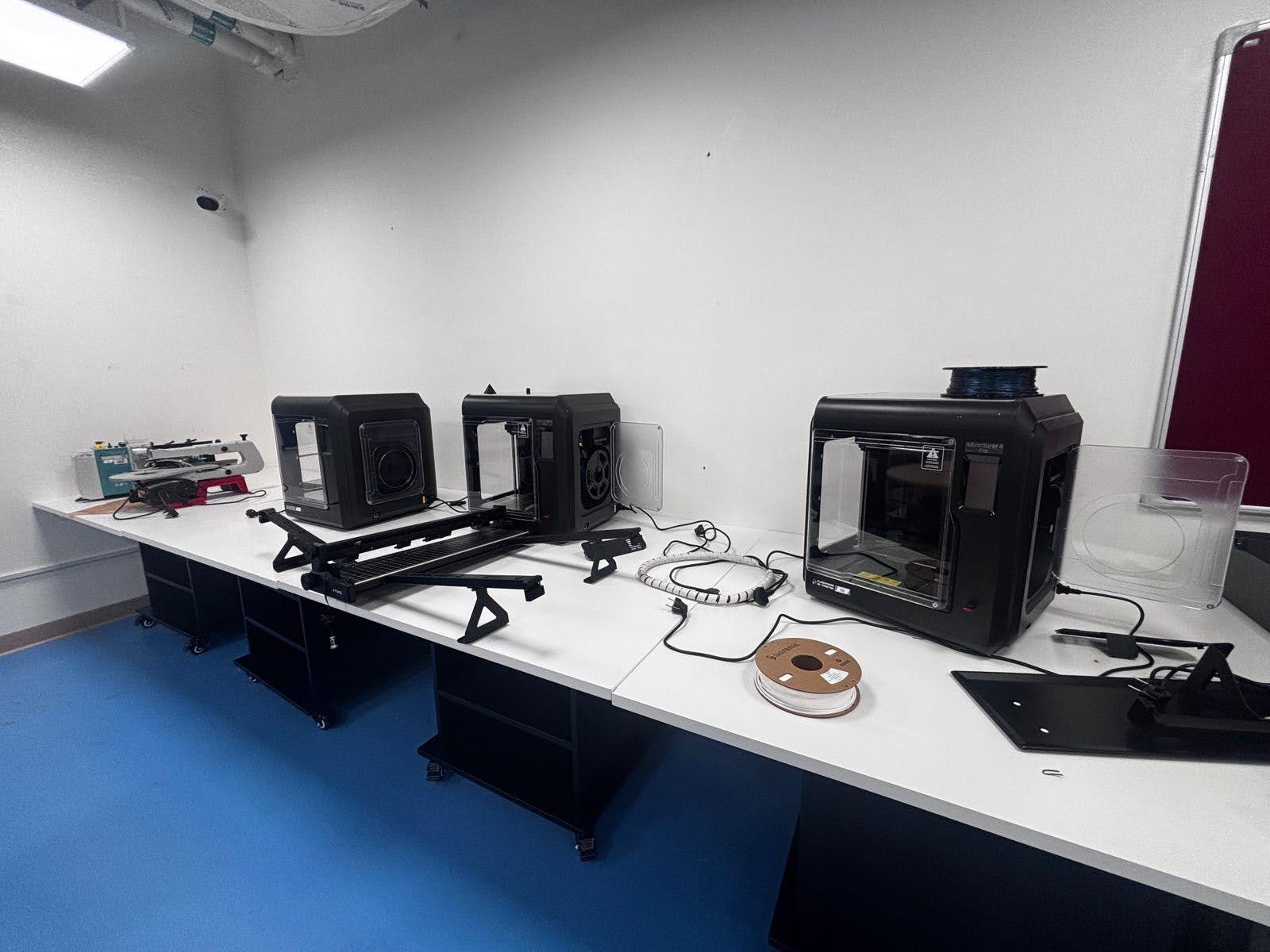
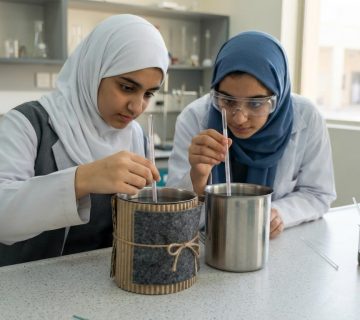
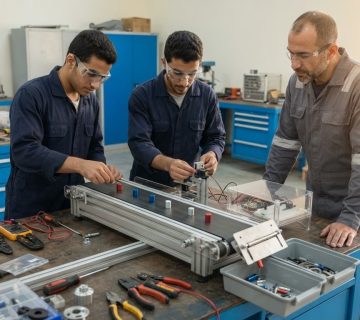
Materials depend on the task. A field investigation may use notebooks and drawing materials, while a design challenge could use construction materials or digital tools. Technology should enhance creativity, not replace it. For a Design & Technology Lab, planning should connect available equipment with the intended learning outcomes and classroom activities.
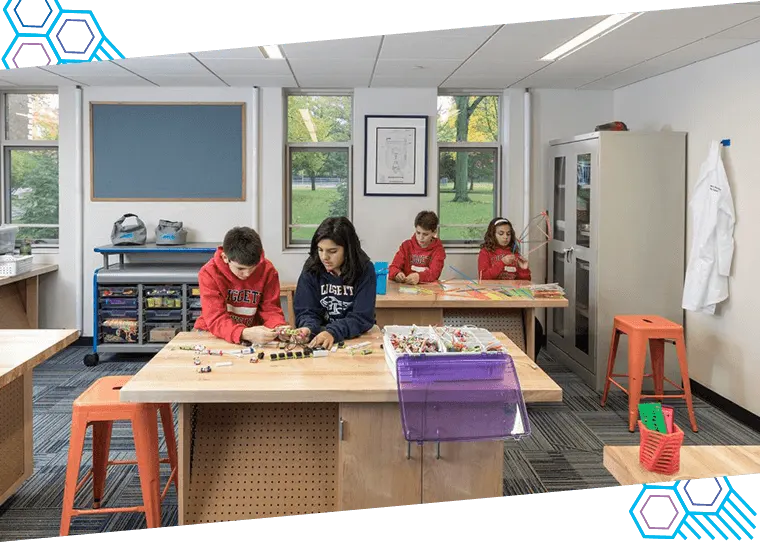
Time and resources are practical constraints, not afterthoughts. A short activity may fit a single lesson, while a unit lasting one to two weeks needs coordinated teaching time and access to materials. Choose the scope according to curriculum goals, staffing and classroom arrangements. For schools developing hands-on learning spaces, a Design & Technology Lab can support purposeful project work.
Critical thinking and problem-solving through hands-on projects
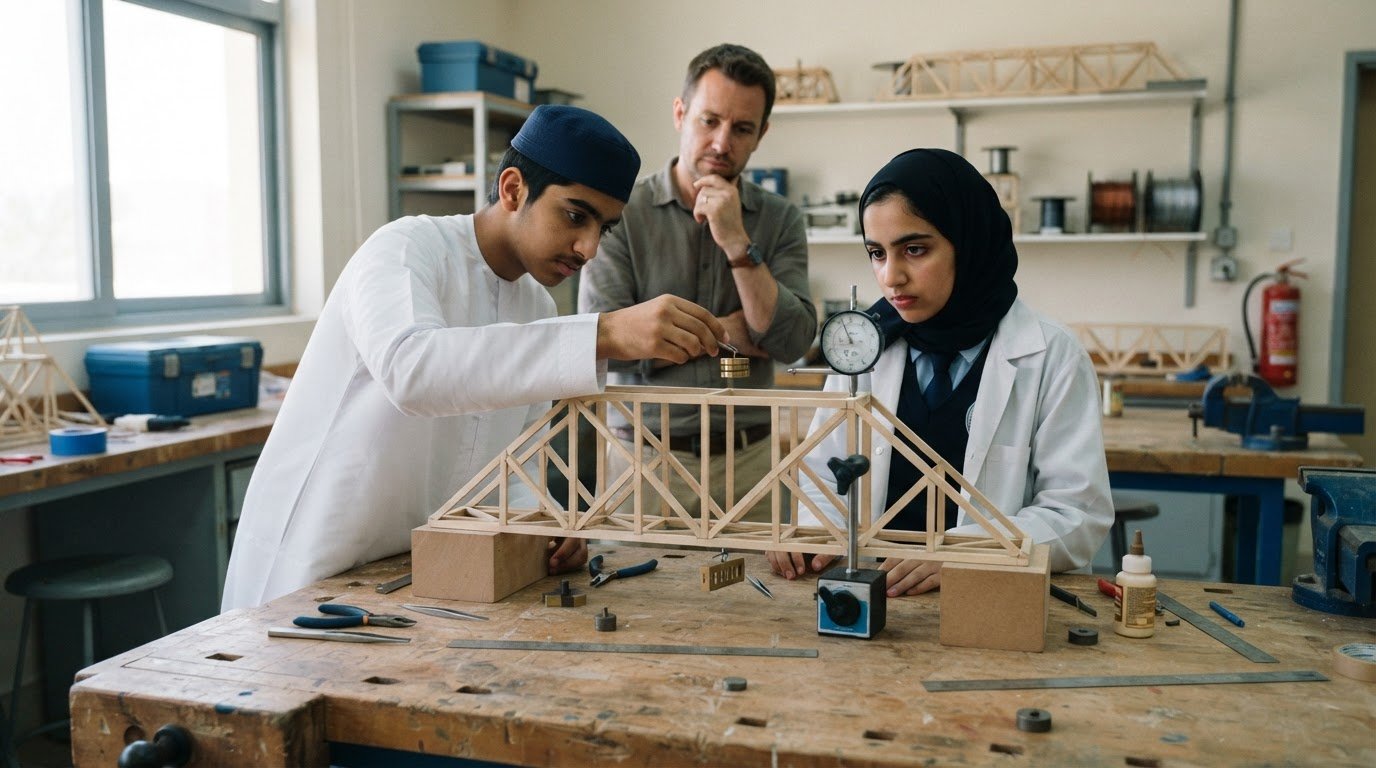
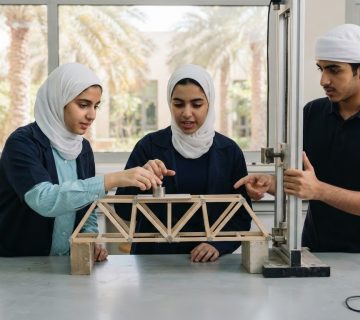
Hands-on projects ask students to apply academic skills to questions without a single, ready-made answer. A bridge-design challenge for Years 7 to 9, for example, can connect science concepts with measurement, research and design decisions. Students test how a structure responds to load, document what happens, and explain why they would change its form. The project turns lessons into a process of proposing, testing and refining solutions.
A water project for Years 4 to 6 can connect scientific investigation with communication and data interpretation. Students might examine how water is used in a chosen setting, record observations, then present a practical response. The problem-solving comes from deciding which evidence matters and how it supports a recommendation. Teachers can keep the inquiry focused by asking students to distinguish observed facts from assumptions.
Urban planning offers another real-world challenge. Student groups can design a neighbourhood section that considers housing, public spaces, transport, commercial areas, and cultural and recreational facilities. They then discuss the social, cultural and economic implications of those choices. This makes history, geography and civic ideas relevant to a shared design task. It also asks students to balance competing needs rather than treat each subject as a separate exercise.
Build reflection into the work rather than leaving it until the end. During a project, students can document challenges, revisions and surprises in a learning log. After testing a bridge model, for example, they might record where it failed, what they changed and how the new version performed. These notes reveal thinking that a final model alone cannot show. Teachers can prompt students to explain what evidence informed each revision and what they would investigate next. Reflection develops problem-solving skills and helps learners see iteration as central to science and design. Technology can support making and documentation, but should enhance students’ creativity rather than replace their decisions.
Evaluating a school’s interdisciplinary programme
A strong programme connects disciplines through shared learning goals, not just a common theme. To evaluate it, trace a unit from its intended outcomes to classroom tasks and student evidence. For example, a study of food waste could combine science, data analysis and persuasive writing. Each subject should contribute knowledge students need to investigate the same question.
To design an interdisciplinary lesson plan, teachers select a meaningful question, identify the curriculum outcomes each discipline contributes, and plan activities that connect them. They then decide what students will produce and what evidence will demonstrate learning, such as a researched recommendation supported by data and clear writing.
Look for coherence across the sequence. In the food-waste example, students might gather observations, interpret quantities, examine possible causes and create a recommendation for their school. Check that sources suit the question and that students explain how evidence supports their conclusions. A creative poster alone may show communication skills, but not whether learners understood the science or data behind it.
Review assessment criteria alongside student work. Do teachers assess subject understanding as well as the ability to connect ideas? Can students explain which disciplines informed their decisions? Compare lesson plans with completed work, feedback and student reflections. If the plan promises evidence-based reasoning but tasks reward presentation alone, assessment and learning goals are misaligned.
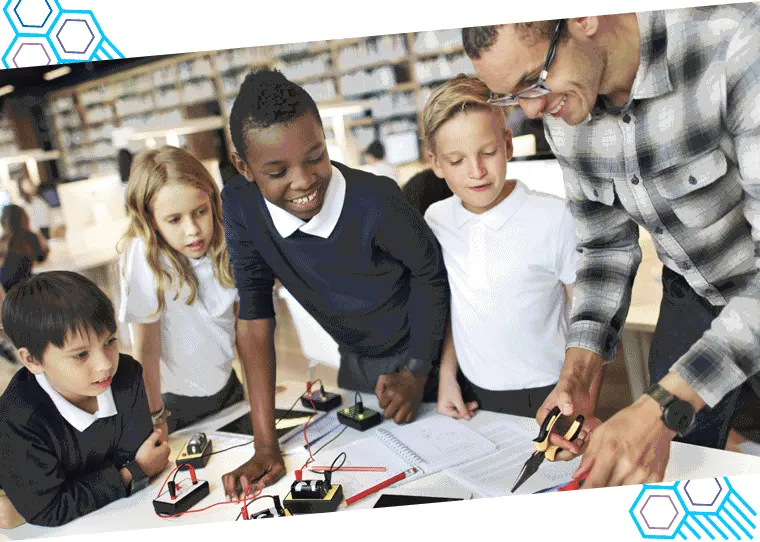
Teacher collaboration is another practical indicator. Teachers can plan shared outcomes, clarify each subject’s contribution and agree on how feedback will support revision. A school might review a unit together after teaching it, noting where students made useful connections and where instructions left gaps. Encourage students to explain what they learned from each discipline rather than treating subjects as labels on a timetable.
Finally, consider whether delivery is workable. Review available teaching time, materials, classroom arrangements and opportunities for students to revise their work. A programme is stronger when these practical conditions support its stated goals, rather than crowding out investigation or reflection. For a school shaping hands-on cross-disciplinary learning, discuss your programme needs.
Ednex
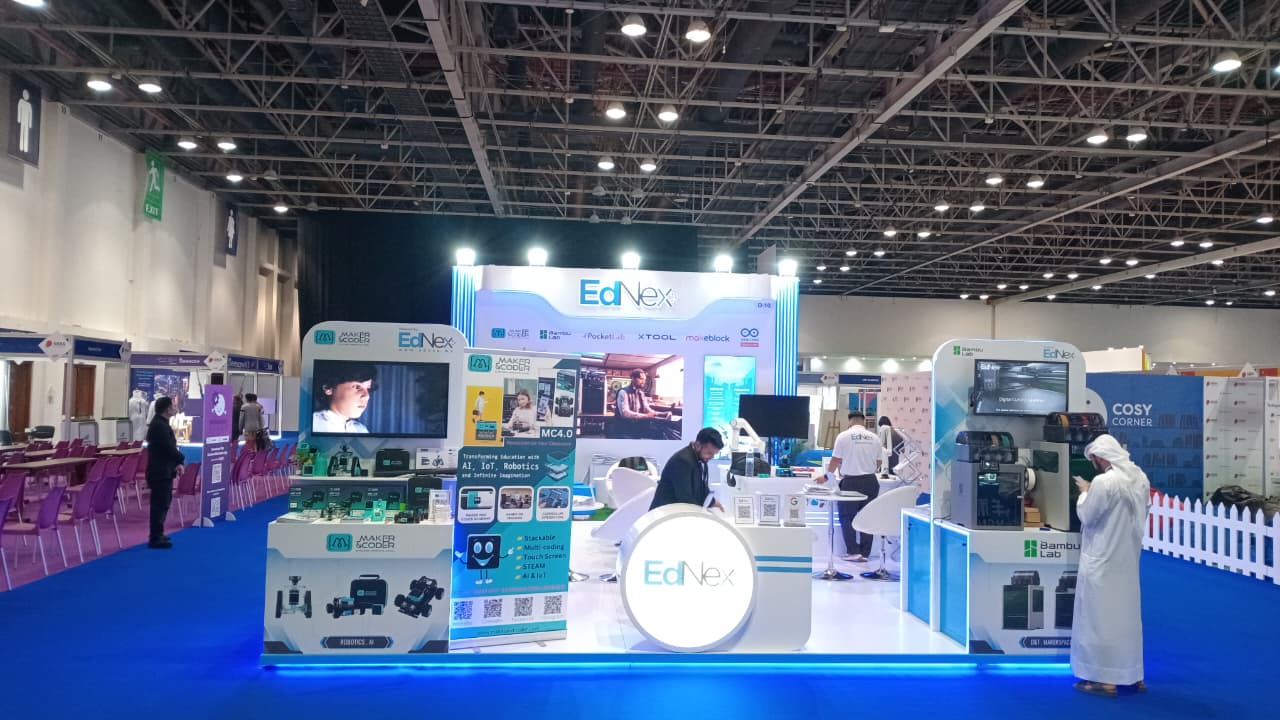
Ednex LLC helps schools translate interdisciplinary goals into practical STEAM learning and laboratory environments. Its STEAM Programs and Robotics and Coding for schools support connected learning experiences where students apply ideas across subjects. Arduino Education and Future Science Lab Setup offer structured, hands-on ways to explore science and technology.
Consider this support when a school’s evaluation identifies a gap between curriculum ambitions and the learning experiences, tools or spaces available to students. Start by defining the programme’s learning goals and determining which kind of support best fits them. A clear brief connects the educational purpose with an appropriate programme or setup.
For schools developing or strengthening interdisciplinary learning in the UAE, contact Ednex LLC to discuss your programme needs.
Build a stronger path from learning goals to practice
The next step is to make interdisciplinary learning activities part of a coherent educational direction, not a series of isolated projects. Begin with the capabilities students should develop, then shape experiences that help them apply those capabilities purposefully. A school’s priorities, curriculum and learning environment can guide the way forward.
For schools developing that direction, Ednex offers STEAM Programs, Robotics and Coding for schools, and Arduino Education. These offerings support practical learning that connects concepts with exploration and making. Start with the programme need your school wants to address.
Share your goals and discuss how they could inform a suitable next step. Contact Ednex to discuss your needs, and move forward with a clear vision for learning that prepares students to connect ideas and create with confidence.
Frequently Asked Questions
What Is Interdisciplinary Learning?
Interdisciplinary learning brings knowledge or methods from at least two academic disciplines together to investigate a topic or solve a problem. For example, students designing a sound installation might use physics to explore vibration, music to shape patterns, and digital tools to record results. The disciplines contribute to one connected inquiry rather than appearing as unrelated lessons under a shared theme.
Interdisciplinary, Multidisciplinary or Transdisciplinary?
Interdisciplinary learning integrates ideas or methods across disciplines; multidisciplinary learning brings disciplines together, while each may retain its own perspective. Transdisciplinary work goes beyond subject boundaries to address a complex real-world issue, sometimes drawing on community knowledge too. For example, a school energy challenge could involve separate subject investigations, an integrated study, or a broader partnership that includes facilities staff.
What Is the Interdisciplinary Approach?
The interdisciplinary approach uses purposeful connections between disciplines to help learners examine a shared question. Teachers identify what each subject contributes, then design a task that requires students to use those contributions to reach a reasoned outcome. For instance, a project about accessible playgrounds could combine geometry, design and social inquiry. Students might propose a layout and explain how evidence shaped their choices.
What are examples of interdisciplinary learning activities for elementary, middle, and high school students?
Elementary students can create a sound map that combines listening, drawing and descriptive writing. Middle school learners might investigate how packaging affects product choices through visual design, measurement and persuasive language. High school students could develop a public-awareness campaign about energy use, applying research, data interpretation and media design. Each task can be scaled through the depth of evidence and level of independence expected.
What are the benefits of interdisciplinary learning for students?
Students practise transferring knowledge, explaining how ideas relate and choosing methods suited to a problem. A learner studying a local building’s design, for example, could connect geometry with cultural interpretation and visual communication. This process can make academic ideas more purposeful and give students different ways to demonstrate understanding. Group tasks also create opportunities to hear, question and refine contrasting perspectives.
What are the challenges and risks of interdisciplinary learning?
Common challenges include overloading a project with subjects, losing sight of individual learning goals and making assessment unclear. A project can become a collection of activities if each discipline’s contribution lacks purpose. Teachers can reduce this risk by agreeing on outcomes before planning, assigning clear subject roles and assessing both discipline-specific understanding and students’ ability to connect ideas. Time for teacher coordination matters too.
Related Posts ...
Comments are disabled