




Complete Vocational Training Lab Solutions in Oman
Practical training is only as strong as the equipment and safeguards behind it. A Vocational Training Lab brings together modern equipment, practical teaching systems and prepared learning materials so learners can develop technical skills through structured hands-on instruction. Its setup should also reflect the discipline being taught, from engineering and manufacturing to electrical and renewable-energy training.
That means equipment selection is not simply about filling a room with machines. Workstations, tools and learning resources should support the curriculum while keeping safe operation central. Across the UAE, institutions planning vocational training facilities need to consider both the practical skills learners must build and the risks associated with technical equipment.
This guide explains what vocational training equipment includes, which facilities it can serve and how setup choices shape an effective learning environment. It also covers why safety training, protective equipment, supervision and routine equipment care belong in the design from the outset, and how professional lab planning by Ednex LLC can align facilities with training goals.
Key Takeaways
- Plan equipment around the curriculum and practical tasks learners need to perform, rather than selecting tools in isolation.
- Build safety into daily lab use through suitable training, protective equipment, supervision and equipment upkeep.
- Connect course content to hands-on skills across technical disciplines, so learners can apply concepts in practical settings.
- Distinguish specialist training facilities from regular classrooms by considering the equipment, activities and safety measures each learning environment requires.
Equipment for ITIs, colleges, polytechnics and TVET workshops
Institutions need equipment that connects the curriculum, teaching and practical work. The right mix depends on the type of facility, whether it is an ITI, polytechnic or TVET workshop.
Professional Equipment Selection and Procurement
Effective equipment selection starts with the curriculum, learner tasks and available space. A procurement plan groups equipment by discipline and links each item to a teaching outcome. In engineering, this might include dedicated workstations, practical teaching systems and prepared materials. A specialist partner can coordinate equipment, layout and learning resources before purchase, helping institutions avoid isolated items that cannot support a complete exercise.
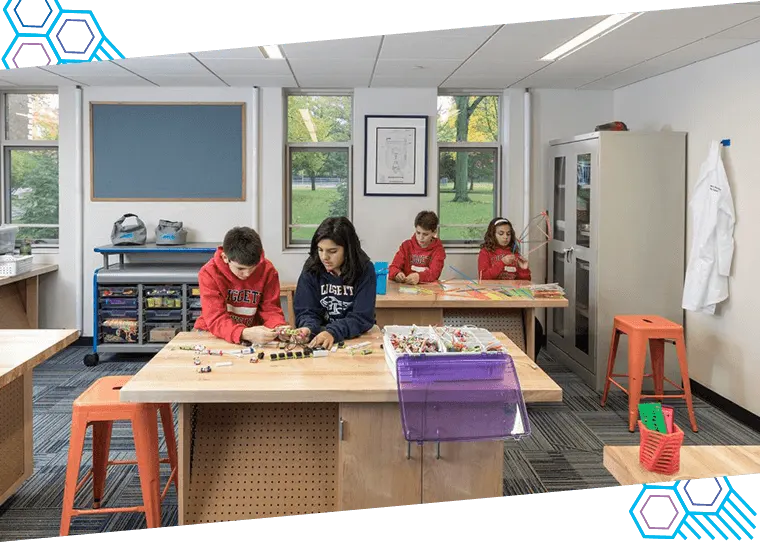
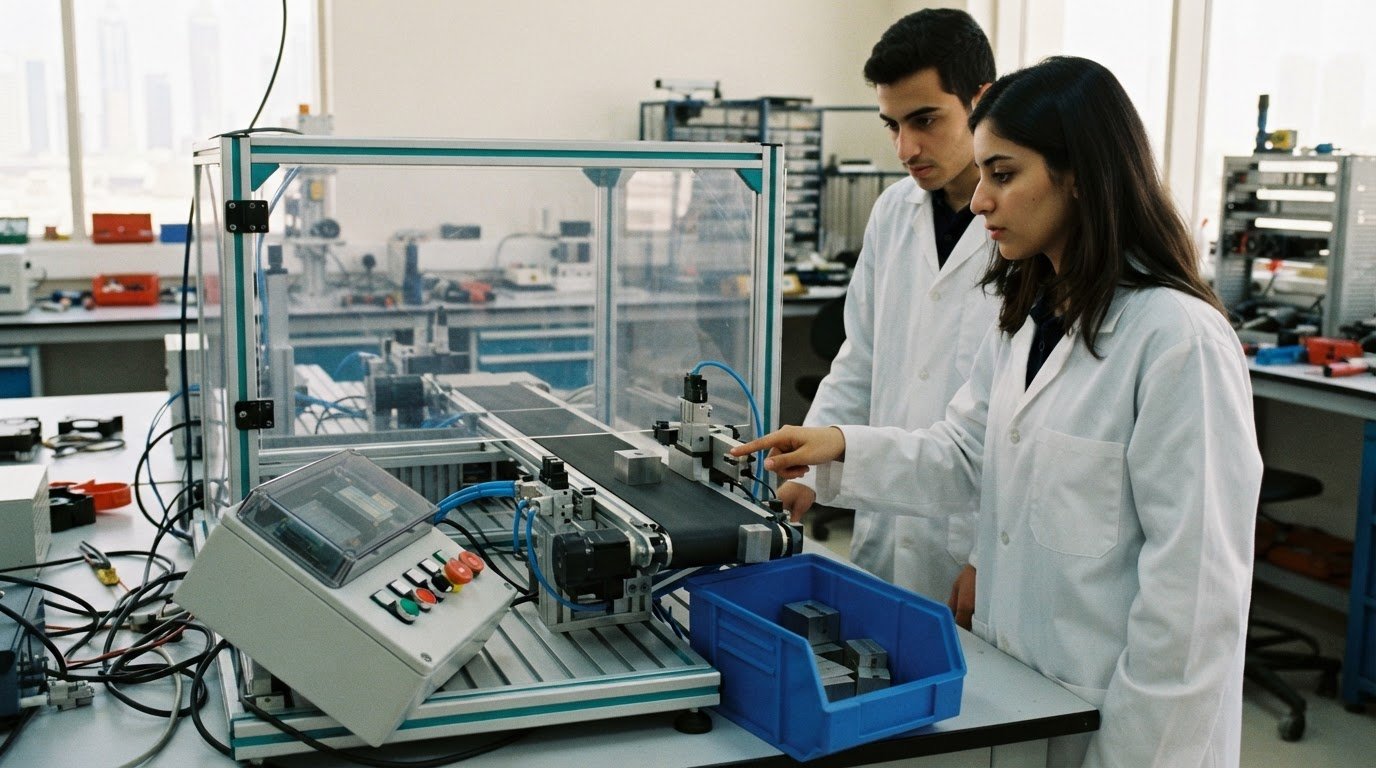
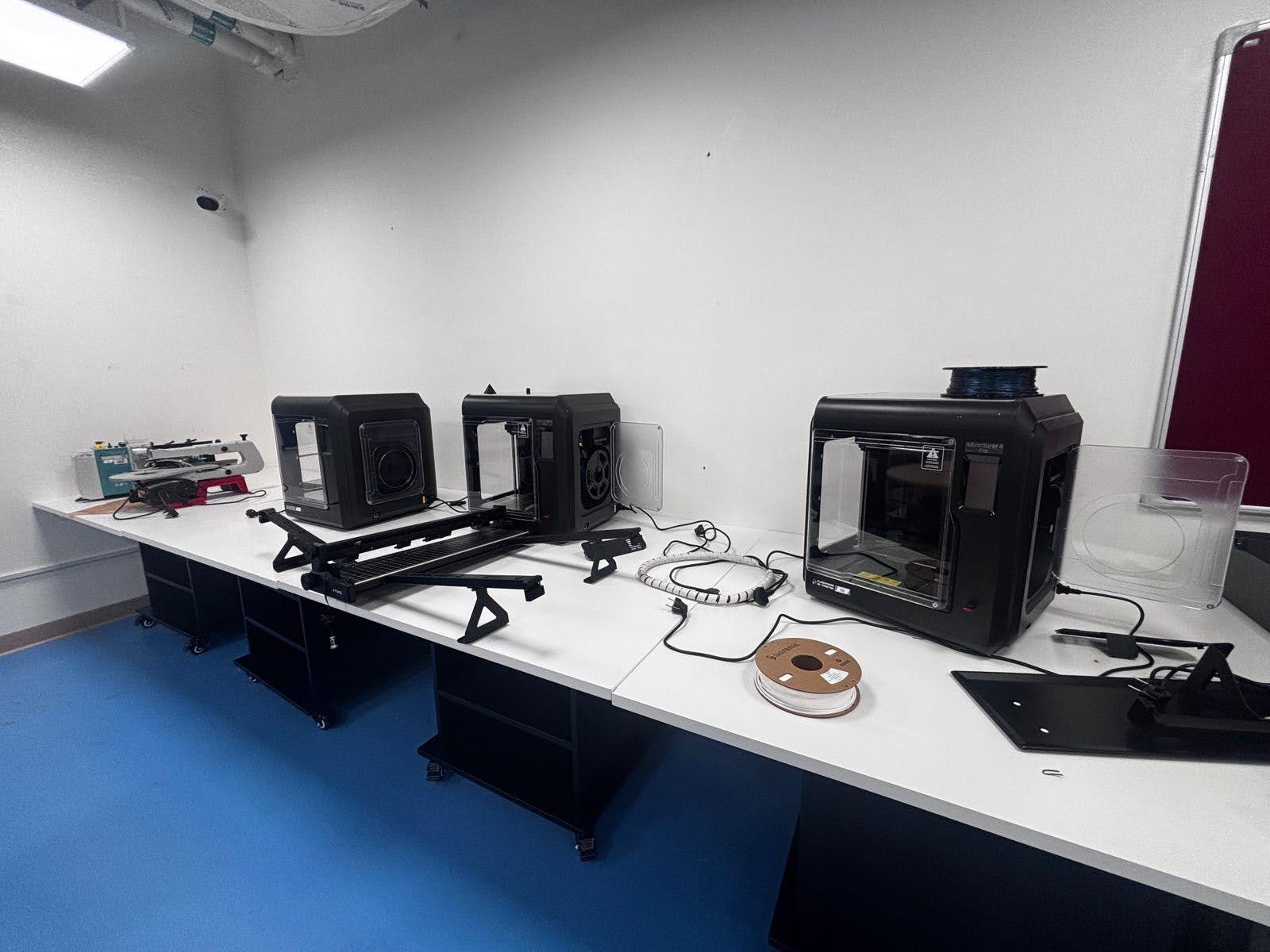
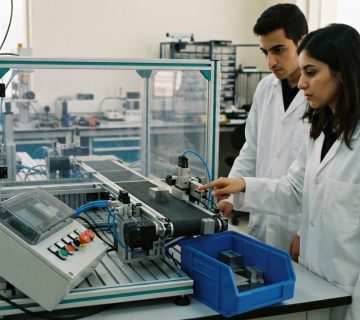
A Vocational Training Lab may combine specialised machines, hand tools, measurement devices, workstations and curriculum materials. Facilities can include areas for electrical, mechanical, mechatronics, manufacturing or civil engineering.
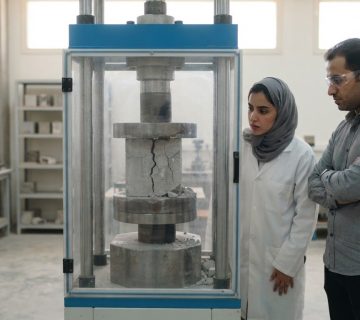
In a civil engineering laboratory, learners can use surveying instruments, soil and concrete testing equipment, and structural models. Equipment selection should reflect course tasks and the space each activity requires.
This alignment helps learners practise technical procedures, interpret results and apply classroom knowledge to practical tasks. It also familiarises them with equipment and workflows relevant to technical roles. Worn components and poorly planned circulation can create risks, so routine oversight helps institutions identify faults before they disrupt teaching.
Setup and Running Costs
Setup and running costs depend on curriculum coverage, equipment type and quantity, room requirements, consumables, maintenance and replacement needs. Project pricing follows a quote request. Institutions should account for recurring needs, such as consumables and servicing, alongside the initial equipment purchase. These factors influence continued laboratory use.
After installation, institutions should inspect equipment regularly and promptly repair or replace worn or malfunctioning items. A maintenance record can track each item’s condition, service actions and downtime, helping guide future purchasing and reduce interruptions to teaching.
Some modern TVET lab equipment uses IoT capabilities, remote diagnostics, and automated usage tracking to help detect misuse and trigger maintenance alerts. These functions can support oversight by helping institutions monitor equipment use and identify maintenance needs. The listed range includes 155 vocational training equipment products, which institutions can consider when matching equipment to practical learning needs.
TVET lab tools and portable devices should be stored in designated locations to reduce risks such as trips and accidental use. Clear storage arrangements keep work areas orderly and equipment accessible during teaching.
Why safety matters in technical and vocational training labs
In a technical workshop, safe practice is part of the lesson, not separate from it. Students learn to operate machines while recognising hazards and following procedures.
For UAE facilities, apply safety requirements relevant to the institution, premises and equipment. Document operating procedures, assign supervision and ensure procedures match the equipment’s intended use.
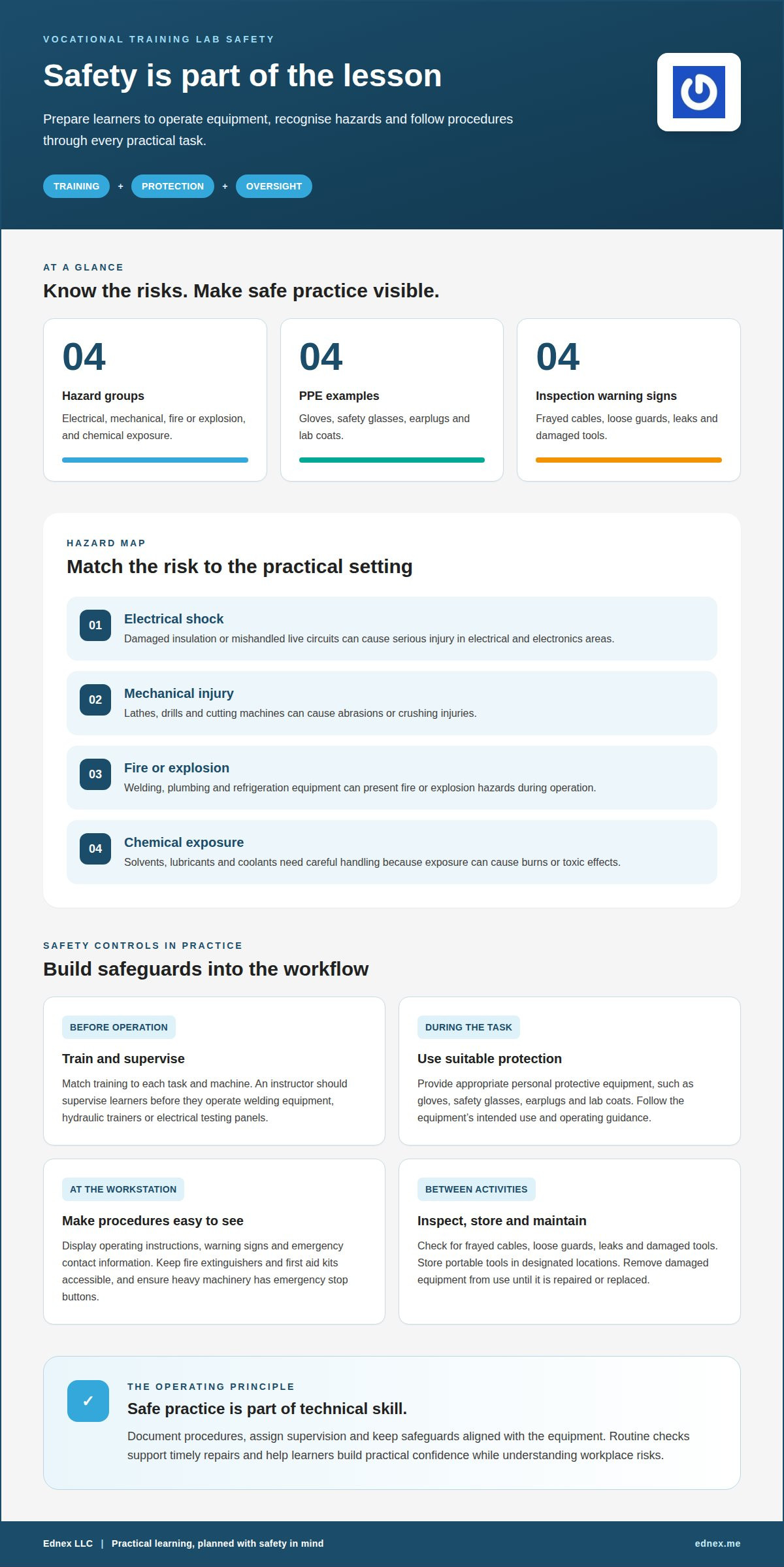
Electrical shock, mechanical injury, fire and chemical exposure are common laboratory hazards. Damaged insulation or mishandled live circuits can cause serious injury in electrical and electronics areas. Lathes, drills and cutting machines can cause abrasions or crushing injuries. Welding, plumbing and refrigeration equipment can present fire or explosion hazards during operation.
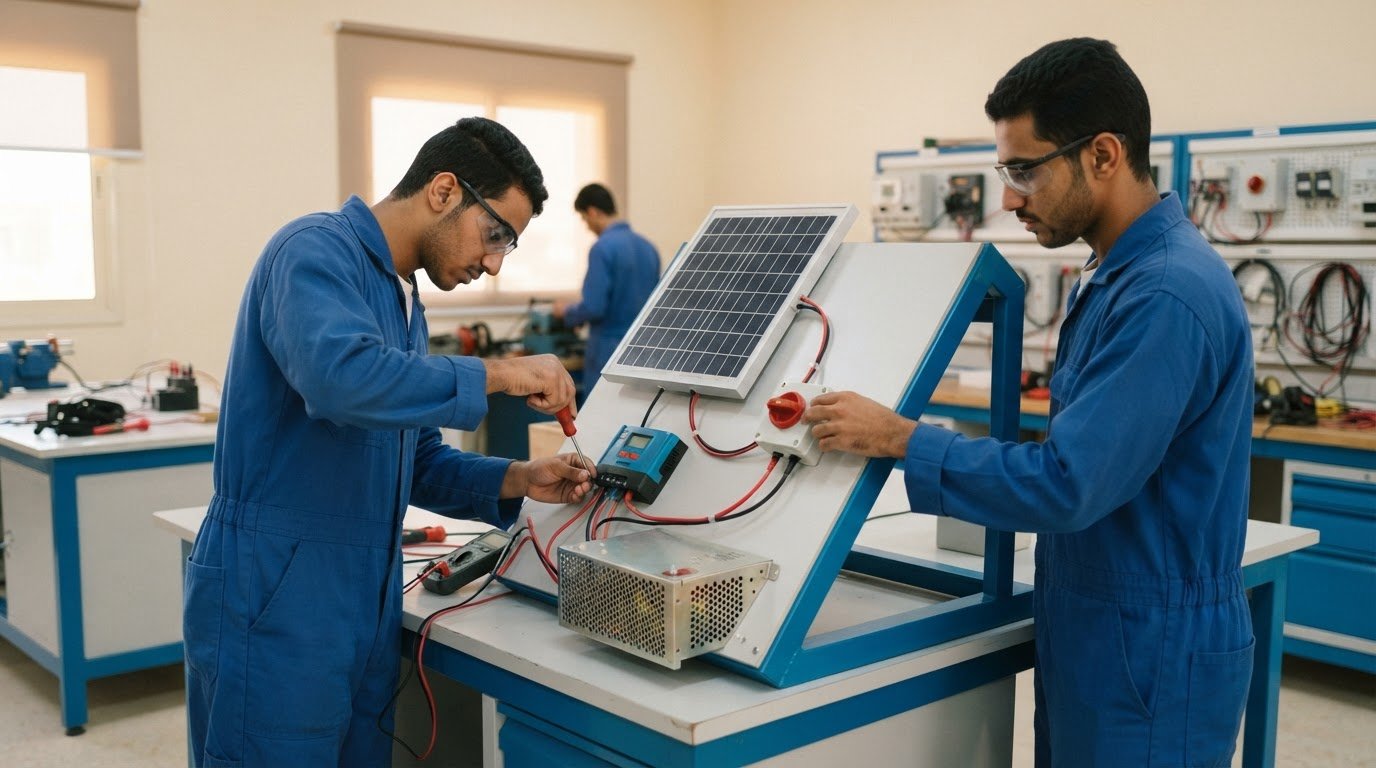
Training should match each task and machine. An instructor should supervise learners before they operate welding equipment, hydraulic trainers or electrical testing panels. Appropriate personal protective equipment can include gloves, safety glasses, earplugs and lab coats. Cleaning solvents, lubricants and coolants also require careful handling because exposure can cause burns or toxic effects.
Practical safeguards make procedures visible and easy to follow. Display operating instructions, warning signs and emergency contact information at workstations. Keep fire extinguishers and first aid kits accessible, and ensure heavy machinery has emergency stop buttons. Store portable tools in designated locations to reduce trip hazards and unintended use. Follow manufacturers’ operating guidance, and remove damaged equipment from use until it is repaired or replaced.
Routine checks help staff spot frayed cables, loose guards, leaks or damaged tools before a learning activity begins. A consistent inspection process also supports timely repairs and safer education and training. These controls serve students, instructors and technicians across vocational education settings. Clear safety systems help learners build practical confidence while understanding the risks their future work may involve. Institutions developing technical learning environments can explore hands-on engineering education as part of their broader training approach.
What courses and practical skills are taught in vocational training labs?
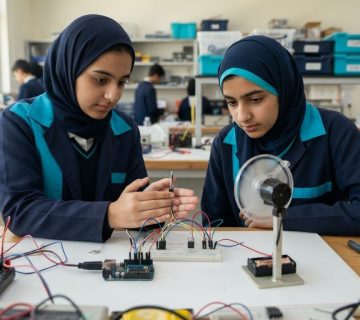
Course content depends on the institution’s programmes and the roles learners are preparing for. Engineering pathways can combine classroom concepts with supervised tasks using discipline-specific equipment. For example, electrical and electronics learners practise interpreting circuit diagrams, assembling circuits and taking measurements. This practical work reinforces technical reasoning and careful documentation.
Civil engineering courses connect design concepts with material testing and site measurement. Learners may practise surveying, examine soil or concrete samples, and interpret results. In mechanical engineering, workshop activities can develop skills in machine operation, component assembly and measurement. Each task should reflect the course outcomes and the equipment available in the learning environment.
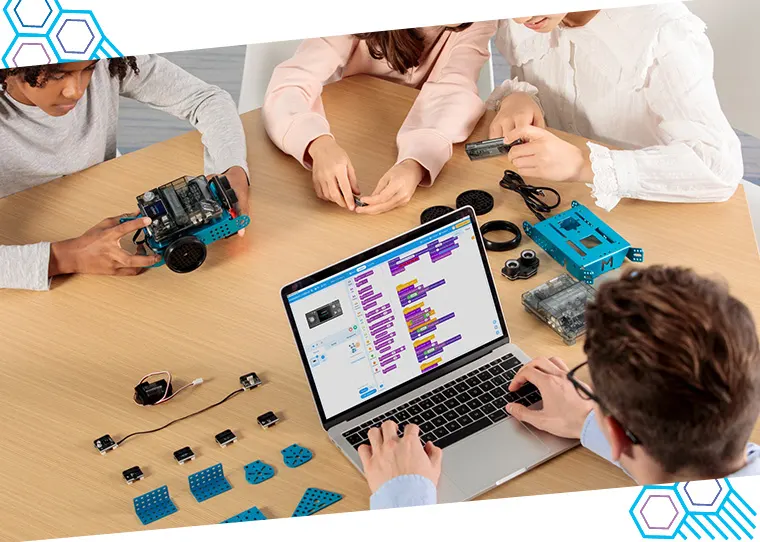
Other pathways bring emerging technologies into applied learning. Mechatronics and robotics combine mechanical systems, electronics and programming, giving learners opportunities to assemble and test robotic systems. Renewable energy training can introduce energy technologies and system principles through practical demonstrations. Advanced manufacturing activities help learners understand how production processes connect with engineering design.
- Electrical and electronics: read schematics, assemble circuits and record test observations.
- Civil engineering: use surveying methods and interpret material-testing results.
- Mechatronics and robotics: connect system components, program movement and test performance.
- Manufacturing: relate design decisions to production processes and quality checks.
Digital and interdisciplinary courses can extend this foundation. Blockchain training introduces learners to distributed digital records and their possible applications. Practical learning may involve explaining how records are structured and discussing where traceability matters. Robotics and coding also build computational thinking through programmed instructions and iterative testing.
Across these subjects, learners develop transferable habits: following technical instructions, choosing appropriate methods, recording results and explaining decisions. A well-planned programme aligns each exercise with its intended skill. For instance, a robotics task can assess assembly and logical problem-solving, while a civil materials exercise can connect observations with engineering principles. This alignment makes practical learning purposeful.
How do vocational training labs differ from regular classrooms and workshops?
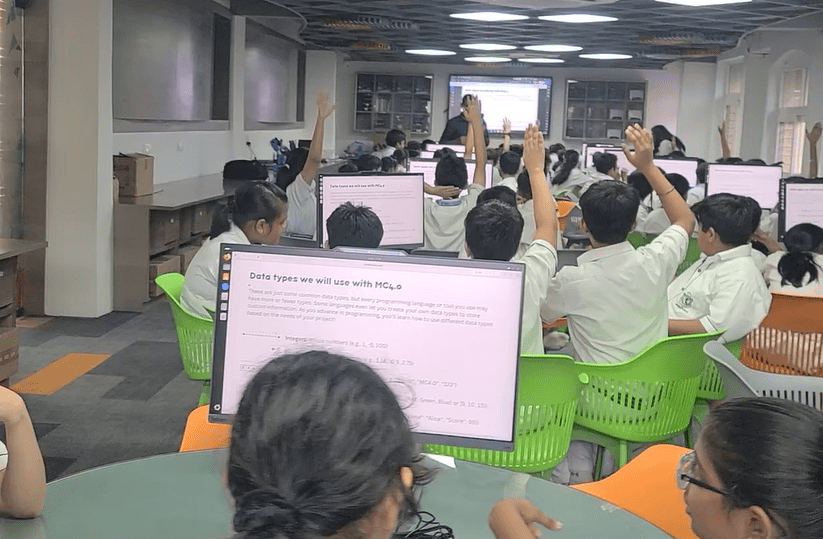
A regular classroom centres on explanation, discussion and shared learning materials. A Vocational Training Lab connects those concepts to practical tasks, specialist equipment and observable results. For example, learners can move from studying a control-system diagram to interpreting a simulated system response.
A workshop focuses on making, repairing or assembling items. A Vocational Training Lab may include workshop activities, but it also links practice to structured teaching and assessment. In a mechatronics exercise, learners might assemble components, test how they interact and explain the system’s behaviour.
The distinction is not simply the room or its equipment. It is how the institution organises learning. A classroom lesson might introduce measurement principles, while a lab activity applies them using instruments, recorded observations and a defined learning outcome. A workshop task might involve building a component, with the focus on the finished work.
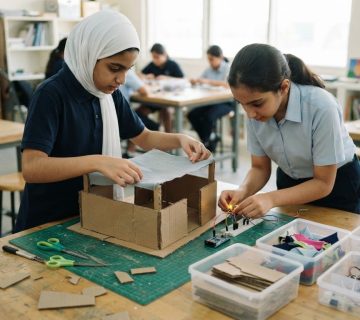
Purpose shapes the learning environment. A civil engineering activity could combine a model, tested materials and interpretation of findings. A digital learning exercise might use a virtual environment to examine a process that is difficult to reproduce physically. Each format supports different kinds of practice.
- Classroom: develops concepts through explanation, discussion and written exercises.
- Workshop: centres on practical production, assembly or repair tasks.
- Training lab: connects concepts, equipment-based practice, observation and assessment.
Institutions can map each course outcome to a learning activity, resources and assessment evidence. An electronics course, for instance, might assess diagram interpretation in class, circuit assembly in a practical setting and recorded test results in the lab. This sequence shows how theory transfers into applied performance.
To plan a facility around course goals and practical learning, explore technical lab planning.
Aircraft maintenance training is regulated by EASA Part 147 and FAA standards. That makes the training-lab distinction especially relevant: practical learning sits within a regulated training context, rather than being defined only by access to tools or a work area. Similarly, institutions preparing learners for flight deck careers, such as Aero Global Aviation Academy, rely on highly structured technical simulations and rigorous flight training environments to ensure candidates meet strict aviation standards. Institutions can keep the relationship between taught concepts, practical activity and assessment visible while recognising that regulatory standards are part of the course environment. A lab’s role is therefore not simply to provide a place to practise; it can help organise applied learning alongside the wider requirements governing aviation and technical training.
Ednex: Block chain Training
Ednex LLC offers Block chain Training for institutions extending technical education into emerging digital topics. It can complement vocational programmes when learners need exposure to blockchain as part of a broader technology curriculum, alongside practical engineering and workshop learning.
Institutions can consider how this subject fits their programme goals and learner pathways. Ednex LLC also offers STEAM Programs, Robotics and Coding for schools, and Arduino Education, giving education providers options for developing connected learning across technical and digital disciplines.
For a programme focused on blockchain learning, contact Ednex LLC to discuss your training needs.
Shape the next stage of practical learning
A vocational training lab can give learners a platform to engage with new technologies and build confidence through purposeful practice. Start by defining the capabilities your institution wants to develop, then align learning experiences with those priorities. This can help shape a facility that evolves with its programmes rather than serving only immediate needs.
Ednex LLC supports institutions exploring how emerging technology and applied education can serve their goals. Discuss your lab’s intended learners, disciplines and learning objectives with Ednex to help set a clear direction for planning.
Contact Ednex LLC to discuss your lab and take a considered next step toward practical learning that prepares learners for what comes next.
Related Posts ...
Comments are disabled