

Best STEM Education Solutions for Schools in the UAE: Top Products and Learning Kits
UAE schools teach STEM through science labs, coding, robotics clubs, design challenges and project-based learning. The strongest STEM Education Solutions for Schools in the UAE connect science, technology, engineering and mathematics, giving students practical opportunities to investigate ideas and apply what they learn. Activities can start before secondary school, building logical thinking, pattern recognition and confidence through simple experiments.
For school leaders, the goal is to make learning practical and relevant, not simply add technology to a classroom. Well-planned STEM and STEAM experiences help students develop analytical thinking and systematic problem-solving skills that are useful across fields such as medicine, finance, design and law.
This guide explains what STEM can look like in UAE classrooms, how robotics, artificial intelligence and virtual reality can support learning, and what to consider when choosing products, kits and lab solutions. It also shows how schools can link hands-on projects with future-focused skills and career pathways.
Key Takeaways
- Look for learning that connects science, technology, engineering and mathematics through projects where students design, build and test ideas.
- Explore how robotics, physical computing and 3D printing can turn abstract concepts into practical learning experiences.
- Consider how AI and other emerging technologies can support collaboration, creativity and future-focused skills.
- Compare ways to integrate STEM and STEAM into classroom learning, labs and after-school programs across the UAE.
What Does Science Technology Engineering Mathematics Actually Look Like in the Classroom?
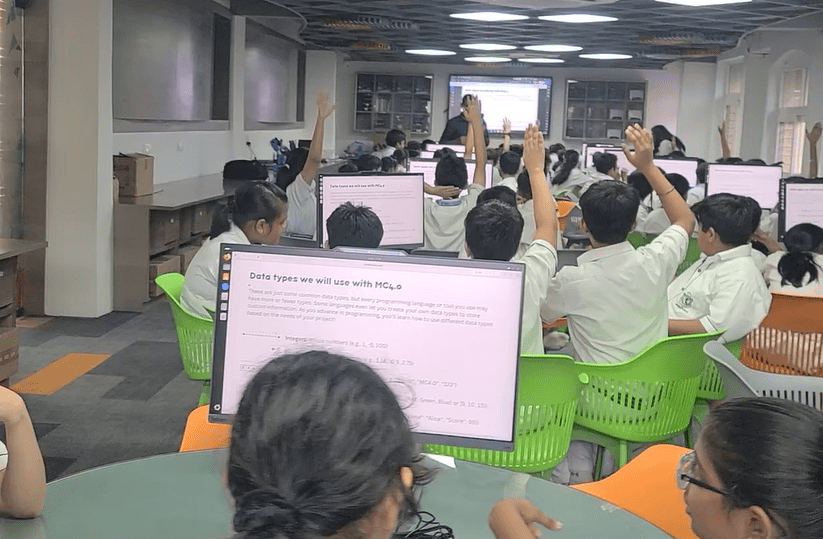
In UAE classrooms, STEM connects academic subjects through projects, labs, coding and design challenges. Students apply concepts, test their solutions and use the results to guide their next steps.
Integrated STEM Learning
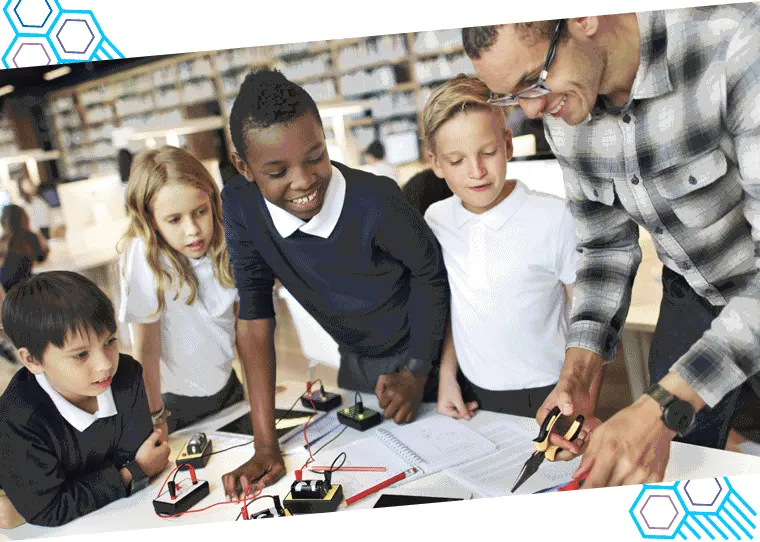
Integrated STEM brings science, technology, engineering and mathematics together to solve a shared problem. A classroom water-use project, for example, might involve measuring consumption, analysing results, designing a sensor and coding a display for the data. Rather than treating each subject as separate content, this approach shows students how academic concepts become tools for investigation, design and innovation.
Project-based learning gives this approach structure: students investigate facts, develop ideas and complete a project within a set time. In Dubai Silicon Oasis, Vernus International School serves students from Pre-KG to Grade 5, showing how STEM foundations can start before secondary school. Across the UAE, schools also use labs, structured workshops and projects within regular lessons. These experiences connect classroom learning with the region’s innovation priorities.
Artificial Intelligence and Machine Learning
Artificial intelligence enables computers to perform tasks associated with human reasoning, while machine learning uses data to identify patterns. In a classroom activity, students might sort examples, spot a pattern and discuss how a computer could classify new examples. This makes abstract ideas more tangible and opens discussion about how data shapes an output. Ignite School students explore AI topics including computer vision, natural language processing and robotics.
Capstone and service-learning projects can bring these ideas together around a community need. Students might study local water use, analyse collected measurements and present a proposed solution. The project links science, mathematics, communication and design, giving learners a clear purpose beyond completing an exercise. UAE schools can connect this work to sustainability challenges and the UN Sustainable Development Goals.
Schools in the UAE can work with STEM programme providers, lab designers and robotics or coding specialists. Their scope varies: some focus on learning activities, while others design dedicated spaces and supply equipment. Compare options against the school’s aims, such as integrating projects into regular lessons or establishing a lab for sustained exploration.
What future skills and career opportunities can STEM education support?
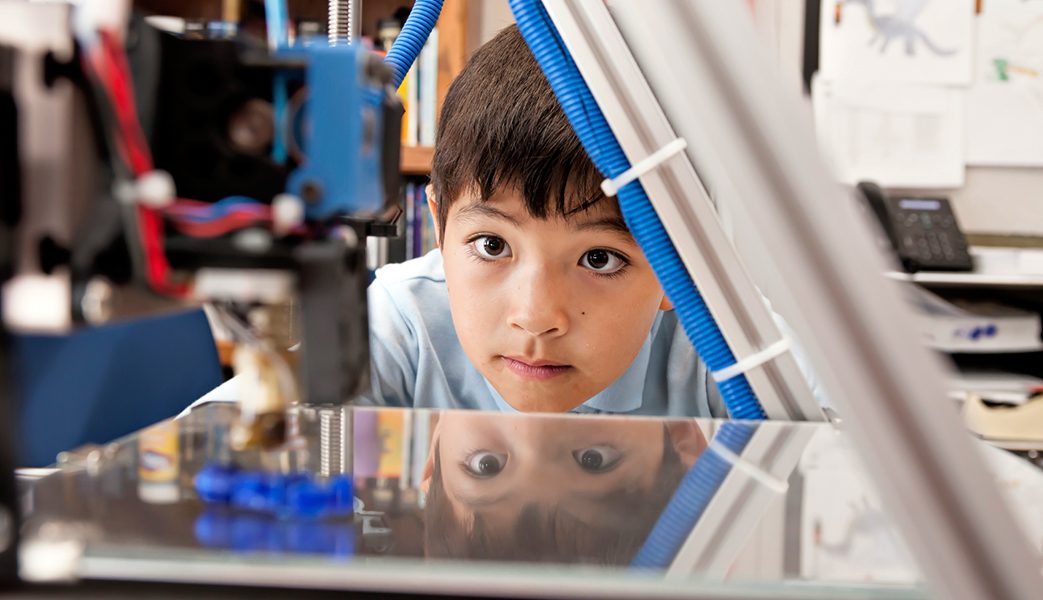
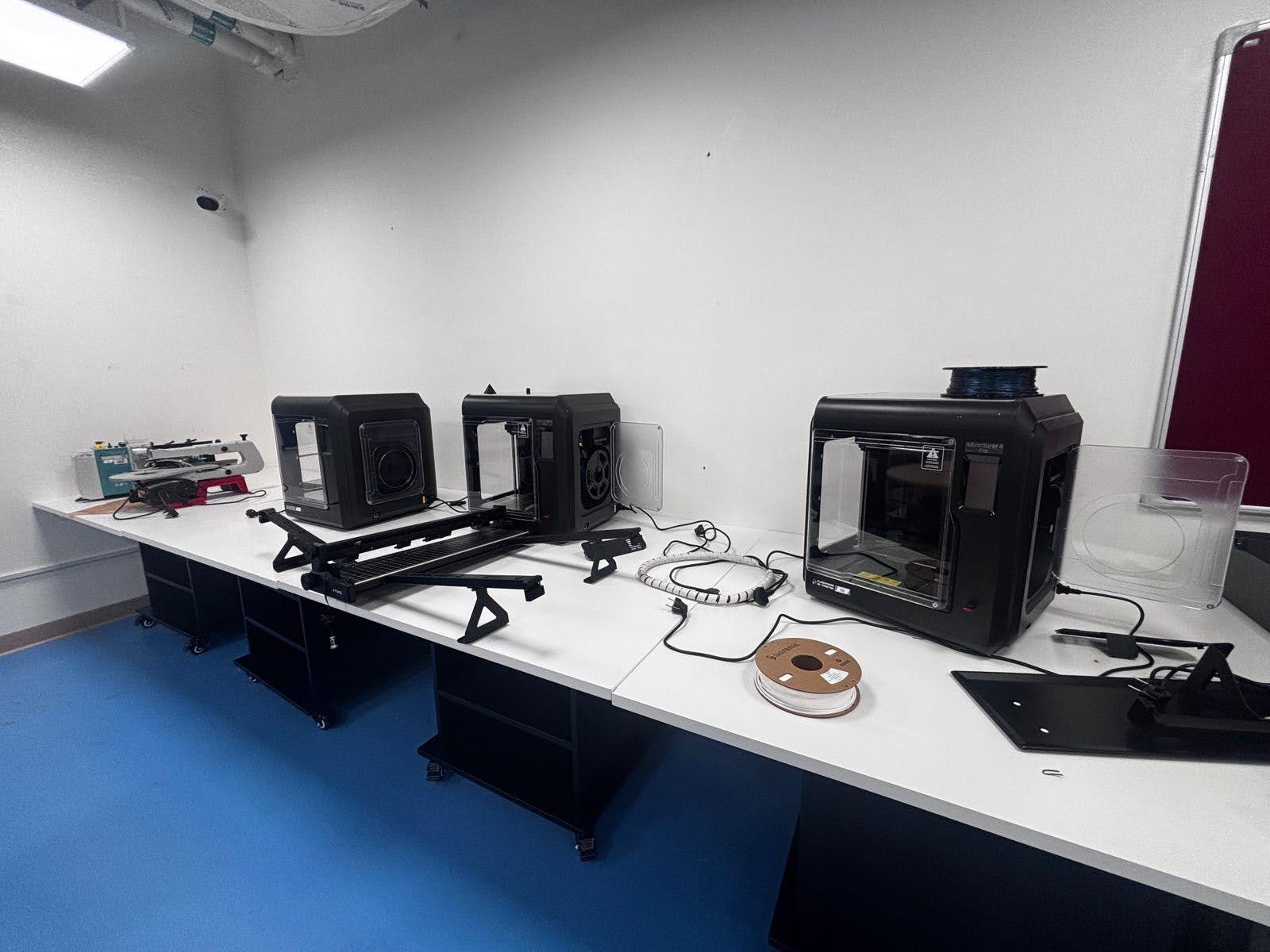
Robotics, physical computing and 3D printing turn concepts into systems students can design, code and improve. Their value depends on purposeful teaching, not equipment alone.
Robotics and Technology Integration
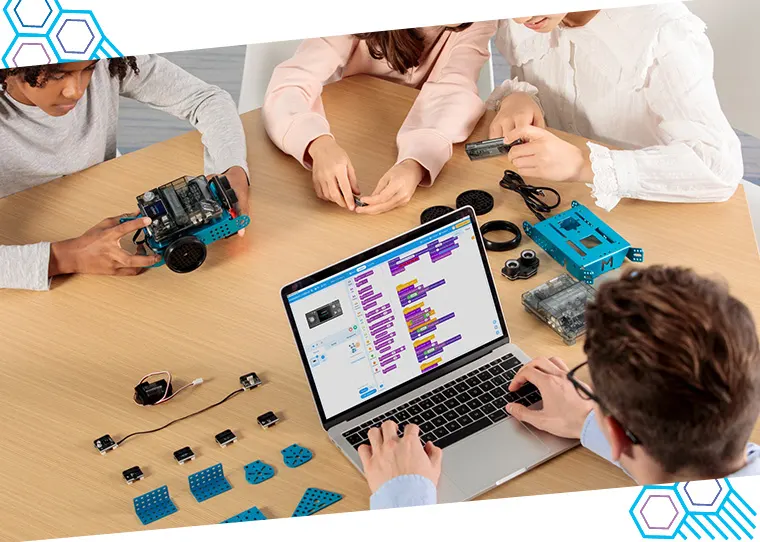
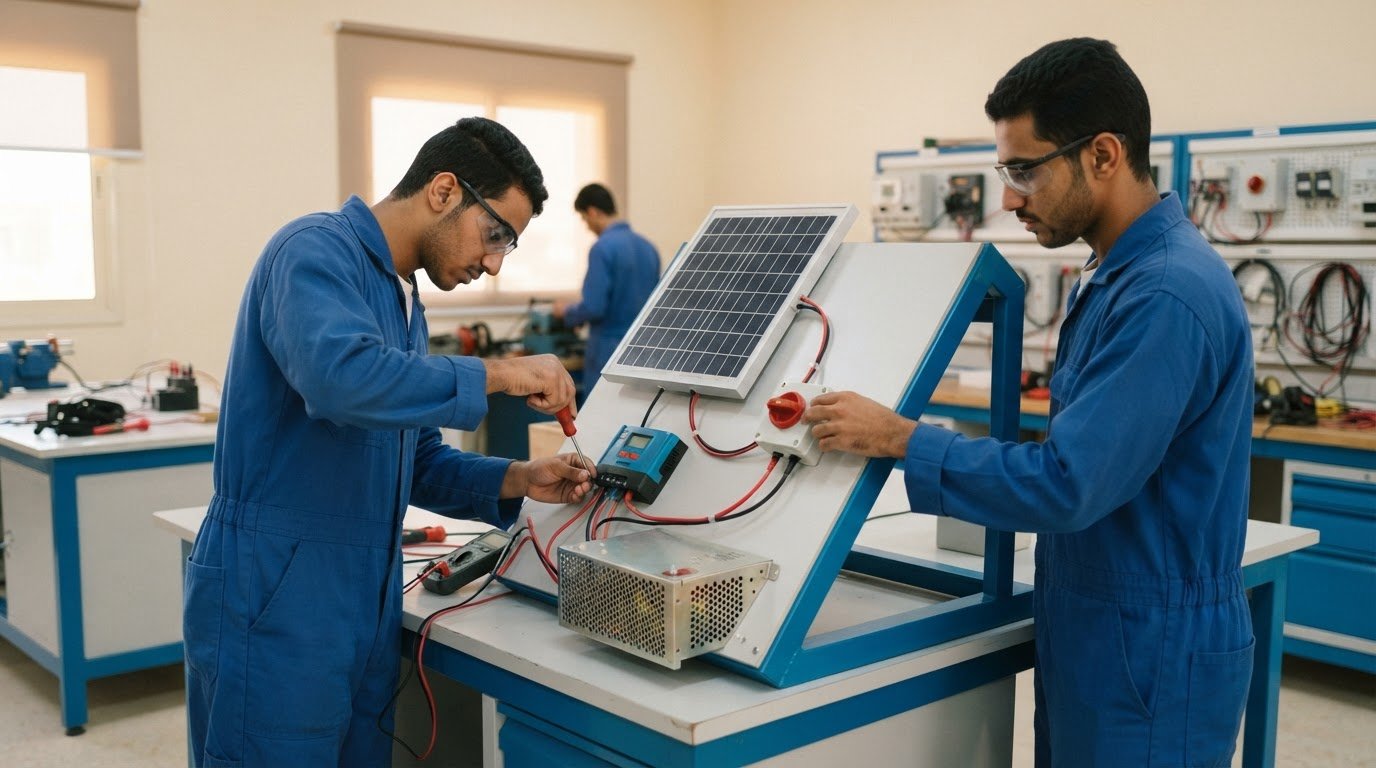
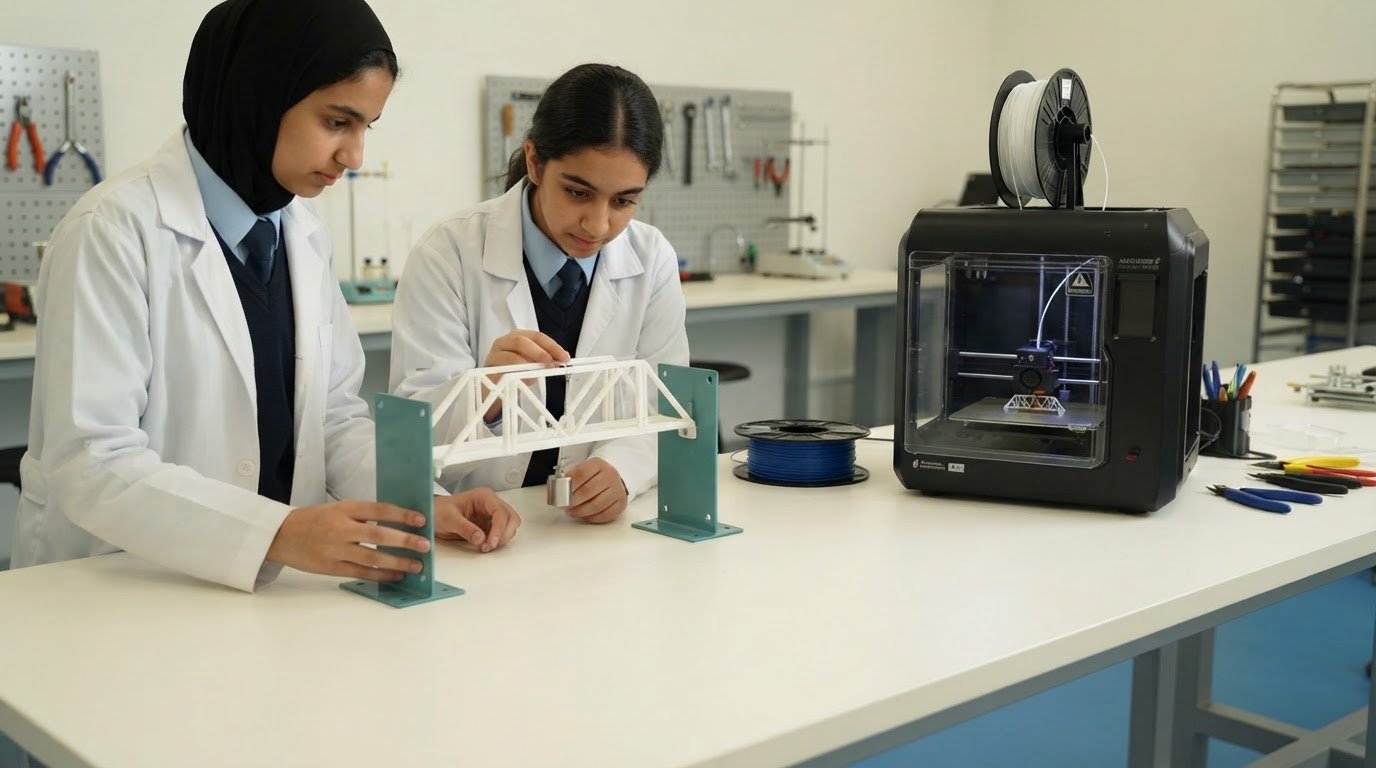
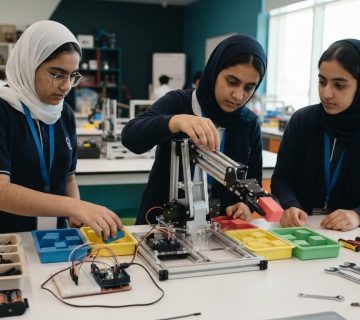
Integrated robotics programmes combine coding, electronics and mechanical design to create working systems. Students can program a robot, connect a sensor and adjust its response, then use 3D printing to produce a component. This sequence helps schools connect technology with practical learning and gives learners visible opportunities to apply concepts. A well-planned programme links activities to curriculum goals and students’ developing abilities.
Skills Developed Through STEM and Robotics
Robotics-based learning builds systematic problem-solving, analytical thinking and comfort with ambiguity. Students test code, investigate unexpected machine behaviour and revise their designs. These skills can support career pathways in aerospace, renewable energy, artificial intelligence, space technology and advanced manufacturing, fields prioritised by the UAE. They are also valuable in medicine, finance, design and law, where evidence-led decisions matter.
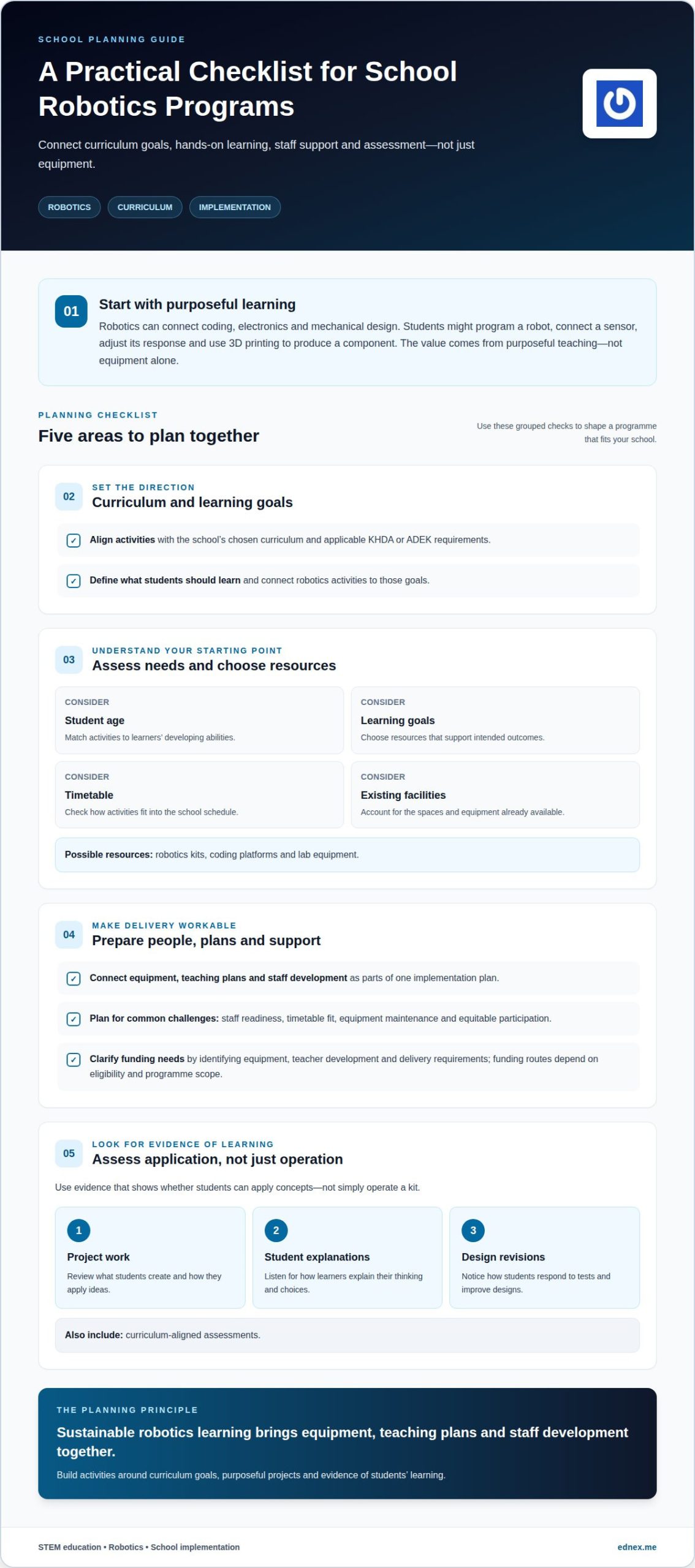
To meet curriculum and regulator expectations, align STEM activities with the school’s chosen curriculum and applicable KHDA or ADEK requirements. A needs assessment can connect student age, learning goals, timetable and existing facilities to suitable robotics kits, coding platforms and lab equipment.
Successful implementation connects equipment, teaching plans and staff development. Schools can assess learning through project work, students’ explanations, design revisions and curriculum-aligned assessments. These measures reveal whether learners can apply concepts, rather than simply operate a kit.
Funding routes and government initiatives depend on eligibility and programme scope, so proposals should identify equipment, teacher development and delivery needs. Common implementation challenges include staff readiness, timetable fit, equipment maintenance and equitable participation. Planning for these factors helps schools create sustainable opportunities. For a tailored robotics learning pathway, explore school robotics and coding programmes.
Artificial intelligence and emerging technologies
Artificial intelligence becomes a subject for learning when students examine inputs, patterns and outputs. A sorting activity can demonstrate how fixed rules differ from a model trained on examples. Students can identify errors, examine training data and discuss how people should interpret results. This connects artificial intelligence with science, mathematics and digital literacy, rather than treating it as just a screen feature.
At Vernus International School, interactive screens support teacher-student collaboration, while online applications help deliver lessons. Virtual reality lets students explore historical locations and science environments. These tools can extend the curriculum when each activity has a defined learning objective, such as comparing a digital environment with classroom evidence. Ask students to explain what they observed, how they reached a conclusion and where uncertainty remains.
Technology partnerships can connect equipment, curriculum goals and classroom practice. Map each application to a learning outcome, prepare educators to guide activities and plan how devices will fit existing routines. Before a virtual reality lesson, for example, teachers can identify the concept, set a student task and prepare questions to check understanding. Reviewing project work and educator feedback helps refine future lessons.
For UAE schools, international technology ideas need to serve local learning priorities. A class project might ask students to map shade across a school courtyard, analyse the results and present a digital design proposal. The UAE STEM education review examined 63 articles, including government reports, news publications, primary research and theoretical analysis. Schools can use a clear implementation plan to connect creativity, technical practice and global innovation themes.
STEM and STEAM education in Dubai and the UAE
UAE schools can choose integrated STEAM programmes, robotics and coding, science and engineering labs, design challenges and emerging technology experiences. Effective STEM Education Solutions for Schools in the UAE connect these options to school priorities, whether the aim is to enrich regular lessons, establish practical lab learning or extend learning beyond the timetable.
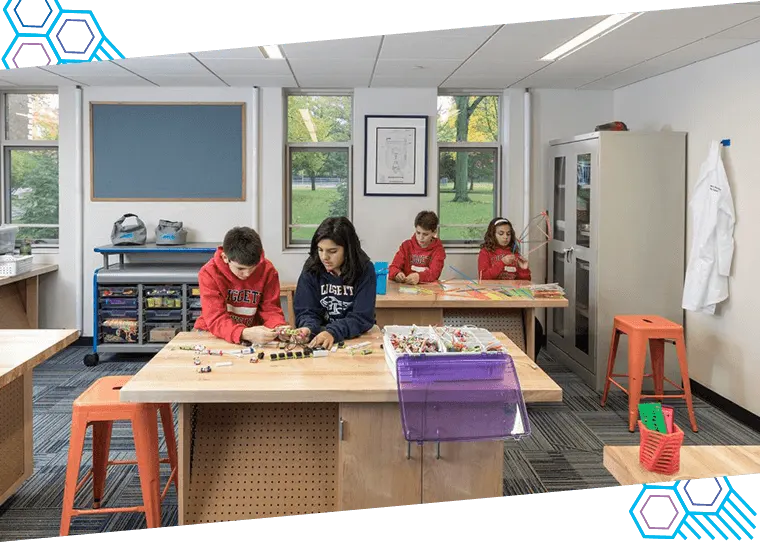
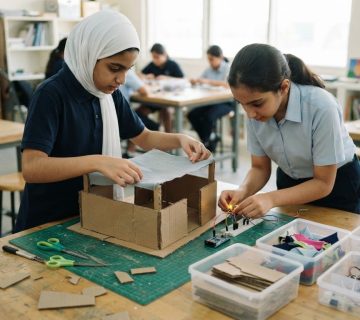
Dubai schools implement STEM through dedicated labs, structured workshops and project-based learning embedded in regular lessons. In Dubai and Sharjah, students also encounter science labs, coding, robotics clubs and design challenges during the school timetable. These formats connect subjects through meaningful experiences: teams investigate a challenge, apply concepts and present a solution. A project about energy use, for example, can combine measurement, engineering design and critical thinking.
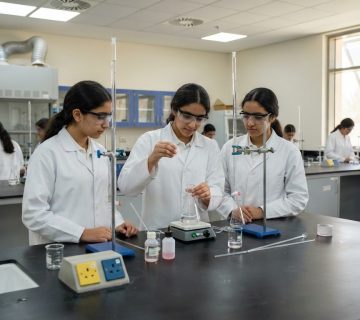
ASPAM Indian International School integrates hands-on learning through labs, robotics challenges, coding activities and engineering projects across multiple grade levels. This illustrates how schools can make STEM part of students’ learning journey instead of confining it to a single event. Science fairs, robotics competitions, coding clubs and maker spaces can extend learning beyond school, giving students more opportunities to practise problem-solving.
The UAE review identifies a potential GDP boost of at least 12% as an opportunity associated with STEM education. It also notes that interest in STEM fields among UAE nationals remains a challenge despite progress in education. Building student interest calls for sustained teacher development, accessible learning for all age groups and financial circumstances, and attention to equal participation by girls and boys. Recent student projects can reveal how classroom experiences engage learners and develop their thinking.
For school leaders, selecting STEM Education Solutions for Schools in the UAE means aligning provision with local priorities, teacher capability and inclusive participation. A coordinated approach can combine classroom projects, specialist spaces and extracurricular learning without treating technology as an end in itself. Explore UAE-focused STEAM programme options to connect practical learning with your school’s goals.
Schools can provide integrated STEAM learning, science and engineering activities, robotics and coding, design challenges and emerging technology experiences, supported by science and engineering labs. Choose robotics kits, coding platforms and lab equipment according to the school’s priorities.
Ednex: Robotics and Coding for schools
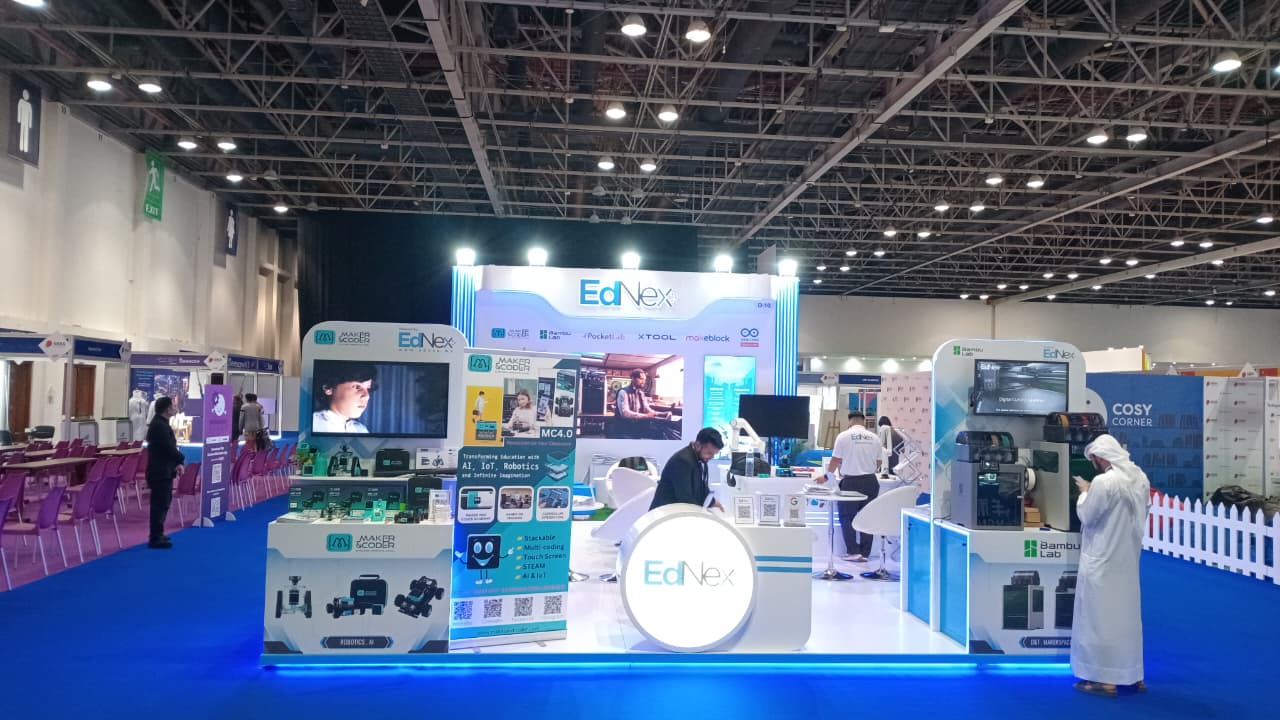
Ednex LLC supports UAE schools with practical, future-focused robotics and coding learning. Its Robotics and Coding for schools offering helps institutions build structured experiences around programming, robotics, and classroom projects. After-School STEM Programs extend these opportunities through dedicated activities beyond the school day.
Schools can also explore STEAM Programs to connect disciplines through applied learning, or Arduino Education for physical computing projects suited to the classroom. Choose an approach based on curriculum goals, students’ learning stages, and whether activities fit regular lessons or after-school provision. These offerings give schools a practical way to develop a more integrated STEM experience.
Contact Ednex LLC to discuss robotics and coding opportunities for your school.
Turn STEM ambitions into a learning pathway
Start by defining what meaningful progress looks like for your school: stronger links between classroom concepts, practical projects and skills students can carry forward. The best-fit STEM education solutions for schools in the UAE begin with that purpose, then connect learning experiences to curriculum priorities and student needs.
Ednex offers STEAM Programs, Robotics and Coding for schools, and Arduino Education to help schools shape that pathway. These offerings turn an educational vision into structured learning opportunities, whether the priority is integrated subject learning, coding or physical computing. A clear direction gives school leaders and educators a foundation for planning what comes next.
Build a programme that reflects your school’s ambitions and gives students room to create, test, and grow. Contact Ednex about STEM solutions to discuss a suitable direction for your school. The future of learning takes shape through purposeful choices, made one meaningful experience at a time.
Frequently Asked Questions
Do Dubai schools teach STEM?
Yes. Schools in the UAE teach STEM, although the subjects and depth vary by school and year group. For older students, subject choices can shape the next stage: families can look for IGCSE and A Level pathways that include computer science, further mathematics and separate sciences. These options show how STEM learning can progress from broad exploration to focused academic study.
Why is STEM education a priority for schools in the UAE?
STEM education helps schools prepare learners to participate in an economy shaped by innovation and technical change. Its value extends beyond engineering: interpreting evidence and making reasoned decisions are useful habits across academic and professional fields. This makes STEM relevant to school planning across year groups and disciplines, not only as preparation for a specialist technical career.
Why is STEM important for students?
STEM helps students understand how technologies and systems affect daily life. Learners who can interpret a graph, test a claim or explain why a design failed are better equipped to make evidence-based decisions. These habits support informed participation, continued learning and adaptation as tools and workplace expectations change.
What teacher training and ongoing support do UAE STEM providers offer?
Teacher development and ongoing support can include educator orientation, curriculum mapping, lesson-planning resources and guidance on integrating equipment into classroom routines. The right support depends on programme goals and the technologies involved. Ednex offers STEAM Programs, Robotics and Coding for schools, and Arduino Education, giving schools options for integrated learning, robotics and physical computing. Explore these offerings with Ednex to plan a STEM pathway around your school’s learning goals.
What STEM subjects, robotics kits, coding platforms, and lab equipment do UAE schools need?
Choose robotics kits, coding platforms, and lab equipment based on student age, learning goals, timetable, and existing facilities. Consider equipment for robotics, physical computing, and 3D printing, and connect it to curriculum goals and teaching plans.
Related Posts ...
Comments are disabled