



Top Robotics and Coding Programs for K-12 Schools Across the GCC
What if the strongest coding lesson begins with a simple block on screen and ends with a robot solving a classroom challenge? In the UAE, effective robotics and coding programs for K-12 schools combine visual coding, age-appropriate robotics and purposeful projects in a structured learning progression. Students can build programming concepts step by step, then apply them by creating and testing solutions.
Schools need more than access to technology: learning activities should engage students while fitting their grade level and connecting with classroom goals. This guide explains how visual coding and robotics can support that balance, what to look for in a K-12 curriculum, and how projects can connect coding with subjects such as writing, mathematics and science. You’ll also see how a professional school program can bring these elements together into a coherent learning experience.
Key Takeaways
- Match robotics activities to students’ developmental stage, with manageable building tasks that leave more classroom time for learning and testing.
- Use visual coding blocks to make programming logic easier to see, sequence and refine as students work toward a robot’s task.
- Connect robotics projects to subjects such as writing, mathematics and science so students apply classroom concepts in practical ways.
- Consider one subject-linked project or performance task per semester, keeping each classroom integration focused and time-bounded.
Reported student engagement and project outcomes
A robotics performance task makes learning visible: students program a robot to complete a defined task. Teachers can observe how students plan, test, and revise their thinking, rather than judging engagement by enthusiasm alone. In the UAE, One Million Arab Coders supports future-skills education. A classroom project can connect that broader aim with practical coding concepts.
In-school programs can connect robotics with subject lessons and planned learning outcomes. After-school clubs allow more time for extended projects, while camps concentrate activities into a shorter experience. Online coding courses can teach programming concepts, but physical robot tasks require access to hardware. The best fit depends on the school’s timetable, learning goals, and available supervision.
For UAE schools, a practical starting point is the adopted curriculum and applicable education authority guidance. Map robotics activities to existing learning objectives instead of assuming one robotics syllabus applies across every school. A focused project can support those objectives without replacing required subject teaching.
A program can begin by mapping grade-level goals, available classroom time, and students’ prior experience. Then, select an appropriate task, platform, and assessment approach. For example, students might program a robot to complete a classroom challenge, then explain which code changes improved its performance. This gives teachers observable evidence of both process and outcome.
Automated grading can record defined results, such as whether a program completes a task, while teacher review captures students’ explanations and problem-solving choices. Progress tracking works best when it follows clear milestones: planning, coding, testing, and revision. Assessments should show what each student contributed, not just whether the team’s robot reached its goal.
For high school students, AI education can extend coding into questions about data, patterns, and how systems produce outputs. A project assessment can ask students to describe their approach and evaluate its results. Any student certification should identify the skills assessed and the evidence required. Course attendance alone does not prove coding ability.
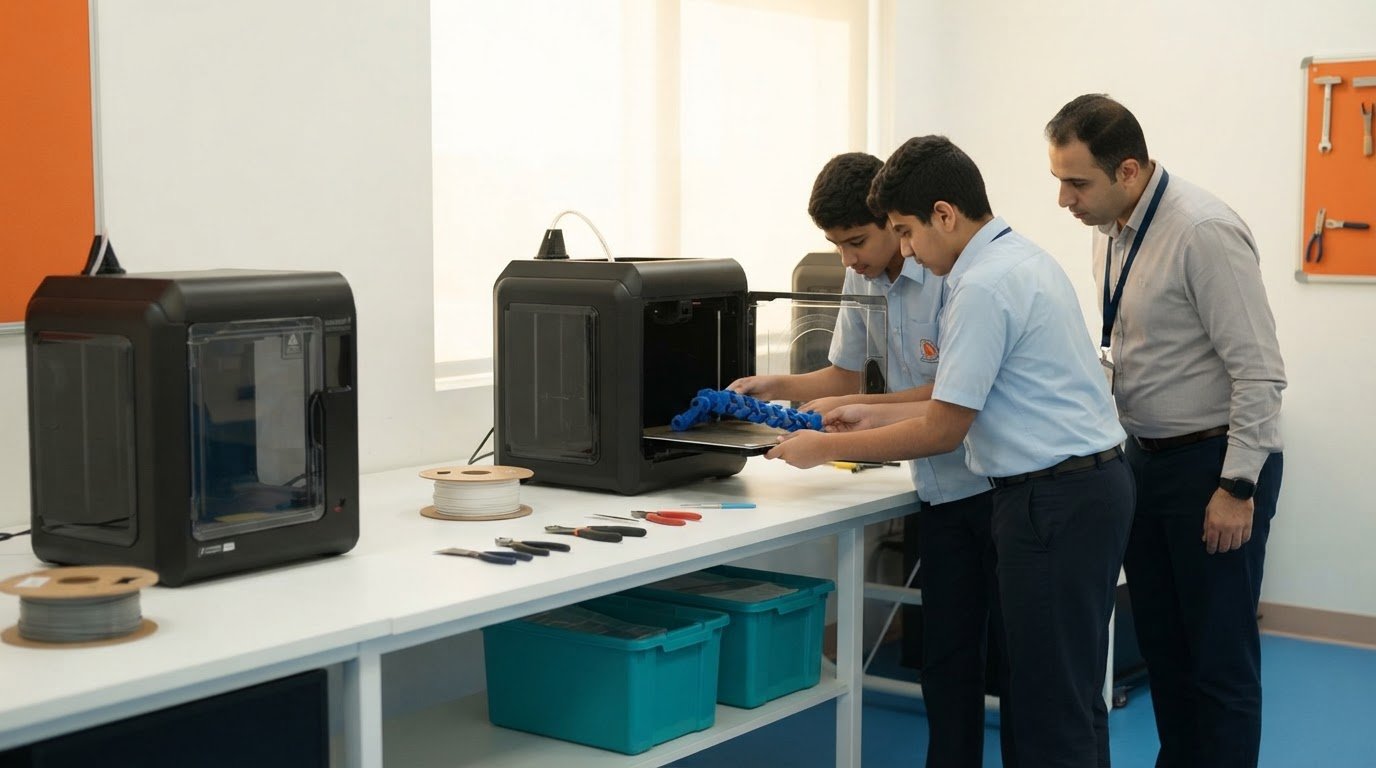
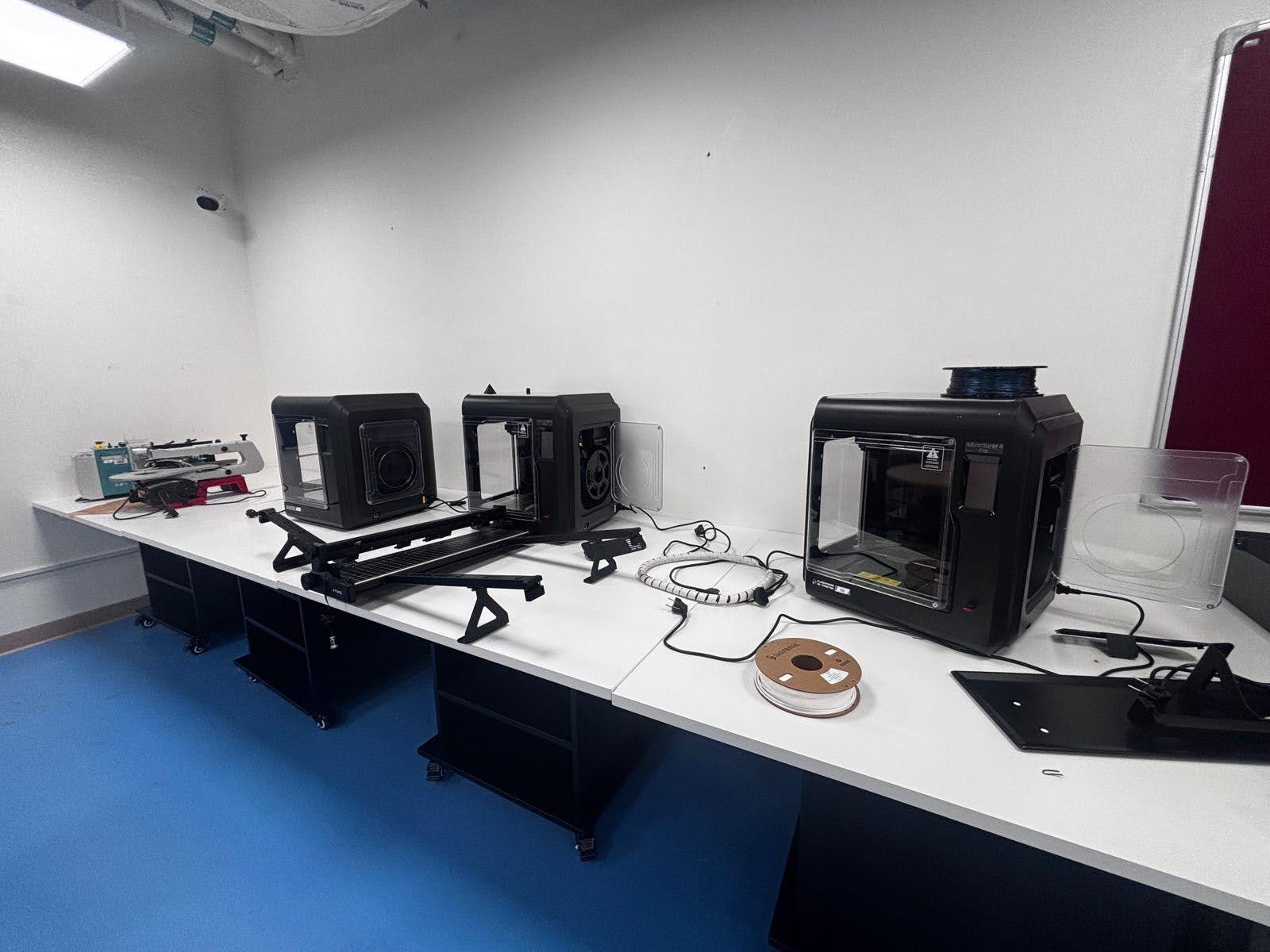
Schools should consider safe hardware handling, privacy when collecting student data, accessible tasks, and balanced screen use. A practical first step is to categorize robot components as structure, motion, electronics, and tools. Classroom robots also benefit from straightforward construction and minimal cleanup, leaving more time for testing and discussion.
Robotics platforms for different grade levels
In UAE schools, a suitable platform connects grade-level learning goals with practical robotics and coding courses. The right choice depends on students’ experience, classroom resources, and the computational literacy each learning pathway aims to develop.
Robotics Platforms by Grade Band
For elementary students, prioritize platforms with clear, hands-on interactions and manageable construction tasks. Middle school students can work with systems that combine movement, sensors, and sequenced instructions. High school platforms can support more complex design decisions and integrated coding. A program should explain how each platform progresses across these grade bands, including how tasks and assessments change with students’ readiness.
Coding Pathways by Grade Band
Elementary pathways can introduce computational thinking through visual sequences, helping students connect instructions with a robot’s actions. Middle school courses can add conditions, repetition, and debugging as projects become more involved. High school pathways can extend to text-based programming and advanced system design. Teacher training should cover the selected platform, lesson sequence, classroom management, and ways to assess student work.
Curricula for Elementary, Middle, and High School
A strong curriculum defines learning goals for each grade band, then aligns projects and assessments with those goals. Elementary students might program a robot to follow a simple route; middle school teams could refine a task through testing; high school students could plan and evaluate a more complex system. UAE schools can use integrated robotics and coding programs, with content adapted to students and the school timetable.
Coding Languages, Kits, and Platforms
Visual coding blocks make instructions easier to arrange and revise, while text-based languages can suit students ready to work directly with written code. Robotics kits may differ in their building demands, components, and software. A provider should explain how the chosen kit supports the curriculum, what teacher preparation it needs, and how students move between platforms without losing sight of core concepts. Explore school robotics program planning as a next step.
Connecting robotics to classroom subjects
A robotics mission can make a subject concept visible through design, coding, and discussion. Teachers can connect one project or performance task per semester to their subject area, keeping the integration focused.
Classroom Robotics Case Study
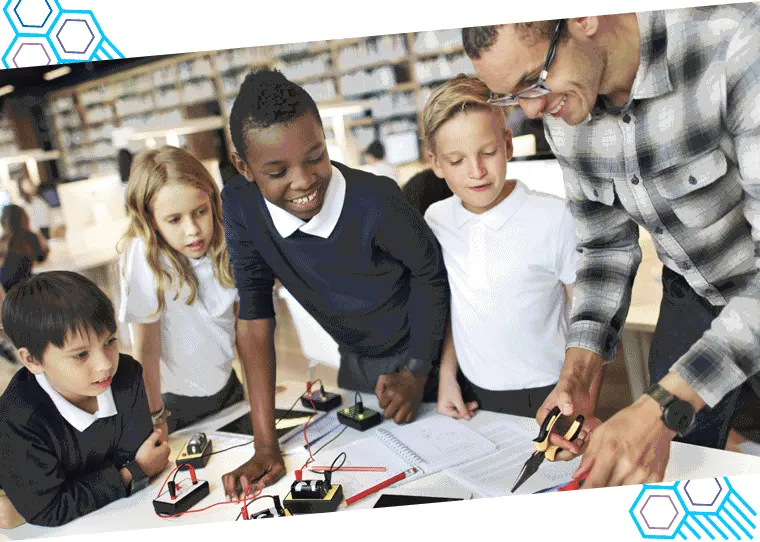
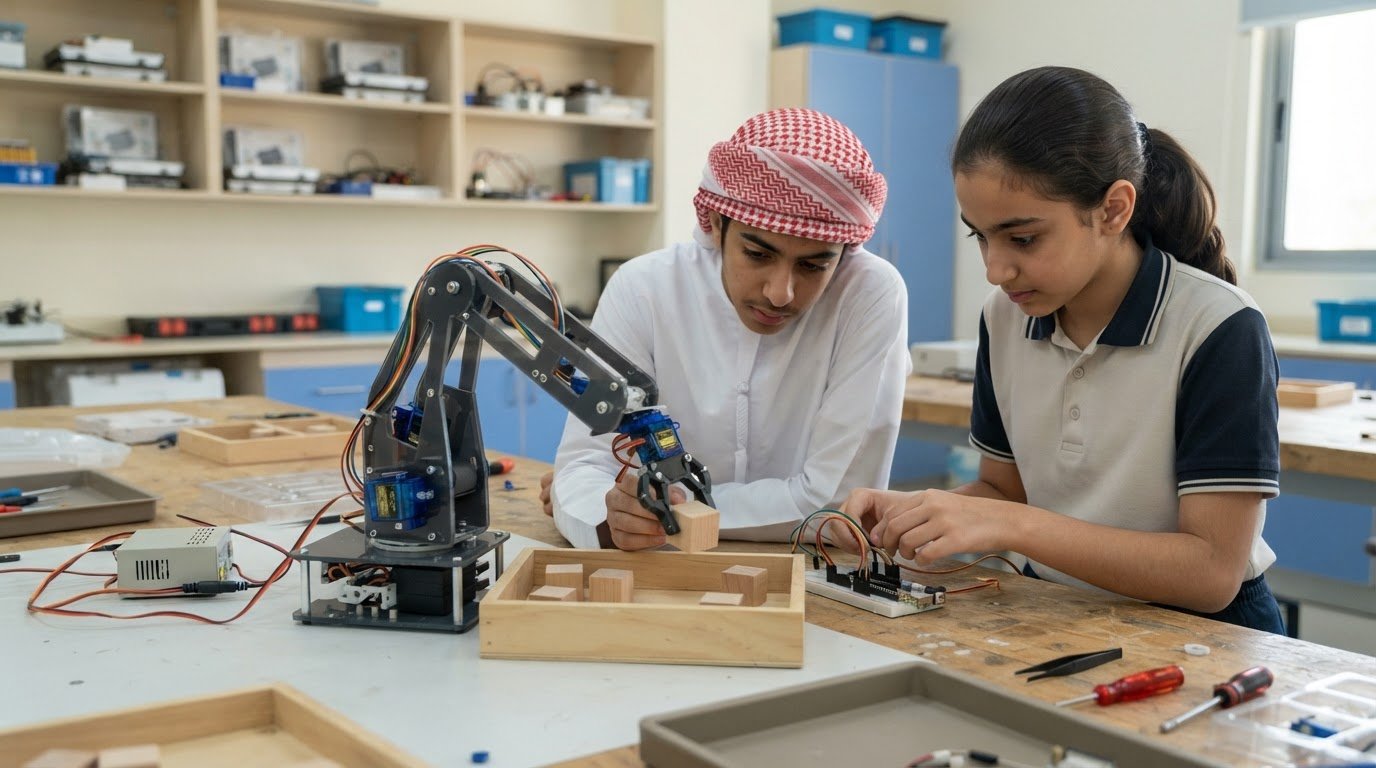
Consider a science class exploring how teams solve a practical problem. Students form robot design teams, share ideas, investigate possible solutions, then create and test them. The teacher can assess how they explain their choices, respond to test results, and collaborate. This classroom project links science concepts with a clear engineering process while giving students a specific mission to complete.
Other subject connections can be just as direct. Students can explore geometric shapes by constructing paper robots, then identify the shapes in their designs. A writing lesson can compare correct grammar with proper syntax in coding: both rely on arranging elements according to rules. These examples help teachers connect robotics activities with existing classroom learning.
Robotics Kits for Classroom Use
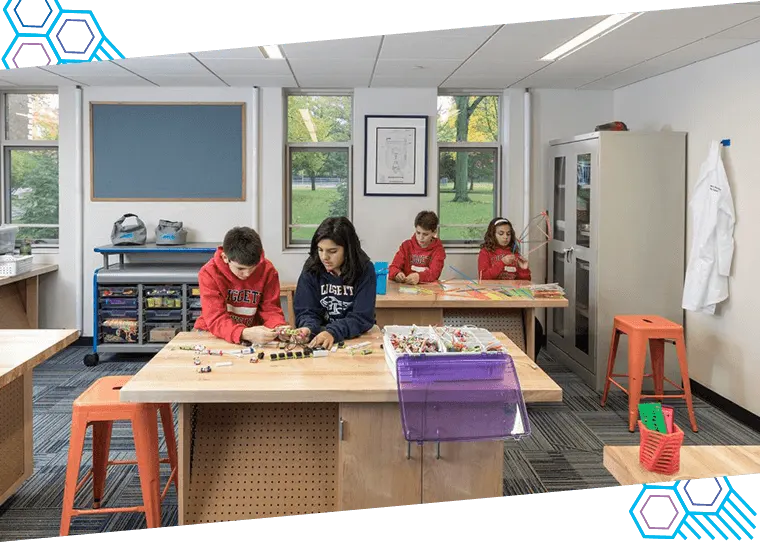
Classroom kits should support the lesson without letting setup dominate. Choose robots that require straightforward building and little cleanup, so teachers can reserve time for subject connections and student testing. Match the components to the activity: a paper robot for exploring geometry, or a programmable robot for investigating movement and sequencing.
Teachers can also use robotics to model systems beyond the classroom. For example, students can simulate the production and distribution of goods, then discuss how a product moves through connected stages. A focused project keeps the mission understandable and creates opportunities to apply subject knowledge.
To keep integration manageable, connect each task to a specific learning objective and limit each classroom project to two to three weeks at a time. A team can plan, build or program, test, and explain its solution within that period. The project shows how students apply concepts, not simply whether a robot moves.
Programming with visual coding blocks
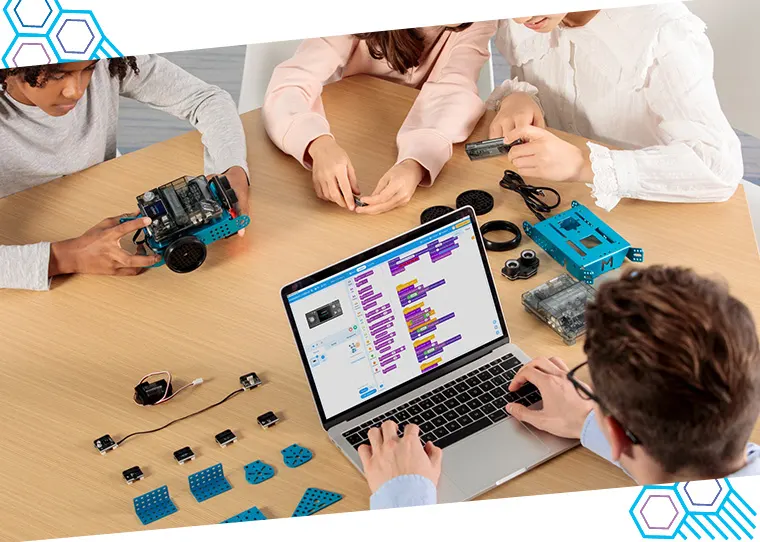
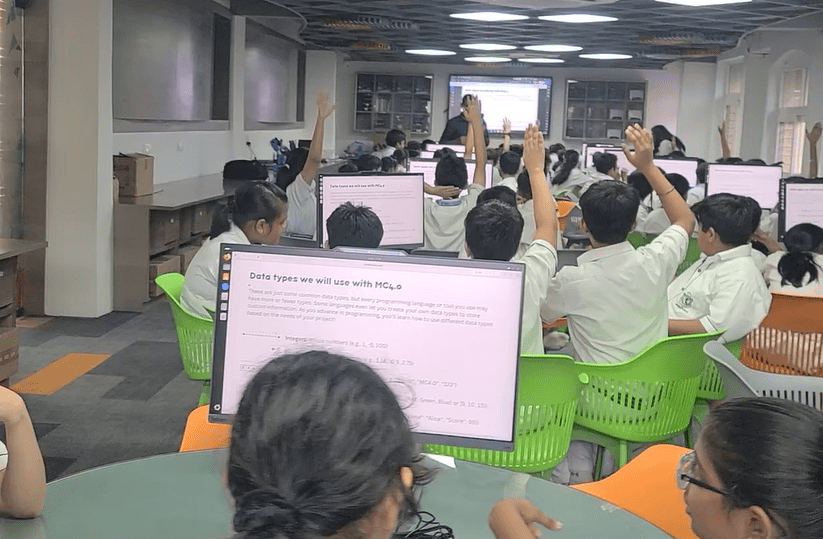
Visual coding blocks turn instructions into pieces students can arrange on screen. A robot’s movement becomes a sequence: start, move forward, then stop. Students can see how each instruction contributes to the result. This makes foundational programming concepts tangible before learners encounter more complex code. A curriculum should build from clear actions toward increasingly structured problem-solving.
Robotics and Coding Programs for K-12 Schools can use blocks to represent movement, timing, repetition, and decisions. For example, a student might arrange a movement block, add a pause, then repeat the sequence. A condition introduces a new question: what should the robot do when its sensor detects an obstacle? Each change helps students explore how instructions affect a program’s behaviour.
Debugging becomes a deliberate learning process rather than guesswork. Students can predict what a sequence will do, run it, and compare the outcome with their prediction. If the robot stops too early, they can inspect block order or timing, change one instruction, and test again. This method builds computational thinking and helps students explain their reasoning.
Visual coding also creates a bridge to text-based programming. As students gain confidence, teachers can introduce the ideas behind a block, such as a repeat instruction or an if-then decision. Learners can recognize familiar structures when they encounter written code. A well-planned pathway connects each new concept to a project students already understand.
For UAE schools, Robotics and Coding Programs for K-12 Schools should align activities with curriculum goals, student readiness, and assessable work. A robot completing a route, for instance, can show how a student sequenced instructions and revised a program. The coding interface matters, but so does the learning design around it. Choose a program that connects hands-on tasks with structured development of programming concepts.
Ready to shape a classroom pathway around visual coding? Explore school robotics and coding programs designed to connect programming concepts with practical projects.
Ednex: Robotics and Coding for schools
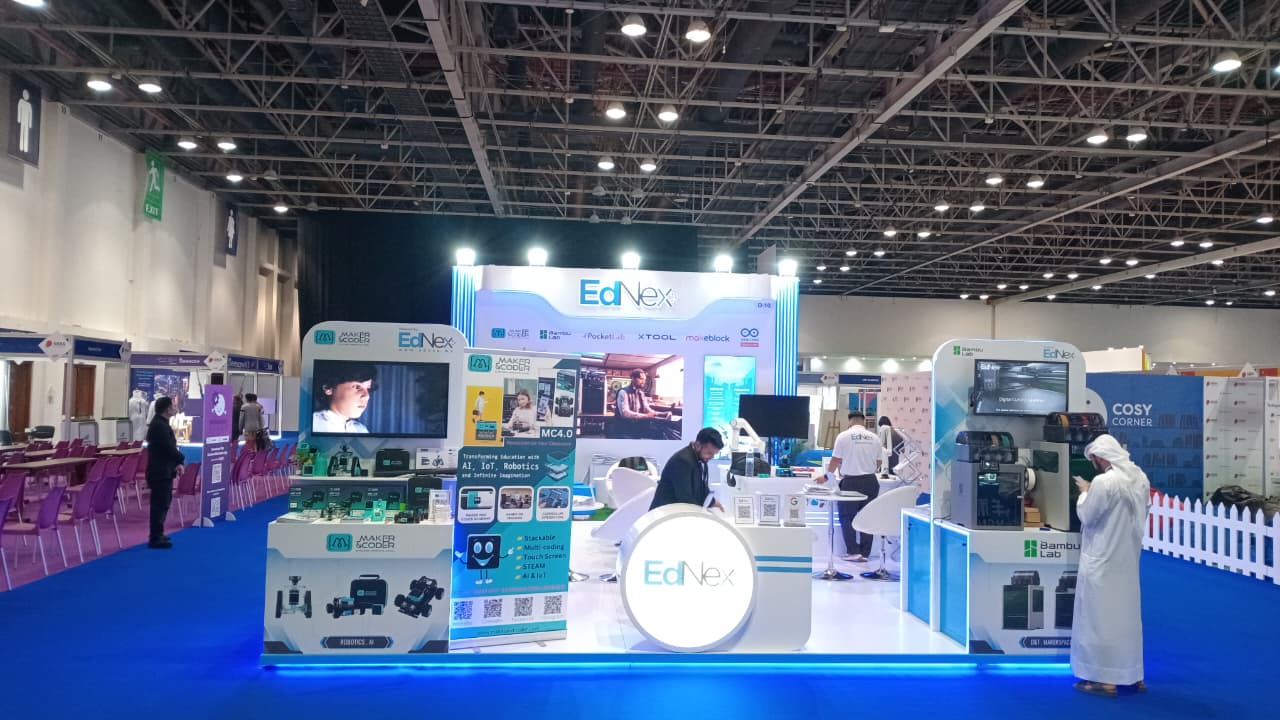
Ednex LLC helps schools across the UAE bring structured robotics and coding learning into the classroom. Its Robotics and Coding for schools program supports schools seeking grade-appropriate projects that connect programming concepts with hands-on work.
Schools can also consider STEAM Programs when they want robotics and coding to sit within broader science, technology, engineering, arts, and mathematics learning. After-School STEM Programs offer another setting for students to explore projects beyond regular lessons, while Arduino Education supports learning through programmable electronics.
The right starting point depends on the school’s grade levels, curriculum goals, timetable, and existing classroom resources. Ednex LLC can help align these factors with a suitable program direction. To discuss robotics and coding learning for your school, contact Ednex LLC.
Turn learning priorities into the next step
The next opportunity is to make robotics learning part of a school’s longer-term educational direction. A well-designed approach to Robotics and Coding Programs for K-12 Schools can give students a pathway from early exploration toward increasingly independent design and problem-solving. The key is to connect that pathway with the school’s priorities, existing curriculum, and capacity to put projects into practice.
Begin by identifying what the school wants students to be able to do, then consider how robotics can support that goal across grade levels. A focused discussion can translate broad aims into practical program choices, including how coding activities fit classroom learning and how projects can evolve over time. This creates a clearer foundation for planning, coordination, and ongoing development.
Ednex can be part of that planning conversation for UAE schools shaping their next phase of robotics learning. Contact Ednex about school programs to discuss a direction that fits your educational goals.
Frequently Asked Questions
What is a K-12 Coding Curriculum?
A K-12 coding curriculum is a planned sequence of learning goals and activities spanning kindergarten through grade 12. It maps how students develop programming knowledge over time, and how teachers assess progress at different stages. For school planning, a curriculum map can show which concepts each grade introduces, how later courses extend them, and what evidence demonstrates learning.
What competitions, certifications, and student outcomes are available through UAE robotics programs?
UAE robotics programs may support student participation in competitions, project showcases, or classroom demonstrations, depending on how the program is organized. These activities can provide evidence of applied learning, but participation alone is not a formal certification. A certification should identify its awarding organization, assessed skills, and completion requirements, so schools can distinguish a recognized credential from a certificate of attendance.
What teacher training and qualifications are needed to teach school robotics and coding?
Teacher training should cover the selected platform, lesson sequence, classroom management, and ways to assess student work. The program should be adapted to students’ grade-level goals and experience.
Related Posts ...

Comments are disabled