

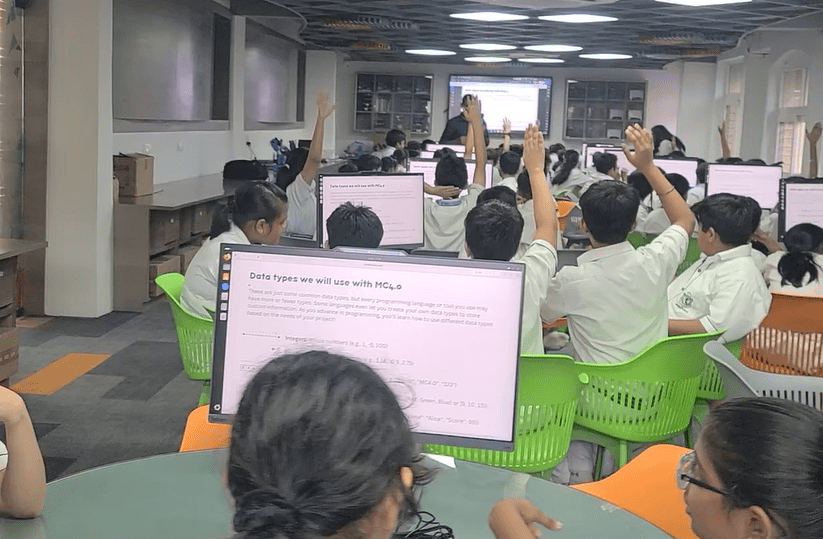
Project-Based Learning in Science Through a Thermal-Energy Design Project
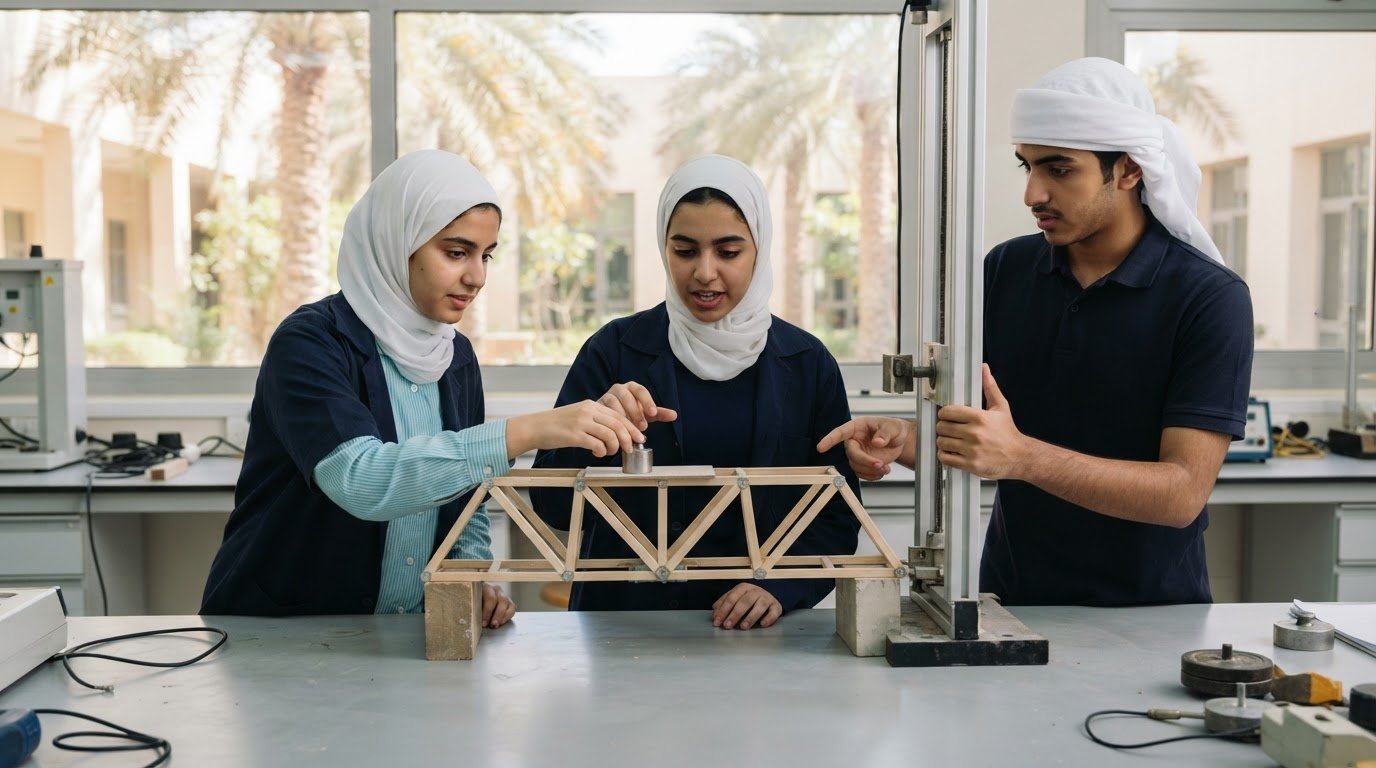
A science project can be more than a demonstration: it can guide students toward understanding a challenging idea. In project-based learning in science class, students investigate a meaningful question or challenge over time, apply scientific concepts, and create a product that demonstrates what they have learned. A thermal-energy design project makes this approach tangible: students use evidence and scientific reasoning to develop and improve a design.
Students learn deeply when they connect scientific ideas with practical decisions, and the learning continues beyond a first attempt. Structured feedback, revision, and reflection help them explain their choices, learn from results, and strengthen their work. This article explains what project-based learning involves, how it can develop critical thinking, collaboration, and communication, and how students can use feedback to improve a project. It also explores how a thermal-energy design challenge can bring physical science concepts to life, from investigating energy transfer to presenting a reasoned design. Purposeful projects make scientific learning an active process of inquiry, design, and improvement.
Key Takeaways
- See how sustained investigation connects science concepts to a meaningful challenge and a finished product.
- Explore how designing around a real-world problem can strengthen critical thinking, collaboration, and clear communication.
- Learn how feedback, reflection, and revision help students explain their decisions and improve their work.
- Discover how a thermal-energy design challenge can make physical science concepts tangible through testing and evidence-based design.
What Is Project-Based Learning in Science?
In science, project-based learning centers on investigating a complex question and creating a product that demonstrates understanding. Rather than stopping at a written answer, learners apply concepts to a challenge and explain their decisions.
Student-Led Investigation
Student-led investigation gives learners an active role in exploring a question, gathering evidence, and developing a response. A teacher might ask, “How can we reduce pollution around our school?” Students can research pollution sources, observe their surroundings, and present evidence for a community action plan. This makes critical thinking visible: students connect observations to scientific ideas instead of simply recalling a definition.
Choice and Autonomy in Projects
Choice and autonomy let students shape a project’s topic, approach, or final presentation within clear learning goals. For example, students studying ecosystems might create a model, give a presentation, or produce an illustrated report. Each format can demonstrate the same scientific understanding in a different way. Clear written and visual directions, flexible ways to contribute, and different presentation options can make projects more accessible.
Problems Students Care About
Projects feel relevant when their central problem connects to students’ questions and surroundings. A class interested in waste could investigate what happens to discarded materials at school, then propose a reduction plan. Teachers can guide students toward a manageable question tied to the required science concepts. This keeps the investigation focused, evidence-based, and connected to curriculum goals while sustaining student interest.
PBL Compared with Traditional Instruction
Traditional science instruction often introduces concepts through explanations and focused exercises. Project-based learning extends the investigation so students can apply those concepts. Both approaches can teach scientific knowledge, but a project culminates in a product, while problem-based learning focuses on developing a solution. The distinction matters when students need to demonstrate how evidence informs their decisions.
Materials depend on the project. A pollution investigation may use observation sheets and reusable containers, while digital research may rely on available classroom technology. Material choices, equipment access, and project scope affect resource needs, so designing around accessible materials can help avoid unnecessary expense. Common challenges include unfocused questions and uneven participation. Teachers can set milestones, assign roles, and provide structured guidance throughout the investigation.
Critical thinking and communication skills
Science projects give students opportunities to interpret evidence, test ideas, and explain conclusions. Through investigations and presentations, students make their reasoning visible and complement what they learn in class.
Skills and Learning Outcomes
Project-based learning develops problem-solving and critical thinking by asking students to connect observations with scientific concepts. For example, students investigating soil could compare samples, record visible differences, and consider what those observations suggest about each sample’s properties. They then distinguish evidence from assumption and explain how their conclusions follow from the results. This helps teachers see how learners apply scientific ideas, not just recall terminology.
21St-Century Skills Through PBL
Projects also let students practise collaboration and communication alongside scientific thinking. A team studying heat transfer, for example, can divide observation and recording tasks, then combine its findings into a shared explanation. Students listen to different interpretations, clarify evidence, and explain why they support a conclusion. These skills matter because scientific reasoning needs to be understandable to others.
Engagement can grow when students have an active role in investigating a question. Teachers can assess learning through prompts such as: Does the explanation match the observations? Can students describe why the evidence supports their claim? Such questions help connect hands-on activity with clear learning goals. For schools shaping practical science environments, science learning lab design can support spaces for investigation, analysis, and communication.
Feedback, revision, reflection, and self-assessment
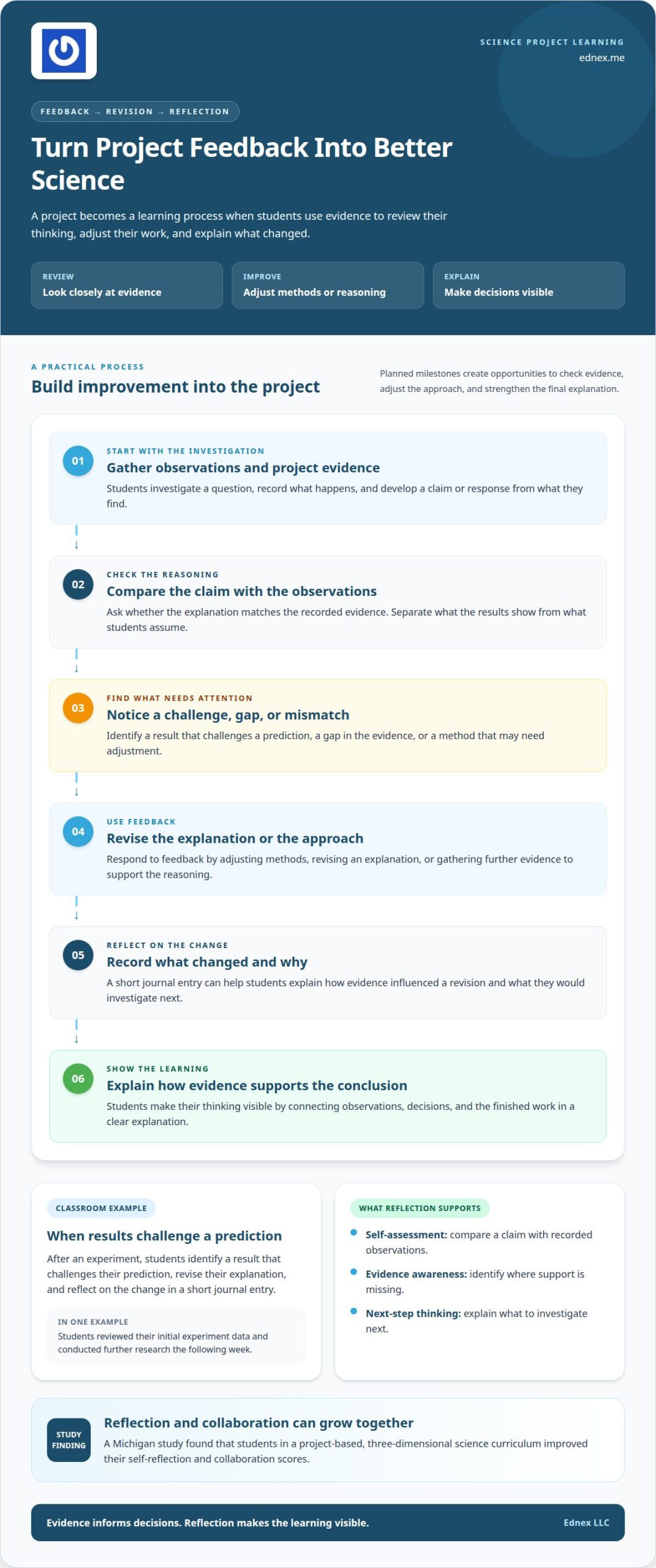
Feedback makes a science project a learning process, not just a finished display. Planned milestones give teachers and students opportunities to review evidence, adjust methods, and explain decisions.
Feedback, Revision, and Reflection
Feedback, revision, and reflection help students use project evidence to strengthen their reasoning and their work. After an experiment, a teacher might ask students to identify a result that challenges their prediction, then revise their explanation. Students can reflect in a short journal entry, noting what changed and why. In one project-based science example, students reviewed their initial experiment data and conducted further research the following week.
Self-assessment makes the thinking behind each revision visible. Students can compare a claim with their recorded observations, identify a gap in the evidence, and explain what they would investigate next. A Michigan study found that students in a project-based, three-dimensional science curriculum improved their self-reflection and collaboration scores. This finding highlights why reflection belongs within the project, rather than being left until the final presentation.
Assessment Strategies for Science Projects
Assessment strategies should measure scientific learning as well as the quality of the final product. A project plan can set milestones for the question, evidence gathering, analysis, and presentation, with feedback at each stage. A five-step framework can guide students toward academic decisions rather than simple task completion. For instance, students can justify a material choice by linking test results to their design criteria.
Nontraditional summative assessments can include an evidence-based presentation, a model with an explanatory note, or a reflection on experimental results. One high school science teacher incorporated these assessments every quarter, then later used them every unit. This shows how assessment can become part of regular instruction instead of relying only on a final test. A clear rubric can assess accuracy, evidence, reasoning, and communication, while milestone feedback helps students address weaknesses before presenting their work.
Physical science thermal-energy design project
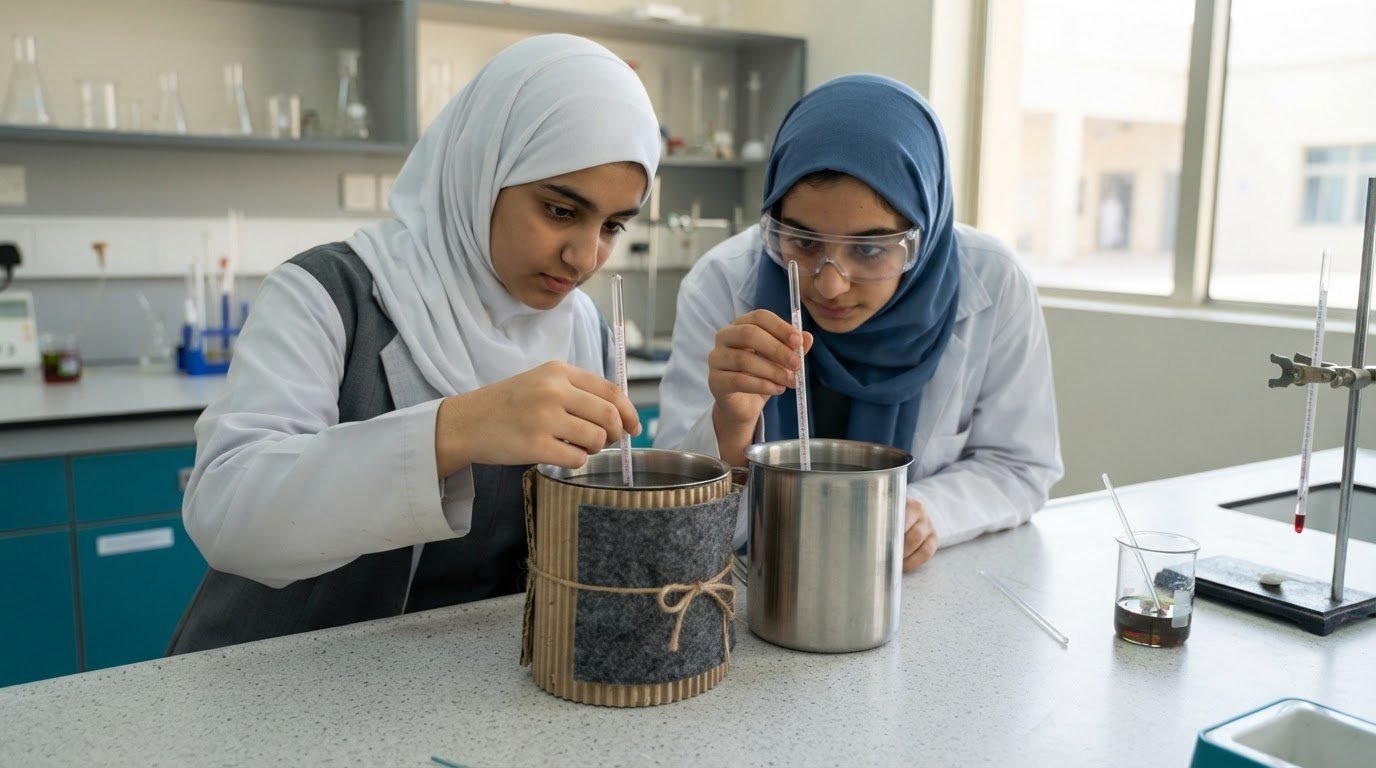
The grade 7 “Cold Cats Hot Dogs” project offers a physical science setting for exploring thermal energy through design. Students can investigate a challenge such as keeping a model container warm, then use evidence to explain how their design affects heat transfer. The central takeaway is clear: a design becomes a science investigation when students connect its performance to physical principles.
Begin with a question students can test: which available material best slows heat loss from a warm container? Learners decide what to keep consistent, choose materials to compare, and predict which might provide stronger insulation. They can test each design, observe temperature changes, and record results in a shared table. The goal is not simply to build a container, but to connect observations with an explanation of how thermal energy moves.
Results give students a basis for improving their design. If a material performs differently than predicted, they can examine how it was arranged, consider whether the comparison was fair, and test a revised version. A claim, evidence, and reasoning structure helps students present what they observed, cite relevant results, and explain how those results support their conclusion. This cycle deepens understanding: students use physical evidence to evaluate an idea instead of treating the first design as the final answer.
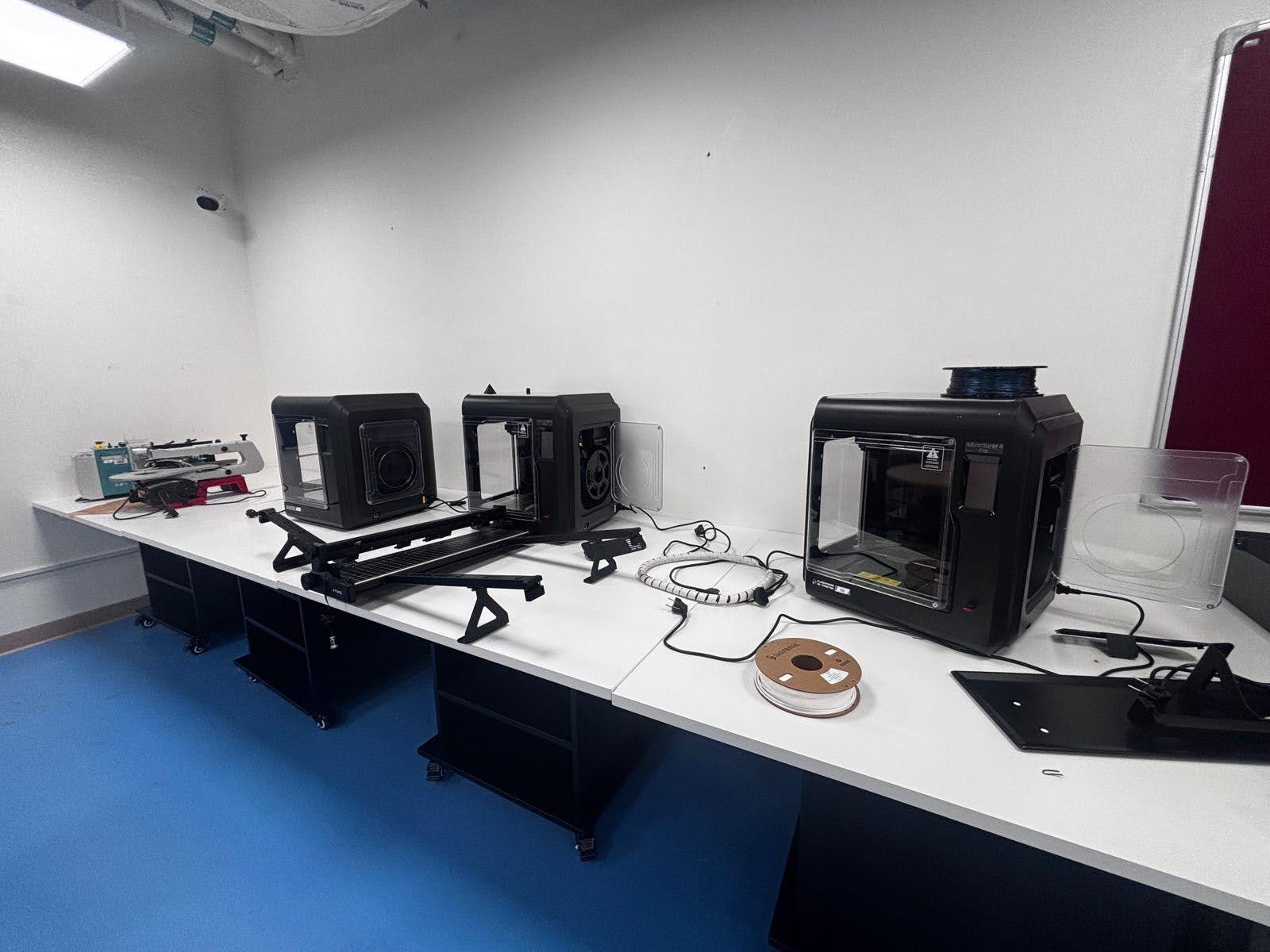
Teachers can assess the investigation through the prediction, comparison method, recorded observations, revision, and final explanation. That approach values scientific reasoning as well as the finished model. For schools developing practical thermal-science learning, an Energy and Thermal Engineering Lab can support a broader environment for design and investigation. Explore a lab setup that can help bring thermal-energy projects into science learning.
Ednex
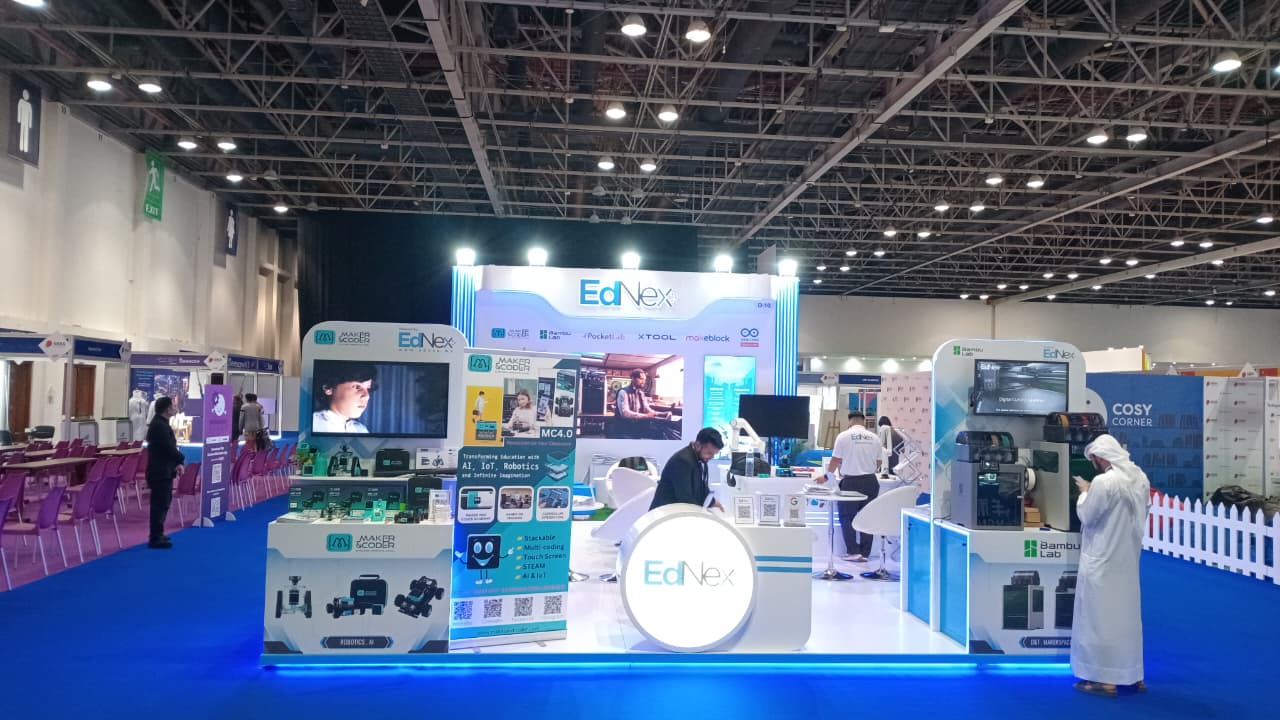
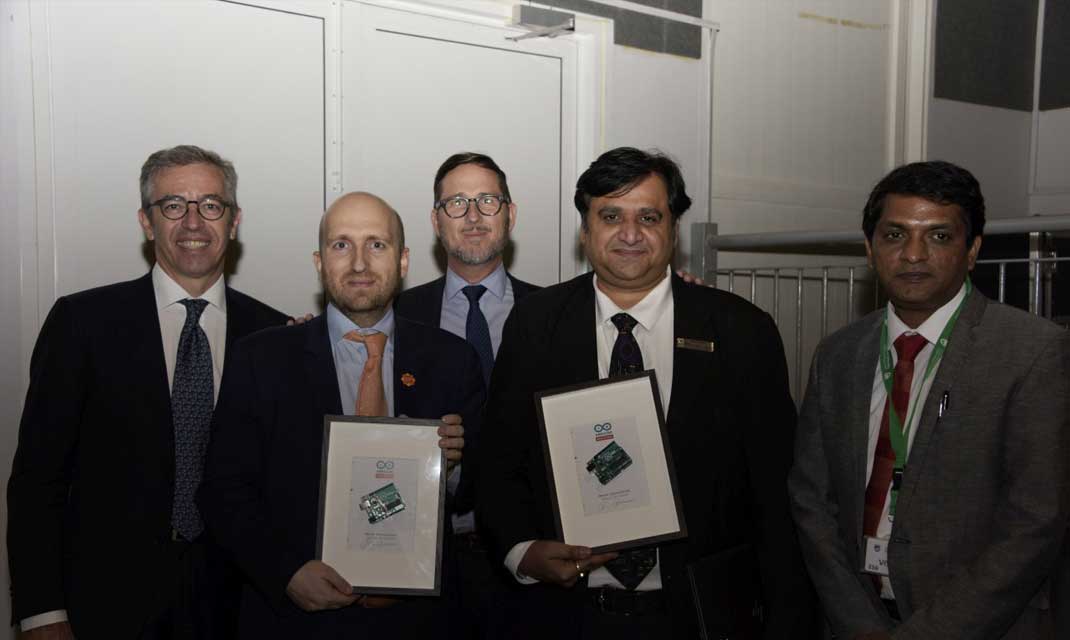
Ednex helps schools translate science learning goals into practical STEAM experiences and suitable learning environments. Its STEAM Programs support project-based learning, while a Future Science Lab Setup provides a dedicated setting for student investigation. Robotics and Coding for schools and Arduino Education offer further ways to connect scientific ideas with applied learning.
Ednex can support educators planning hands-on science experiences, developing a lab environment, or connecting projects with wider STEAM learning. The right approach depends on learning objectives, available space, and the investigations students will undertake. Contact Ednex to discuss your science learning goals and explore a suitable next step.
Shape the Next Science Challenge
Turn a learning objective into an investigation students can shape, test, and explain. Start with a question that connects curriculum concepts to a tangible challenge, then decide what students should demonstrate through their work. This focus helps educators create a purposeful path from scientific curiosity to confident application.
In project-based learning in science class, the experience matters as much as the final product. A clear challenge, relevant tools, and room for student thinking can make inquiry part of everyday learning. Ednex works with schools on learning programs and environments that support applied science education.
Move your next idea forward with a conversation about your school’s priorities. Discuss your science learning goals with Ednex, and take the next step toward more purposeful, hands-on learning. Every strong investigation begins with a question worth exploring.
Frequently Asked Questions
What is project-based learning in science education?
Project-based learning in science education organizes learning around an investigation that asks students to apply and explain scientific ideas. In practice, project-based learning in science class connects research, experimentation, and a final explanation within one learning experience. A teacher can begin with a driving question, introduce relevant concepts as students need them, and guide learners to support conclusions with evidence.
What are the benefits of project-based learning in science classes?
Project-based learning can deepen understanding by connecting concepts to decisions students make during an investigation. In project-based learning in science class, students also practise collaboration and communication as they coordinate tasks and explain findings. Research has associated effective projects with stronger long-term retention, while major exam outcomes are often comparable to or better than those of traditional instruction. These outcomes depend on purposeful project design, not simply adding a hands-on activity.
What are examples of science project-based learning units for different grade levels?
For grade 4, the “Sustaining Our Tomorrow” environmental science project offers an example of a unit designed for younger learners. Grade 8 students can explore earth science through “Deterring Disasters.” These examples illustrate how a project’s question and complexity can fit different stages of learning. Teachers can adapt investigations by connecting the topic to suitable curriculum goals and student readiness.
How do teachers design a science project-based learning unit aligned with standards?
Teachers can start by identifying the intended science learning outcomes, then frame a question that gives students a reason to use those concepts. For example, a biodiversity unit could ask how a school-ground habitat supports local organisms. Next, plan the evidence students need to gather, learning checkpoints, and a final product that demonstrates the target knowledge. Map each activity to the applicable curriculum standards.
What are the steps for implementing project-based learning in a science classroom?
Start by framing a focused question and clarifying what students should learn. Introduce the concepts and resources they need to investigate it, then structure research or experiments so learners can collect relevant evidence. Build in teacher guidance and opportunities to discuss findings. Close with students sharing a conclusion or product and explaining how their evidence shaped it. This sequence keeps the project connected to learning goals.
How do teachers assess student learning in science projects?
Teachers assess both scientific understanding and how students use evidence. A rubric can distinguish concept accuracy, data interpretation, reasoning, and communication, while brief individual explanations reveal each learner’s contribution to group work. For example, after a habitat investigation, students might annotate a diagram with observations and explain one conclusion. Combining these forms of evidence gives a fuller picture than grading the final display alone.
Related Posts ...
Comments are disabled