



Best IoT Lab Setup for Universities in Oman: Equipment, Kits and Applications
An IoT lab can bring connected trainers, sensors, gateways and data analysis together to support practical learning. Students should be able to collect and interpret real-time data, build automation and smart-technology projects, and explore how connected systems can address local challenges. The right configuration also reflects each university’s teaching priorities and educational needs.
Equipment is only part of the decision. A well-designed lab brings components together as an integrated learning environment, with attention to device management and cybersecurity as students and researchers connect systems and handle data. This guide covers core equipment and kits, how data moves from sensors to analysis, and how educational needs shape the setup, helping your institution plan a lab for relevant, hands-on learning.
Key Takeaways
- Plan connected trainers and smart lab systems around the practical learning outcomes your university wants students to achieve.
- Design the data pathway from sensor readings through gateways to analysis, so students can interpret information and apply it to projects.
- Factor device management, cybersecurity and research-data protection into the lab design alongside Oman’s education-sector priorities.
- Explore how Ednex’s Arduino Education and laboratory setup offerings can support a university’s hands-on IoT learning goals.
Connected trainers and smart lab systems
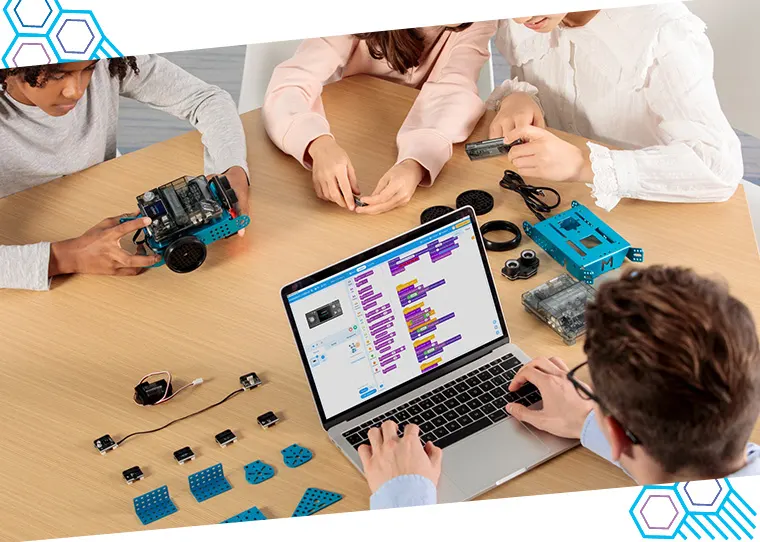
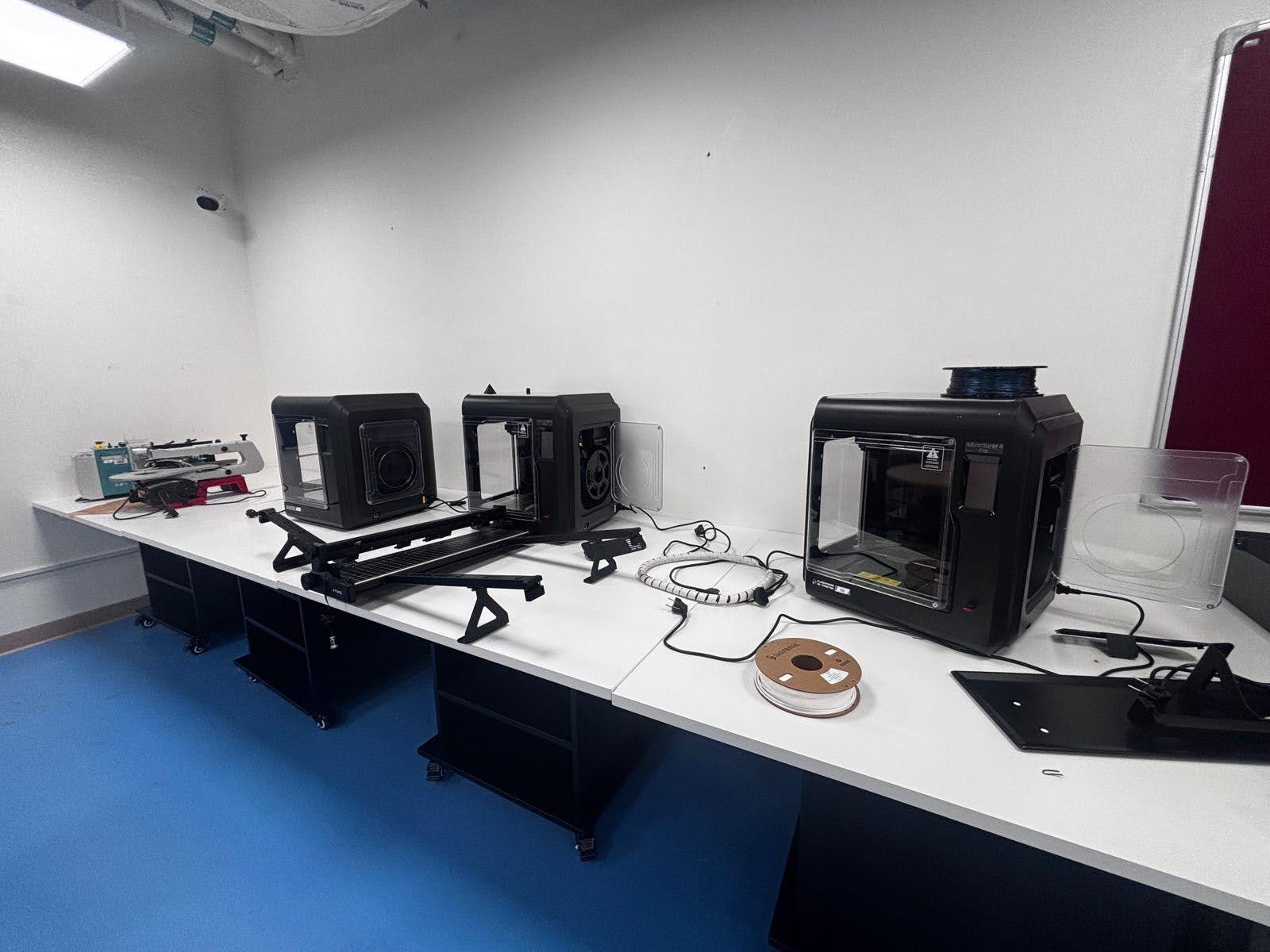
A strong setup for smart-city, energy, agriculture and industry courses combines connected trainers, modular sensors, gateways and a shared monitoring dashboard. Students can move from a practical experiment to a system-level view, such as monitoring building energy use or soil conditions. For institutions evaluating the Best IoT Lab Setup for Universities in Oman, the priority is to align each component with course outcomes and regional project needs, with expert integration support available from Ednex LLC.
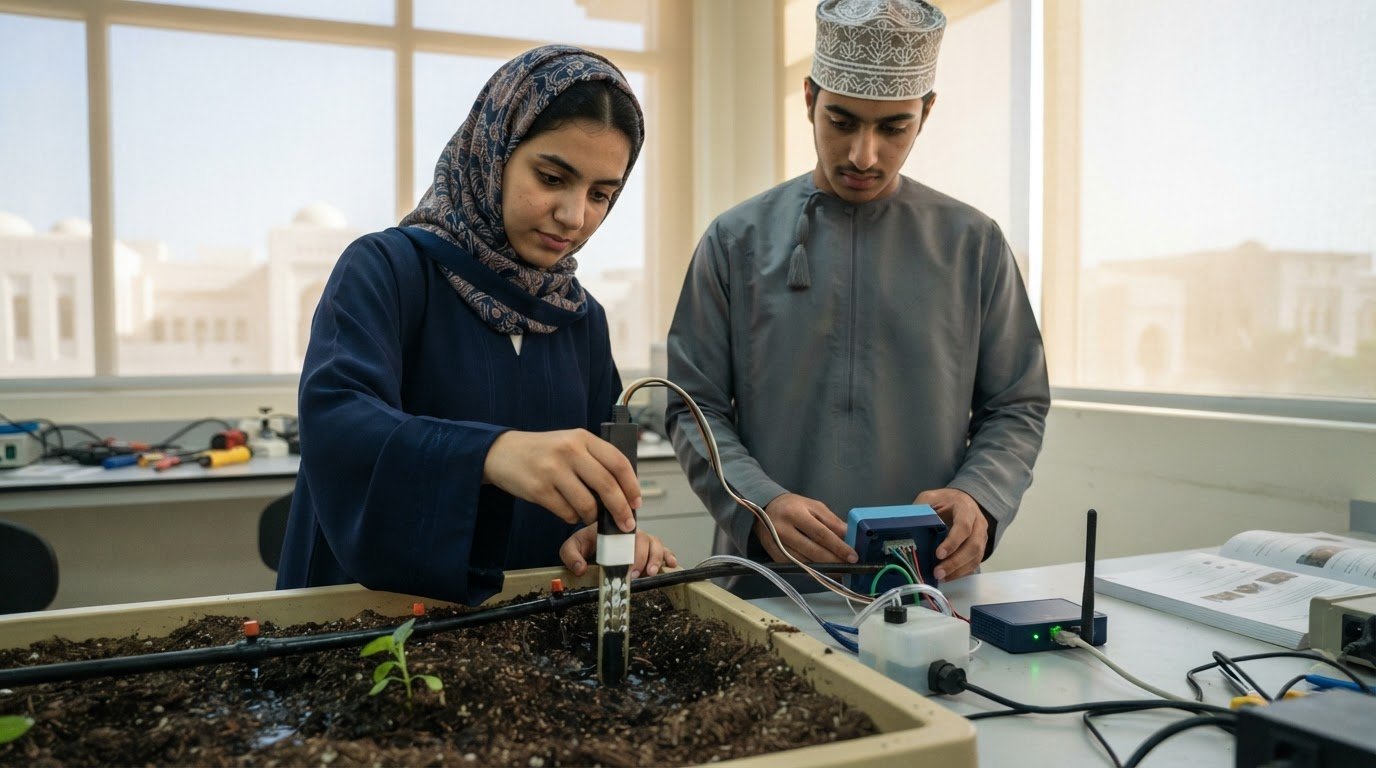
For smart-building and industrial monitoring, trainers can show how temperature, energy use, motion, equipment status and process variables become useful operational data. A student project might track room conditions, display readings and trigger an alert when a selected threshold is reached. Students could also model energy monitoring for a campus facility or irrigation control for agriculture, then interpret the data and assess the system’s response.
Smart lab monitoring lets instructors view equipment status and sensor readings on dashboards, while alerts flag events that need attention. For smart-home projects, students can connect environmental sensors to a controller and test how the system responds to changing conditions. A useful course sequence moves from reading data to setting a response and evaluating the result. This makes the Best IoT Lab Setup for Universities in Oman a practical planning question: which projects, equipment and learning outcomes should the lab support?
The lab cost depends on project scope and is provided after a quote request; trainer quantities, sensor selection, gateways, software, installation and room preparation shape the quote. To evaluate suppliers, institutions can assess how proposed equipment maps to course outcomes, integrates as a system and supports hands-on learning. Providers should plan workspace, equipment handling, network separation and device management together. The European Commission notes that low-end sensors and devices are often released with little attention to cybersecurity, making secure configuration and clear oversight important planning considerations.
Real-time data collection and analysis
A useful university workflow turns device readings into evidence students can interpret. A sensor produces a value, which is timestamped and sent for processing. The system can organize incoming records by device, project or measurement type. Students can compare readings over time, spot missing data and distinguish an unusual result from a wider trend. This makes the path from physical experiment to analytical conclusion visible, rather than treating the dashboard as the learning outcome.
Data ingestion is the bridge between connected devices and analysis tools. A lab design should map how readings travel through gateways, where they are stored, and which applications use them. For example, a project tracking changing room conditions could compare incoming readings with earlier observations. If a device stops reporting, students can examine the gap before drawing conclusions. Clear labels, consistent timestamps and documented data flows help teams understand what each dataset represents and how it reached the analysis stage.
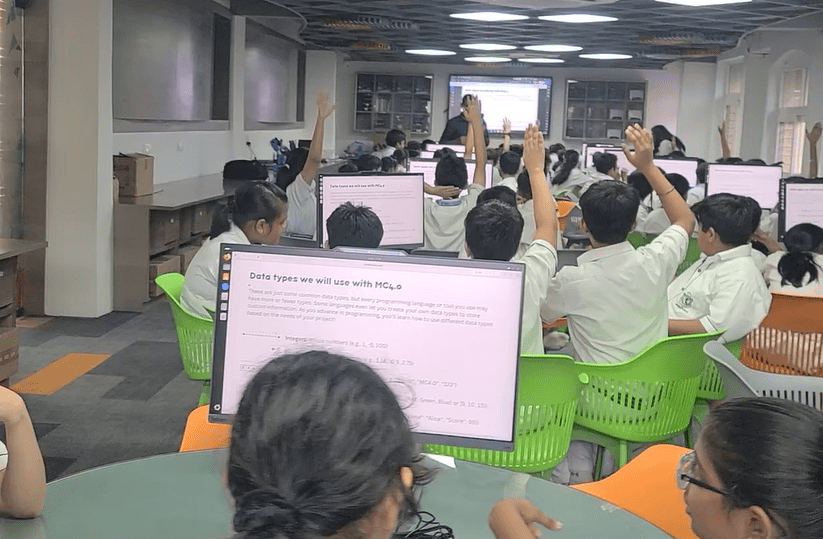
Students gain more than device-management experience. AI and IoT labs can develop skills in machine learning and data analytics through practical work with collected information. A class might organize readings, visualize patterns, test a prediction and explain where its model performs poorly. Instructors can connect each activity to a learning outcome, such as interpreting trends or assessing data quality. Collaborative projects also let students document assumptions and compare interpretations, strengthening the basis for decisions.
For a university, the value of real-time analysis depends on usable data and a clear teaching purpose. Lab planning should account for the information each course needs, how devices contribute records, and how students will access and interpret those records. An integrated IoT lab planning approach can align equipment, data workflows and learning activities, so analysis remains connected to practical projects rather than becoming a separate software exercise.
Sensors, gateways, and connectivity
A university lab should connect each sensor’s purpose to its gateway and dashboard. This pathway helps students trace readings from the physical environment to usable information.
IoT Sensors and Dashboards
Choose sensors based on the variable a project needs to observe. Temperature sensors suit room-condition studies, while motion sensors can support occupancy or equipment-activity projects. A dashboard should show readings with clear labels, timestamps and device status, so students can interpret values rather than view unexplained figures. In a building-monitoring exercise, students could compare temperature readings across locations and examine how conditions change during the project. The setup should make each sensor’s role and displayed measurement easy to understand.
Gateway and Connectivity Options
A gateway carries readings between connected sensors and the wider lab system. Its placement and network connection affect whether devices can communicate reliably across the intended workspace. Planning should account for the distance between sensors, physical barriers, data volume and whether devices move between project areas. A fixed equipment monitor, for example, has different placement needs from a mobile demonstration device. Map these requirements before configuring the gateway and dashboard so the connectivity fits the teaching environment.
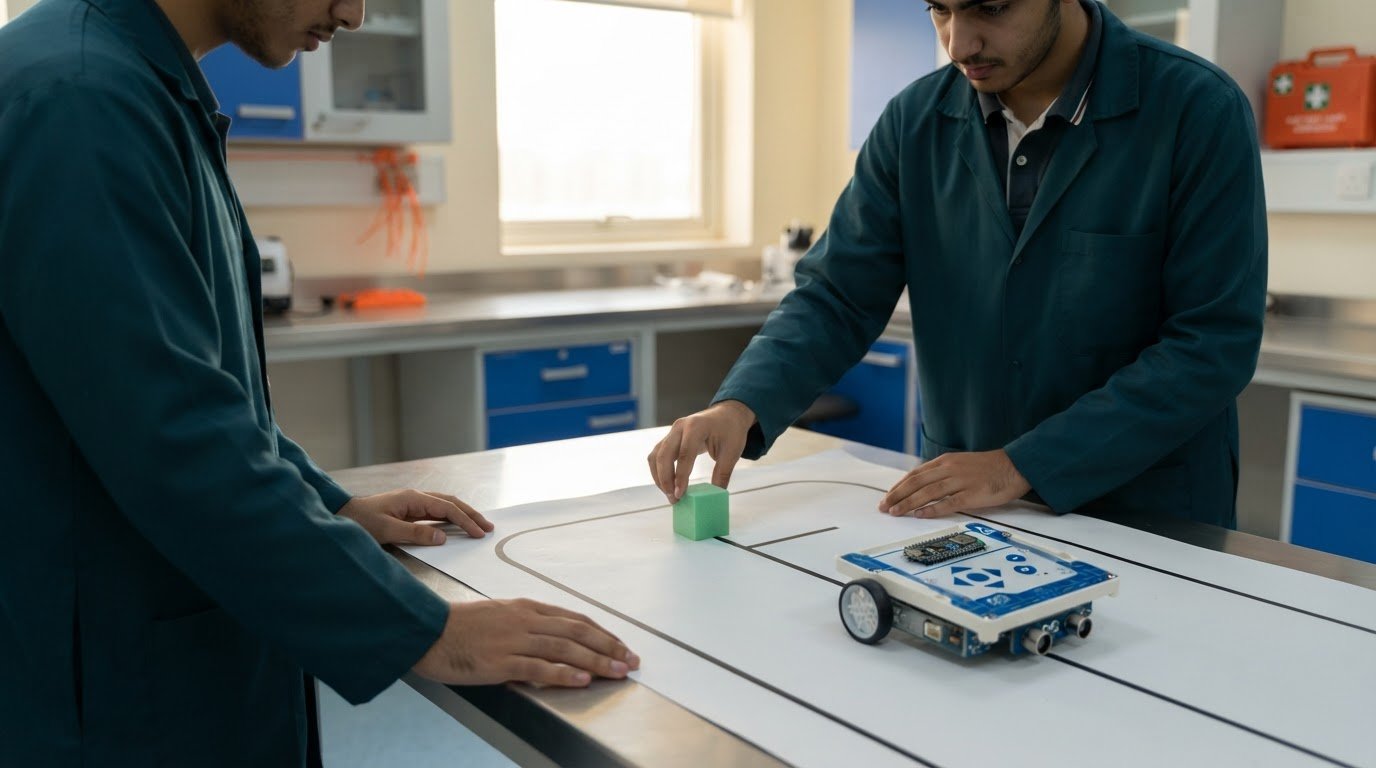
Warehouse projects give students a practical setting for combining sensor types. Temperature readings can illustrate environmental monitoring, while motion sensors can track activity around equipment. Equipment-status data can show how operational information appears on a dashboard. Students can follow a complete path: identify the variable, select a suitable sensor, connect it through a gateway and interpret its reading. This sequence helps reveal where data becomes unclear or stops flowing. For university planning, sensor quantities and locations should reflect course activities, warehouse layouts and the dashboards students will use. A connected setup can support comparisons between individual readings and broader patterns while keeping each reading’s source clear.
Omani education-sector requirements
University IoT labs in the UAE should connect educational goals, research priorities and institutional data governance. The design should reflect the university’s academic strategy, procurement processes, information-security policies and intended teaching applications.
For IoT devices, wireless frequencies and student data, institutions should align deployment decisions with applicable UAE requirements and their own governance procedures. Assign responsibility for device access, network use, collected information and research-data handling before commissioning equipment. Research data may have intellectual-property implications, so define who can access datasets, where they are managed and how project teams handle sensitive material. The institution’s cybersecurity and research policies should guide these decisions.
Implementation should begin by mapping course outcomes, research needs and institutional requirements. These can then be translated into a lab design covering equipment, room layout, connectivity, device management and data access. Identify which university teams oversee the network and research information. Before handover, commissioning can test device connections, dashboards and learning workflows, while staff orientation explains how the setup supports teaching and research.
Funding proposals can link a lab investment to defined teaching outcomes, research objectives and planned student projects. Universities can assess internal budget cycles and research collaborations as potential routes, then match each proposal to funder priorities and eligibility criteria. A phased plan can distinguish essential teaching equipment from later research capabilities, giving decision-makers a clear view of the proposed scope.
A strong university plan links education priorities with technical design and responsible research-data practices. Align stakeholders early, document intended learning and research uses, and define who manages devices and information. To develop a lab plan around higher-education needs, discuss an educational lab setup.
Ednex
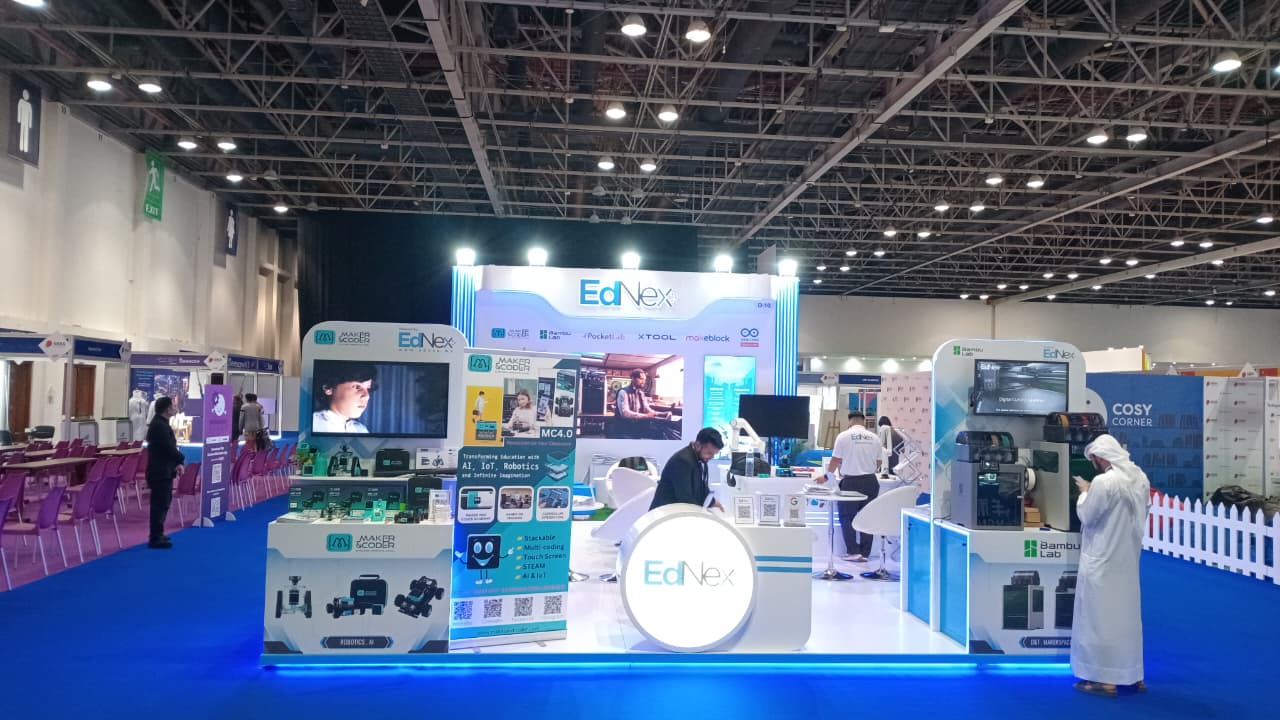
Ednex helps universities shape practical learning environments around their educational goals, connecting equipment planning with the skills students need to develop. For an IoT-focused programme, this means considering how projects, teaching activities and hands-on resources work together, rather than treating equipment as a standalone purchase.
Ednex offers STEAM Programs, Arduino Education, Future Science Lab Setup, and Robotics and Coding for schools. These offerings can support broader institutional priorities, from foundational technology learning to practical, project-based exploration. Ednex can help universities turn lab requirements into a coherent educational plan.
Contact Ednex to discuss your university’s learning and lab requirements.
Shape the Next Generation of Connected Learning
A university IoT lab can provide a foundation for learning that evolves with research priorities and student ambitions. The best IoT lab setup for universities in Oman is not simply a collection of devices; it is a learning environment where students can turn ideas into considered experiments and practical projects. Start by aligning the lab vision with the institution’s future educational goals.
Ednex supports educational programmes through STEAM Programs, Robotics and Coding for schools, and Arduino Education. These offerings can help institutions build connected learning experiences around practical exploration and technology skills as part of broader lab plans.
Whether your university is shaping an initial concept or advancing an established programme, a focused conversation can help clarify the next planning step. Contact Ednex about IoT labs and move your vision for connected learning forward.
Frequently Asked Questions
What equipment is needed for a university IoT lab in Oman?
A university IoT lab needs programmable controller kits, sensor modules, gateways, network equipment, data-display tools and suitable workstations. Add test equipment and practical components that match course activities, such as a small motor for studying control or environmental sensors for a building-monitoring project. Sultan Qaboos University’s IoT Laboratory includes Raspberry-Pi 3 kits, offering a local example of programmable computing in an educational setting.
What is the recommended IoT lab setup for engineering universities?
Engineering universities benefit from a modular setup linking embedded systems, electronics, automation and data analysis. Organize learning around complete engineering challenges: students define a system need, build a prototype, connect its components and assess whether its output meets the intended purpose. For example, a pump-monitoring exercise could combine an operating-status input with a control response and a clear record of test results.
Which IoT platforms, sensors, microcontrollers, and network equipment are best for teaching?
The best choices are those that fit course outcomes and let students trace how a device produces useful information. Compare platforms by their suitability for programming exercises, sensor work, gateway integration and data interpretation. Arduino Education can support practical learning, while Sultan Qaboos University’s IoT Laboratory provides a local example using Raspberry-Pi 3 kits. Choose sensor types and network equipment around the experiments students will undertake.
What Oman regulations apply to IoT devices, wireless frequencies, and student data?
Universities should align IoT devices, wireless frequencies and student-data handling with applicable Omani requirements and institutional governance. The Ministry of Higher Education, Research and Innovation, MTCIT, and the Education Authority for K-12 shape education-sector buyer requirements; institutions should also set responsibilities for device access, networks and research-data protection.
How can universities in Oman source IoT lab equipment and find local suppliers?
Assess providers by how well their proposed equipment maps to course outcomes, integrates as a system and supports hands-on learning. Ask for a plan connecting equipment, room layout, connectivity, device management and data access to the university’s needs.
What grants or funding are available for university IoT labs in Oman?
Universities can link funding proposals to defined teaching outcomes, research objectives and planned student projects. Assess internal budget cycles and research collaborations, then match each proposal to funder priorities and eligibility.
Related Posts ...

Comments are disabled