



Technical Education Solutions for Schools and Coding Skills
A coding lesson becomes meaningful when students use technology to think, test ideas and solve problems, rather than simply follow instructions. In the UAE, well-designed technical education solutions for schools connect digital skills with practical projects, helping learners build understanding as they create.
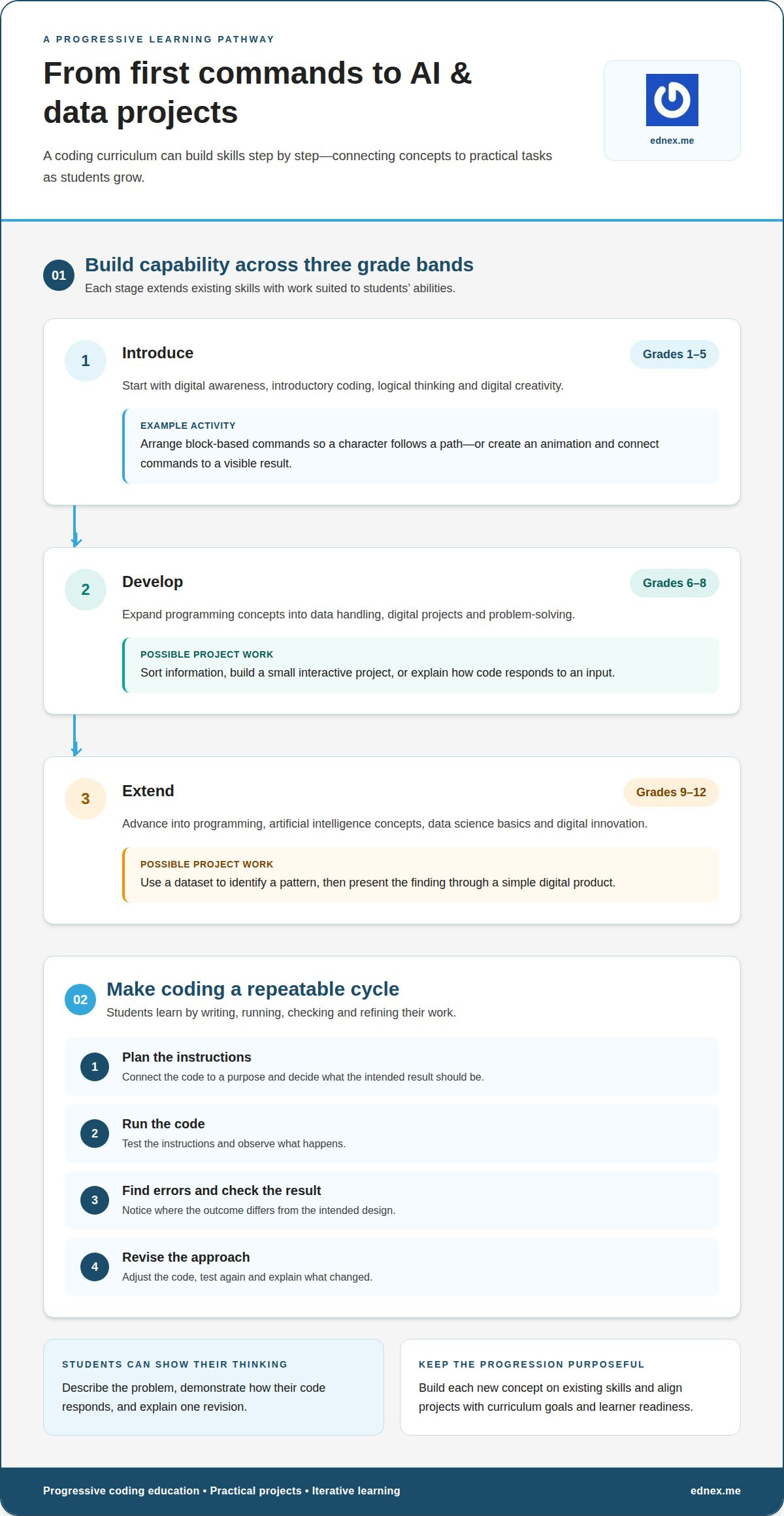
Schools already recognize the value of preparing students for a technology-rich future. The opportunity is to make that preparation progressive: an ICT framework can introduce digital awareness and coding in Grades 1-5, develop programming and problem-solving in Grades 6-8, then extend into advanced programming and AI concepts in Grades 9-12. Coding is not just a subject; it can become a way to explore ideas across learning.
This article explains how smart education, coding instruction and computational thinking can support learning in K-12 schools, higher education and training institutions. It also outlines the classroom tools, practical experiences and educator support that help turn technology into purposeful learning, and how STEAM programs, robotics and coding, and specialist labs can contribute to that journey.
Key Takeaways
- Shape smart learning around clear educational goals, with digital platforms, teacher development and responsible use of AI working together.
- Turn coding into practical learning through projects that build skills progressively and connect concepts to real tasks.
- Use computational thinking to help students break down challenges, identify patterns and refine solutions through testing.
- Explore how robotics, STEAM programs and Arduino Education can bring hands-on technical learning into school and after-school settings.
Smart education for higher education, K-12 schools, and training institutions
Smart education brings teaching, digital platforms and practical learning together. For UAE institutions, clear learning objectives help align technology with classroom needs and scientific research.
Platform and Provider Selection
Choose a platform that supports learning goals, collaboration and administrative controls. UAE schools can use cloud platforms to store and access resources and collaborate, with centralized controls for users and devices. Education technology platforms and specialist learning environments serve different needs, so compare each option with curriculum objectives, teacher skills and data-handling requirements. Review where student data is stored and whether third parties can access it. Track usage, time saved and feedback from learners and staff to assess how well the platform is working.
Curriculum Standards and Regulations
Build the ICT curriculum around school objectives and applicable education standards. Since requirements depend on each institution and its educational framework, avoid assuming that one technical syllabus suits every UAE school. The Advanced Science Program prepares national cadres for undergraduate and postgraduate study, including early scientific research with higher education institutions. It shows how schools can connect foundational learning with research pathways. Align lesson outcomes, assessment and teaching resources before selecting digital content.
Lab Equipment and Software
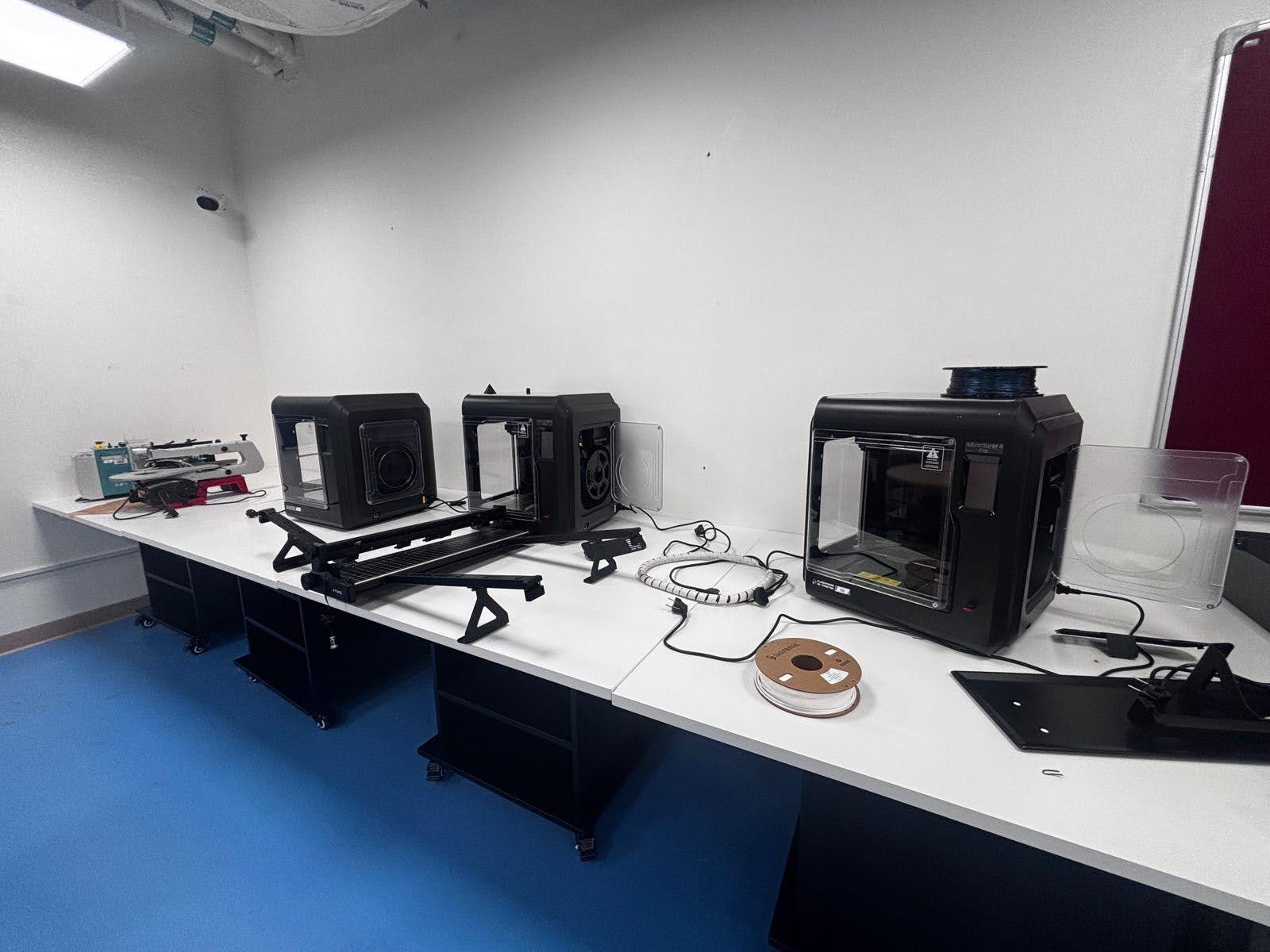
Match equipment to the practical work students will do. A coding activity may need computers and suitable coding tools; robotics projects also require compatible robotics kits. A smart classroom needs reliable Wi-Fi designed for high-density use, while cloud platforms support access and collaboration. Choose software that fits the curriculum, helps manage student activity and organizes assignments as structured data. For research and advanced learning, digital resources should support collaboration between students and higher education institutions.
Program Setup and Teacher Support
Set up a program by defining learning goals, selecting an aligned ICT curriculum, choosing platforms and equipment, and preparing teachers before classroom use. Pilot the program in one department or year group, then review usage, time savings and qualitative feedback before expanding it. Educators need training in platform features and classroom applications, followed by ongoing professional development rather than a single session. Protect student privacy by reviewing data storage and third-party access. Keep human oversight of AI decisions that significantly affect students, and test tools for bias to support fair learning.
Coding and programming education
A strong coding curriculum goes beyond memorizing commands. Students write instructions, run them, find errors and revise their approach. This cycle makes programming visible as a process of planning and testing. For example, a student might create a simple animation, then adjust its sequence when the result differs from the intended design. Each task connects code to a purpose.
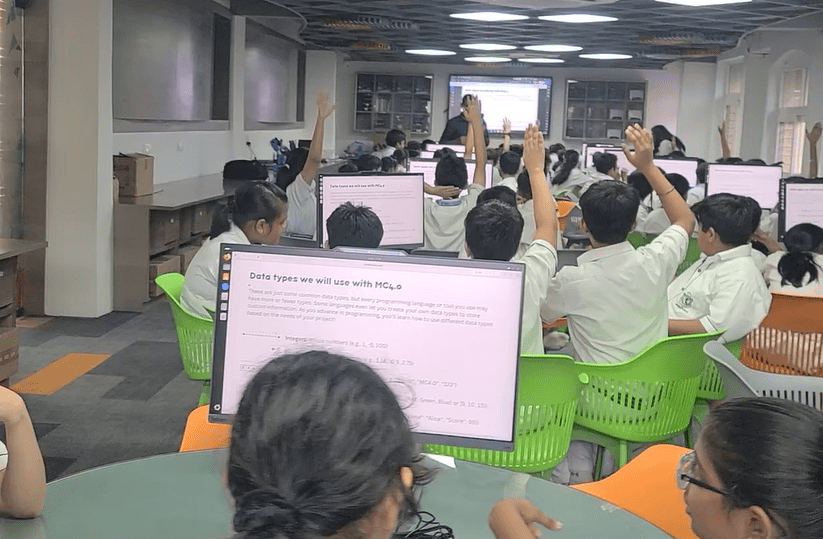
Learning can progress by age and readiness. In Grades 1-5, students can develop digital awareness, introductory coding, logical thinking and digital creativity. A block-based activity might ask them to arrange commands so a character follows a path. In Grades 6-8, programming concepts can expand into data handling, digital projects and problem-solving. Students might sort information, build a small interactive project or explain how their code handles an input.
For Grades 9-12, the suggested framework advances to programming, artificial intelligence concepts, data science basics and digital innovation. A project could use a dataset to identify a pattern, then present the finding through a simple digital product. Progression matters: each new concept should build on existing skills and suit students’ abilities. This structure helps teachers enable deeper work without treating every learner as if they started at the same point.
- Introduce: connect commands to a visible result, such as a moving character.
- Develop: use projects to combine logic, data and debugging.
- Extend: invite older students to apply programming to an AI or data challenge.
Project-based teaching also gives students a way to show their thinking. Ask them to describe the problem, demonstrate how their code responds and explain one revision. Digital platforms can support sharing and feedback, while a clear implementation plan keeps activities aligned with curriculum goals. Coding can turn passive screen use into purposeful creation. The aim is not just to finish a task, but to practise skills students can apply to new challenges.
Well-designed technical education solutions for schools connect coding lessons with curriculum priorities and learners’ needs. Schools can make technical education more purposeful by progressing from introductory activities to applied projects, giving students a clear path to develop their skills.
Computational thinking and problem-solving
Computational thinking helps students turn a complex challenge into manageable steps. In Grades 6-8, the suggested ICT framework links programming concepts, data handling, digital projects and problem-solving. Students can apply these skills beyond coding. For example, they might plan a school garden, identify its constraints and map a workable layout before testing it.
Classroom activities can follow a repeatable process. Students first define the problem and identify what they need to know. Next, they break the task into smaller parts, notice patterns and decide which details matter. Then they write a sequence of steps, test their solution and improve it when results fall short. This makes progress visible and gives learners a reason to explain each decision.
- Break down the challenge: For a garden plan, separate sunlight, space, water and plant needs.
- Find patterns: Compare which areas receive sunlight and how that affects placement.
- Design and test: Create a layout, check it against the constraints, then revise it.
Data offers students another way to practise problem-solving. A class can organize observations in a table, compare categories and use the results to support a recommendation. The key learning experience is not simply reaching an answer. Students should show how evidence shaped their decisions and where they changed direction.
Teachers can assess the process through project records, explanations and completed digital work. Look for clear problem statements, logical steps, relevant evidence and thoughtful revisions. These indicators help educational institutions distinguish confident reasoning from a solution that works only by chance. They also show where instruction should go next, such as improving data organization or strengthening testing methods.
Across UAE schools, this approach connects digital learning with everyday challenges. Structured tasks give students practice transferring strategies between subjects, while collaborative review lets classmates examine different solutions. Success means learners can explain their reasoning, learn from an unsuccessful test and apply their method to a new challenge. That is computational thinking in action.
What technical education solutions are available for schools?
Schools can combine curriculum resources, digital platforms, coding tools, robotics kits, teacher development and project-based learning. The right mix depends on learning goals, students’ readiness and available classroom infrastructure. Each component should support a clear activity, from writing code to testing a designed solution.
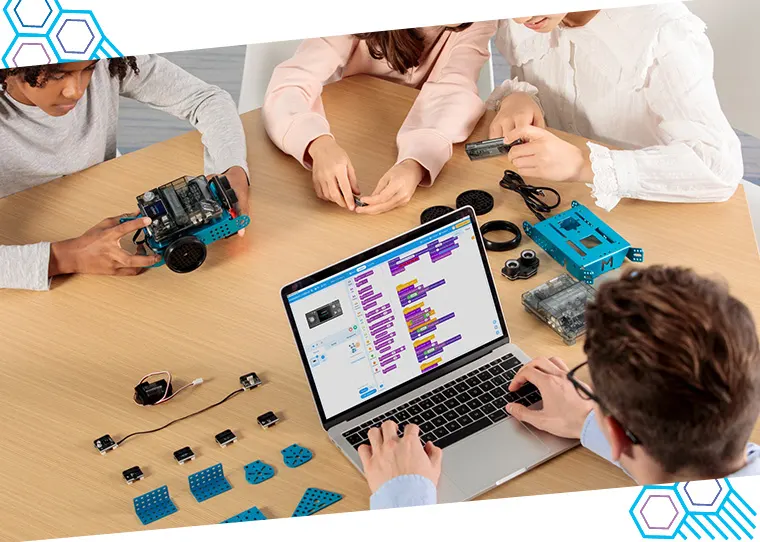
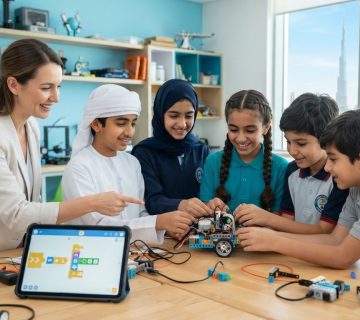
Digital platforms organize learning materials, assignments and student work. Coding tools let learners build programs and practise debugging. Robotics kits connect software with physical movement: students can program a device to follow a route, then revise the instructions if it veers off course. These activities make abstract logic observable.
Practical learning can also extend beyond physical equipment. The European Commission describes digital replicas of workshops, machinery and production systems as a way to support practice-based learning in virtual environments. Students can examine how a production process works, explore its stages and discuss decisions before applying concepts in a hands-on task. Virtual and remote labs can also support access to structured experiments.
- Curriculum resources: sequence concepts and activities around intended learning outcomes.
- Coding tools: help students create, test and refine digital projects.
- Robotics kits: connect programming with movement, design and iteration.
- Virtual environments: represent workshops or production systems for guided exploration.
- Teacher development: equips educators to lead activities and support student progress.
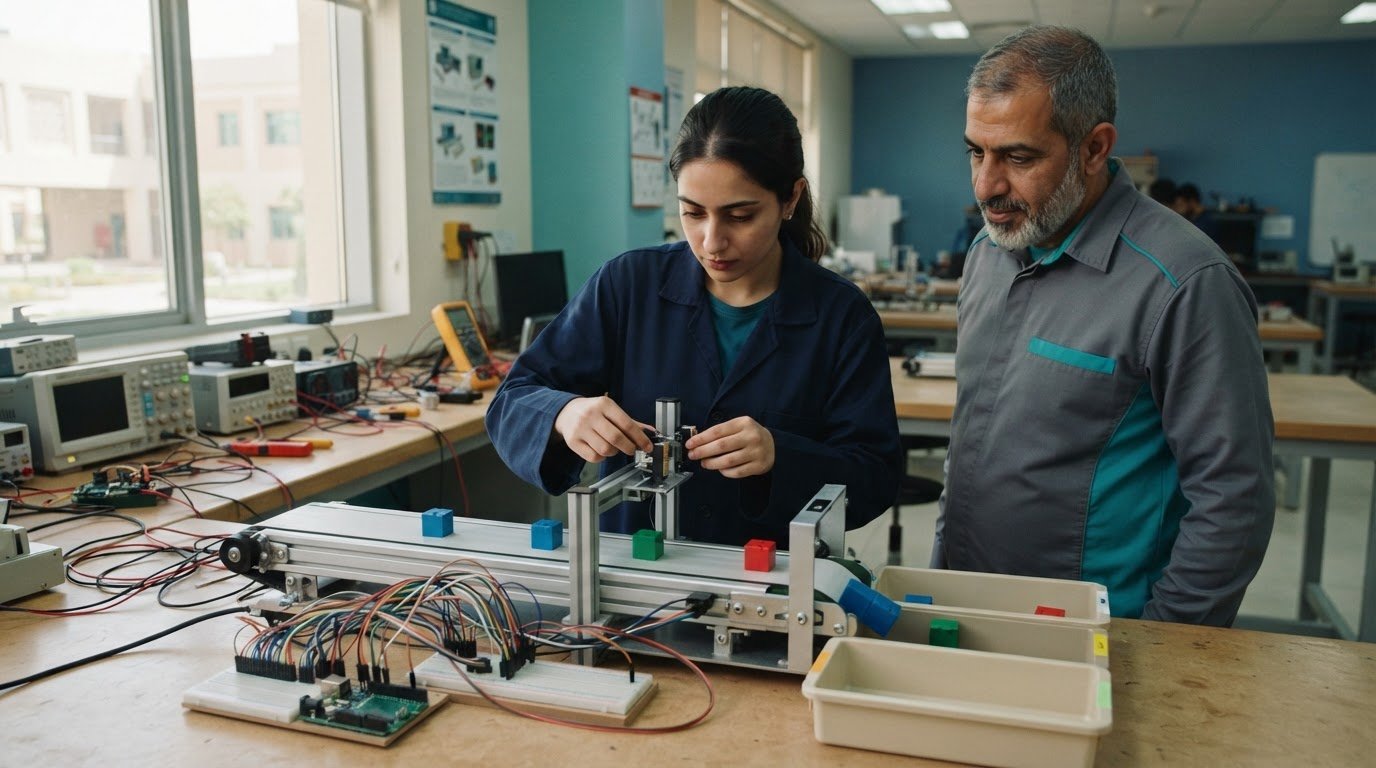
Implementation works best as a connected plan. Map each learning objective to a lesson, tool and student task. For example, a unit on automation could introduce a process digitally, ask students to code a simple sequence, then review how their instructions affect the outcome. Teacher guidance links each activity to the intended skills. Review student work and classroom feedback to refine the sequence before expanding it.
For a UAE school, technical education solutions for schools should match curriculum priorities and practical teaching needs. To explore ways to align technical learning with your school’s goals, explore technical education pathways.
Ednex: Robotics and Coding for schools
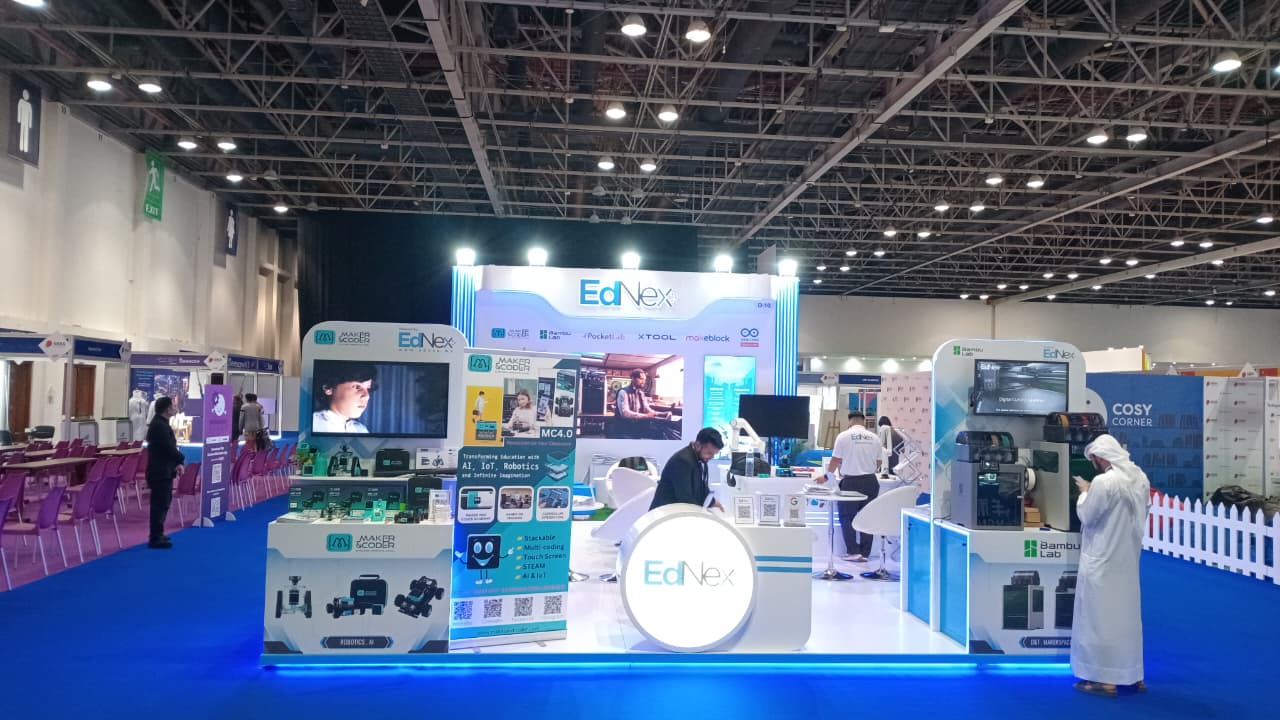
Ednex LLC helps schools turn coding concepts into structured, practical learning. Its Robotics and Coding for schools offering connects programming instruction with robotics activities, giving students opportunities to design, test and refine solutions. Schools can also use STEAM Programs to connect technical concepts with broader, hands-on learning.
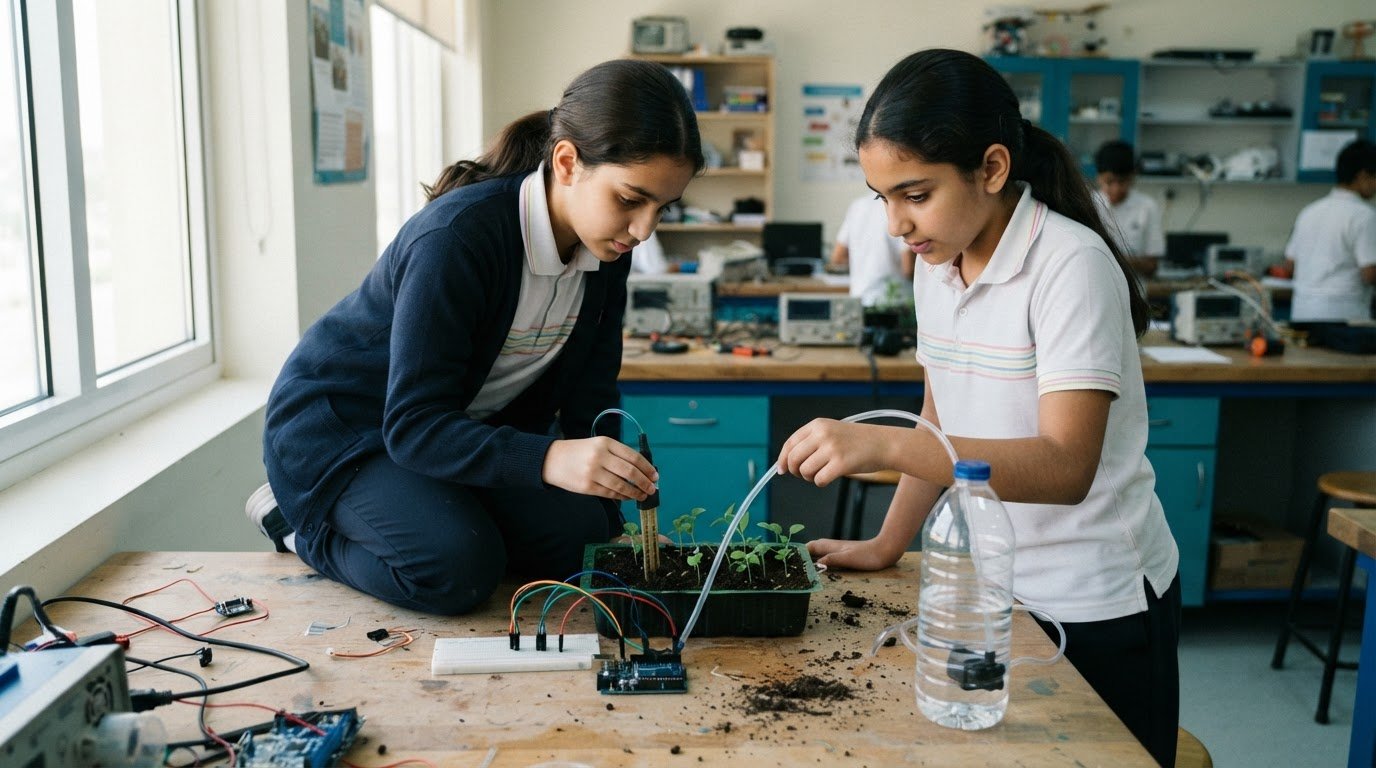
For learning beyond the regular timetable, After-School STEM Programs give students another setting to explore technical interests. Arduino Education supports practical work with programmable electronics and project-based activities. Choose a starting point based on your school’s learning objectives, student age groups and existing curriculum. Ednex LLC programs can help schools build a pathway from introductory coding experiences to more applied projects.
Contact Ednex LLC to discuss robotics and coding learning for your school.
Shape the Next Stage of Learning
The next step is to turn your school’s priorities into a practical direction for technical learning. Consider which skills students should develop, where hands-on experiences can strengthen teaching, and how progress can become visible in their work. A focused plan gives educators a clear basis for shaping future learning experiences.
Ednex offers STEAM Programs, Robotics and Coding for schools, and Arduino Education to support schools developing technical learning pathways. These offerings connect creative exploration, programming and practical projects with educational goals. The right starting point is the one that fits your learners and the direction your institution wants to take.
Build from your priorities, then develop a learning environment where students can create, test ideas and grow their skills. Contact Ednex to discuss your needs and explore a considered next step for your school. The future of meaningful technical learning starts with the choices you make today.
Frequently Asked Questions
Can technology enhance meaningful learning?
Yes. Technology can deepen meaningful learning when students use it to investigate, create and explain rather than passively consume content. For example, a class studying energy could use a digital model to compare how changing a condition affects an outcome, then defend its interpretation in discussion. Teachers can assess both the final work and the reasoning behind it, while keeping human judgment central to decisions affecting learners.
How can schools address infrastructure limits for edtech?
Schools can address infrastructure limits by prioritizing connectivity, access and flexible delivery. WiFi 6 can help older buildings overcome cabling limitations without extensive physical modifications. Schools can also schedule shared equipment for lessons and provide alternatives for families without smartphones when introducing digital systems. Matching each tool to classroom needs helps institutions make practical use of existing infrastructure while planning future improvements.
Which STEM and vocational education programs are suitable for K-12 schools?
Suitable options include STEAM Programs, Robotics and Coding for schools, Arduino Education and Future Science Lab Setup. A school might introduce a design challenge through STEAM, then connect it with focused coding activities. After-School STEM Programs can extend exploration beyond regular lessons. Choose a pathway based on learner readiness, curriculum goals and whether the priority is broad exploration or focused technical practice.
Related Posts ...
Comments are disabled