

Hands-on Learning Labs for K-12: Cultivating the Next Generation of Innovators
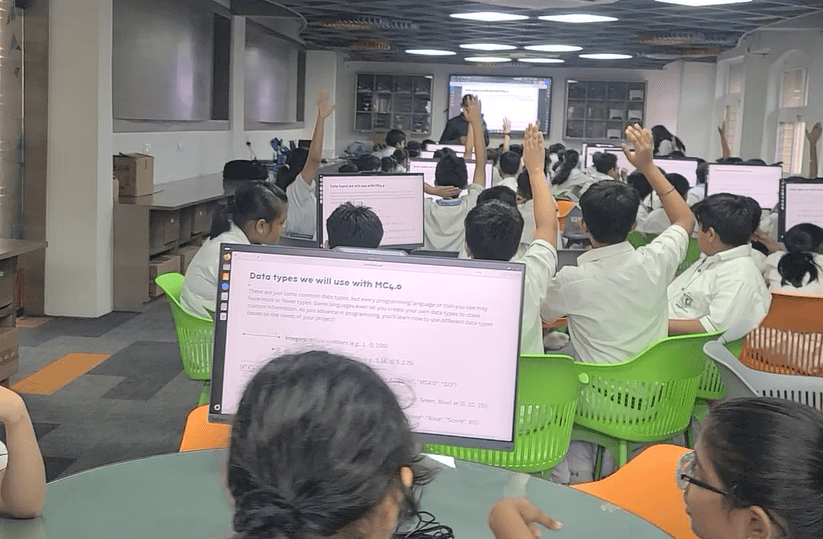
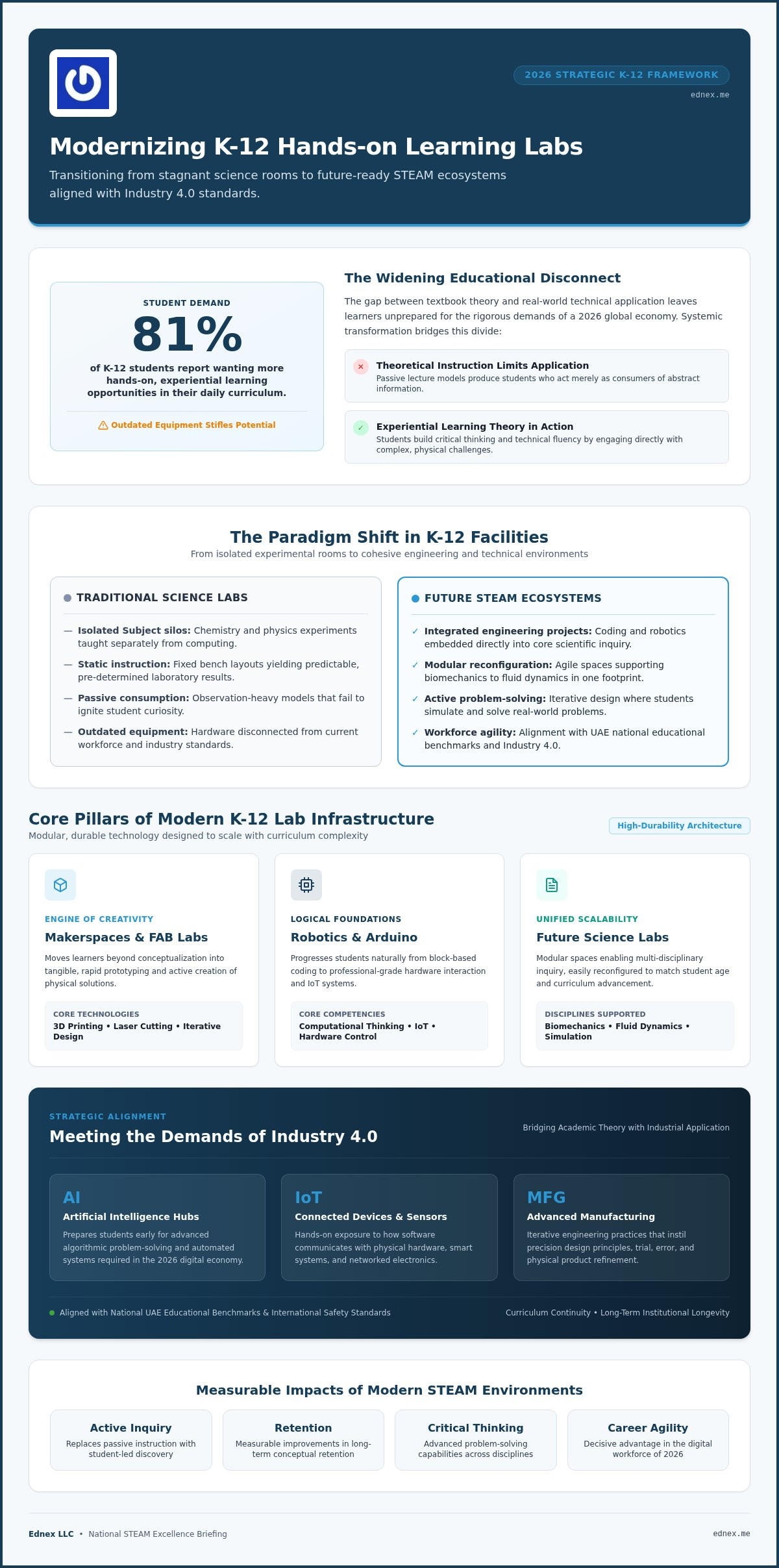
81% of K-12 students report wanting more hands-on, experiential learning opportunities in their daily curriculum, yet many institutions still struggle with outdated equipment that fails to ignite curiosity. You likely recognize that the gap between textbook theory and real world technical application is widening. This disconnect often leaves students unprepared for the rigorous demands of a 2026 global economy. The evolution of educational standards now demands a move beyond traditional lecture models toward systemic, high impact transformation.
This article demonstrates how specialized hands-on learning labs for K-12 transform theoretical instruction into a future-ready STEAM ecosystem. You’ll discover how to transition from stagnant science rooms to dynamic environments like Makerspaces, Robotics hubs, and AI labs. We provide evidence of how these spaces drive student engagement and critical thinking mastery. Finally, we offer a clear roadmap for institutional modernization, ensuring your school remains a leader in technical readiness and innovation. By the end of this exploration, you’ll have the strategic insights needed to bridge the gap between current capabilities and the immense potential of the next generation.
Key Takeaways
- Explore the paradigm shift from isolated science rooms to integrated STEAM ecosystems that prioritize active student inquiry over passive instruction.
- Identify the core pillars of modern lab design, including the strategic selection of modular technologies that evolve alongside institutional curriculum requirements.
- Gain a clear understanding of how hands-on learning labs for K-12 drive measurable improvements in long-term retention and advanced problem-solving capabilities.
- Follow a structured, phased roadmap for laboratory modernization that aligns advanced hardware with current national benchmarks and safety standards.
- Recognize the impact of a strategic partnership in developing futuristic Makerspaces and AI labs that prepare students for the complexities of Industry 4.0.
The Evolution of Hands-on Learning Labs for K-12 Education
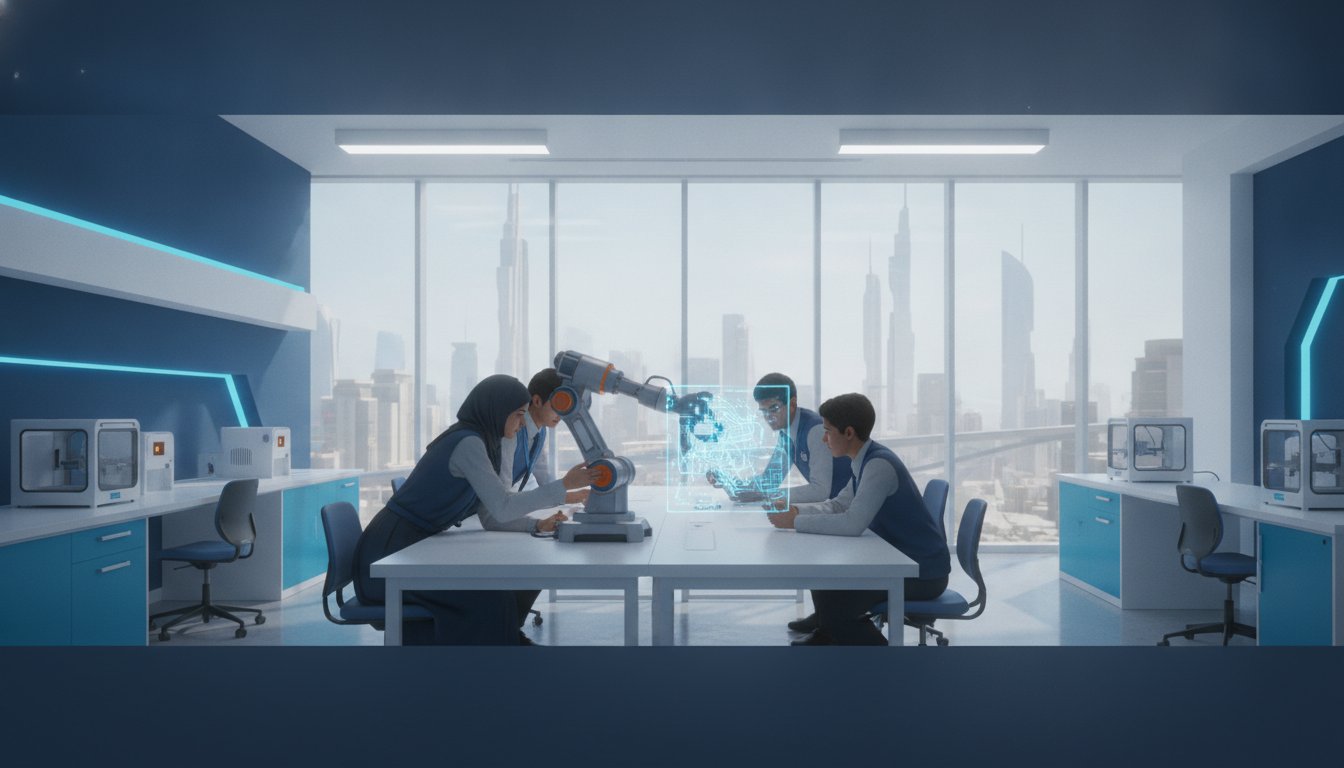
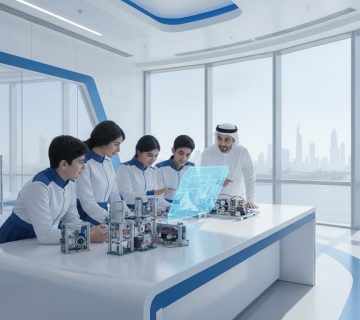
The traditional classroom model is undergoing a radical metamorphosis. For decades, scientific education relied on static instruction and predictable results. By 2026, the global shift toward systemic transformation has rendered these methods obsolete. Modern hands-on learning labs for K-12 are now defined as immersive, multi-disciplinary environments where the boundaries between subjects dissolve. These spaces aren’t merely rooms with tools; they’re strategic hubs designed to foster high-level inquiry and technical fluency.
This evolution is deeply rooted in experiential learning theory, which posits that students develop profound problem solving skills when they engage directly with complex, real world challenges. By moving beyond the abstract, schools can align with national UAE educational benchmarks and international quality standards. This transition ensures that every learner is not just a consumer of information, but a capable architect of the future.
From Science Labs to STEAM Ecosystems
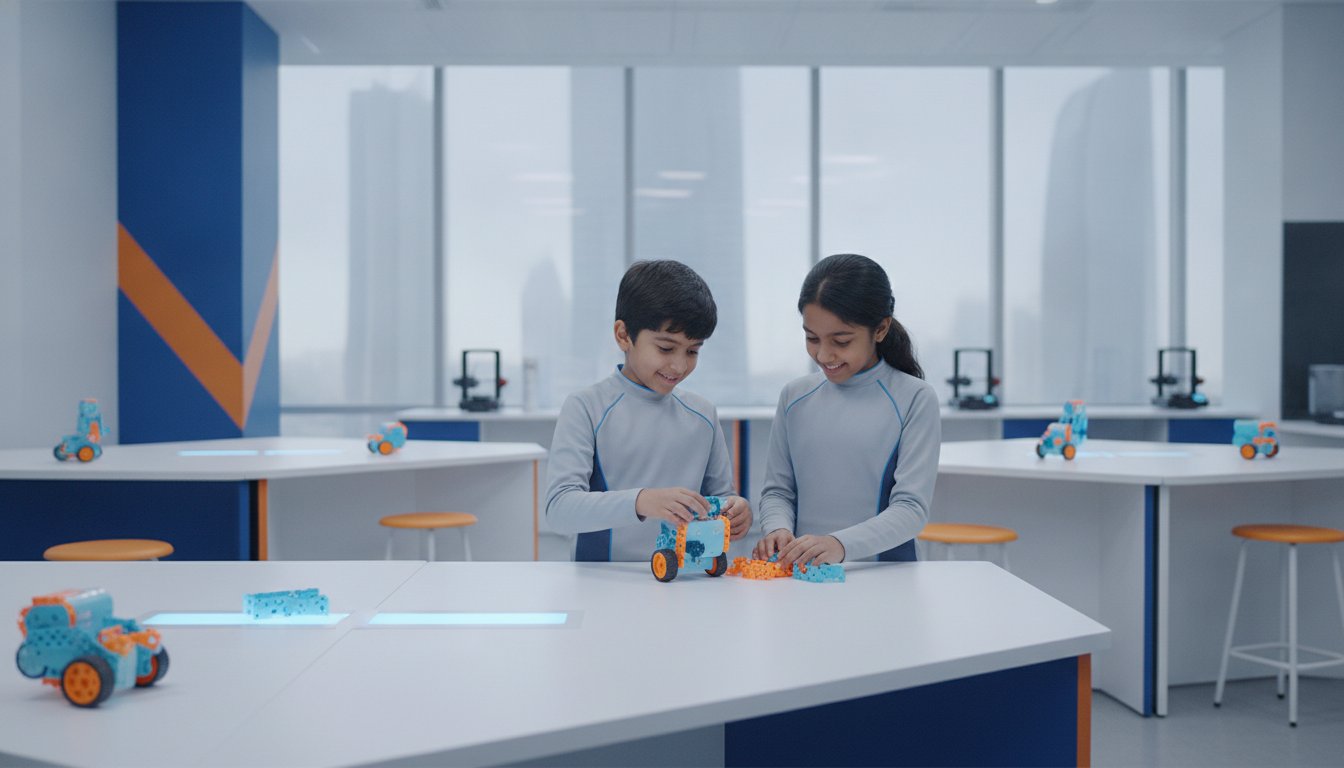
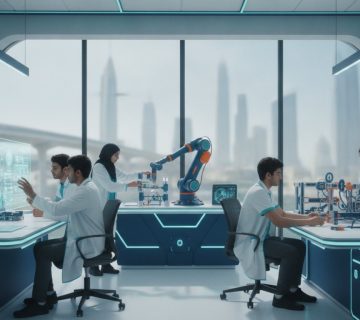
The era of isolated chemistry or physics experiments has concluded. Today, the focus has shifted toward integrated STEAM ecosystems that combine disparate disciplines into cohesive engineering projects. This approach integrates robotics and coding directly into core scientific inquiry, allowing students to simulate and solve environmental or mechanical problems in real time. A Future Science Lab is a modular space for cross-disciplinary innovation. These environments allow for rapid reconfiguration, supporting everything from basic biomechanics to advanced fluid dynamics within a single, unified footprint.
Meeting the Demands of Industry 4.0
As we navigate the complexities of 2026, digital literacy has become the foundational currency of the global market. Early exposure to hands-on learning labs for K-12 provides students with a decisive advantage in understanding Industry 4.0 technologies like AI, IoT, and advanced manufacturing. Learning by doing isn’t just a pedagogical preference; it’s a strategic necessity for career readiness. By aligning K-12 curricula with the technical requirements of the modern workforce, institutions bridge the gap between academic theory and industrial application. This proactive alignment ensures that students graduate with the agility required to thrive in a rapidly evolving digital economy.
Core Pillars of a Future-Ready K-12 Lab Environment
Modern educational infrastructure requires more than just a collection of gadgets. It demands a cohesive architecture where technology serves as a catalyst for logical thinking and systemic growth. Strategic hands-on learning labs for K-12 prioritize modularity and institutional longevity. By selecting high-quality, durable equipment, schools ensure their investment scales with curriculum complexity and student age. This integration of digital and physical tools provides a holistic experience that mirrors real world technical environments, moving beyond simple instruction toward true innovation.
Makerspaces and FAB Labs: The Heart of Innovation
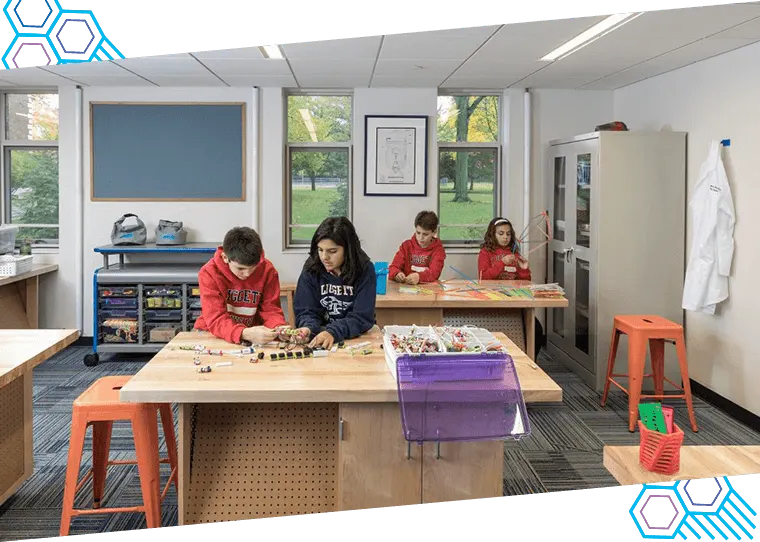
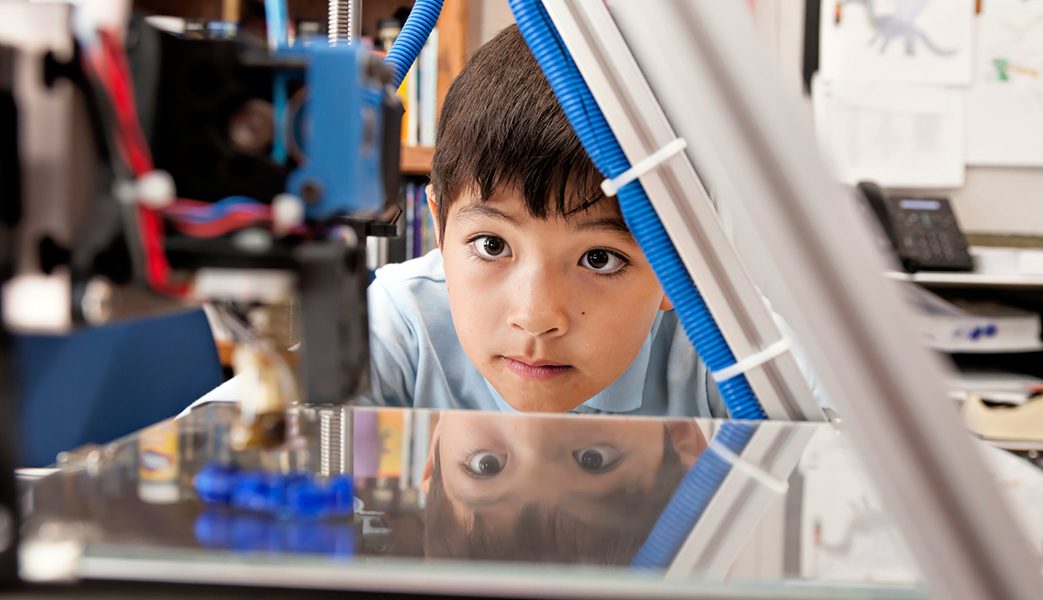
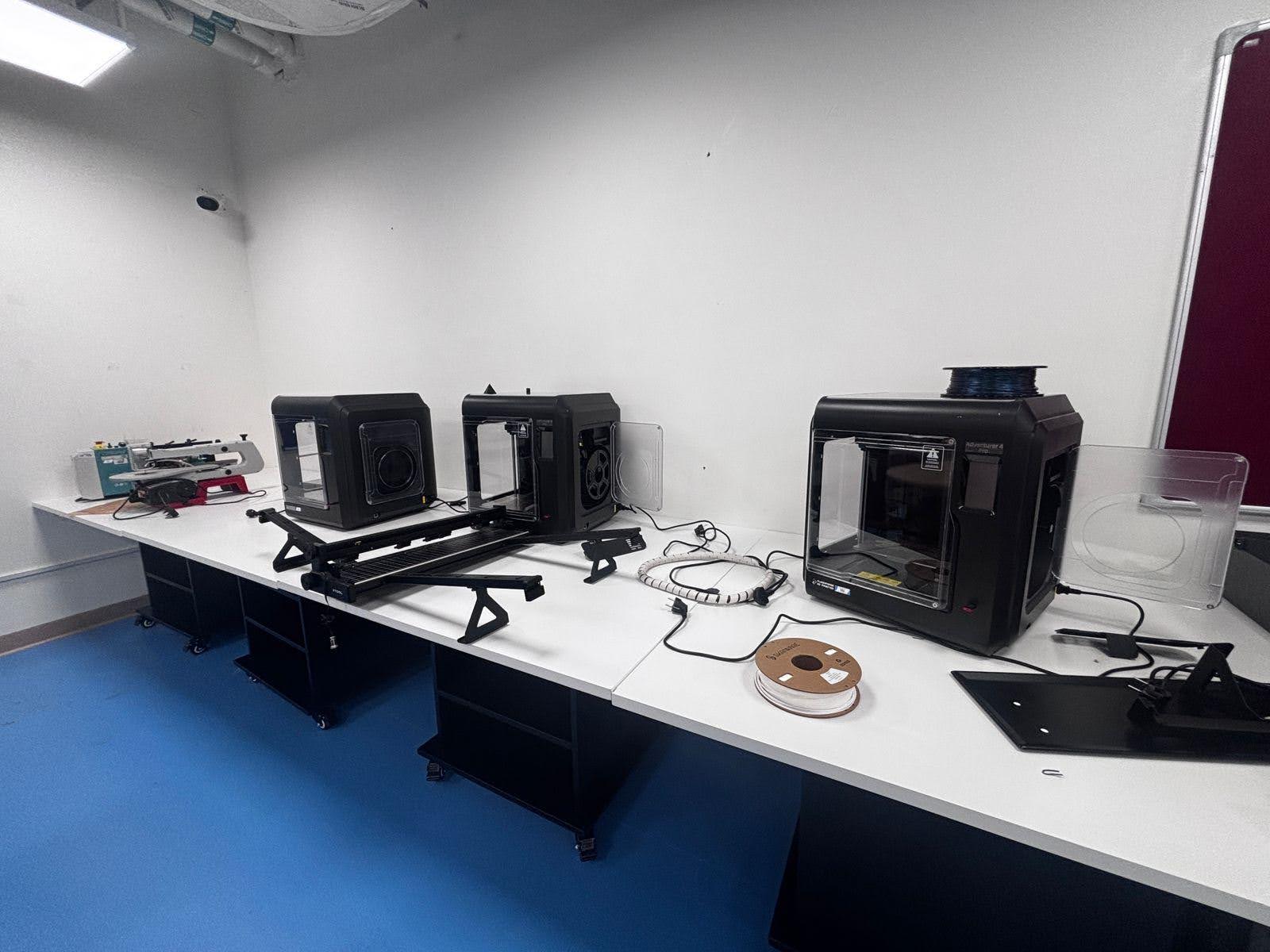
Makerspaces and FAB Labs serve as the primary engine for institutional creativity. These spaces move students beyond abstract conceptualization into the tangible world of rapid prototyping and iterative design. By incorporating 3D printing and laser cutting, schools foster a mindset that values trial, error, and refinement. Implementing effective makerspace design for schools encourages project-based learning where students solve authentic engineering problems. This shift empowers learners to transition from being passive observers to active creators of physical solutions.
Robotics, Coding, and Arduino Education
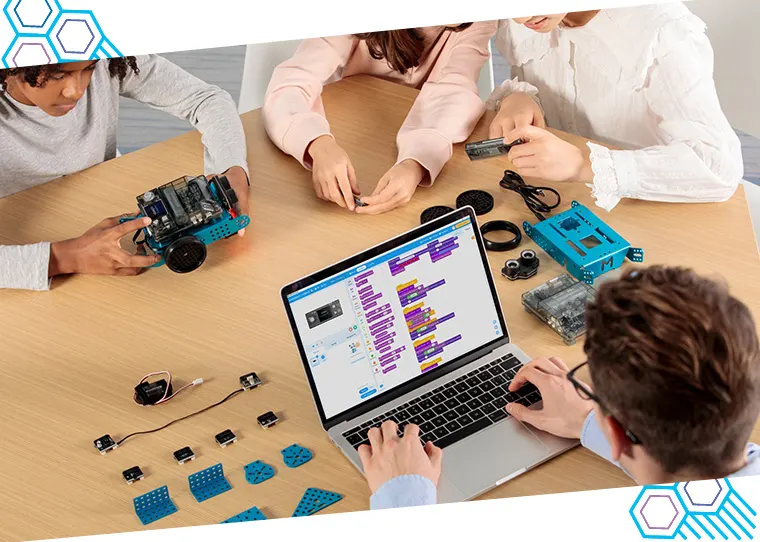
Robotics and coding provide the essential logical foundations for the next generation of technical leaders. Schools that deploy structured robotics and coding programs for schools see a marked increase in computational thinking and collaborative skill sets. Arduino education further bridges this gap by introducing electronics and IoT concepts at a foundational level. Students progress naturally from block-based coding to professional-grade hardware interaction. This sequence ensures a deep understanding of how software controls the physical world, which is a critical competency for the 2026 workforce.
Immersive Technologies: AR and VR Solutions
Immersive technologies like AR and VR allow students to visualize abstract scientific concepts that were previously invisible to the naked eye. Whether exploring the interior of a cellular structure or the stress points of a complex bridge, these tools enhance engagement through curriculum-aligned digital experiences. Advanced hands-on learning labs for K-12 integrate these immersive tools to provide a seamless transition between virtual modeling and physical assembly. This approach aligns with the NSTA’s vision for interdisciplinary STEM teaching and learning, ensuring students are prepared for global workforce challenges. For institutions looking to modernize, partnering with a strategic ally to design these futuristic labs is the first step toward achieving systemic excellence.
The Measurable Impact of Experiential Learning on Student Success
Active participation is the catalyst for profound academic growth. Hands-on learning labs for K-12 don’t just provide tools; they offer a cognitive bridge that turns abstract data into functional knowledge. This shift from passive absorption to active engagement is essential for mastering the complexities of a 2026 technical landscape. By providing a safe space for experimentation, these labs allow students to internalize concepts that are often lost in standard lecture formats.
Cognitive Development and Concept Mastery
Neurobiological research confirms that physical interaction with objects strengthens neural pathways associated with memory and spatial reasoning. This direct engagement closes the persistent gap between knowing a mathematical formula and doing the engineering required to apply it. Students who utilize interactive blended modalities show a statistically significant advantage, generating an effect size of +0.38 on subject mastery and critical thinking skills. Iterative failure within a laboratory setting transforms setbacks into data points, cultivating the psychological resilience necessary for high-stakes innovation. Research supported by the NSF Directorate for STEM Education highlights that such instructional innovations are vital for meeting the rigors of modern global benchmarks.
Soft Skills for the Future Workforce
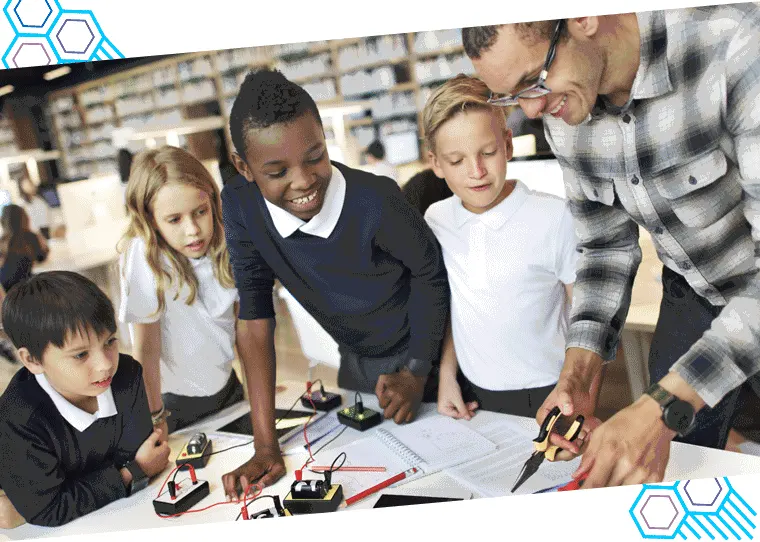
Technical proficiency is only half of the equation for future readiness. Modern lab environments simulate real world professional engineering teams where collaboration is mandatory for project success. By engaging in group lab projects, students develop a design thinking mindset that prioritizes empathy, ideation, and rapid prototyping. These immersive spaces encourage several critical competencies:
- Collaborative engineering: Students must synchronize their efforts to solve multi-faceted mechanical and software challenges.
- Adaptive leadership: Learners take turns guiding teams through high pressure technical scenarios and troubleshooting.
- Critical analysis: Group settings require students to evaluate peer-led initiatives and offer constructive, data-driven feedback.
This comprehensive preparation ensures that learners aren’t merely ready for vocational training or higher education; they’re prepared to lead. Fostering confidence through successful iterative design builds a foundation of technical self-efficacy that lasts a lifetime. As institutions integrate hands-on learning labs for K-12, they move beyond simple instruction toward a model of systemic empowerment that aligns perfectly with the demands of Industry 4.0.
Strategic Implementation: From Concept to Classroom Integration
Transitioning from a theoretical framework to a functional technical space requires a methodical, phased approach. Successful implementation of hands-on learning labs for K-12 isn’t merely an equipment acquisition. It’s a systemic evolution of the school’s instructional DNA. This process begins with a clear alignment of hardware selection with national UAE curriculum requirements to ensure every technical tool serves a specific pedagogical purpose. By prioritizing a well mapped journey, institutions avoid the common pitfall of owning advanced technology that remains underutilized.
Curriculum Alignment and Goal Setting
Defining success begins long before the first 3D printer arrives. Institutions must identify specific learning outcomes and benchmarks for student achievement in robotics and digital literacy. Ensuring integrating STEAM labs into school curriculum is seamless involves mapping lab activities to existing academic standards. This strategic synchronization ensures that time spent in the lab directly supports core subject mastery while building technical fluency. Clear goal setting allows administrators to measure the ROI of their modernization efforts through tangible student growth and skill acquisition.
Empowering Educators through Arduino CTC and Training
Teacher readiness is the single most critical factor in the longevity of any technical program. Educators must feel confident as facilitators of innovation rather than just lecturers. Structured professional development, such as the Arduino CTC (Creative Technologies in the Classroom) modules, provides the necessary institutional readiness to handle professional grade hardware. These programs empower teachers to stay ahead of 2026 tech trends by providing ongoing resources and a community of practice. When teachers are equipped with the right expertise, they transform from simple instructors into strategic guides who can inspire the next generation of engineers.
Sustaining a futuristic learning environment also requires a commitment to long-term maintenance and regular software updates. A lab that isn’t updated quickly becomes a relic of the past. Strategic partners provide the end-to-end support needed to keep hardware functional and curricula relevant. To begin your journey toward technical excellence, you can consult with our team to design a customized lab roadmap that fits your institution’s specific vision. This proactive approach ensures that your school remains a leader in global educational standards for years to come.
Ednex LLC: Vision for National STEAM Excellence
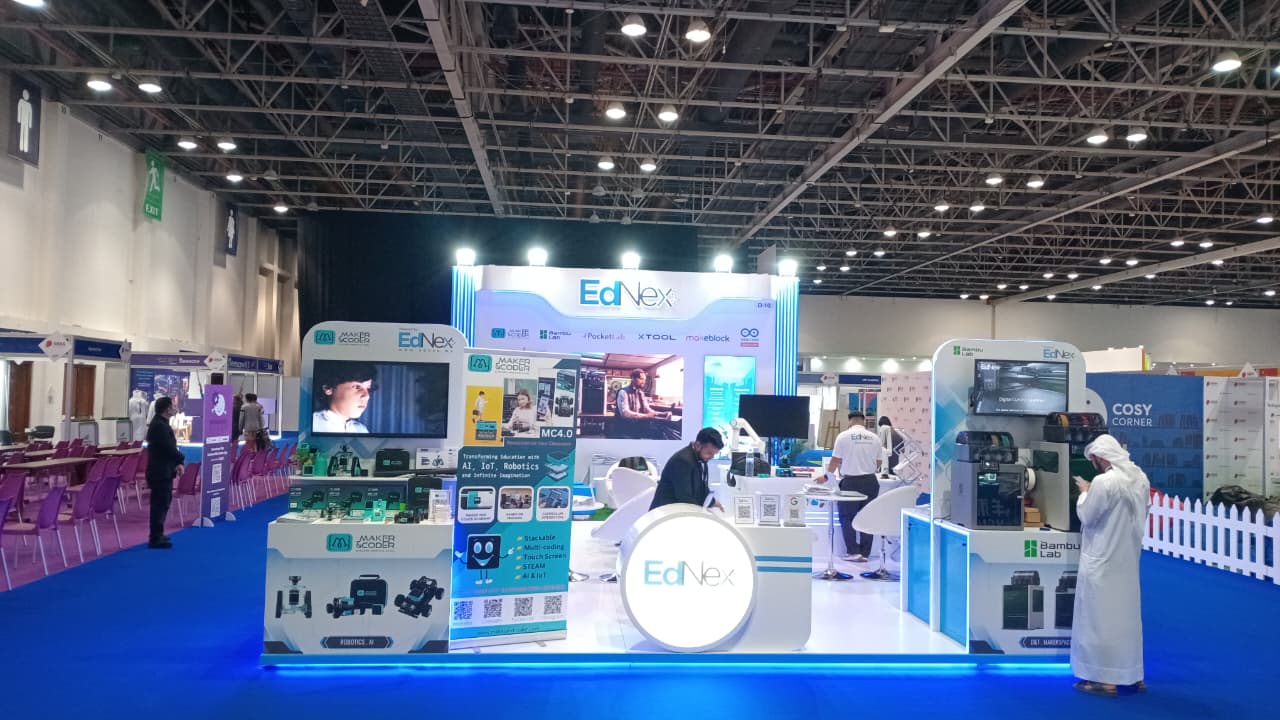
Ednex LLC operates as the definitive bridge between traditional educational frameworks and the high-stakes demands of a 2026 global economy. Our commitment to developing high-impact hands-on learning labs for K-12 is driven by a deep understanding of systemic transformation. We don’t just supply equipment; we architect progress. By positioning our institution as a strategic ally, we empower schools across the UAE to transcend standard instructional models. This visionary approach ensures that every student is equipped with the readiness and confidence required to lead in an increasingly complex technical world.
Comprehensive Design and Technology Solutions
Our methodology is rooted in providing end-to-end service that addresses every facet of laboratory development. We begin with sophisticated architectural design and move seamlessly into precise equipment installation. This holistic process allows us to customize lab setups for specific institutional goals and student demographics. Our portfolio includes advanced Industry 4.0 and advanced manufacturing labs that mirror the environments students will encounter in their professional careers. Whether you’re establishing a specialized Robotics Lab setup or a futuristic Design & Technology Lab, our integration ensures that your infrastructure is both scalable and future-ready.
A Strategic Alliance for Future Readiness
Maintaining a leadership position in global educational innovation requires more than just high-tier hardware. It demands a strategic alliance built on growth, readiness, and the continuous evolution of standards. We move beyond the traditional vendor relationship to become a long-term partner in your school’s success. Our globally aligned programs and strategic technological partnerships ensure that UAE schools remain at the forefront of pedagogical advancement. We provide the momentum needed to turn visionary concepts into classroom realities, fostering an environment where innovation is the standard, not the exception.
The journey toward institutional excellence begins with a single, decisive step. By modernizing your infrastructure today, you’re securing the technical future of your students. We invite you to contact our specialists to design a customized roadmap that reflects your institution’s unique vision. Together, we can build a legacy of innovation that resonates on a national scale. Discover our comprehensive STEAM programs for schools and join the ranks of the world’s most forward-thinking educational institutions.
Leading the Evolution of Technical Education
The transition from rote memorization to immersive, technical inquiry is no longer optional; it’s a strategic imperative for institutional excellence in 2026. By integrating hands-on learning labs for K-12, schools bridge the critical gap between academic theory and the technical fluency required by Industry 4.0. You’ve explored how modular makerspaces, robotics hubs, and specialized teacher training modules like Arduino CTC create a sustainable ecosystem for student mastery. This evolution requires a shift from isolated experiments to a cohesive, future-ready environment where students lead their own discovery and innovation.
Success depends on moving beyond transactional equipment purchases toward a comprehensive, visionary roadmap that prioritizes long-term readiness. As a trusted partner for K-12 and Higher Education across the UAE, Ednex provides globally aligned STEAM programs and expert implementation to ensure your students remain at the forefront of global benchmarks. Transform your institution with Ednex STEAM solutions today to begin your journey toward systemic excellence. The future of innovation starts within the walls of your laboratory, and it’s time to build that legacy together.
Frequently Asked Questions
What are the essential components of a modern K-12 hands-on learning lab?
A modern hands-on learning lab for K-12 requires a strategic blend of physical and digital tools designed for scalability. Essential components include rapid prototyping stations with enclosed 3D printers, IoT sensors, and professional-grade microcontrollers. These elements must be supported by modular furniture that facilitates collaborative engineering. By integrating robotics kits and immersive AR/VR solutions, institutions create a high-energy environment that mirrors the complexities of a professional technical workspace.
How do hands-on labs align with the national K-12 curriculum in the UAE?
Hands-on labs align with the UAE national curriculum by providing the practical infrastructure needed to meet rigorous STEAM benchmarks across the country. These environments facilitate the transition from theoretical scientific inquiry to applied technical mastery. By focusing on Industry 4.0 competencies, schools ensure their students are prepared for the nation’s evolving technical workforce. This systemic alignment transforms the classroom into a strategic hub for developing the next generation of innovators and technical leaders.
What is the role of Arduino education in a school lab environment?
Arduino education serves as the foundational bridge between algorithmic thinking and physical hardware interaction. It introduces students to the core concepts of electronics, sensor integration, and the Internet of Things (IoT) through accessible yet professional-grade platforms. Within a school lab, these microcontrollers allow learners to move beyond screen-based coding into the realm of real-world prototyping. This progression builds the technical self-efficacy required for advanced engineering and autonomous system development.
How can schools ensure teachers are prepared to use advanced STEAM lab equipment?
Schools ensure teacher readiness by investing in structured professional development programs such as Arduino CTC training modules. These initiatives transform educators from traditional lecturers into visionary facilitators of technical innovation. Ongoing support and access to integrated curriculum platforms like Ednex STEMNet are vital for institutional success. When teachers possess high-level technical fluency, they can confidently guide students through complex robotics and coding challenges while staying ahead of rapid technological shifts.
Can a hands-on learning lab be integrated into an existing school building?
Integrating a hands-on learning lab for K-12 into an existing school building is entirely feasible through strategic modular design. Modern lab setups utilize flexible furniture and compact, enclosed equipment that can be retrofitted into standard classroom spaces. It’s critical to adhere to safety thresholds, such as the NSTA guideline of 45 to 60 square feet per student, to ensure a secure environment. This adaptive approach allows institutions to modernize their infrastructure without requiring extensive new construction.
What are the long-term benefits of investing in a Makerspace for K-12 students?
Investing in a Makerspace cultivates a design mindset characterized by persistence, iterative thinking, and collaborative problem-solving. Over the long term, students develop a profound sense of technical agency as they move from conceptualization to physical creation. These environments simulate professional engineering teams, fostering the soft skills and logical foundations required for leadership in Industry 4.0. Such spaces serve as an enduring bridge between academic potential and future career success in high-growth technical sectors.
How does AR/VR technology enhance the traditional science lab experience?
AR and VR technology enhance the traditional lab experience by allowing students to visualize abstract scientific phenomena and complex mechanical structures in three dimensions. These immersive tools provide a safe, controlled environment for exploring high-risk scenarios or microscopic biological systems that are otherwise inaccessible. By integrating virtual and remote labs, schools expand the boundaries of the classroom. This digital layer adds depth to physical experiments, ensuring a more comprehensive and engaging inquiry-driven learning journey.
What support does Ednex LLC provide after the installation of a learning lab?
Ednex LLC provides a comprehensive post-installation ecosystem designed to ensure the long-term sustainability of your technical labs. This includes methodical hardware maintenance, regular software updates, and continuous teacher certification programs to keep pace with evolving standards. We act as a strategic ally, offering integrated curricula and pedagogical support through our STEMNet platform. Our commitment to institutional success ensures that your futuristic learning environment remains at the forefront of global educational benchmarks.
Related Posts ...
Comments are disabled