


Best STEM Education Solutions in UAE
A robotics project becomes meaningful STEM when learners connect the science behind its movement with the technology, engineering and mathematics that make it work. STEM education solutions in the UAE bring these disciplines together through practical learning, helping students apply concepts rather than encounter them only as separate subjects. Coding, robotics and digital creation can turn ideas into experiments, designs and working projects.
This integrated approach serves a wider goal: helping learners think critically, collaborate and adapt as technology reshapes future careers. The value is not in adding devices to a classroom, but in giving students purposeful ways to explore problems, test solutions and learn from the results.
This article explains what STEM education involves in the UAE, how ICT, coding, robotics and digital creation support learning, and which skills students can develop through these experiences. It also explores how programs and specialist learning environments connect classroom concepts with practical applications.
Key Takeaways
- Recognise how hands-on STEM facilities turn classroom concepts into experiments, designs and practical learning experiences.
- Understand how ICT, coding, robotics and digital creation can work together in student projects.
- Identify the problem-solving, collaboration and creative thinking skills STEM activities can help learners develop.
- See why connecting science, technology, engineering and mathematics gives students a fuller view of real-world challenges.
What is STEM Education?
STEM education connects science, technology, engineering and mathematics through practical learning. In the UAE, activities can be adapted for learners from early childhood through senior school.
STEM facilities and learning solutions
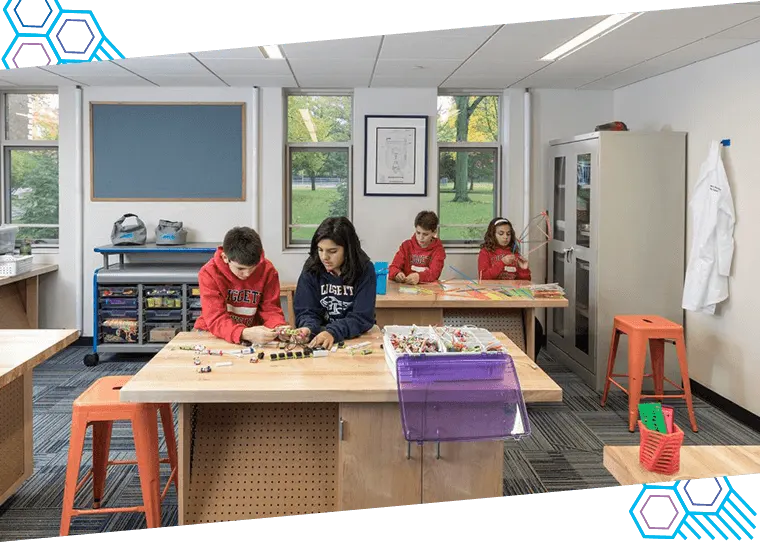
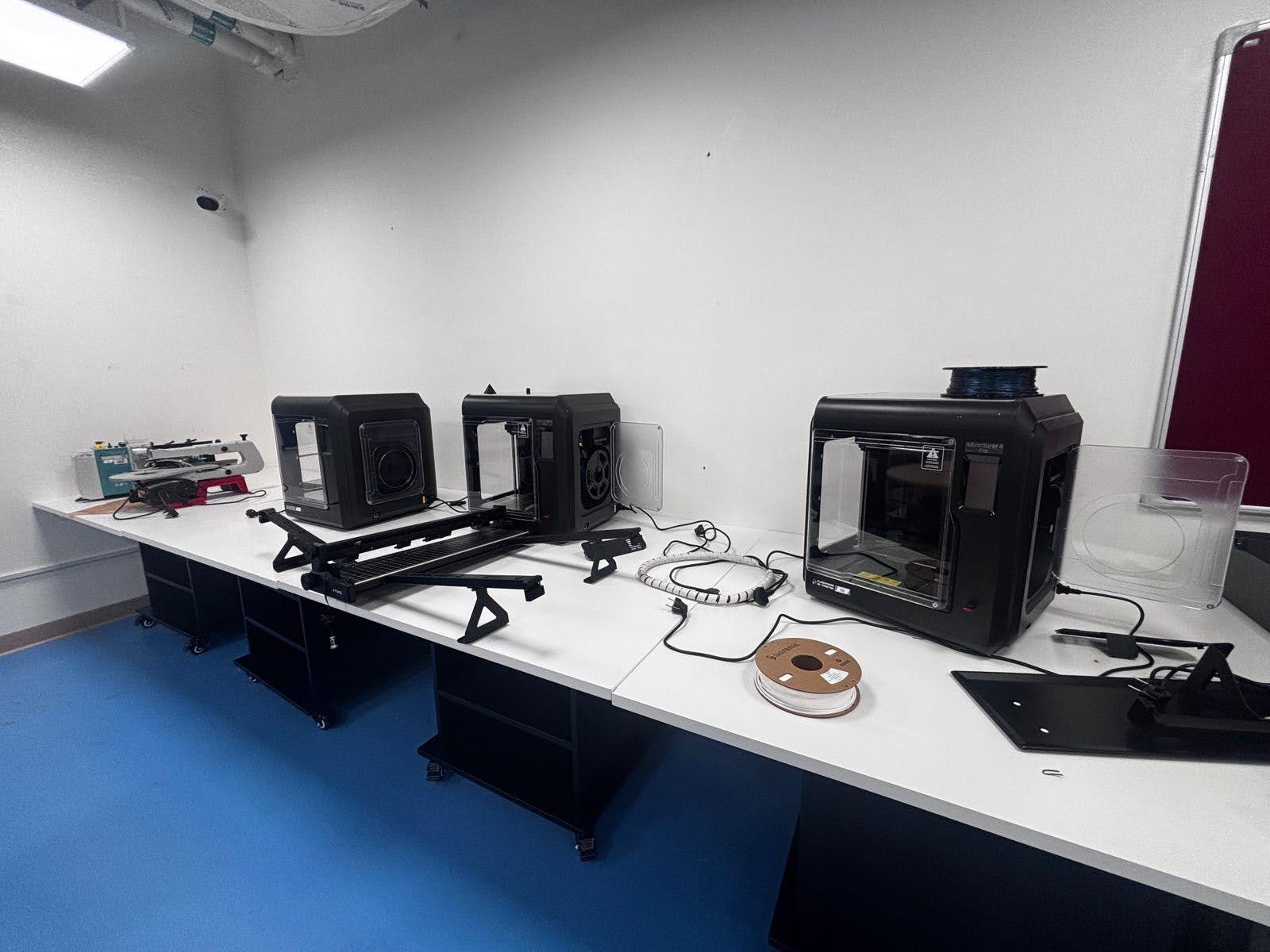
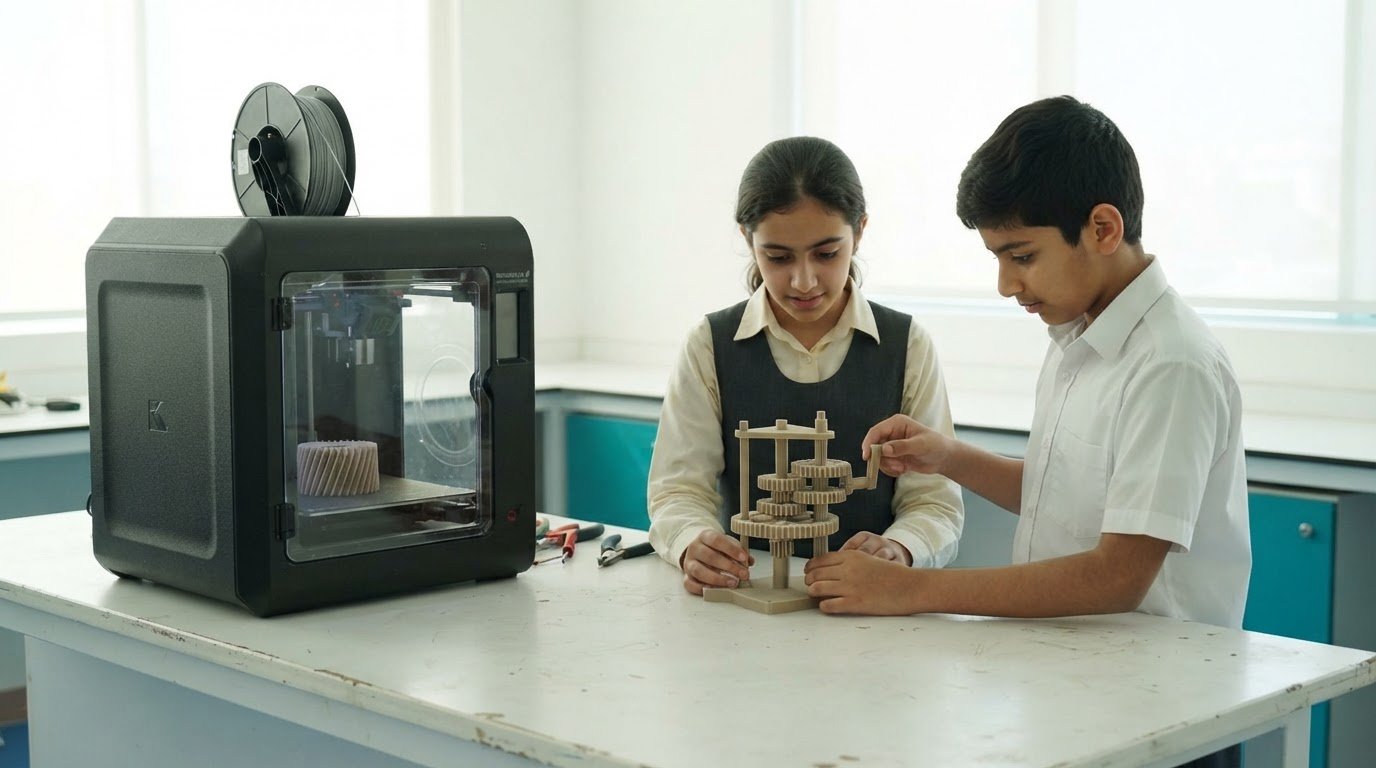
STEM facilities are learning spaces where students investigate concepts through experiments, design tasks and technology projects. They matter because practical experiences help connect classroom ideas with real applications. UAE schools can use science activities, coding, robotics and engineering projects as learning solutions. GEMS Metropole School, Motor City incorporates STEM into its curriculum from infant school through senior school.
There is no single universally best provider or platform for every school; suitable options depend on curriculum goals, learners’ stages and available facilities. Schools and universities may explore different ways to support STEM learning. At GEMS Metropole, Years 1 to 6 include geometry and measurement, while Years 7 and 8 include proportional reasoning and data.
Student skills and learning outcomes
STEM learning develops students’ ability to investigate questions, interpret information, design solutions and explain decisions. These skills matter because future careers can involve complex problems that require more than recalling subject facts. A robotics task, for example, asks learners to plan movement, test a design and improve it. Collaborative projects also help students share ideas and connect classroom concepts with practical applications.
UAE-specific challenges include limited access across age groups and income levels, alongside low interest among nationals in STEM fields. Activities, camps and competitions can offer additional ways to engage: GEMS students have received awards from the STEM Olympiad and the Global Annual STEM Best Practice Summit and Awards.
AI and machine learning
Artificial intelligence and machine learning introduce students to systems that use data to identify patterns or support decisions. A classroom activity might involve examining a dataset, proposing a prediction and discussing how to test the result. This makes abstract computing concepts more tangible and links mathematics with technology. Teachers can prompt students to question a system’s inputs, outputs and limitations, rather than simply use a tool.
Curriculum, policy, and implementation
Curriculum, policy and implementation determine how STEM learning fits each school’s academic framework and student progression. UAE schools should align projects with their chosen curriculum and learning goals; no single accreditation requirement can be identified for every program here. International comparisons are most useful when they examine subject integration, practical experiences and student outcomes, rather than assuming identical standards.
A UAE review of 63 articles identified access and student interest as challenges, and recommended broader access and stronger teacher development. It also associated STEM education with a potential GDP boost of at least 12%. Schools can respond by linking activities to curriculum goals, supporting teachers and extending experiences beyond lessons. GEMS Metropole illustrates progression from foundational mathematics to higher-level topics in Years 9 to 13.
ICT, coding, robotics and digital content creation
ICT, coding, robotics and digital creation give students practical ways to apply classroom learning. Their value is greatest when each activity supports curriculum goals and a clearly defined challenge.
Coding and computational thinking
Coding means writing instructions a computer can follow, while computational thinking breaks challenges into manageable steps. Together, they help students plan, test and refine solutions instead of relying on guesswork.
In a primary classroom project, students might create a simple animation about the water cycle. They can map the sequence, write instructions, test the animation and correct errors. The activity combines digital creation with science concepts and logical reasoning.
ICT gives students tools to research, create and present their work. They might build a digital poster or explain their process in a short presentation. Teachers can tie each task to curriculum objectives so technology supports learning, rather than becoming an end in itself.
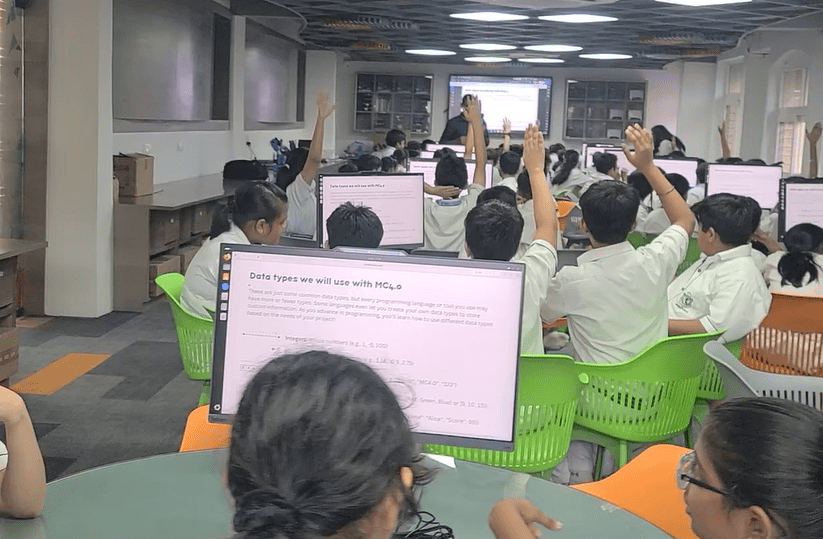
Introducing coding through visual blocks can help beginners understand sequences and conditions before they progress to text-based programming. A clear progression supports learning across school stages and gives students opportunities to explain how their code behaves.
Robotics and coding integration
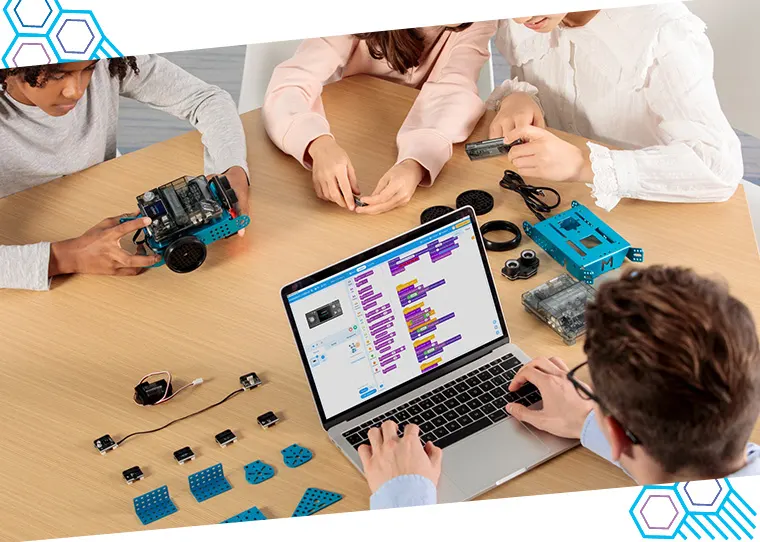
Robotics and coding bring programmed instructions together with a machine’s movement or response. Students can see the direct results of their decisions, then adjust the code or design to address a specific challenge.
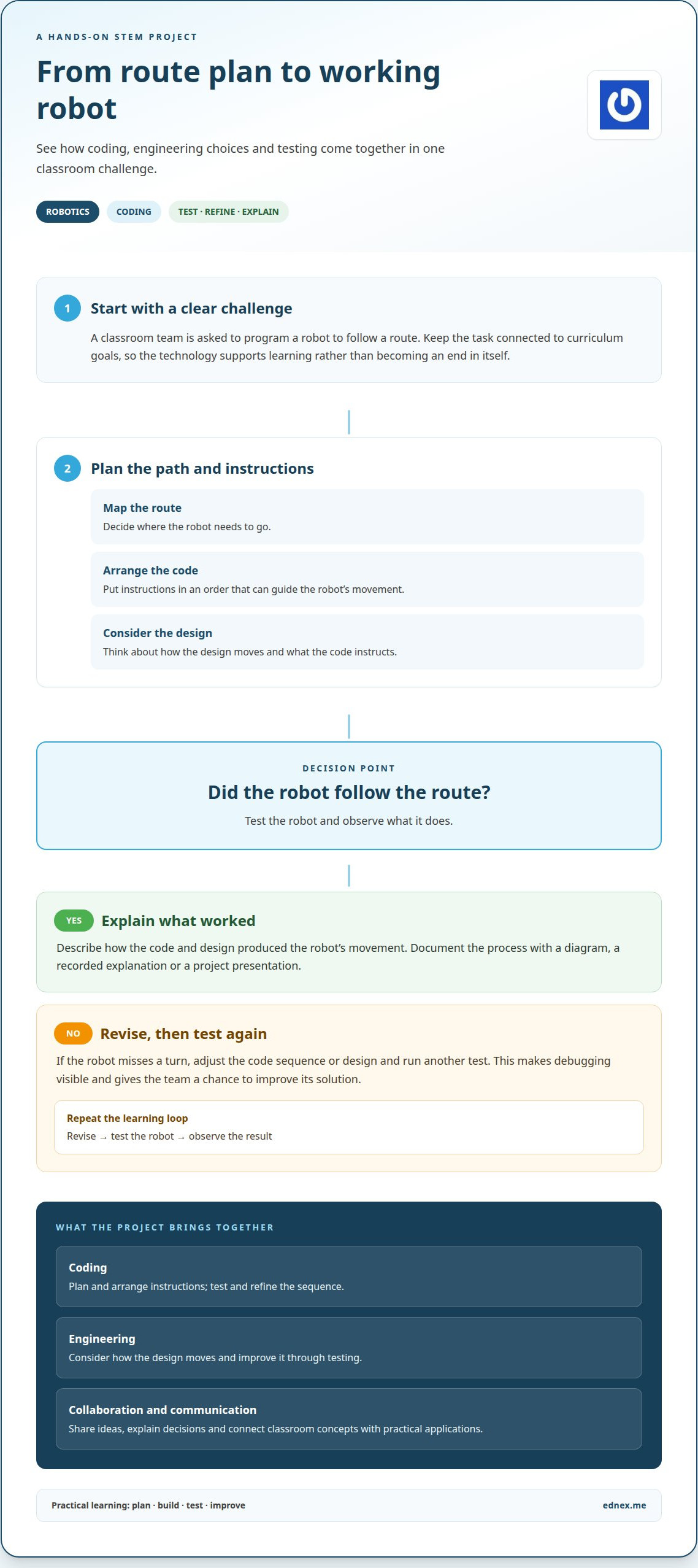
For example, a classroom team could program a robot to follow a route. Students plan the path, arrange instructions, test the robot and revise the sequence if it misses a turn. This makes debugging visible and encourages collaboration.
Robotics activities introduce engineering choices alongside coding. Students consider how a design moves, what the code instructs and how testing can guide improvements. An AI example, such as examining how a system uses data to classify objects, can extend the discussion.
Digital content creation can document the process through diagrams, recorded explanations or project presentations. Schools developing practical learning can explore school robotics and coding as one way to connect programming with hands-on projects.
Benefits of STEM education for children’s skills and careers
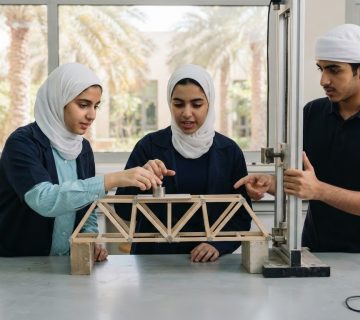
STEM learning helps children connect scientific concepts with decisions, designs and practical outcomes. In an engineering challenge, students might build a bridge from classroom materials, test its strength and revise the structure. This process develops curiosity, creativity and evidence-based reasoning. Effective STEM Education Solutions in UAE help schools create learning experiences in which science, mathematics and engineering inform practical choices.
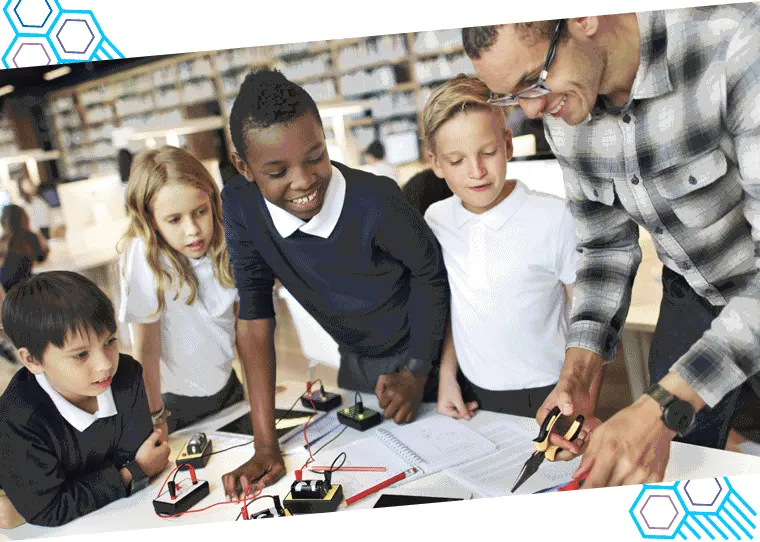
Projects build transferable skills by making decisions visible. A team designing a small solar-powered model, for example, must divide tasks, interpret results and explain its choices. Students practise collaboration, communication and problem-solving as they respond to test outcomes. Teachers can help learners reflect on what worked, what changed and why, building confidence in tackling unfamiliar challenges.
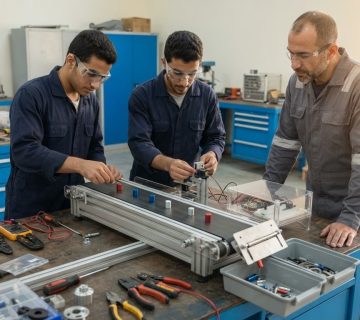
Career awareness grows when learners encounter STEM beyond lessons. UAE schools can organise field trips to partner companies, where students observe applications and interact with professionals. Seeing engineers discuss a design or technicians explain a process can make career paths more tangible. A classroom project then gains context: students can relate their own experiments to workplace questions and understand how different roles contribute to a shared outcome.
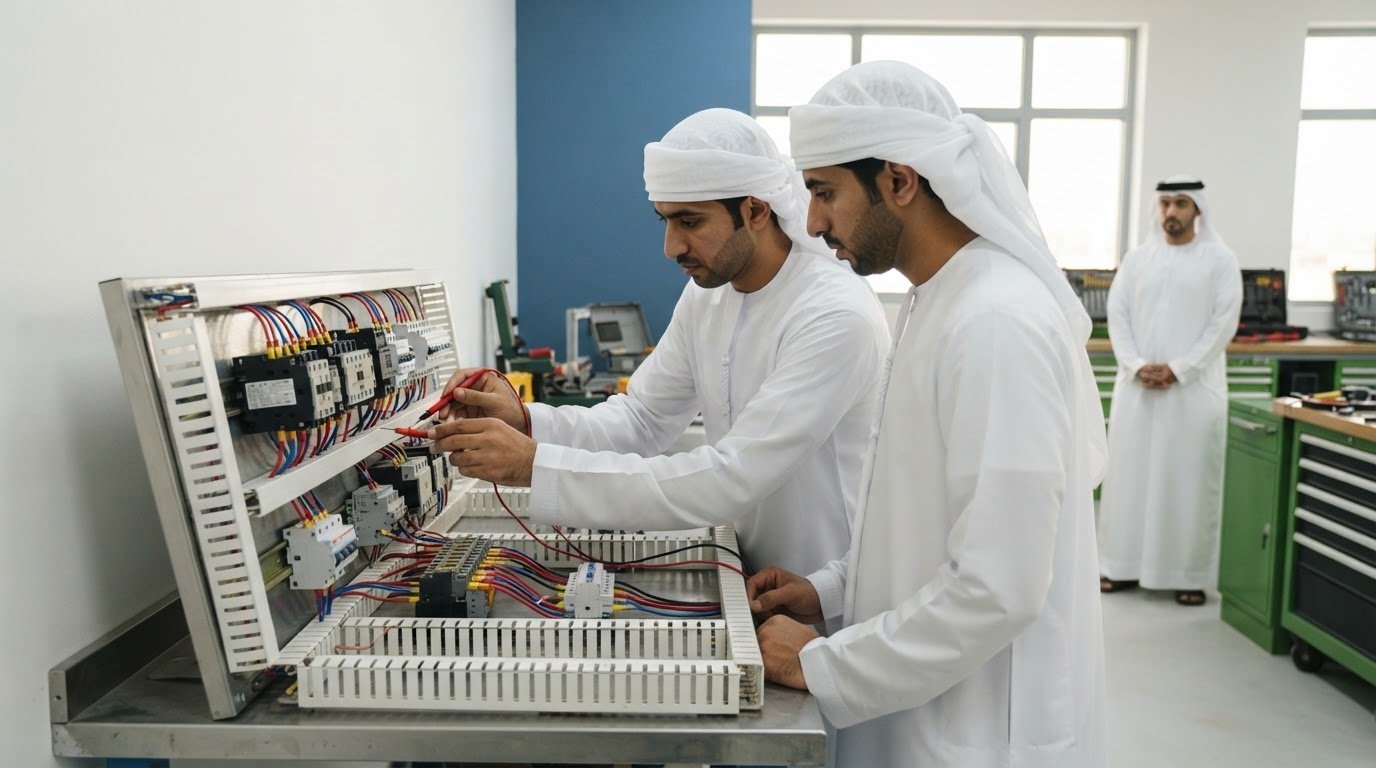
Engineering applications span fields such as civil, electrical and mechanical engineering. A bridge model introduces structural thinking, a circuit activity makes electrical concepts visible, and a mechanism project explores motion and design. These examples connect students’ interests with possible areas of study without requiring an early career decision. Strong STEM Education Solutions in UAE link practical projects with opportunities to explore engineering pathways.
Preparing students for the future also means introducing emerging fields. A discussion of artificial intelligence, for instance, can ask how data informs a system’s decisions and what people should consider when interpreting its output. Connecting this topic with mathematics, computing and ethics helps learners see technology as a human-designed tool. Across projects, the aim is to help students keep learning, adapt their skills and approach complex problems thoughtfully.
Integrated science, technology, engineering, and mathematics
Integration means using several disciplines to investigate one connected challenge. Consider designing a shade structure for a school courtyard. Science explains heat and sunlight, mathematics supports measurement, engineering guides material choices, and technology can help model or document the design. Each subject contributes a distinct tool, and the solution depends on combining them.
A project is genuinely integrated when learners use these connections throughout the process, not just mention four subjects in a presentation. Students might measure sunlight, compare material properties, calculate dimensions, then build and assess a scale model. Each test can raise a new question. This evidence-led cycle builds curiosity and problem-solving, with each decision informed by what students observe.
Teachers can make connections explicit with prompts: What does the science explain? Which mathematics supports the calculation? What design choice follows? How can technology help test it? In a water-use investigation, students could record consumption, organise the data, identify a pattern and propose a practical design response. Professional development can help teachers plan these links, guide cross-disciplinary thinking and assess subject knowledge alongside the reasoning behind a solution.
For schools, the clearest measure of integration is the student’s ability to explain how disciplines informed a result. A model bridge, for example, is more than an engineering artefact if students can connect its form to force, compare dimensions mathematically and use test results to revise it. That explanation reveals whether learning transferred across subjects. An integrated engineering learning environment can give schools a setting for this kind of connected investigation.
At GEMS Metropole School, Motor City, students in Years 9, 10, 11, 12, and 13 study higher-level mathematics topics to prepare for secondary school exams.
Ednex LLC: After-School STEM Programs
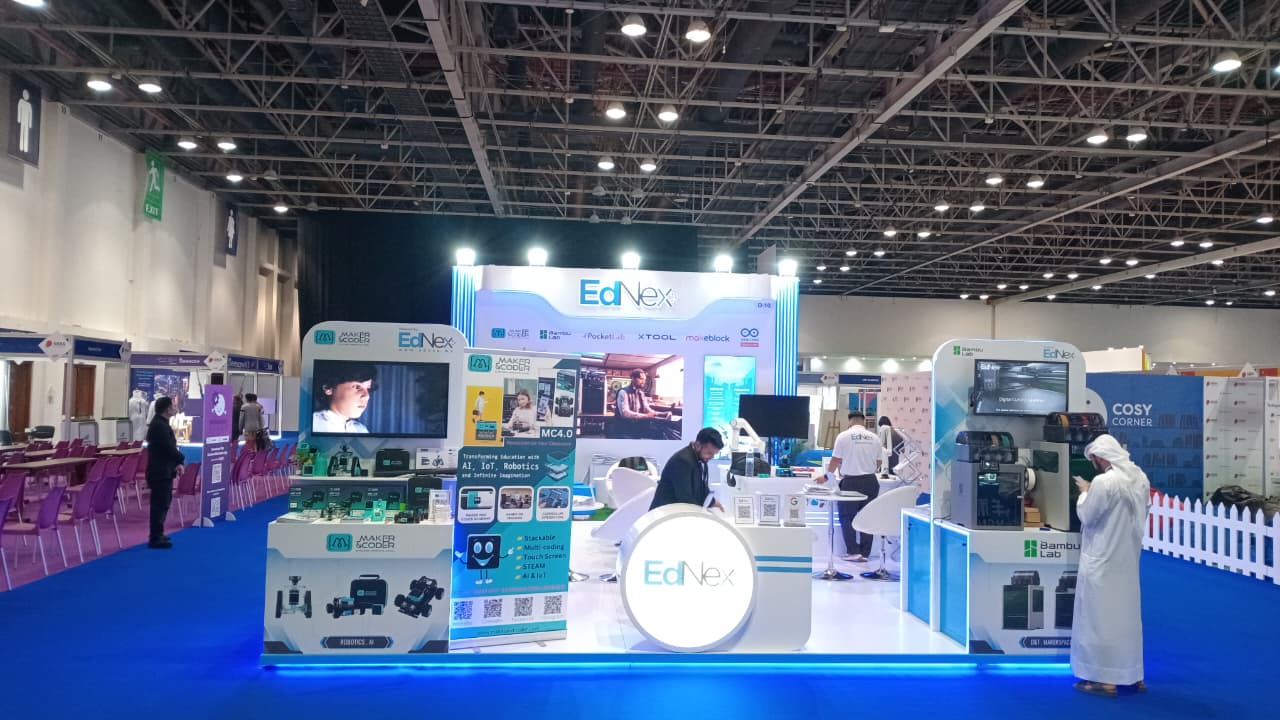
Ednex LLC provides After-School STEM Programs for schools seeking practical learning beyond the regular timetable. Structured activities extend classroom topics by giving students opportunities to explore ideas, create projects and apply what they learn.
Schools can choose STEAM Programs, Robotics and Coding for schools, or Arduino Education to support their learning goals. A coding activity can introduce programming logic, while a robotics project connects instructions with a physical result. These options help schools build sustained engagement across science, technology, engineering, arts and mathematics.
Turn to these programs when a school wants to enrich extracurricular learning or connect students with hands-on STEM experiences. To discuss an appropriate direction for your school, contact Ednex LLC.
Shape the next stage of learning
A useful next step is to identify one clear priority: giving learners a purposeful opportunity to apply what they study. STEM education solutions in UAE can develop from that starting point and grow alongside curriculum goals, teacher expertise and student interests. A focused initiative lets schools build a stronger path for future learning at a manageable pace.
Ednex LLC offers STEAM Programs, Robotics and Coding for schools, and Arduino Education to connect structured learning with hands-on exploration. The right starting point depends on the educational goals a school wants to advance and the experiences it wants learners to gain. Explore Ednex’s programs to find an approach that fits your school’s priorities.
Take the next step by discussing STEM learning priorities with Ednex LLC. A considered conversation can help turn an educational ambition into a practical direction for students and teachers. Keep curiosity at the centre, and let each new experience create room for what comes next.
Frequently Asked Questions
How does STEM education in the UAE compare with international programs?
International comparisons are most useful when they examine subject integration, students’ practical learning experiences and outcomes, rather than assume standards are identical.
What curriculum standards and accreditation requirements apply to STEM education in the UAE?
Schools should align STEM projects with their chosen curriculum and learning goals; there is no single accreditation requirement for every program. Trusity and the Assessment and Qualifications Alliance have recognised or accredited many GEMS schools.
Related Posts ...
Comments are disabled