

Experiential learning in higher education through internships
A lecture can explain a concept; experiential learning in higher education asks students to apply it, reflect on the results, and use what they learn in a new challenge. Internships are one option, but applied coursework, field experiences, simulations, and industry-relevant labs also create opportunities for practical learning. An activity becomes a learning experience when students connect it to clear outcomes and reflect on what happened.
Internships are often seen as the main bridge between university study and professional life. They can provide valuable exposure, while other experiences help students practise skills, test ideas, and explore career paths in different settings.
This article explains experiential learning, how internships relate to work-based learning and other practical formats, and how these experiences can support career development and employability. It also considers technology-enabled approaches, including simulations and virtual environments, where students can practise making decisions and learn from the outcomes. Together, these approaches help higher education connect academic knowledge with purposeful, applied learning across the UAE.
Key Takeaways
- Understand how internships connect academic study with professional practice, and how they differ from other work-based learning formats.
- Learn why reflection and clear learning outcomes turn practical activities into meaningful learning.
- Identify how applied experiences can help students practise transferable skills and explore career directions.
- See how simulations and technology-rich labs create practical learning opportunities, including through Ednex’s higher education, STEAM, robotics and coding offerings.
Internships
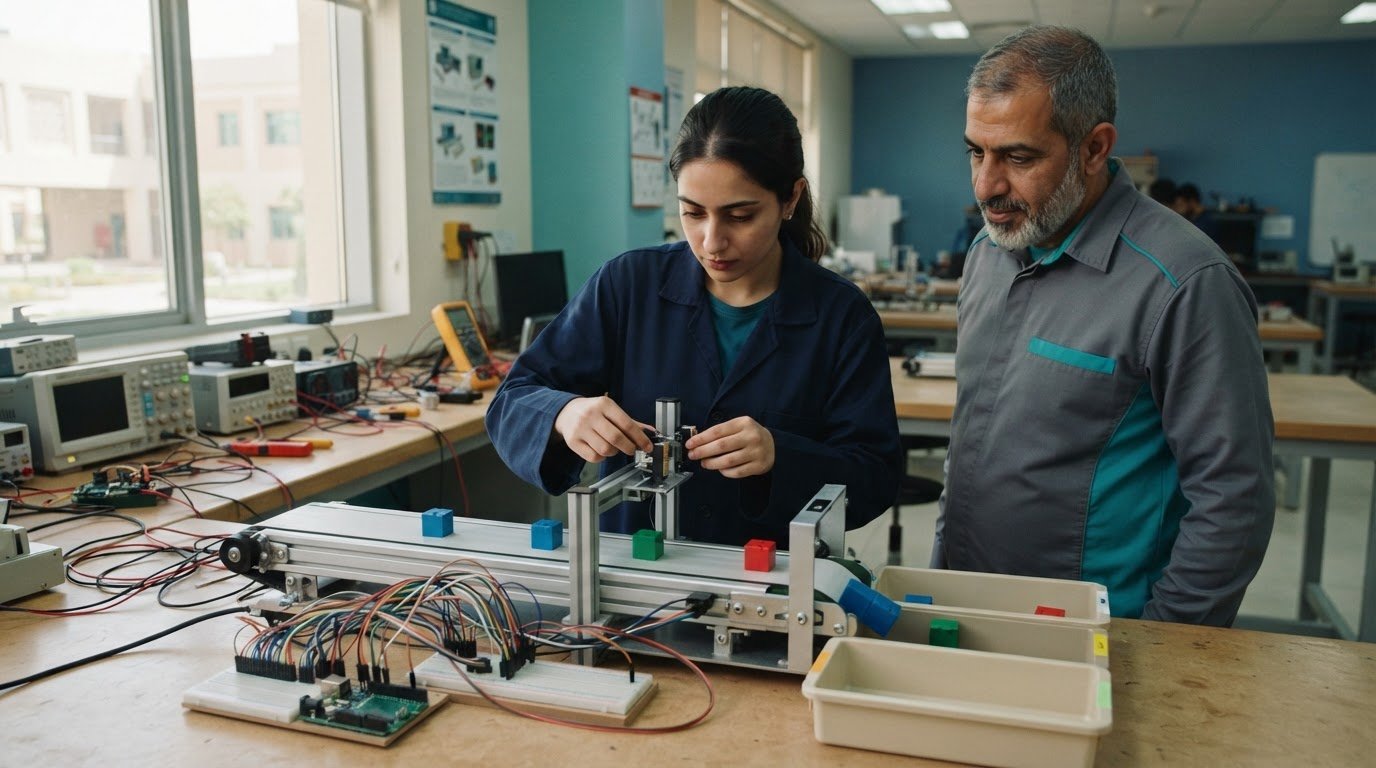
An internship applies academic learning in a professional setting. For example, an engineering student might contribute to a supervised project, document design decisions, and discuss how classroom principles informed the work. Institutions can link internships to clear learning outcomes, such as interpreting technical information, communicating with colleagues, or applying course concepts to workplace tasks. A reflective journal or discussion with faculty then helps students examine what they learned, rather than simply list completed duties.
Study abroad adds another dimension: students encounter unfamiliar environments, routines, and cultural perspectives. For example, a UAE student completing a placement abroad may observe different ways of communicating and organising work. Comparing those observations with familiar classroom practices can develop intercultural competence, or the ability to engage thoughtfully across cultural contexts. Fieldwork can broaden perspectives without an international placement, too. A geography student might collect observations in a local environment, then relate the findings to academic models and community context.
Internships are only one format for applied learning. In fieldwork, students gather evidence in a setting connected to their subject; in a simulation, they practise decisions within a structured scenario. A business class could analyse a simulated supply disruption, while an environmental science group records field observations. Each format has a different purpose: fieldwork puts students in a real setting, while simulation offers practice under defined conditions. Reflection and feedback help students connect either experience to course concepts.
Cooperative education combines classroom study with practical work experience, often through rotations related to a student’s field. It is typically longer than an internship, which may focus on a particular placement or project. For instance, an engineering student could alternate academic study with related work periods. Institutions can align placements, fieldwork, and simulations with learning outcomes, then gather feedback from students, faculty, and community partners. Reviewing this feedback helps identify whether the experience supports the intended learning and what could improve the next cycle.
What is experiential learning?
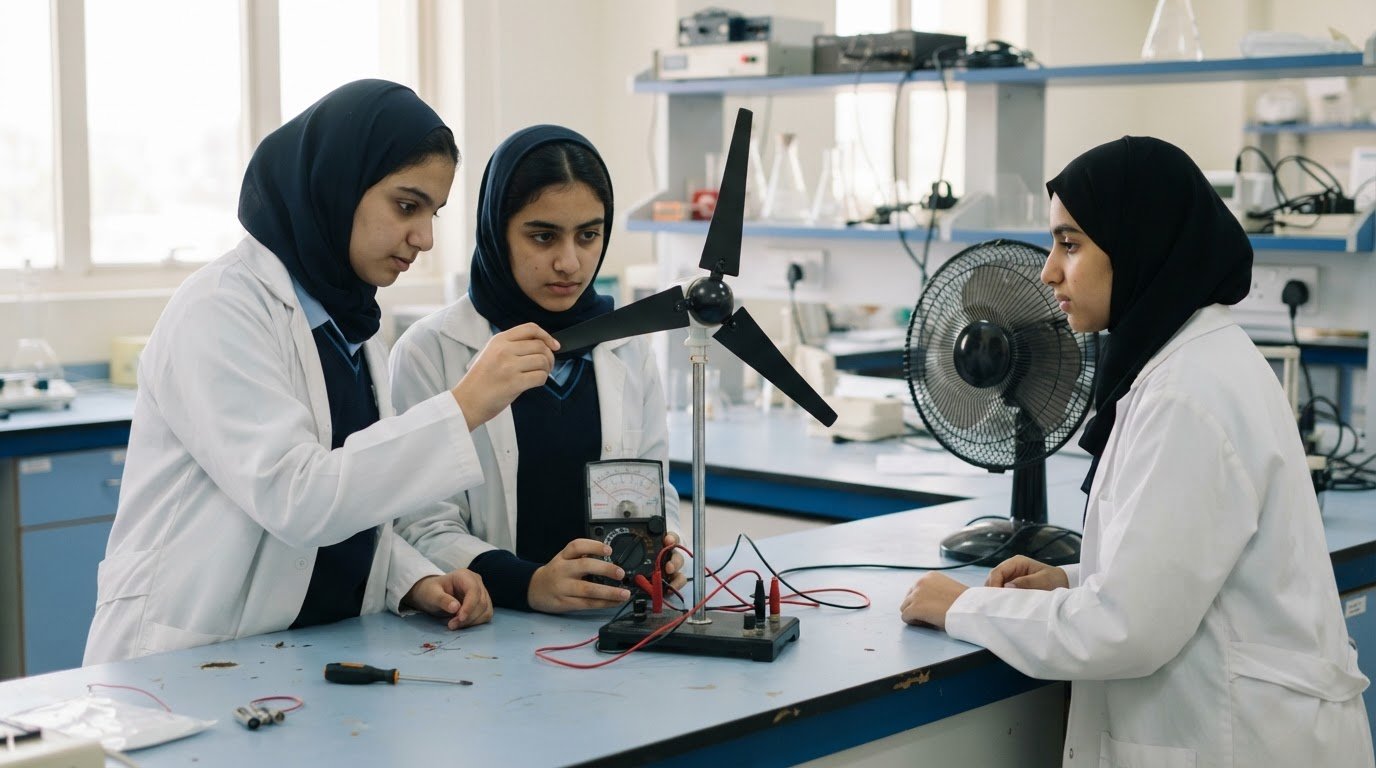
Experiential learning links theory, application, and reflection, giving students a way to examine what an experience teaches. A community water-quality project, for example, can bring scientific theories together with field observations and local priorities.
Engagement and Information Retention
Student engagement means taking an active part in meaningful tasks and reflecting on the results. When students collect evidence, discuss decisions, and explain findings, they work directly with course ideas rather than only hearing about them. An instructor might ask a team to compare field measurements with classroom predictions. This gives students a clear reason to revisit concepts and connect new information with observed outcomes.
Program costs depend on factors such as supervision, materials, travel, accessibility, and activity design. Depending on the program, institutions may plan funding through academic budgets, grants, scholarships, or community partnerships.
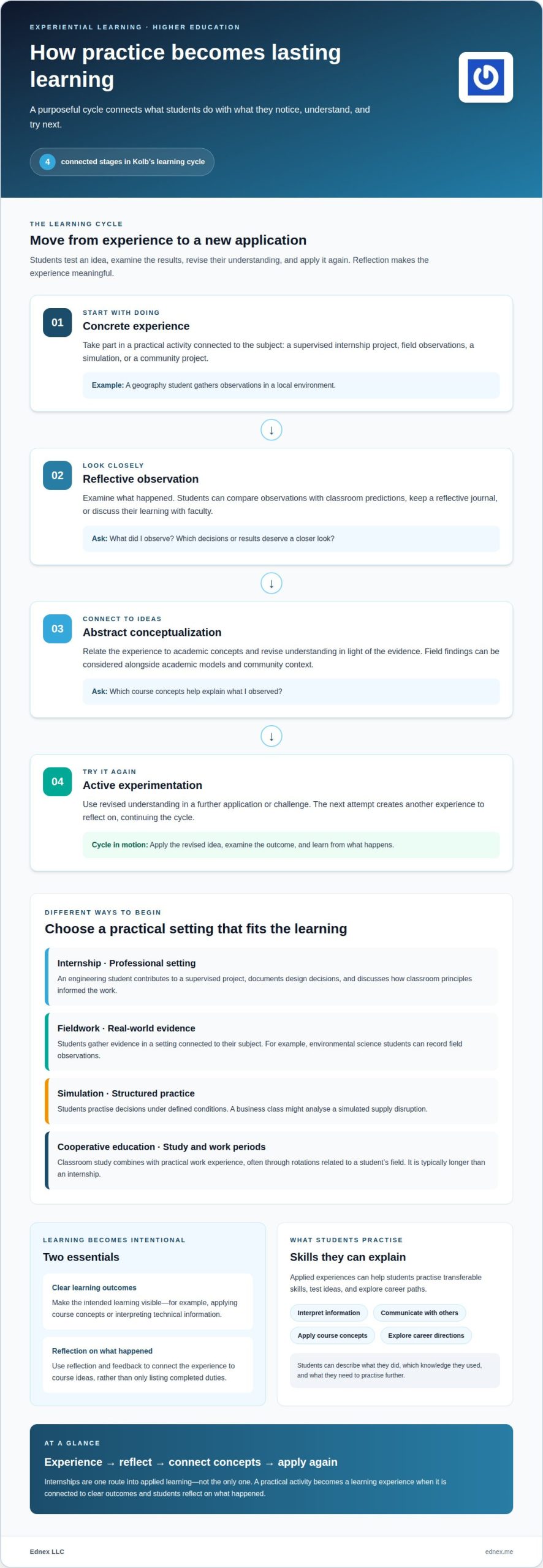
Effective frameworks connect experience, reflection, concepts, and further application. David A. Kolb’s cycle moves through concrete experience, reflective observation, abstract conceptualization, and active experimentation. For example, students test an idea, examine the results, revise their understanding, and apply it again.
Service-Learning and Community Reciprocity
Service-learning combines skill development with contributions to community initiatives. In a local food-access project, students might analyse distribution challenges while a community organisation identifies its priorities. The partnership is reciprocal when students learn from local knowledge and the organisation receives work shaped by its needs. Reflection can then connect civic responsibility with academic concepts, rather than treating community service as separate from learning.
Equitable design considers access, student voice, and different ways to participate. An institution could offer a nearby project or a digital contribution when travel is a barrier. Clear expectations and flexible ways to demonstrate learning help students take part meaningfully.
Community projects can also build professional connections through shared work. A student presenting findings to a community organisation practises communication and gains experience discussing ideas with people beyond the classroom.
Career development and employability
Career-focused experiences let students practise skills in contexts similar to professional work. A business student analysing a supply challenge, for example, can apply critical thinking, explain a recommendation, and respond to questions. These tasks make learning outcomes visible: students can describe what they did, which knowledge they used, and what they need to practise further. Exploring different roles can also help students connect their interests with possible career paths before choosing a direction.
Job shadowing gives students a focused view of a professional’s daily responsibilities. A student observing a project manager might note how the manager sets priorities, shares updates, and responds to changes. Follow-up reflection can turn these observations into practical goals, such as practising concise briefings or asking clearer questions. Future teachers, meanwhile, can develop professional skills by rehearsing classroom management and applying teaching methods in real time.
Leadership experiences give students opportunities to take responsibility, work with others, and learn from feedback. In a student-led engineering project, a team coordinator could assign tasks, resolve a design disagreement, and present the team’s reasoning. Students can draw on these experiences in interviews or portfolios. They can also assess how they communicate, collaborate, solve problems, and adapt when a project takes an unexpected turn.
Career readiness becomes clearer when students connect each experience to academic, personal, and professional outcomes. The University of Iowa’s Career Readiness Competencies framework can guide conversations among students, faculty, and staff. After a placement or leadership activity, educators can ask which skills the student developed, what challenged them, and how classroom learning informed a decision. The student might then record a specific problem-solving example, identify a skill to strengthen, and link both reflections to future career goals.
Technology-enabled experiential learning
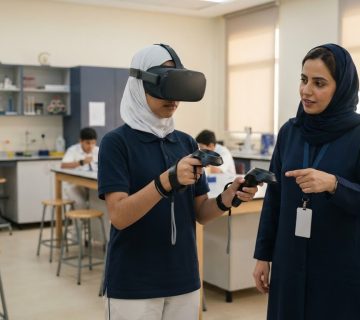
Technology provides structured ways to practise decision-making when access to real settings is limited. Simulations let students test choices in controlled environments across fields such as business, healthcare, and education. For example, a business course could present a simulated supply disruption and ask teams to weigh possible responses. Students can compare their decisions with the outcomes, explain their reasoning, and connect the results to course concepts. The learning objective should guide the technology, not the other way around.
Virtual simulations can also help students rehearse procedures or responses before applying their knowledge in other settings. In a healthcare scenario, students might respond to changing information, then reflect on which cues influenced their choices. Faculty can guide this reflection with questions about evidence, assumptions, and alternative actions. The aim is purposeful practice: students do more than interact with a digital scenario; they examine how they think.
Online collaborative projects extend applied learning across locations and schedules. A group could analyse a shared case, divide research tasks, and present recommendations in a digital workspace. Digital storytelling offers another format, combining narrative and evidence to explain a concept to an audience. In both cases, faculty can assess reasoning, contribution, and communication alongside the final result.
Effective technology-enabled learning starts with a defined outcome, then matches the tool to the experience. Faculty should decide what students will practise, what feedback the activity provides, and how reflection will connect it to academic theories. Universities should also consider access needs and offer clear instructions, accessible materials, and suitable ways to participate. A simulation without a debrief risks becoming a demonstration; a simulation followed by reflection can become applied learning. For institutions shaping practical learning environments, explore technology-enabled learning solutions.
Ednex: Higher Education
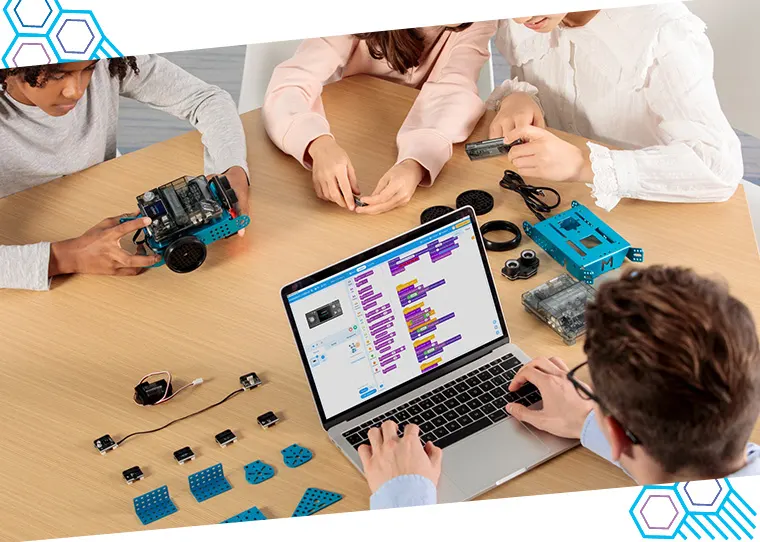
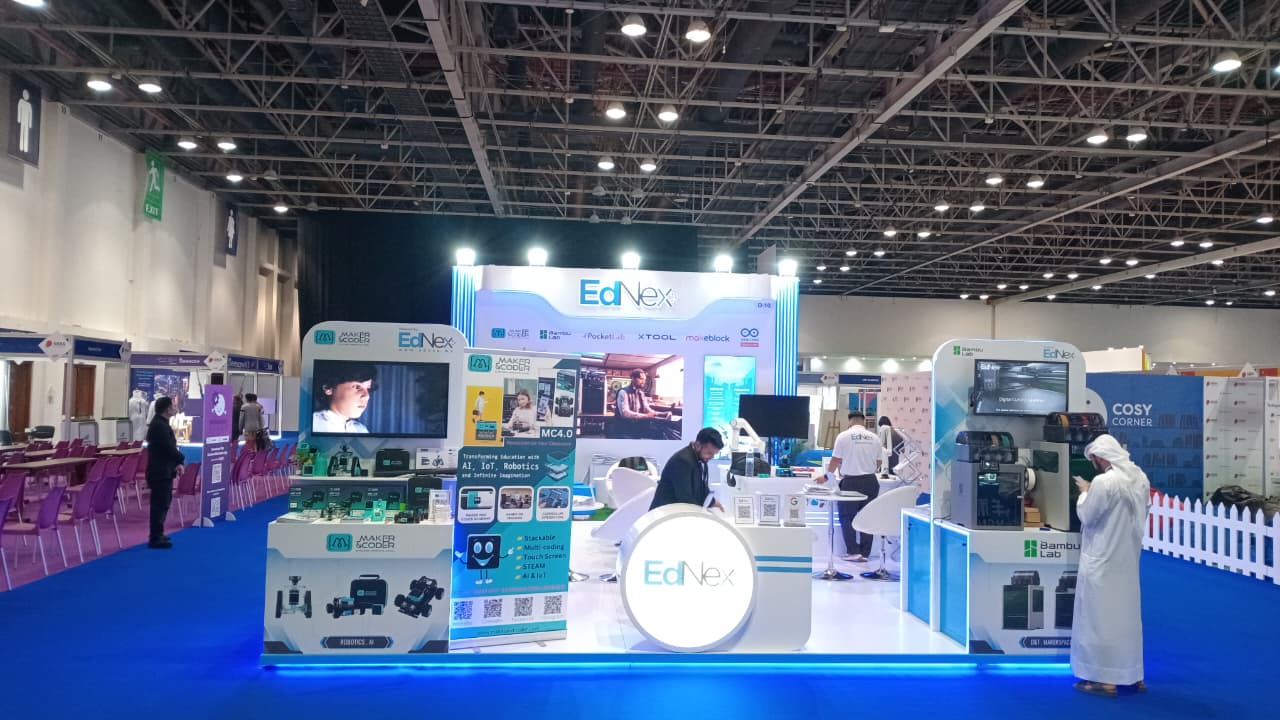
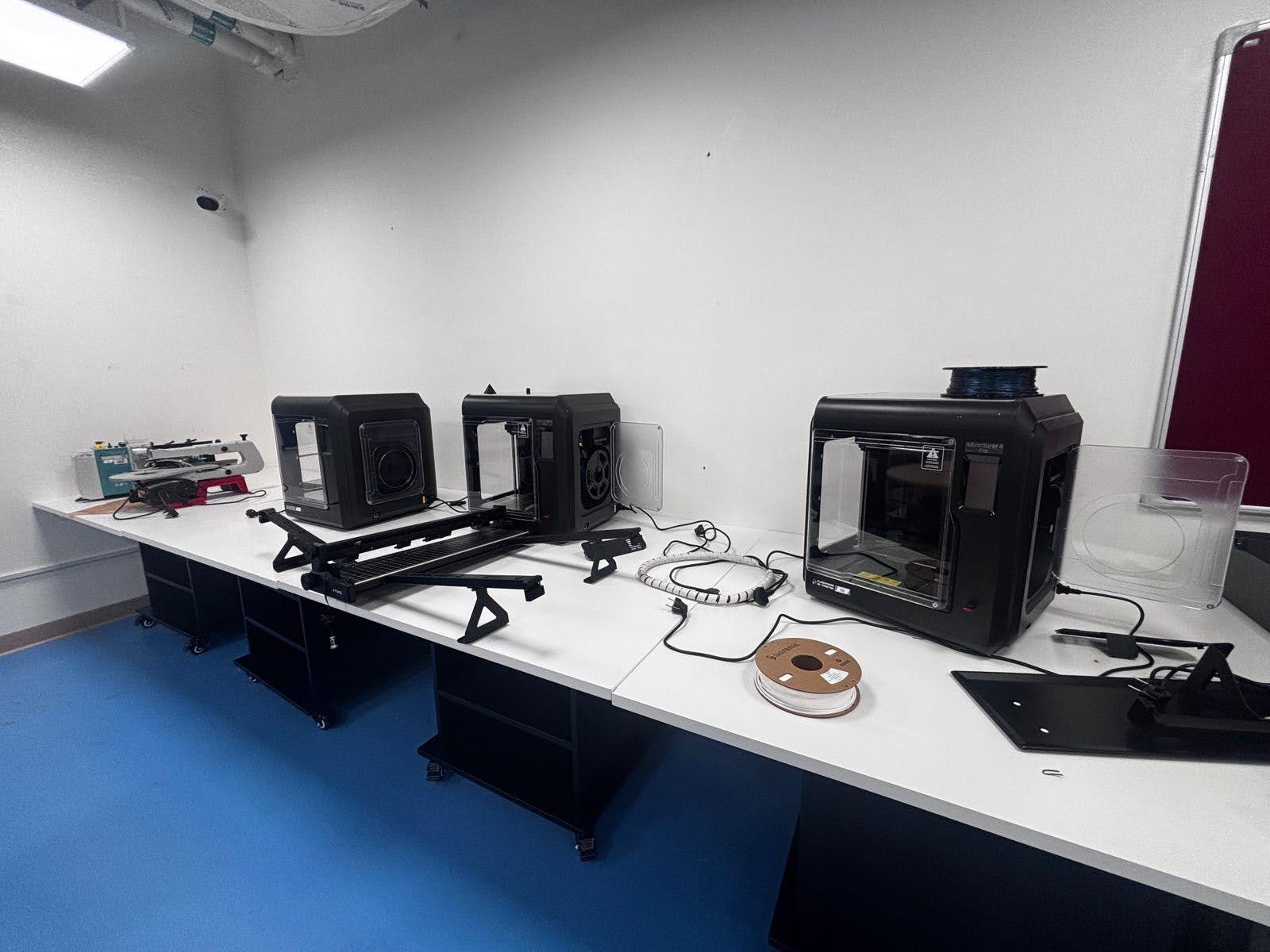
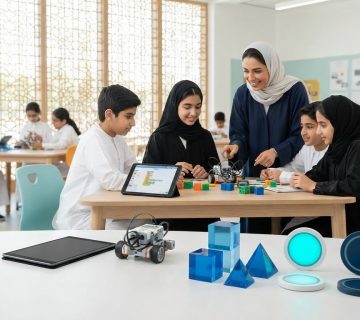
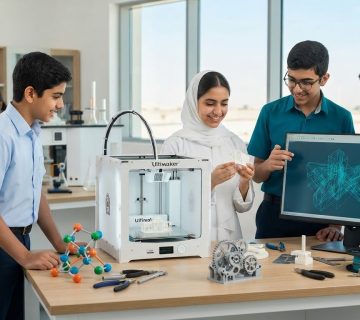
Ednex supports higher education institutions that want to connect academic concepts with practical learning environments. Its Higher Education and STEAM Programs offerings can help institutions shape learning around applied exploration, while Arduino Education supports hands-on technical activities. These options can help universities strengthen practical engagement alongside classroom study and align learning experiences with their educational priorities.
Start by defining the disciplines, learning objectives, and practical experiences the institution wants to develop. This clarity helps shape a purposeful approach to experiential learning, from curriculum-connected activities to technical learning environments. Contact Ednex to discuss your higher education learning goals.
Build the Next Stage of Applied Learning
Practical learning works best as part of curriculum design, not as an activity added after course planning. For UAE institutions, this means identifying the capabilities graduates will need, then creating environments where students can develop and demonstrate them. A deliberate approach to experiential learning in higher education can connect academic priorities with emerging technical practice and evolving career pathways.
Ednex offers STEAM Programs, Robotics and Coding for schools, and Arduino Education. These offerings can support institutions exploring practical, technology-centred learning experiences. Begin with a clear institutional priority, such as strengthening applied technical skills or connecting learning objectives with hands-on exploration.
Contact Ednex to explore experiential learning and discuss a forward-looking approach for your institution. Your next learning initiative can begin with a focused conversation and a clear vision for what students should be ready to do.
Frequently Asked Questions
What is experiential learning in higher education?
Experiential learning in higher education asks students to learn through applied experiences and guided reflection. A student conducting undergraduate research, for example, might gather observations, interpret evidence, and reflect on how the findings relate to a course concept. The process connects action with analysis, helping students make sense of what happened and consider how to apply their learning in another context.
What are examples of experiential learning in college and university courses?
Examples include undergraduate research, clinical experiences, student employment, leadership activities, community-based projects, study abroad, and applied coursework. In an architecture course, students might assess how people use a public space, then present design recommendations. A history class could create an exhibition from archival materials. Each activity gives students a defined way to engage with course ideas and produce work that demonstrates their understanding.
What does research say about the benefits of experiential learning for students?
Experiential learning can encourage active participation, help students practise communication and collaboration, and develop problem-solving and adaptability. A group presentation, for instance, asks students to coordinate contributions and respond to questions about their decisions. Reflection can help students identify new skills and connect an experience with personal or academic goals. The benefits depend on purposeful design, meaningful participation, and opportunities to learn from feedback.
How can instructors design experiential learning activities and assess student learning?
Define the learning outcome first, then choose an activity that allows students to demonstrate it. For a research assignment, an instructor might assess the quality of evidence, interpretation, and reflection using a rubric shared before work begins. Gather feedback from students and, where relevant, community partners. Faculty preparation and support help keep the activity connected to course goals and make assessment more consistent.
What challenges and risks arise when implementing experiential learning in higher education?
Common challenges include unequal access to placements or travel, unclear learning objectives, limited partner capacity, and too little time for reflection. An off-campus activity, for example, may create barriers for students with transport or scheduling constraints. Institutions can address these challenges by offering alternative ways to participate, clarifying roles with partners, and reviewing student feedback to improve future activities.
How do internships, service learning, simulations, and project-based learning compare?
Internships place students in professional settings, while service-learning links course objectives with community contributions. Simulations provide structured scenarios for practising decisions, and project-based learning centres on a sustained project, often involving collaboration across subjects. A public health course might combine a simulated planning exercise with a community project. The most suitable format depends on the intended outcomes, available context, and desired level of real-world interaction.
Related Posts ...
Comments are disabled