



Inquiry-Based Learning Models for STEM and Their Benefits
The most powerful STEM lesson may begin before the teacher gives an answer. Inquiry-based learning models for STEM put investigation first: students explore a question or problem, gather evidence, and develop explanations before formal answers take centre stage. The teacher guides the process, helping learners turn curiosity into purposeful exploration.
That shift can feel challenging when lessons also need clear structure, meaningful assessment, and support for different learners. But inquiry does not mean leaving students to figure everything out alone. It can progress from teacher-guided investigation to greater student independence while keeping learning goals in focus.
This article explains what inquiry-based learning means, how models such as the 5E Instructional Model and design thinking structure the experience, and how inquiry can build critical thinking, problem-solving, creativity, collaboration, and engagement. It also explores practical challenges, including time, assessment, and learner support, so educators can understand both the potential and the realities of bringing inquiry into STEM learning in the UAE.
Key Takeaways
- See how inquiry shifts STEM learning from receiving answers to investigating questions and building evidence-based explanations.
- Explore how purposeful investigations can strengthen communication, creative thinking, and collaboration alongside subject knowledge.
- Understand how manageable projects, process-focused assessment, and learner support can help address common classroom challenges.
- Discover when Ednex After-School STEM Programs, STEAM Programs, Robotics and Coding for schools, or Arduino Education can extend hands-on learning.
Benefits for critical thinking, communication, and engagement
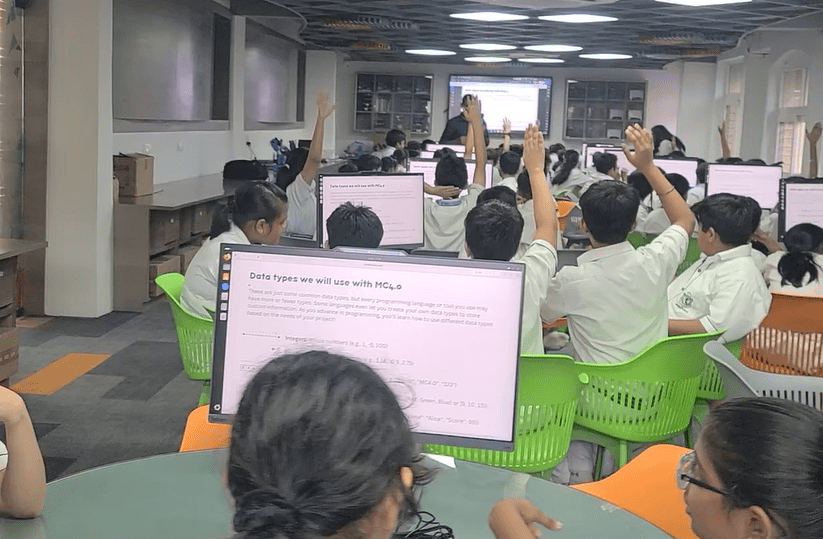
Australia’s reSolve: Mathematics by Inquiry program encourages students to ask questions, test ideas, seek meaning, and explain their reasoning. These actions make thinking visible: students show how evidence supports a conclusion instead of simply giving an answer. In a mathematics investigation, for example, learners might compare solution strategies, explain why one works, and respond to classmates’ reasoning. This develops communication and critical thinking together. Students practise listening, using precise language, and revising explanations when evidence challenges an initial idea.
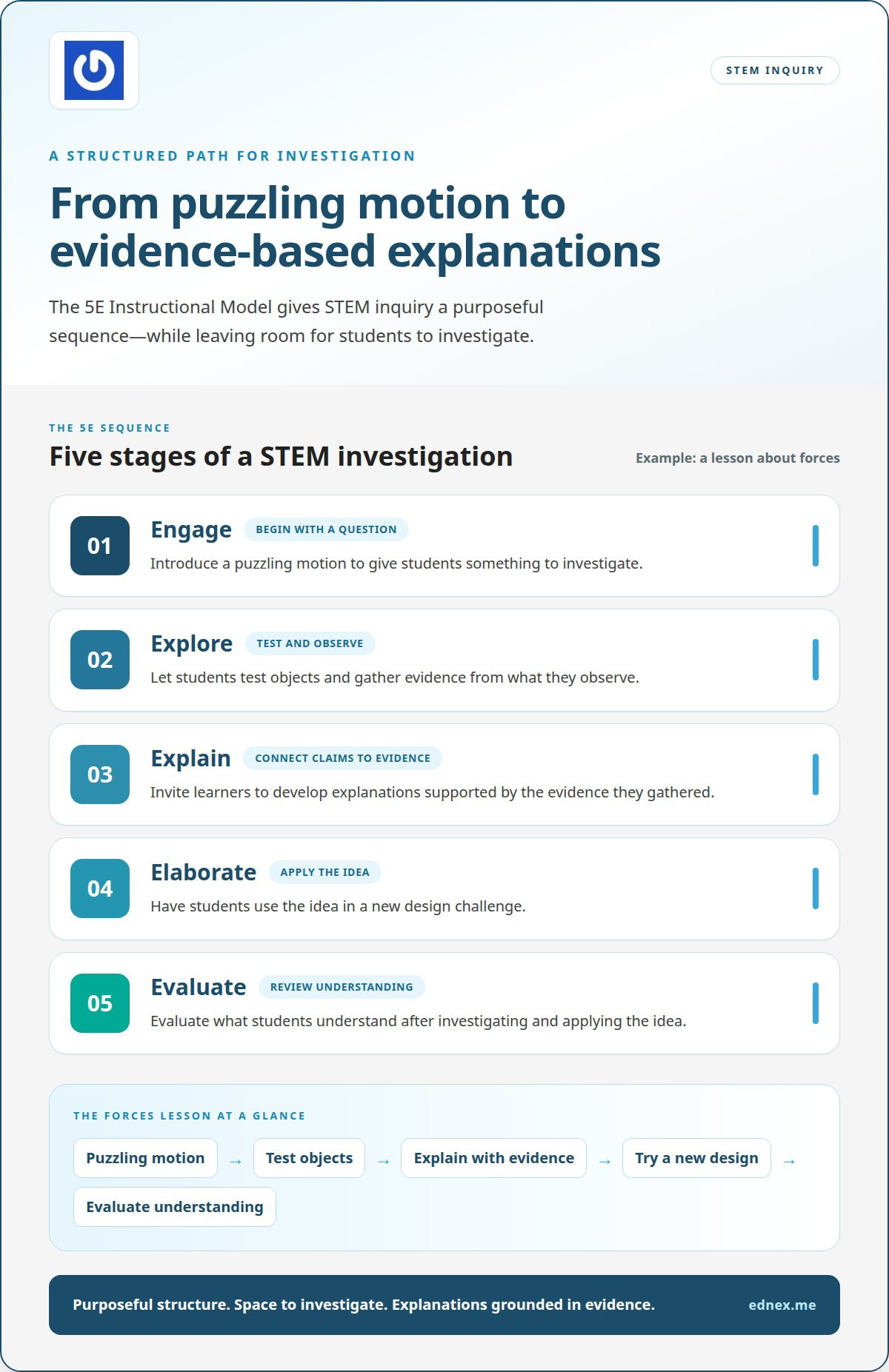
The 5E Instructional Model structures STEM inquiry through engagement, exploration, explanation, elaboration, and evaluation. In a lesson about forces, a teacher might introduce a puzzling motion, let students test objects, and invite evidence-based explanations. Students then apply the idea to a new design and evaluate their understanding. These five stages keep the learning process purposeful while giving learners space to investigate.
AI offers another opportunity to practise critical thinking. Students can examine an AI-generated explanation, test its claims against observed results, and identify possible bias or limitations. For example, in a coding class, they could compare an AI-suggested solution with the program’s actual output. Learners explain which parts work, which do not, and what evidence supports their judgment. This approach treats AI as a subject of inquiry rather than an unquestioned authority, while developing careful problem-solving and creative revision.
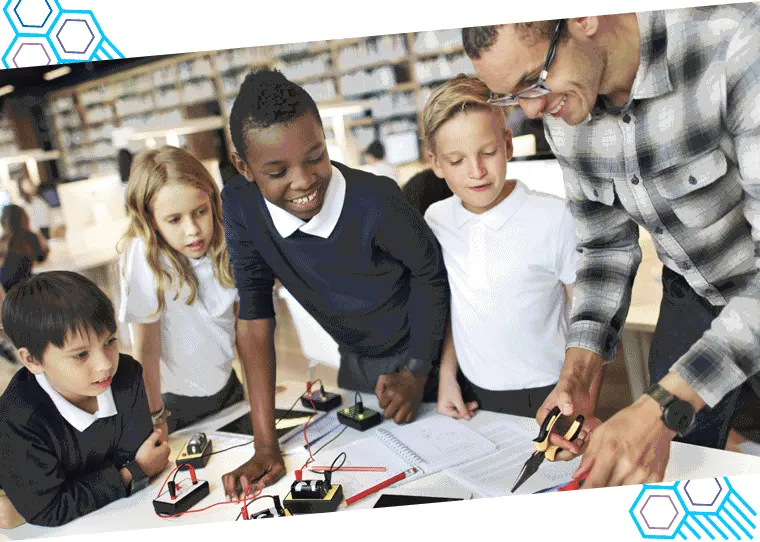
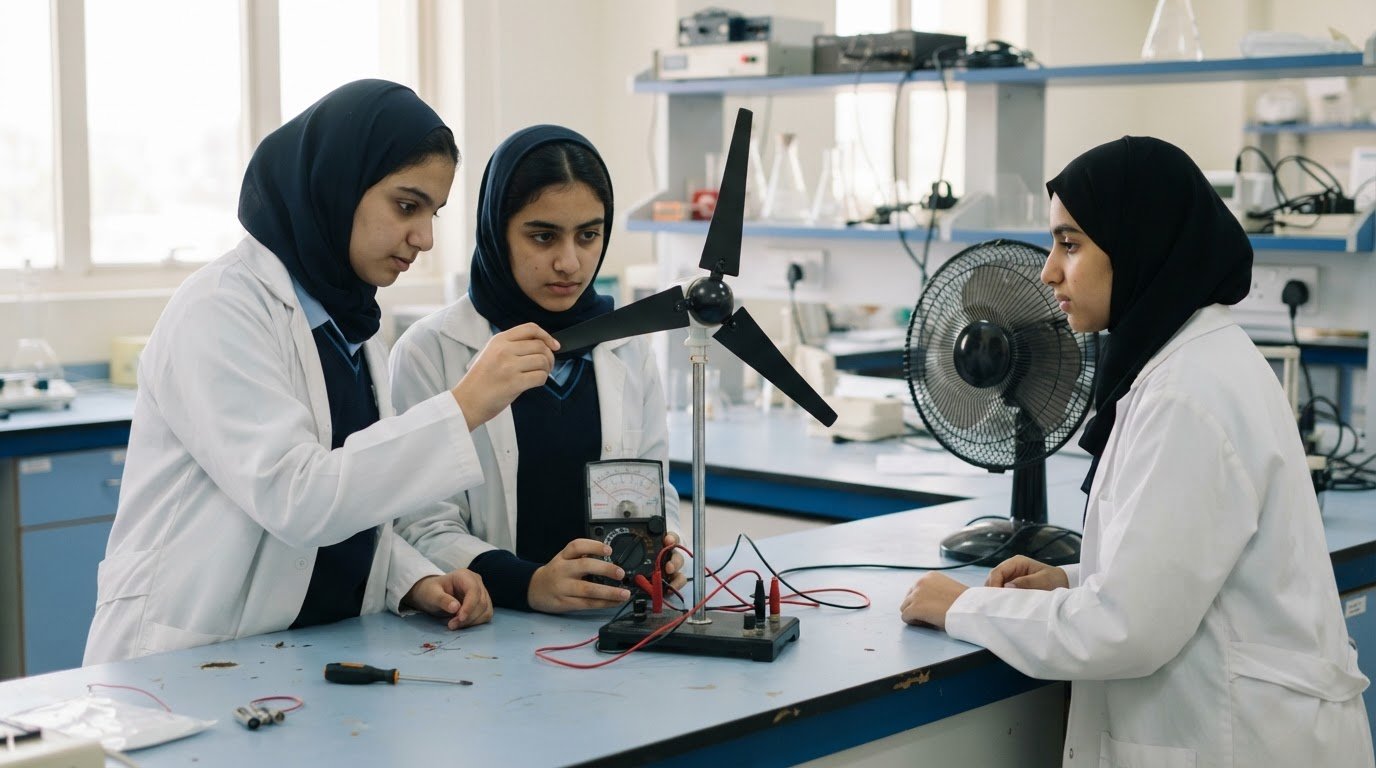
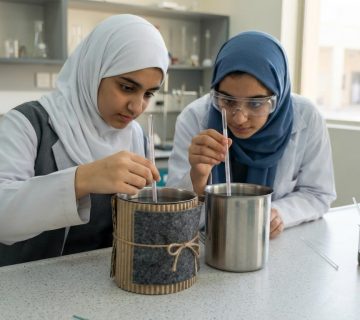
Inquiry can also support engagement and satisfaction by giving students meaningful roles in learning. A materials investigation, for example, could ask teams to compare surfaces under the same conditions, record which feels warmer, and explain their observations. Students connect science concepts with direct evidence, then communicate their reasoning to peers. The activity invites curiosity without relying only on traditional explanation-led teaching.
Shared investigations can strengthen teacher-student relationships, too. By discussing hypotheses with learners, educators gain insight into their ideas and can adapt support during the activity. Throughout the process, students develop skills in questioning, evidence-based reasoning, communication, and creative problem-solving.
Critical thinking, problem-solving, creativity, and collaboration
A classroom design challenge can turn abstract problem-solving into collaborative work. Students might create an app to help school users track energy use. They identify user needs, suggest features, divide coding tasks, and test whether the app works as intended. Each decision calls for critical thinking: students explain why a feature matters and use test results as evidence. The team also practises negotiation, responsibility, and constructive feedback.
Design thinking gives this work a clear sequence: empathize, define, ideate, prototype, and test. Students learn to understand a user’s needs before choosing a solution. During ideation, they generate options; prototyping makes an option tangible; testing reveals what needs revision. This cycle teaches students to treat early ideas as starting points, not finished answers. Innovation develops through deliberate iteration.
Digital tools can make each group member’s contributions visible. A shared document or digital whiteboard can capture research, sketches, and design choices, while a collaborative coding workspace lets students review changes. A simulation can help teams test a design before presenting its expected performance. These tools support coordination, but students still need to explain decisions, resolve differing interpretations, and connect claims to evidence.
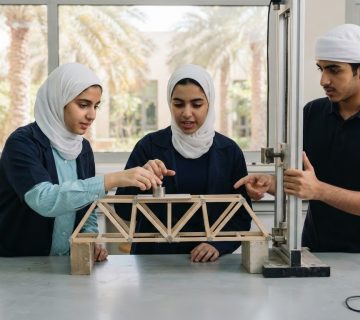
Reflection turns teamwork into a learning opportunity. After testing a bridge design, for instance, students can compare its performance with their predictions. Each team member can describe a decision, a piece of evidence, and a change they would make. This practice builds communication and social skills, including listening, giving specific feedback, and disagreeing respectfully. It also helps students distinguish a persuasive explanation from an unsupported opinion.
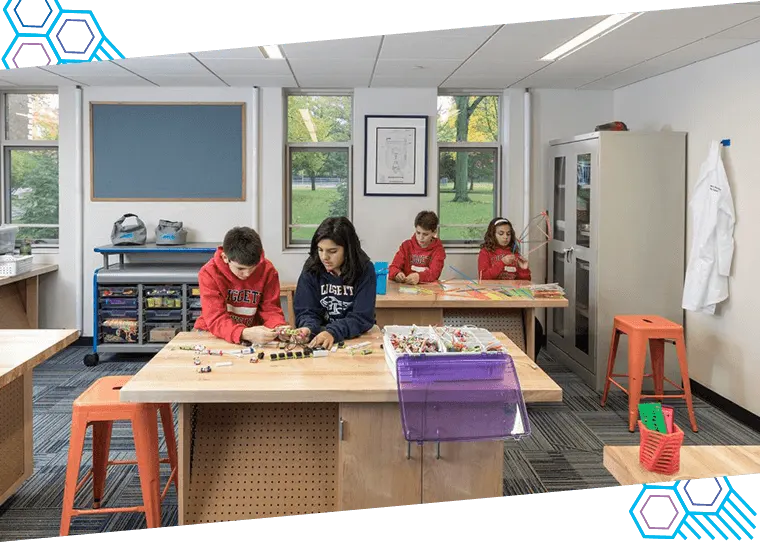
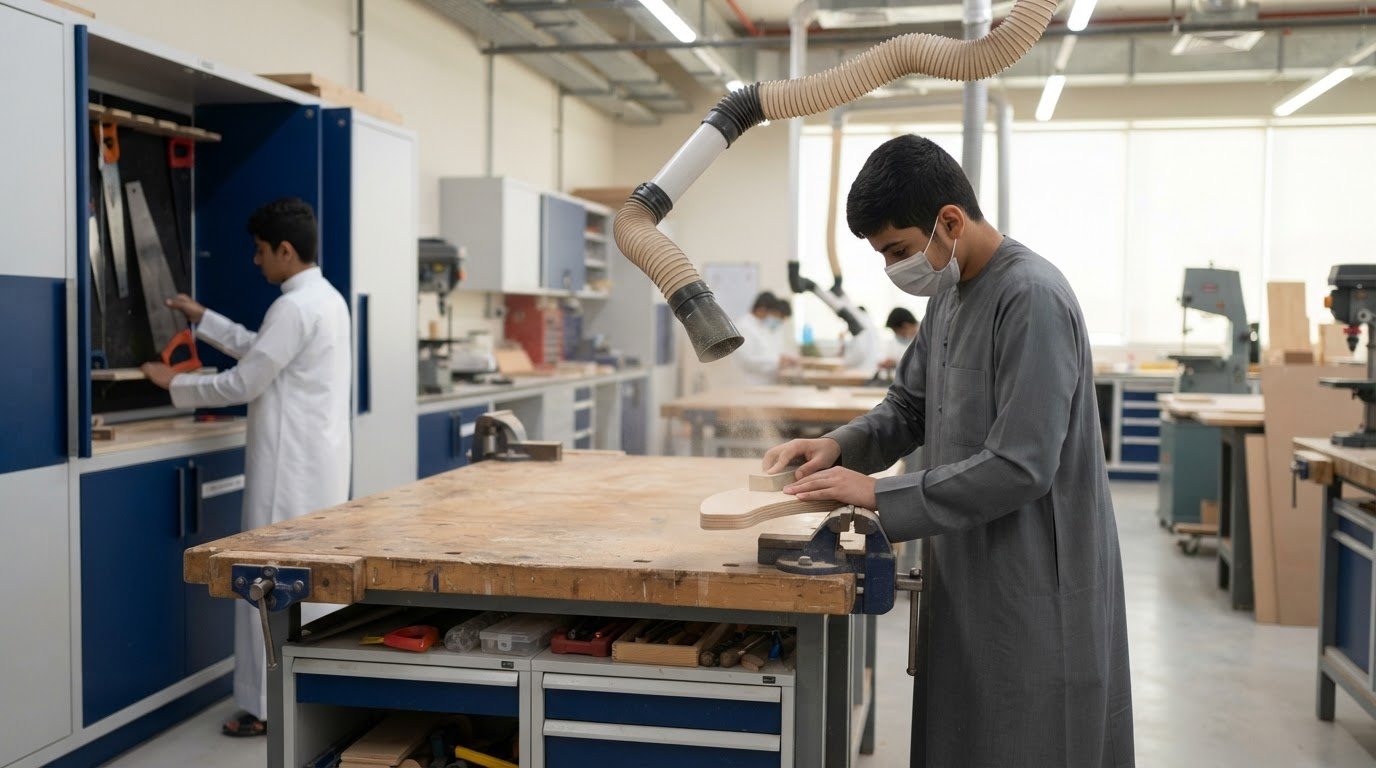
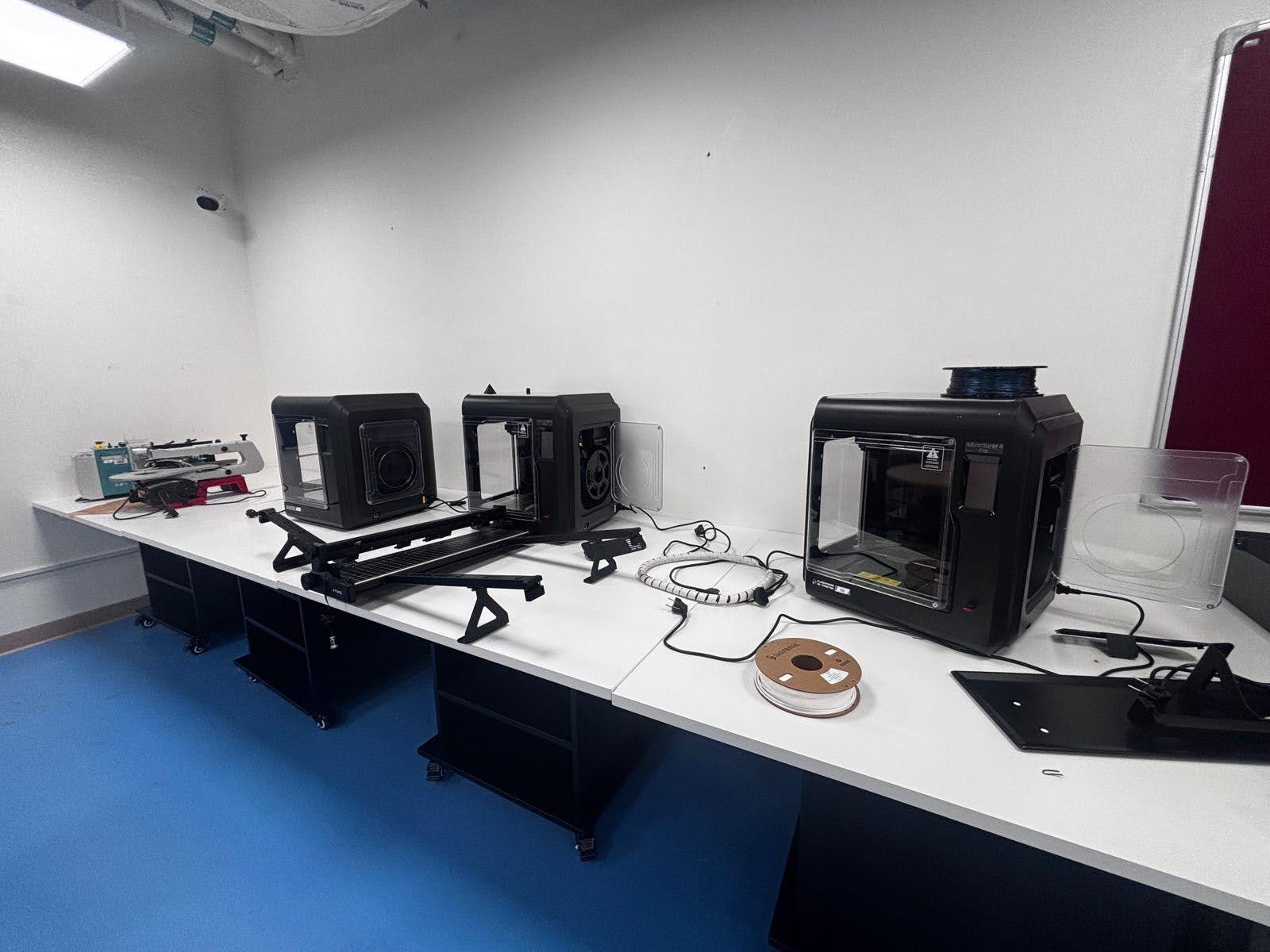
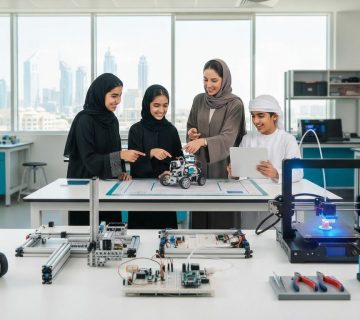
For schools developing this approach, a Design & Technology Lab can provide a setting for collaborative prototyping and presentation. In a structured project, students can move from a defined challenge to a working model, document how tests shaped their choices, and present their reasoning. That combination links hands-on making with reflection, evidence, and clear communication.
Challenges involving time, assessment, and learner support
A major inquiry can be difficult to fit into an existing STEM unit. Teachers can begin with a short inquiry rather than launch a long project. For example, a class could investigate which paper shape holds the most weight, then connect its findings to lessons on forces. Smaller projects are easier to integrate without using inquiry for every lesson. The key is to define a focused challenge, the evidence students will collect, and the concept the activity should develop.
Assessment should capture more than a finished model or correct conclusion. A formative rubric can assess both the learning process and the product. For a bridge-design activity, criteria might cover how students frame the problem, select materials, document tests, and explain design changes. A separate criterion can assess the final structure against its stated goal. These indicators help educators give feedback while students can still act on it, rather than judging only the final result.
Learners may need different kinds of support to ask questions and explain conclusions. In a science investigation, visuals can clarify equipment and steps, while sentence frames help students describe observations or justify a claim. Adapted readings can make background information more accessible, and additional modeling can show how to record evidence. These supports preserve the investigation while giving students clear ways to participate. Teachers can adjust them as learners gain confidence with the methods.
Access to resources and educator preparation can shape what an inquiry achieves. If equipment is limited, a virtual lab or simulation can let students test variables and compare outcomes. Schools and other educational institutions can also share practical resources. Targeted training, mentorship, and dedicated development time help educators plan investigations, anticipate learner needs, and refine assessment. Together, these supports make inquiry more workable, whether students investigate with physical materials or digital models.
Definition of inquiry-based learning
Inquiry-based learning puts investigation and problem-solving at the centre of teaching. Students begin with a question or problem, then investigate, interpret evidence, form explanations, and communicate conclusions. Several inquiry-based learning models for STEM offer different ways to structure this process.
Open, Guided, and Structured Inquiry
These approaches vary in how much direction the teacher provides and how much students decide. In structured inquiry, the teacher supplies the question and method. In guided inquiry, students receive a question but shape the investigation. In open inquiry, they develop both the questions and methods. This progression helps educators match independence to learners’ experience. Choosing inquiry-based learning models for STEM means considering learners’ readiness and the investigation’s goals.
Problem-Based Learning Compared with Inquiry
Problem-based learning centres on solving an authentic, often complex problem, while inquiry-based learning can start with a question about a phenomenon. The approaches overlap: a STEM project may require students to investigate evidence while developing a solution. Understanding the distinction helps teachers decide whether a lesson should focus on exploring a question, addressing a problem, or combining both.
Common models include the 5E Instructional Model and design thinking. The 5E sequence moves through engagement, exploration, explanation, elaboration, and evaluation; design thinking uses five stages: empathize, define, ideate, prototype, and test. Both give projects a structure, but they organise the learning process around different emphases.
In guided inquiry, students clarify a question, plan an investigation, gather evidence, interpret results, and present conclusions. To design a STEM lesson, a teacher selects a meaningful challenge, identifies the intended concept, plans accessible ways to gather evidence, and decides how students will explain their findings. The teacher frames the challenge, models safe and purposeful investigation, asks questions that extend thinking, and provides support without taking over students’ decisions.
For hands-on inquiry, explore STEM learning environments that connect investigation with practical design and testing.
Ednex: After-School STEM Programs
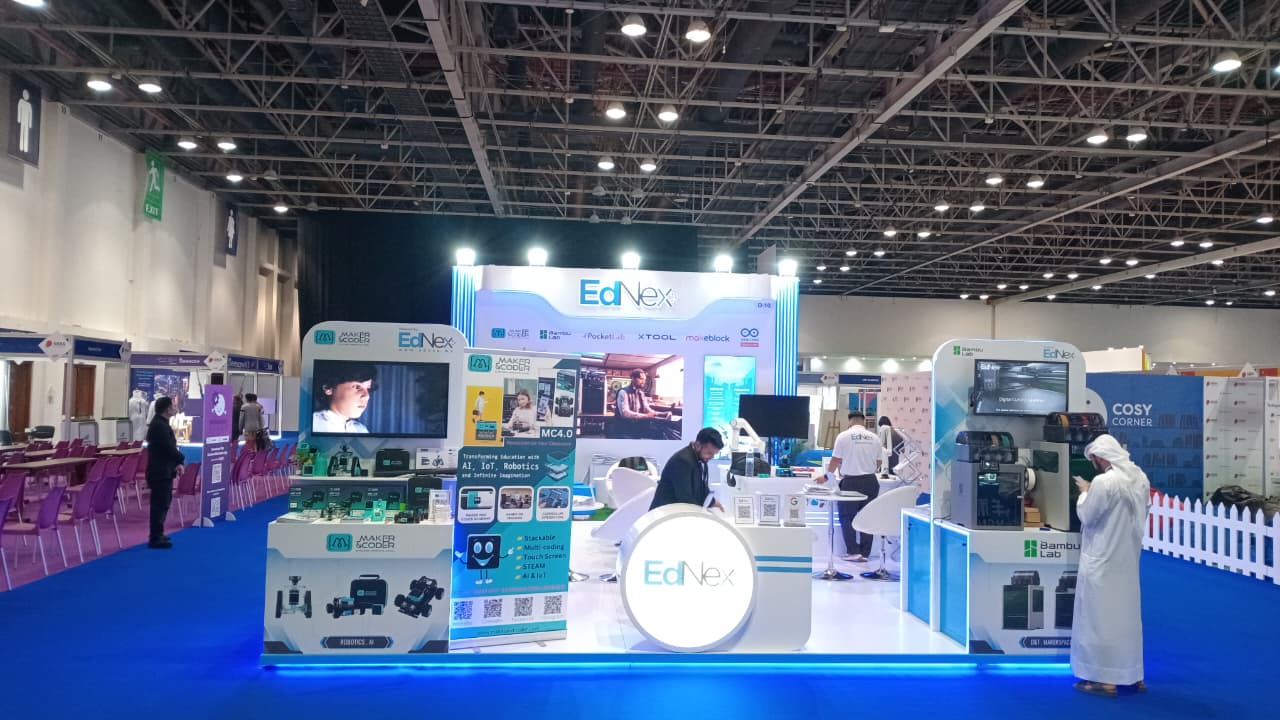
Ednex offers After-School STEM Programs for schools seeking to extend hands-on learning beyond regular lessons. These programs create another setting for students to explore questions through practical STEM activities, while STEAM Programs connect creative thinking with technical learning.
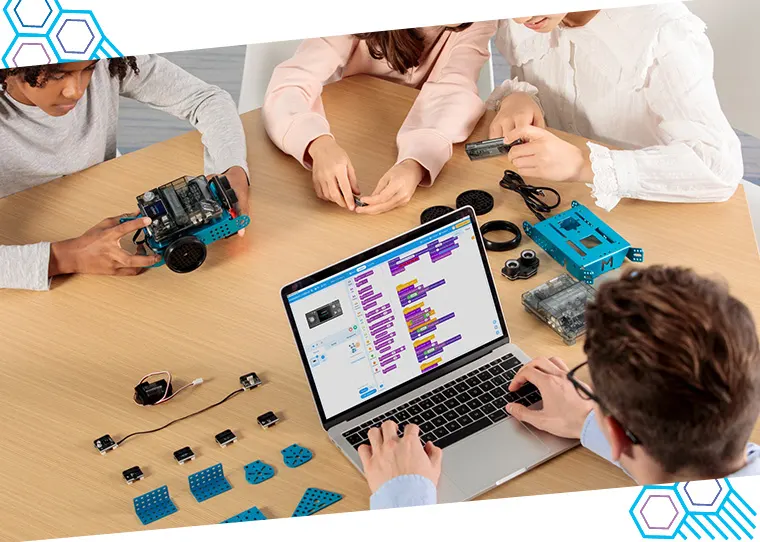
For schools bringing inquiry into robotics and coding, Ednex offers Robotics and Coding for schools and Arduino Education. These programs help educators connect concepts with making, testing, and refining student projects. They provide a practical next step for schools seeking structured opportunities for learners to investigate STEM ideas through applied work.
Contact Ednex to discuss how its After-School STEM Programs can support your school’s learning goals.
Shape the next stage of STEM learning
Start by identifying where investigation could make learning more meaningful in your school. Choose a challenge that fits your curriculum, available learning time, and students’ readiness to work independently. Then consider how educators can guide the process while leaving students room to explore and make decisions.
Different inquiry-based learning models for STEM can support this shift, from teacher-structured activities to open-ended projects. Ednex offers STEAM Programs, Robotics and Coding for schools, and Arduino Education to help schools build practical, hands-on STEM learning opportunities.
Start a conversation with Ednex about your school’s priorities and the right next step. Discuss STEM learning with Ednex and help create new opportunities for students to investigate, design, and grow.
Frequently Asked Questions
What is inquiry-based learning?
Inquiry-based learning is an approach in which students investigate questions and develop explanations using evidence. For example, learners studying plant growth might compare how light affects seedlings, record observations, and explain their conclusions. The teacher sets learning goals and supports the investigation, while students take an active role in building understanding. The appropriate balance of guidance depends on the learners and the task.
What evidence shows inquiry-based STEM learning improves student outcomes?
Inquiry-based STEM teaching can strengthen students’ conceptual understanding. Evidence of learning includes explaining a scientific idea in their own words, applying it to a new situation, or supporting a claim with observations. After testing materials, for instance, students could predict how an unfamiliar material will behave and justify their prediction. These measures show what students understand, not merely whether they completed an activity.
What are common challenges and risks of inquiry-based STEM instruction?
Inquiry can lose focus when a question is too broad or students lack the background knowledge to investigate it. Groups may also divide tasks unevenly, leaving some learners with little intellectual involvement. Teachers can reduce these risks by clarifying the learning goal, checking progress during the investigation, and asking each student to explain a decision. Without these checkpoints, an engaging project may generate activity without clear learning.
How can inquiry-based STEM learning be assessed?
Assess understanding through more than the final answer: consider how students justify conclusions and apply ideas in a different context. A teacher might ask each learner to annotate a data display, explain a pattern, and respond to a follow-up problem. Combining individual evidence with a team product helps distinguish personal understanding from group performance. Feedback is most useful when it identifies a specific next step.
What classroom resources and technology support inquiry-based STEM learning?
Useful resources depend on the question being investigated. A simple materials test may need samples, measuring tools, and a recording sheet; a coding task may need computers and a test environment. Sensors can capture changing conditions, while spreadsheets help organise measurements and reveal patterns. Choose tools that make evidence easier to gather and interpret, rather than adding technology without a clear learning purpose.
Related Posts ...
Comments are disabled