


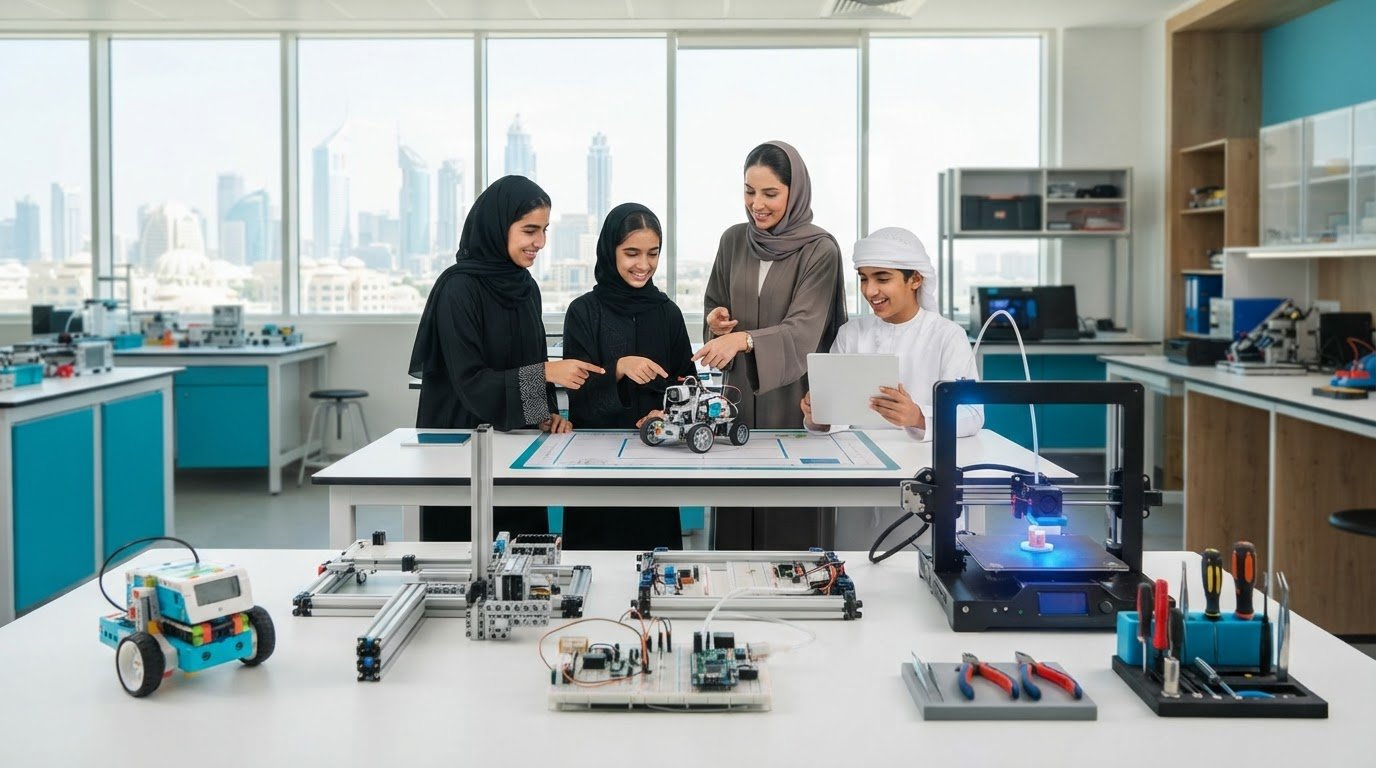
STEM Lab Equipment Suppliers for GCC Schools
For UAE schools, AI, robotics and STEM learning can be supported through coding programs, AI and IoT labs, makerspaces, AR and VR solutions, and engineering lab setups. The right STEM lab equipment suppliers across the GCC help schools connect these tools to practical learning goals, available space and students’ needs. In the UAE, this work aligns with the National AI Strategy 2031 and the long-term vision of UAE Centennial 2071.
Choosing equipment is only one part of the decision. Schools also need to consider how learners will use the technology, how it fits the curriculum and whether the setup can support meaningful, hands-on projects. This guide outlines the AI, robotics and STEM solutions available to schools, what to assess in a regional education supplier, and how integrated programs and lab design can turn a technology investment into a structured learning environment.
Key Takeaways
- Assess education technology providers by how well their solutions fit your learning goals, curriculum and implementation needs.
- Compare regional suppliers by country and match their STEM capabilities to the needs of your school or institution.
- Understand how the scope of a lab setup and the equipment selected shape a project’s cost.
- Explore how STEAM programs, robotics and coding, Arduino Education and future science labs can support hands-on learning.
What should a school group look for in a regional AI or robotics education company?
Choose a provider by matching its learning solutions to your school’s goals, equipment needs and implementation scope. Comparing STEM lab equipment suppliers across the GCC is more useful when every proposal responds to the same practical requirements.
Regional Provider Evaluation
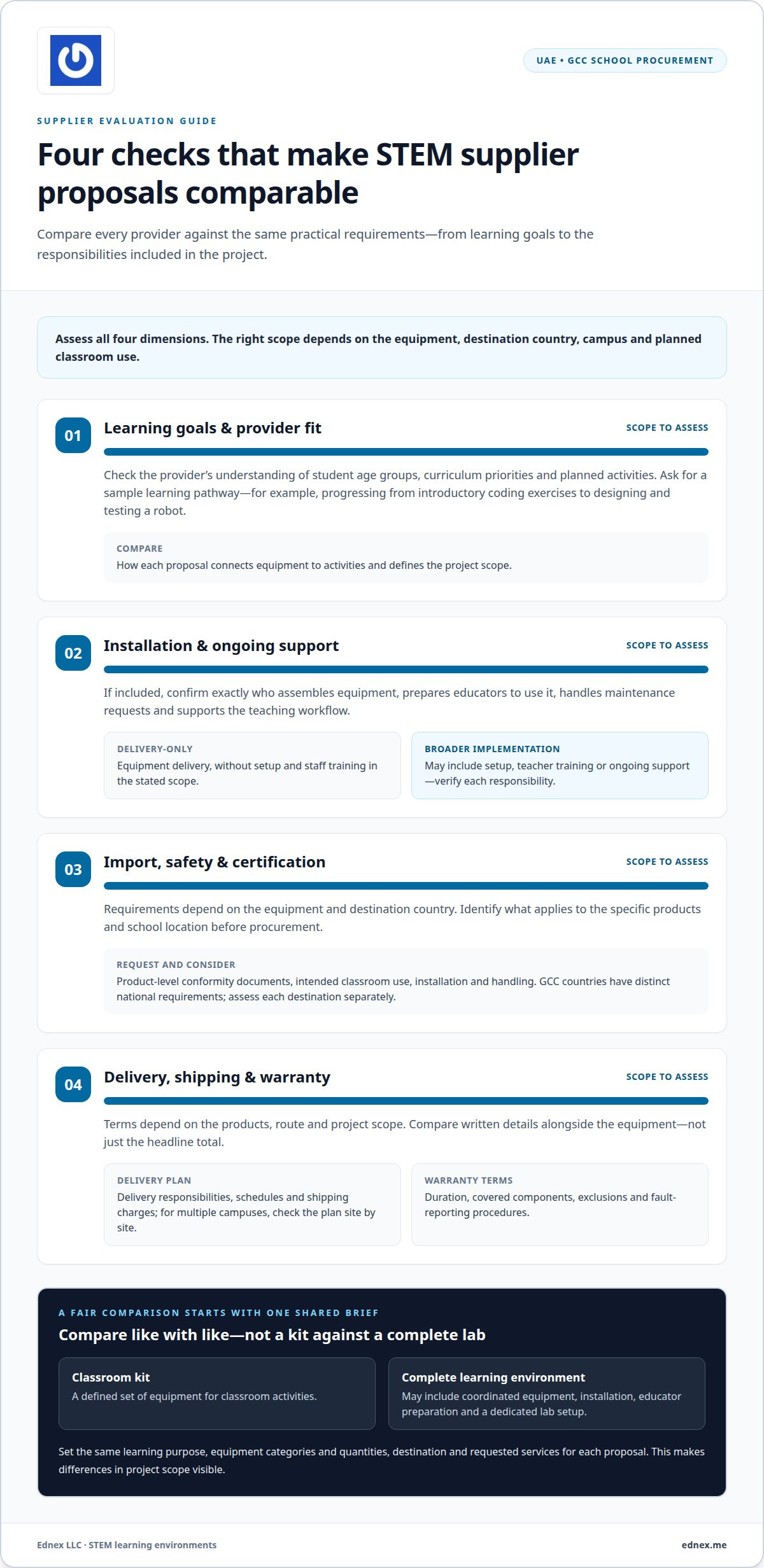
Assess whether the provider understands your students’ age groups, curriculum priorities and planned classroom activities. Request a sample learning pathway, such as moving from introductory coding exercises to designing and testing a robot. Compare how each proposal links equipment to those activities and defines the project scope. This helps distinguish a kit supplier from a partner that plans a complete learning environment.
Installation and Ongoing Support
If a proposal includes installation, teacher training, maintenance or after-sales support, check that it defines each responsibility. Compare who assembles the equipment, prepares educators to use it and handles maintenance requests. A robotics classroom, for example, needs a clear handover covering both equipment and teaching workflow. A delivery-only proposal has a different scope from one that includes setup and staff training.
Import, Safety, and Certification Requirements
Import processes, safety considerations and conformity documents depend on the equipment and destination country. Before procurement, identify the requirements for the specific products and school location. Request product-level documentation and consider intended classroom use, installation and handling. GCC countries have distinct national requirements, so assess a regional order for each destination rather than treating compliance as a single shared process.
Delivery, Shipping, and Warranty Terms
Delivery schedules, shipping charges and warranty coverage depend on the products, route and project scope. Compare written proposals for delivery responsibilities, warranty duration, covered components, exclusions and fault-reporting procedures. For a multi-campus project, look for a site-by-site delivery plan. When comparing STEM lab equipment suppliers in the GCC, consider these details alongside equipment scope instead of relying on a headline total.
Which STEM lab equipment suppliers are based in the UAE, Saudi Arabia, Qatar, Kuwait, Bahrain, and Oman?
A supplier’s base and its delivery reach are not the same. Compare the company’s location, local project capability and equipment scope rather than assuming one GCC-wide catalogue meets every school’s needs.
National priorities can also help frame institutional demand. These vision names describe each country’s direction, not a directory of suppliers:
- United Arab Emirates: UAE Centennial 2071 and the National AI Strategy 2031 frame long-term priorities for education and technology.
- Saudi Arabia: Vision 2030 provides the national context for schools assessing STEM and AI learning needs.
- Qatar: Qatar National Vision 2030 offers a reference point for aligning school lab investments with national ambitions.
- Kuwait: New Kuwait Vision 2035 gives institutions a strategic context for reviewing technical education requirements.
- Bahrain: Bahrain Economic Vision 2030 can inform decisions about applied learning and technology education.
- Oman: Oman Vision 2040 provides a national frame for planning future-ready learning environments.
For a practical comparison, use the same project scope across locations. Record whether the company is based in the country or serves schools there. Group requirements by solution, such as robotics and coding, AI learning, makerspaces or engineering labs. Then compare whether each proposal covers equipment, installation, teacher training and ongoing support. This prevents comparing a classroom kit with a complete laboratory setup.
For UAE schools, also consider whether the proposed learning pathway supports the National AI Strategy 2031. A supplier’s regional reach matters most when it aligns with the school’s actual campus, curriculum and implementation needs. Explore regional STEM lab planning as one route for connecting learning goals with a suitable lab scope.
Saudi Arabia’s national AI curriculum is reaching 6M+ students. Schools can use this context when assessing equipment and implementation scope, asking suppliers how proposed AI and STEM activities fit the intended curriculum, whether equipment suits planned sessions, and what training and support the project includes.
Across the listed markets, a clear written scope helps distinguish a supplier’s presence from its delivery capability. Before comparing proposals, establish which country the supplier serves, which learning areas it covers and what responsibilities the project includes.
What are the prices of STEM lab kits and classroom equipment from GCC suppliers
STEM equipment costs in the UAE depend on whether a school needs individual classroom kits or a complete laboratory setup. A classroom robotics kit and an engineering lab represent different procurement scopes. Compare equivalent equipment and services rather than headline totals.
For school procurement in the UAE, the quoted price depends on the project scope. Key cost factors include equipment type and quantity, intended lab use, installation, teacher training and delivery arrangements. Classroom kits are a different project from coordinated equipment and a dedicated lab environment.
To make supplier proposals comparable, define the project scope before requesting quotations. Include:
- Learning purpose: Identify whether the requirement is coding, robotics, AI activities or engineering practice.
- Equipment list: Specify the categories and quantities needed for each classroom or lab.
- Project services: Separate equipment supply from installation and teacher training.
- Delivery details: Record the campus destination and the delivery scope shown in each proposal.
Review each quotation line by line. Check that quantities match the school’s request, and separate equipment from implementation services. A proposal for robotics components, for example, may differ from one that also covers lab setup and educator training. Treating these as equivalent can hide important differences in project coverage.
For a UAE school group, request the quotation in AED and assess the scope against the planned learning outcomes. Prioritize what students need to build, test or program, then match the equipment to those activities. A clearly defined request helps procurement teams compare like with like, spot omitted project elements and make a decision based on educational value rather than an isolated product price.
Prices are quoted according to the equipment and services included in the school’s requested scope.
Which GCC suppliers offer school, university, and research laboratory solutions?
Match a supplier to the institution and lab scope, not simply its country listing. A school robotics classroom, a university engineering lab and a research facility need different equipment, implementation plans and learning outcomes. For GCC procurement, distinguish providers that design complete lab environments from those supplying individual classroom equipment.
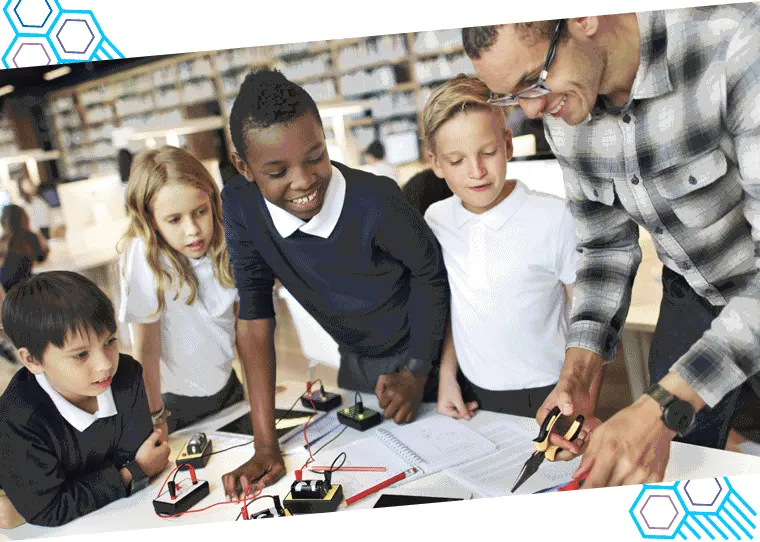
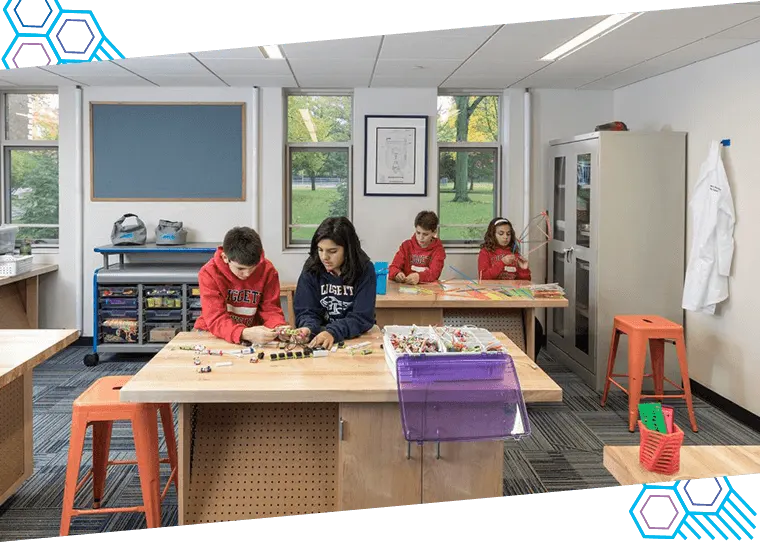
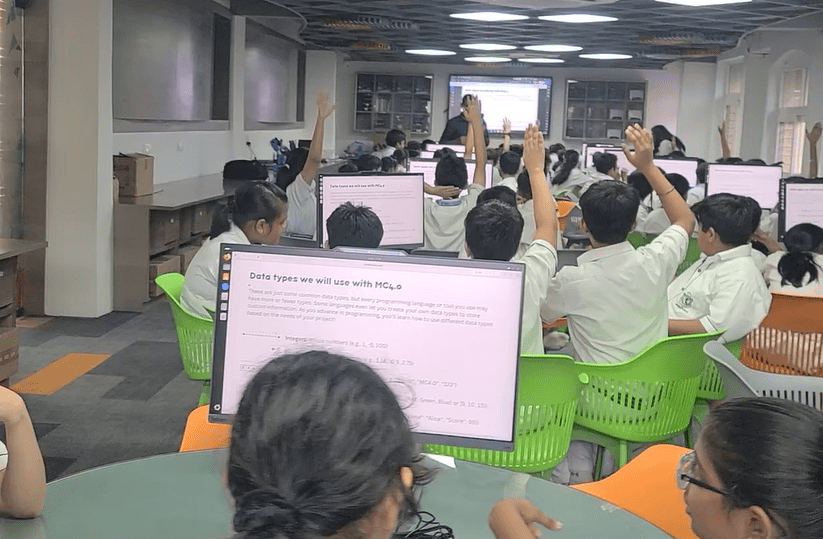
For K-12 schools, assess whether a provider can connect practical activities with the curriculum. A robotics and coding environment, for example, should support students as they progress from programming tasks to building and testing projects. Ask the supplier to map the equipment to classroom use, educator preparation and the school’s intended learning pathway.
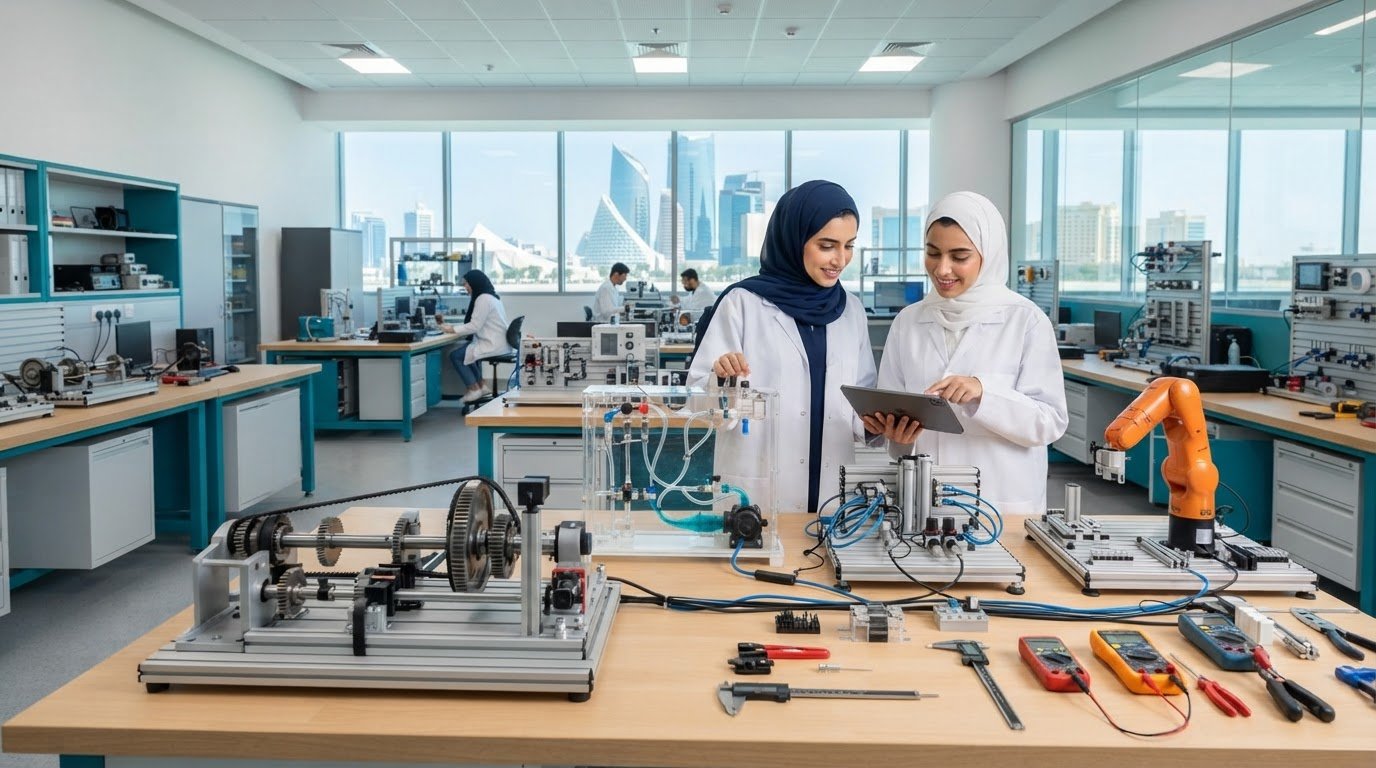
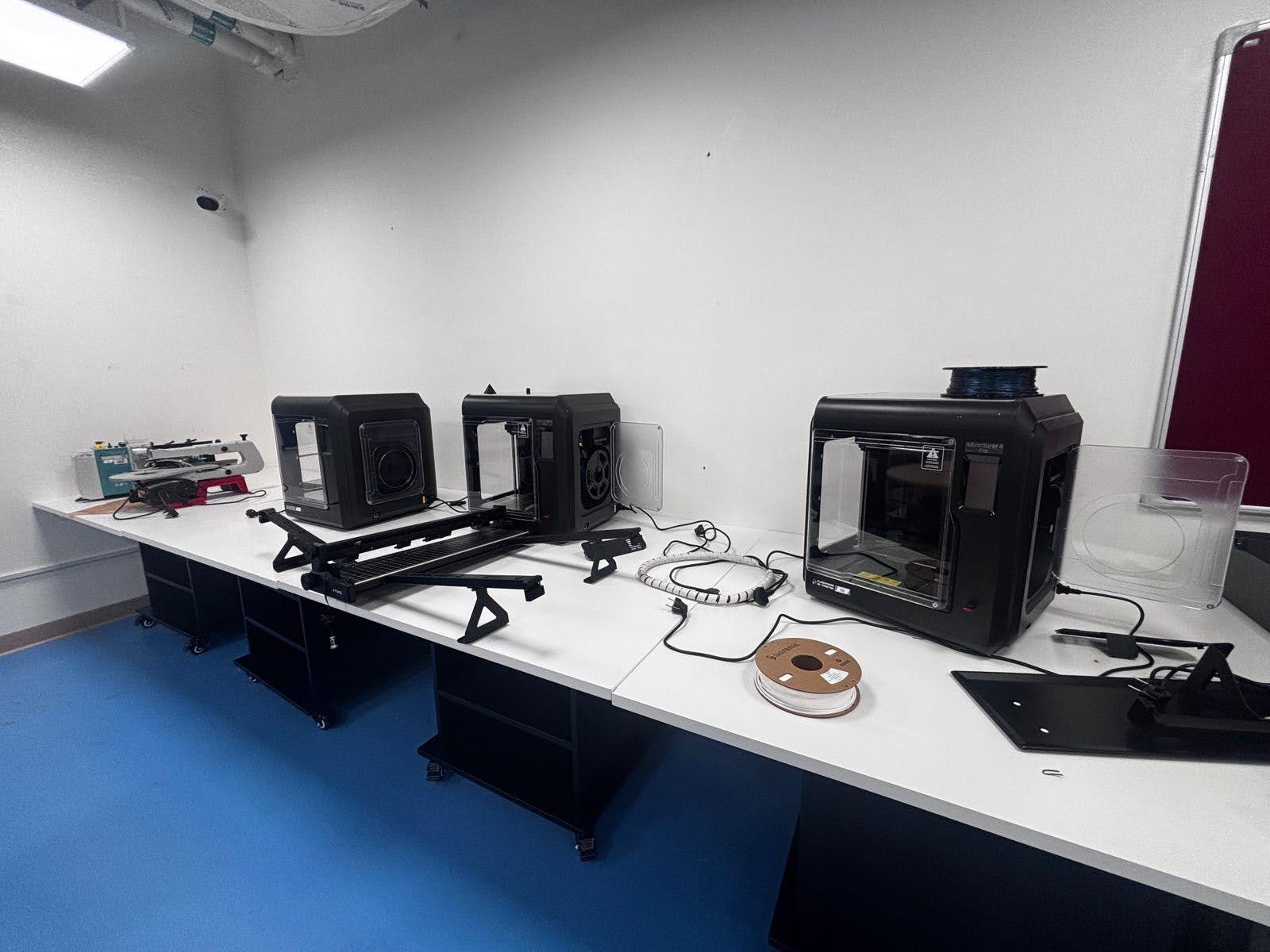
Universities and vocational institutions often need discipline-specific environments. Assess whether a provider can plan facilities around a department’s practical requirements, such as mechatronics, civil engineering or renewable energy. A useful proposal explains how the equipment, lab layout and intended student activities work together, rather than grouping unrelated items.
Research laboratories need a distinct project brief. Define the research activity, equipment categories, installation requirements and intended use of the space. Then assess whether the proposal addresses those requirements directly. A school kit is not equivalent to a specialist university or research setup.
Use these steps to shortlist suppliers serving the UAE and wider GCC:
- Set the institution type: identify a school, university, vocational centre or research facility.
- Define the lab purpose: name the discipline, learner activities and intended outcomes.
- Compare project scope: separate equipment supply from lab design, installation and training.
- Review regional fit: align the proposal with the campus location and implementation needs.
For UAE institutions shaping practical learning environments, plan an education laboratory project around the learners, discipline and intended use.
Ednex: STEAM Programs
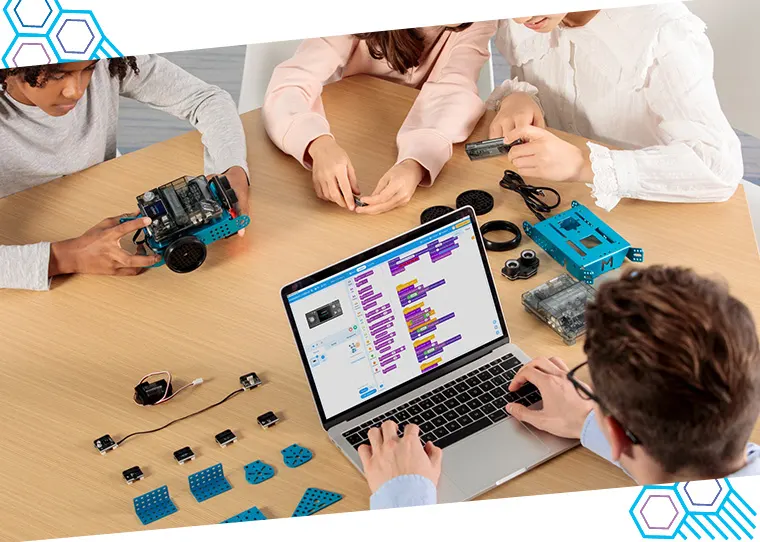
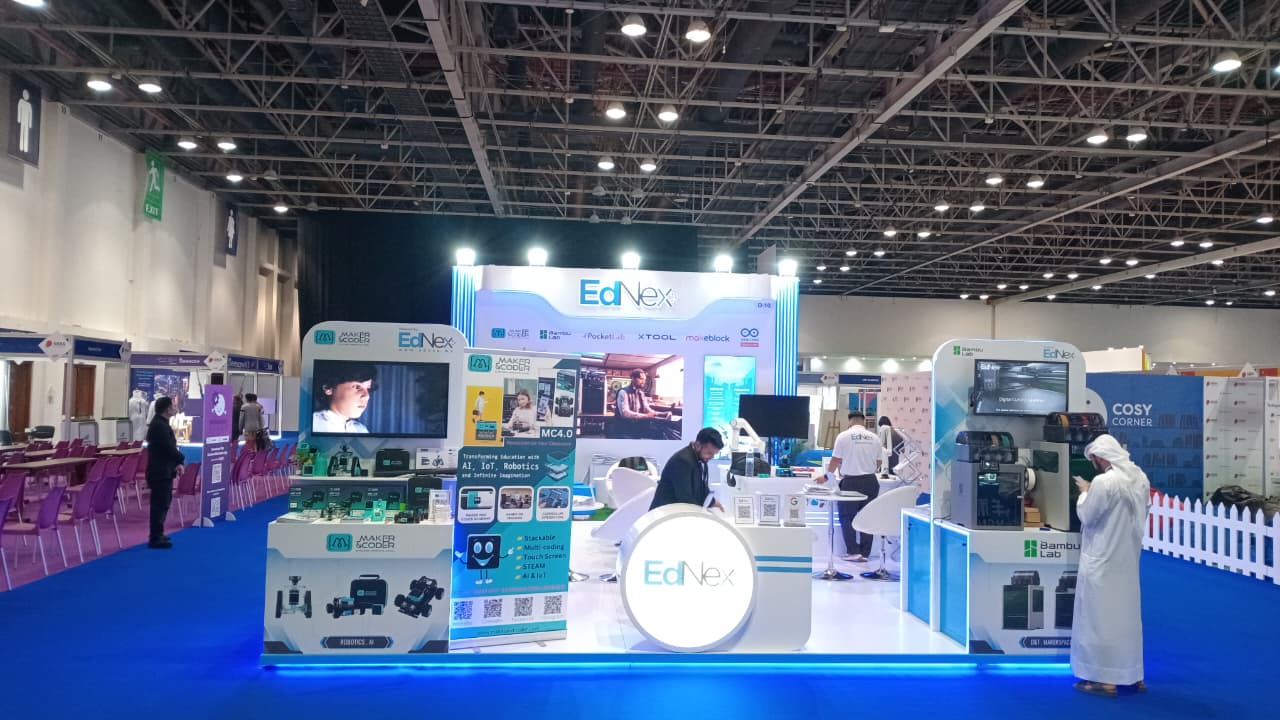
Ednex supports schools in the UAE with STEAM Programs and Robotics and Coding for schools, connecting STEM goals with practical learning. These offerings can help schools plan activities around student projects, coding practice and applied exploration. Institutions developing a dedicated learning environment can also consider Arduino Education and Future Science Lab Setup.
Turn to Ednex when planning a new program or connecting classroom learning with a future lab setup. Start by outlining the learners, learning goals and hands-on experience your school wants to create. These priorities give the planning process a clear educational focus.
To discuss your school’s STEM learning plans, contact Ednex through its website.
Shape the Next Stage of Learning
A useful next step is to turn your school’s ambitions into a clear learning pathway. Define the skills students should develop, the projects they should complete and how educators will bring that learning into the classroom. With these priorities established, you can choose more purposefully among STEM lab equipment suppliers in the GCC and build a plan that can evolve with your learners.
Ednex offers STEAM Programs, Robotics and Coding for schools, and Arduino Education to connect hands-on activities with classroom learning. Start by identifying which offering best fits your students and your institution’s direction.
Explore school STEM solutions with Ednex and take the next step toward a more engaging learning experience. Your future-ready pathway starts with a clear educational purpose.
Frequently Asked Questions
Which suppliers provide STEM lab equipment in the GCC countries?
Supplier options vary by country and project scope. In the UAE, Ednex provides educational laboratory solutions for schools, higher education and vocational training. A school planning a robotics learning environment can explore Robotics and Coding for schools, while an institution developing technical facilities can consider Ednex’s engineering lab solutions. Match the offering to your institution and the learning environment you need.
What STEM lab equipment and educational robotics products do GCC suppliers offer?
Offerings range from classroom robotics and coding education to dedicated technical labs. Ednex’s UAE portfolio includes Arduino Education, AR and VR solutions, Makerspaces, AI and IoT labs, and engineering environments such as Mechatronics and Robotics Labs. Schools can use robotics and coding activities for project-based learning, while higher education institutions can explore specialist labs aligned with their technical disciplines.
How do STEM equipment suppliers in the GCC compare on product range, brands, and service?
Compare suppliers by solution breadth, named equipment brands and the project services included in their proposals. Ednex’s offerings range from STEAM and robotics education to specialized laboratories, with globally aligned programs and hands-on learning. For a practical comparison, map each proposal against your institution’s needs, identify any named brands, and distinguish equipment supply from design and implementation services.
Related Posts ...
Comments are disabled