


Hybrid Lab Models: How Universities Are Combining Physical and Virtual Labs for Better Outcomes
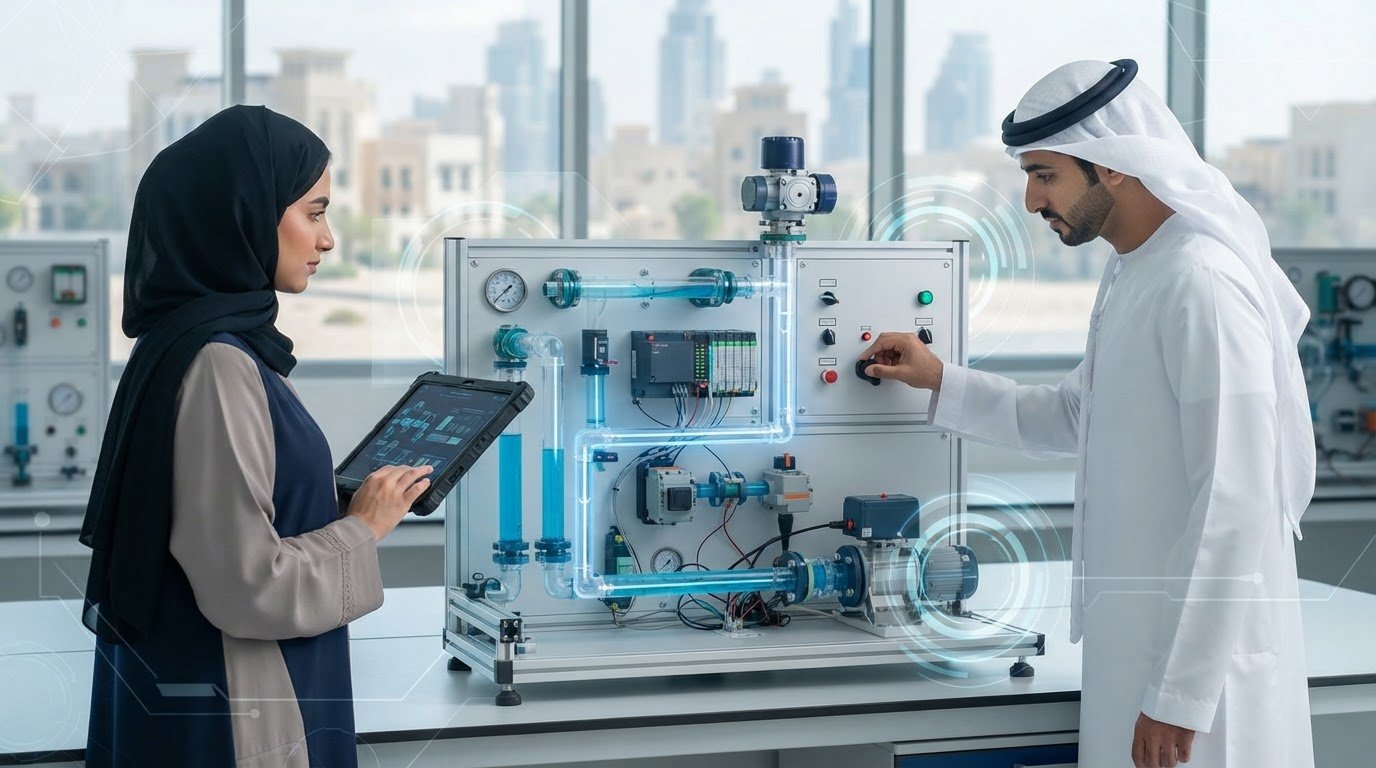
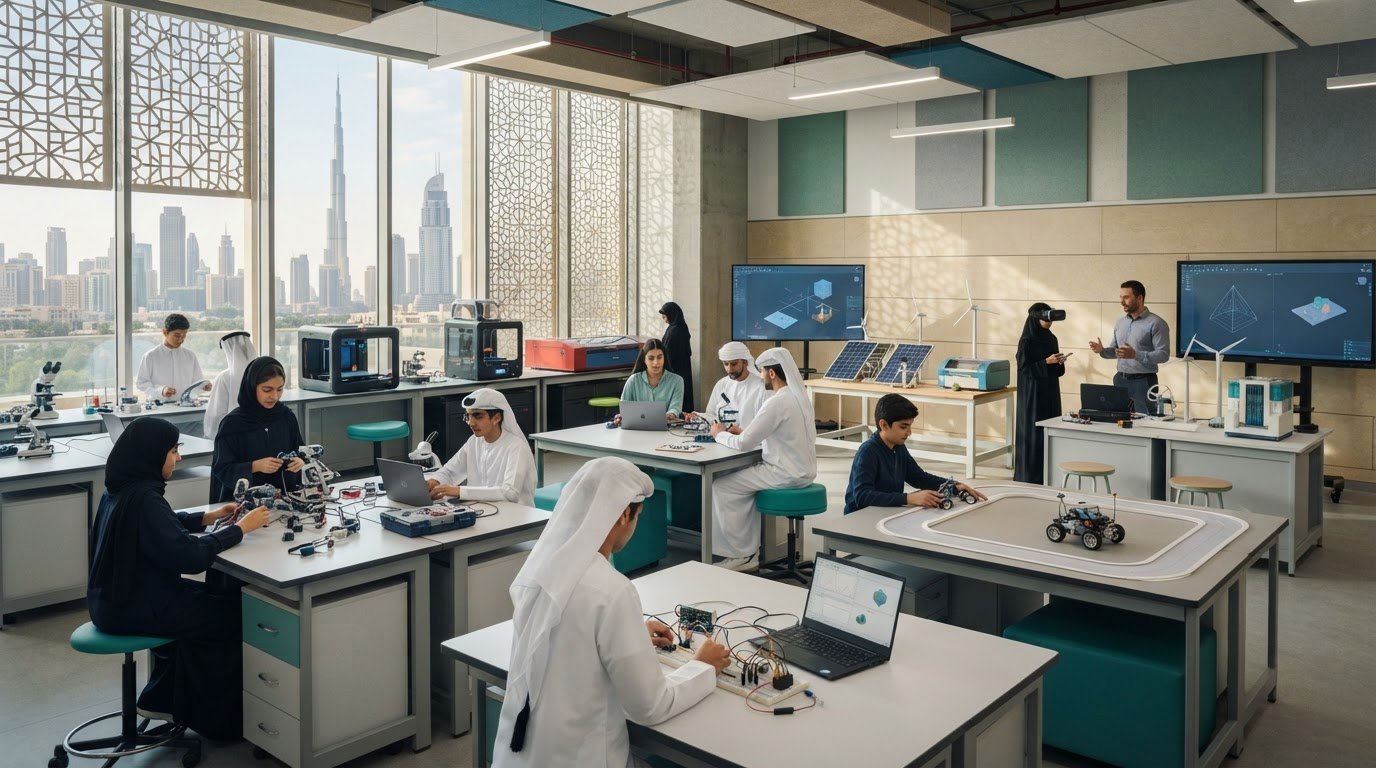
University engineering departments face a persistent tension: physical laboratories deliver irreplaceable hands-on competence, yet they constrain access, consume capital, and limit the range of experiments a cohort can safely perform. Hybrid Lab Models resolve this tension by integrating physical apparatus with virtual simulation into a single, coordinated instructional system. This article defines the hybrid model, explains how universities combine physical and virtual environments, documents the instructional benefits, and outlines the implementation criteria that govern successful deployment. Readers will gain a structured reference covering the following:
- The defining characteristics of hybrid laboratories in education
- How universities integrate physical and virtual labs into a unified workflow
- The instructional and operational benefits of the hybrid approach
- Implementation considerations and a procurement framework
What Are Hybrid Lab Models?
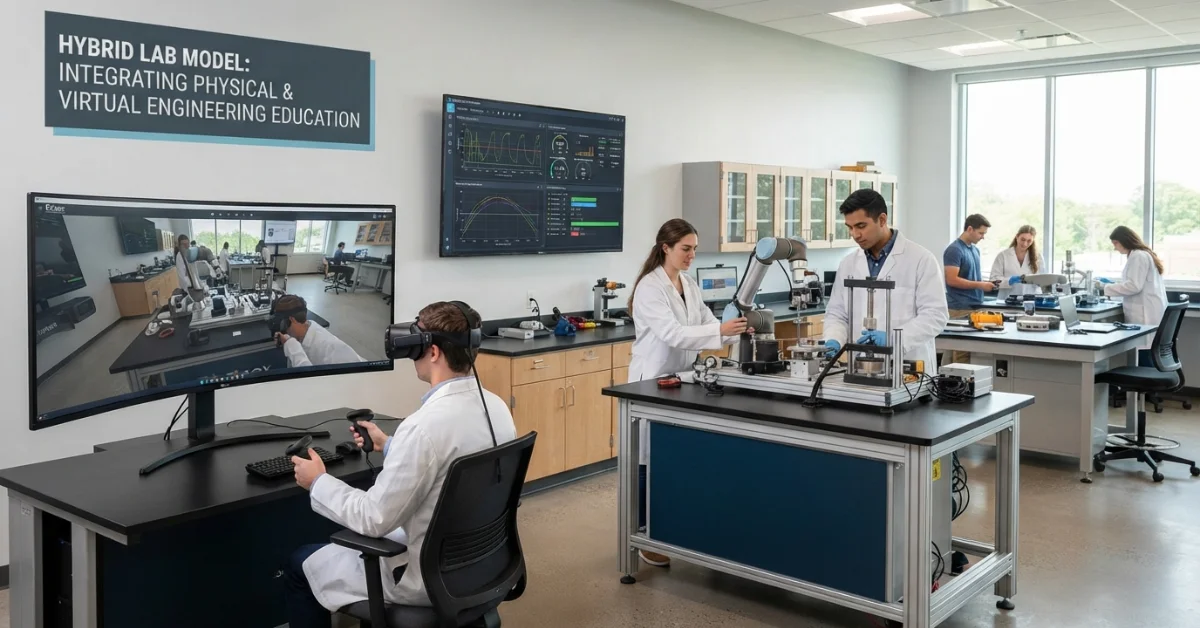
Hybrid Lab Models are instructional configurations that combine physical laboratory equipment with virtual simulation platforms to deliver a single, continuous learning experience. The model treats physical and virtual resources as complementary layers rather than competing alternatives, sequencing them so each reinforces the other.
A functional hybrid laboratory delivers the following capacities:
- Simulate experiments virtually before students touch physical equipment.
- Reinforce simulated concepts through supervised physical practice.
- Extend access beyond scheduled lab hours through remote virtual platforms.
- Capture performance data across both physical and virtual sessions.
- Scale instruction to larger cohorts without proportional equipment expansion.
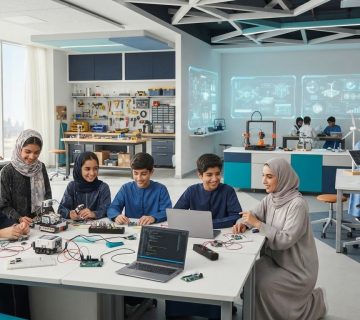
The defining characteristic of a hybrid model is integration. Physical and Virtual Labs operate as a coordinated workflow, where virtual preparation precedes physical execution and virtual analysis follows it. Consequently, the hybrid approach functions less as two separate facilities and more as one instructional system with two interoperable modes.
How Universities Integrate Physical and Virtual Labs
Integration follows a structured sequence that maps each learning stage to the most suitable environment. Universities that implement Hybrid Laboratories in Education typically organize instruction around a pre-lab, in-lab, and post-lab progression.
The Pre-Lab Virtual Stage
Students complete virtual simulations before entering the physical laboratory. This stage builds familiarity with procedures, equipment behavior, and safety protocols without consuming physical resources or exposing inexperienced students to risk.
- Rehearse experimental procedures in a risk-free simulated environment.
- Familiarize with equipment interfaces and measurement workflows.
- Test hypotheses across parameter ranges before committing physical materials.
The instructional value of the pre-lab stage rests on preparation. Students who arrive having already navigated the procedure complete physical sessions faster and with fewer errors, which raises laboratory throughput and reduces consumable waste.
The In-Lab Physical Stage
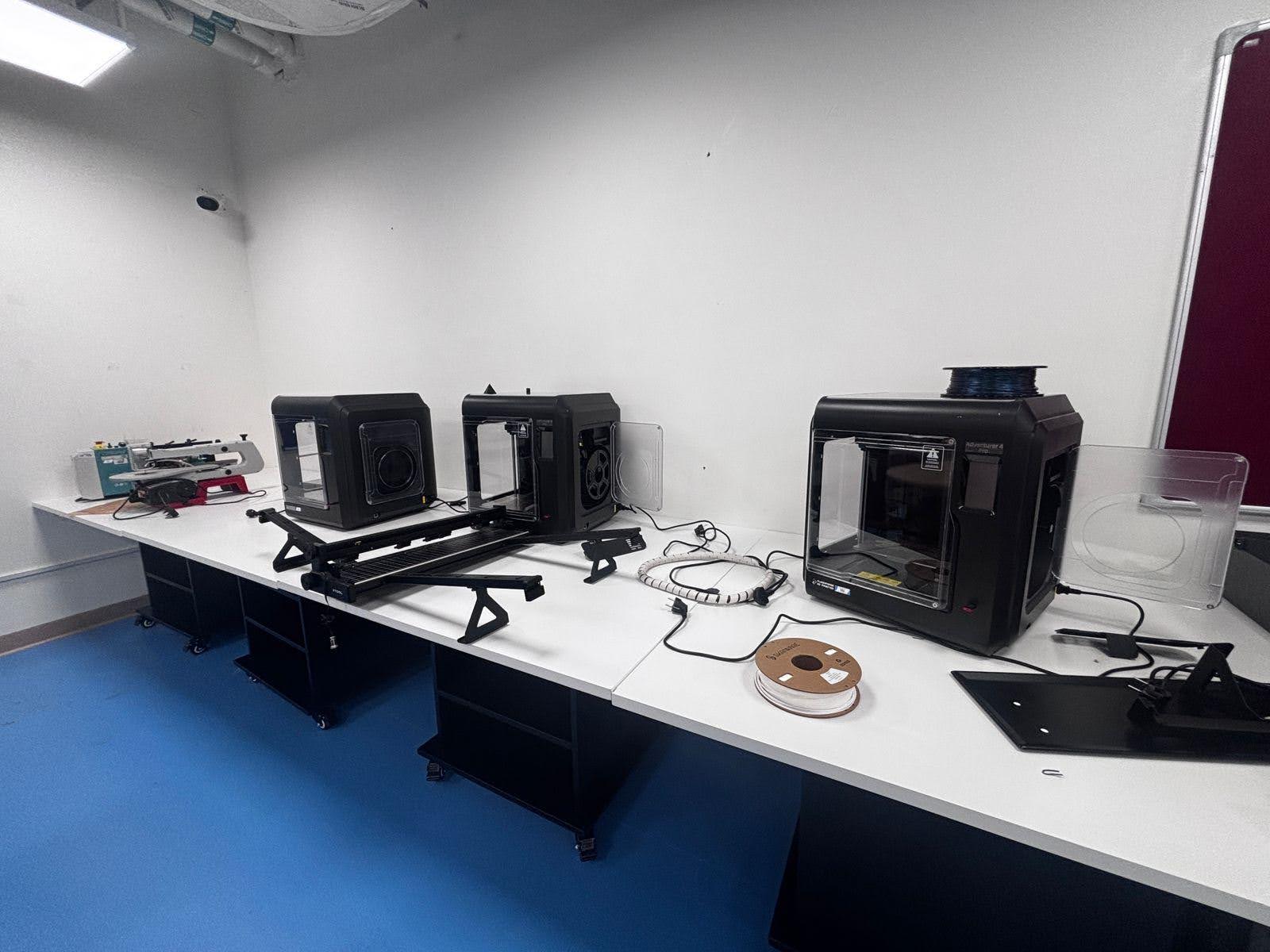
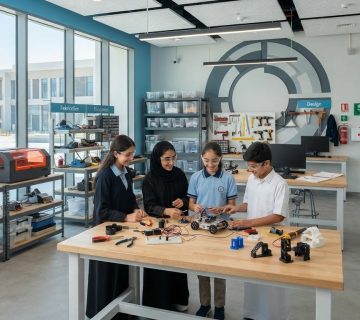
Students then execute the experiment on physical equipment under supervision. This stage delivers the tactile competence, measurement discipline, and equipment handling that simulation alone cannot reproduce.
- Operate real instruments and observe genuine physical behavior.
- Develop measurement, calibration, and troubleshooting competence.
- Encounter the variability and uncertainty absent from idealized simulation.
The physical stage remains the irreplaceable core of Engineering Education Labs. No simulation conveys the friction, noise, and measurement uncertainty of real hardware, and these conditions develop the professional judgment that industry expects.
The Post-Lab Virtual Stage
After physical execution, students return to virtual platforms to analyze data, repeat scenarios, and explore conditions the physical lab cannot safely or economically reproduce.
- Analyze captured data within integrated software environments.
- Repeat experiments at scales or hazard levels physical labs prohibit.
- Compare simulated predictions against physical results to assess deviation.
This closing stage consolidates learning by connecting measured outcomes to theoretical models, which strengthens retention beyond what a single physical session achieves.
The Instructional Benefits of Hybrid Lab Models
The hybrid approach produces measurable improvements across access, comprehension, cost, and safety. These benefits explain the accelerating adoption of Virtual Lab Solutions within engineering faculties.
- Expanded access: Virtual layers extend practice beyond fixed lab hours and physical equipment limits, raising the effective instrument-to-student ratio.
- Improved comprehension: Sequenced preparation and analysis reinforce concepts across three touchpoints rather than one, strengthening retention.
- Reduced cost: Virtual rehearsal cuts consumable waste and equipment wear, extending the service life of capital apparatus.
- Enhanced safety: Students rehearse hazardous procedures virtually before physical execution, reducing incident risk and supervision burden.
- Scalable throughput: Departments serve larger cohorts without proportional increases in physical equipment or floor space.
A representative outcome illustrates the effect. A department that introduces pre-lab simulation commonly reports faster physical session completion and reduced consumable expenditure, because students arrive prepared rather than learning the procedure at the bench. The combined result is higher throughput from the same physical footprint.
Key takeaway: The hybrid model multiplies the value of existing physical equipment by surrounding it with virtual preparation and analysis, rather than replacing it.
Addressing Common Concerns
Departments evaluating hybrid models raise predictable objections. Addressing them directly clarifies where the approach fits and where it requires caution.
“Will virtual labs replace physical equipment?” No. The hybrid model positions simulation as preparation and extension, not substitution. Physical practice remains essential for tactile competence, and the model is designed to protect rather than displace it.
“How does this integrate with our existing systems?” Leading virtual platforms adhere to open standards and export data in common formats, which supports integration with existing learning management systems and data acquisition hardware. Compatibility with legacy equipment should be verified during procurement, but interoperability is now a standard platform feature rather than an exception.
“Is the initial investment justified?” The recurring savings on consumables, equipment wear, and expanded cohort capacity offset platform licensing over time. A total cost of ownership analysis, rather than initial outlay alone, demonstrates the return.
Implementation Considerations
Effective deployment aligns the hybrid configuration with curriculum objectives, infrastructure capacity, and budget parameters. Institutions should evaluate the following criteria before committing to a hybrid model.
- Curriculum alignment: Map each learning outcome to the environment best suited to deliver it, ensuring virtual and physical stages reinforce rather than duplicate one another.
- Platform interoperability: Select virtual solutions that support open standards and integrate with existing learning management and data acquisition systems.
- Infrastructure capacity: Confirm that network bandwidth, computing hardware, and remote access provisions support concurrent virtual use across cohorts.
- Instructor readiness: Provide staff training in both platform management and the pedagogical sequencing that hybrid delivery requires.
- Data integration: Ensure performance data from physical and virtual sessions consolidates within a single analytics environment for assessment.
- Total cost of ownership: Evaluate licensing, maintenance, and infrastructure against consumable savings and expanded capacity, not initial price alone.
- Scalability: Choose modular platforms that expand with enrollment and curriculum scope.
The recommended approach is phased adoption. Departments introduce virtual pre-lab and post-lab stages around existing physical equipment first, measure the effect on throughput and outcomes, then expand the virtual layer as results justify further investment. This sequence protects capital while building institutional confidence in the model.
Conclusion
Hybrid Lab Models integrate physical equipment with virtual simulation into a single instructional system that sequences preparation, execution, and analysis across complementary environments. The model expands access, improves comprehension, reduces cost, enhances safety, and scales throughput without displacing the hands-on practice that engineering competence requires. Successful implementation depends on curriculum alignment, platform interoperability, infrastructure capacity, instructor readiness, and total cost evaluation. A phased rollout that wraps virtual preparation and analysis around existing physical equipment delivers measurable gains while protecting capital investment.
Ednex designs and equips hybrid laboratory solutions for university engineering departments, aligning physical equipment, virtual platforms, and curriculum support with learning outcomes, accreditation standards, and budget parameters. Contact Ednex today to design a hybrid laboratory matched to your program objectives.
Frequently Asked Questions
What is a hybrid lab model?
A hybrid lab model is an instructional configuration that combines physical laboratory equipment with virtual simulation platforms into a single, coordinated learning experience. It sequences virtual preparation, physical execution, and virtual analysis so each stage reinforces the others, treating physical and virtual resources as complementary layers rather than competing alternatives.
How do universities combine physical and virtual labs?
Universities organize hybrid instruction around a three-stage progression. Students complete virtual simulations before lab sessions to build familiarity, execute the experiment on physical equipment under supervision, then return to virtual platforms to analyze data and repeat scenarios. This sequence maps each learning stage to the environment best suited to deliver it.
Do virtual labs replace physical laboratory equipment?
No. Hybrid models position virtual simulation as preparation and extension, not substitution. Physical practice remains essential for tactile competence, measurement discipline, and equipment handling that simulation cannot reproduce. The model is designed to protect and multiply the value of physical equipment, not displace it.
What are the main benefits of hybrid laboratories in education?
Hybrid laboratories expand access beyond fixed lab hours, improve comprehension through repeated reinforcement, reduce consumable and equipment costs, enhance safety through virtual rehearsal of hazardous procedures, and scale throughput to larger cohorts without proportional equipment expansion. Together these raise the effective return on existing physical apparatus.
How do virtual lab solutions integrate with existing university systems?
Leading virtual platforms adhere to open standards and export data in common formats, supporting integration with existing learning management systems and data acquisition hardware. Compatibility with legacy equipment should be verified during procurement, but interoperability is now a standard platform feature rather than an exception.
Are hybrid lab models cost-effective for engineering education labs?
Yes, when evaluated across total cost of ownership. Virtual rehearsal reduces consumable waste and equipment wear, extending the service life of capital apparatus, while expanded cohort capacity raises throughput from the same physical footprint. These recurring savings offset platform licensing over time.
What infrastructure does a hybrid laboratory require?
A hybrid laboratory requires sufficient network bandwidth and computing hardware to support concurrent virtual use, remote access provisions for off-hours practice, virtual platforms that integrate with existing systems, and a consolidated analytics environment that captures performance data from both physical and virtual sessions.
How should a university begin implementing a hybrid lab model?
Universities should adopt the model in phases. The recommended starting point introduces virtual pre-lab and post-lab stages around existing physical equipment, measures the effect on throughput and learning outcomes, then expands the virtual layer as results justify. This phased sequence protects capital while building institutional confidence.
Author Bio
Ednex is a provider of educational laboratory solutions specializing in hybrid, physical, and virtual learning environments. Ednex supplies physical laboratory equipment, virtual simulation platforms, and complete hybrid laboratory configurations for university engineering departments, aligning equipment specifications, software integration, and curriculum support with learning outcomes, accreditation standards, and budget parameters. Through structured provisioning and technical support, Ednex enables institutions to deliver scalable, outcome-aligned engineering instruction.
Related Posts ...
Comments are disabled