




What Is Advanced Manufacturing Technology, and Why Are Universities Investing in It?
Manufacturing is changing rapidly. Technologies such as robotics, automation, additive manufacturing, computer numerical control, digital twins, industrial Internet of Things (IIoT), artificial intelligence, and smart production systems are transforming how products are designed, manufactured, tested, and maintained.
As these technologies become more common in industry, universities are rethinking how manufacturing engineering and related disciplines are taught.
Traditional manufacturing laboratories remain important, but students increasingly need exposure to digitally connected production environments. They need to understand not only how machines operate, but also how data, automation, software, robotics, and intelligent systems work together across a modern manufacturing process.
This is one reason universities are investing in Advanced Manufacturing Technology Labs.
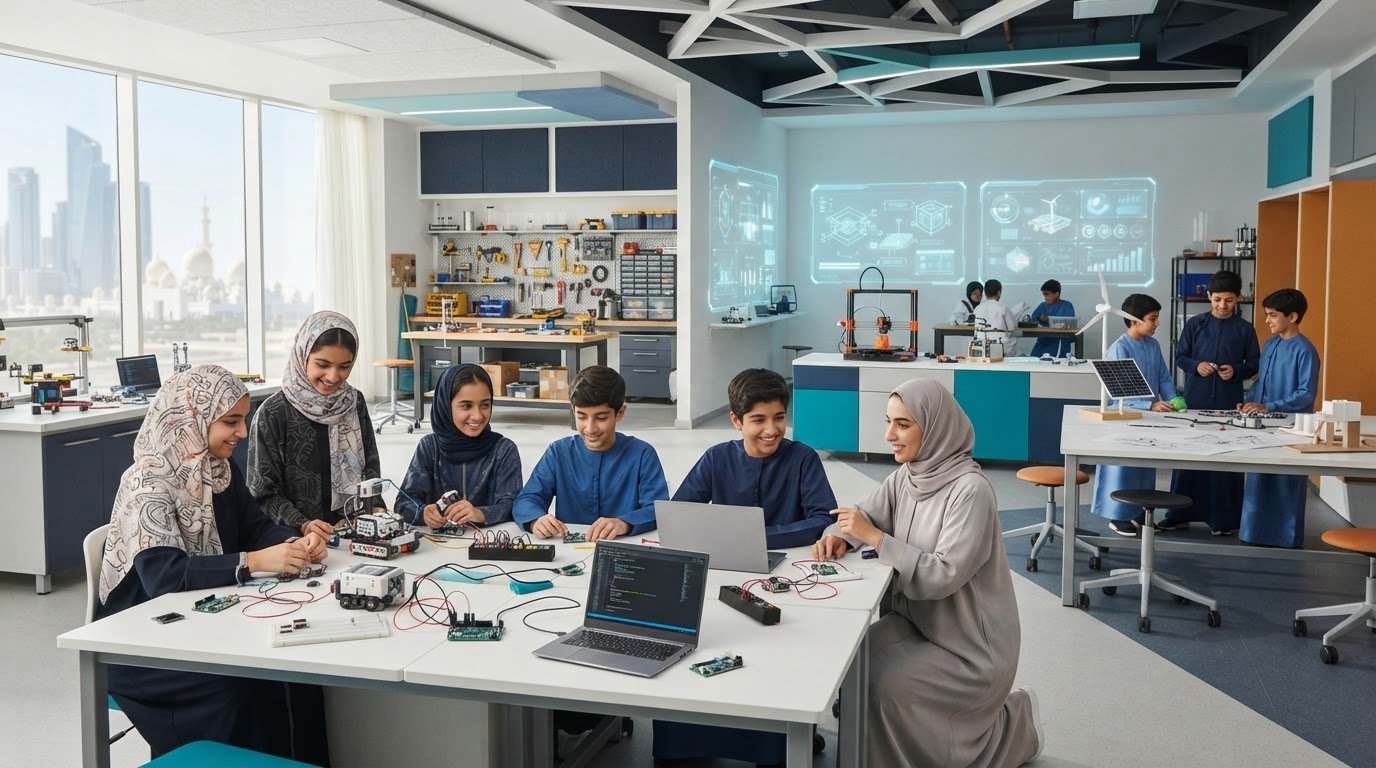
These laboratories provide students with opportunities to move beyond theoretical concepts and gain practical experience with technologies used in modern industrial environments.
What Is Advanced Manufacturing Technology?
Advanced manufacturing technology refers to modern technologies, processes, and systems used to improve the design, production, automation, monitoring, and management of manufactured products.
It can bring together mechanical engineering, electronics, software, data science, robotics, materials science, and industrial engineering.
Common technologies include:
- CNC machining
- Robotics
- Industrial automation
- Additive manufacturing
- 3D printing
- Computer-aided manufacturing
- Industrial IoT
- Machine vision
- Digital twins
- Artificial intelligence
- Sensors and data acquisition
- Automated inspection
- Smart manufacturing systems
The goal is to make manufacturing more efficient, flexible, connected, precise, and responsive.
For universities, these technologies provide new opportunities to create practical, multidisciplinary engineering education.
Why Are Universities Investing in Advanced Manufacturing?
Universities are investing in advanced manufacturing because the skills required by modern industry are changing.
Employers increasingly need engineers who understand how mechanical systems interact with automation, software, data, robotics, and digital manufacturing technologies.
A graduate may be expected to work with automated production equipment, interpret machine data, develop CNC programs, operate robotic systems, create digital models, or improve manufacturing processes.
A conventional manufacturing curriculum may not provide enough exposure to these integrated systems.
Advanced manufacturing laboratories help universities bridge this gap.
1. To Develop Industry-Relevant Skills
One of the strongest reasons for investment is workforce preparation.
Students can gain practical experience with technologies they may encounter in professional manufacturing environments.
For example, students can learn how to:
- Program CNC machines
- Develop robotic applications
- Design components for additive manufacturing
- Integrate sensors
- Analyze production data
- Automate manufacturing processes
- Perform digital inspection
- Optimize production workflows
This practical experience can complement theoretical engineering knowledge.
2. To Support Hands-On Engineering Education
Manufacturing is inherently practical.
Students need to understand how materials behave, how machines operate, how tolerances affect production, and how design decisions influence manufacturability.
An advanced manufacturing laboratory allows students to move through a practical engineering cycle:
Design → Simulate → Manufacture → Inspect → Analyze → Improve
This approach can help students understand the consequences of their engineering decisions.
For example, a student designing a component for 3D printing can learn about material selection, geometry, support structures, manufacturing constraints, post-processing, and quality inspection.
3. To Introduce Smart Manufacturing Concepts
Modern factories are becoming increasingly connected.
Machines can collect data about production conditions, equipment health, energy consumption, quality, and performance.
Students therefore need to understand the principles of smart manufacturing.
A university laboratory can demonstrate how sensors and connected systems collect information and how that data can support:
- Predictive maintenance
- Quality monitoring
- Production optimization
- Equipment monitoring
- Energy management
- Process control
Students can learn how physical manufacturing systems and digital technologies work together.
What Equipment Is Included in an Advanced Manufacturing Lab?
The exact equipment depends on the university’s curriculum, budget, available space, and engineering programs.
However, an advanced manufacturing laboratory may include several technology categories.
CNC Manufacturing Systems
CNC equipment can provide students with practical experience in computer-controlled manufacturing.
Students can learn about:
- CNC programming
- Tool selection
- Cutting parameters
- Machining operations
- Manufacturing tolerances
- Process planning
- Computer-aided manufacturing
These skills are valuable for students studying mechanical, manufacturing, production, and industrial engineering.
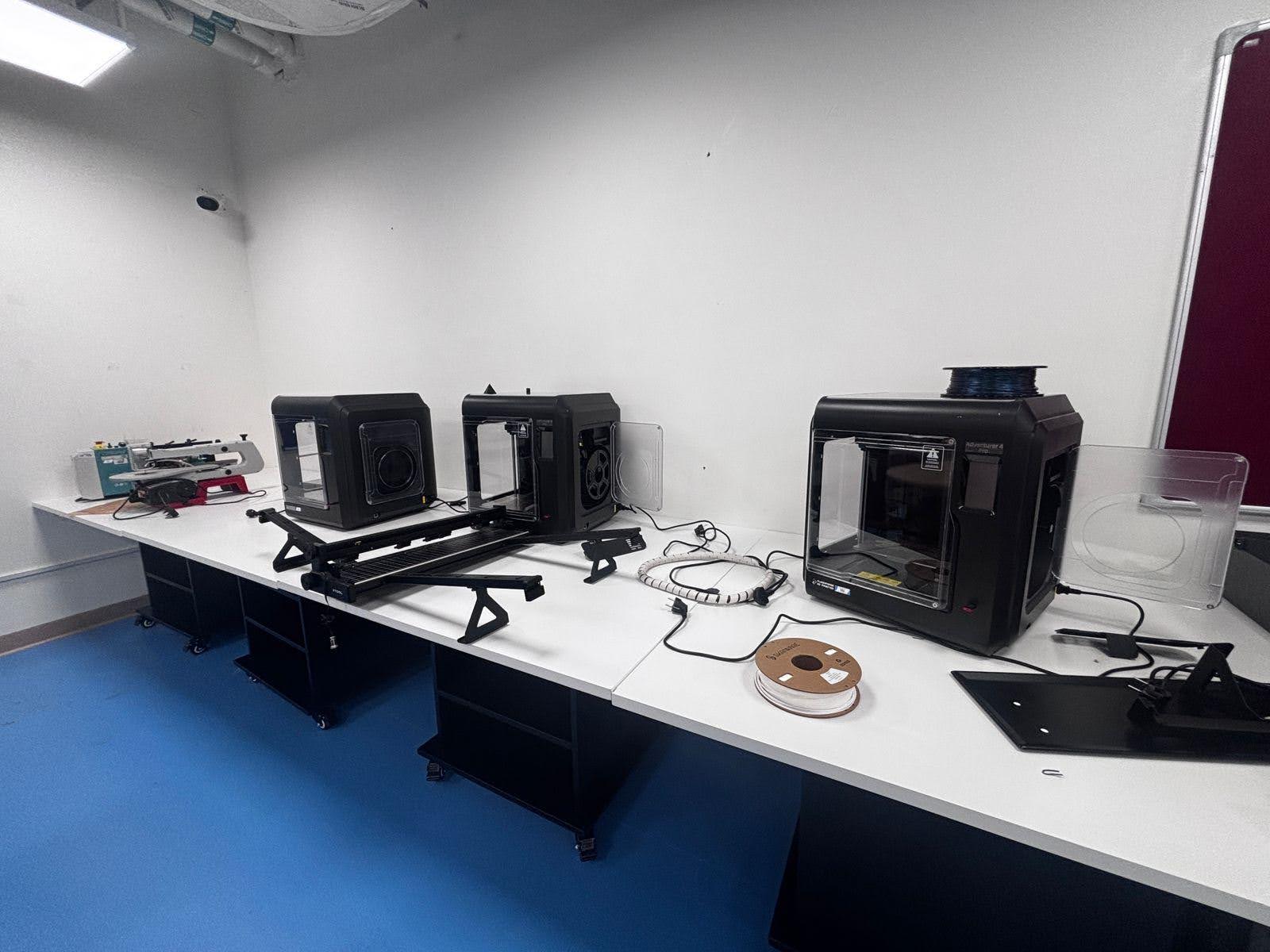
Additive Manufacturing and 3D Printing
Additive manufacturing allows students to create physical components directly from digital models.
Students can explore:
- 3D CAD design
- Material selection
- Print orientation
- Manufacturing parameters
- Prototyping
- Design optimization
- Post-processing
- Component testing
3D printing can also support rapid prototyping projects across multiple engineering disciplines.
Industrial Robotics
Robotics is an important part of modern manufacturing.
Industrial and educational robotic systems can introduce students to:
- Robot programming
- Motion control
- Pick-and-place operations
- Robotic inspection
- Machine tending
- Automated assembly
- Safety systems
- Human-robot interaction
Students can develop robotic cells and integrate robots with other manufacturing equipment.
Machine Vision and Automated Inspection
Quality control is increasingly becoming automated.
Machine vision systems can help students understand how cameras, lighting, image processing, and software can be used to inspect manufactured components.
Laboratory projects can involve:
- Dimensional inspection
- Defect detection
- Object recognition
- Automated sorting
- Surface inspection
These technologies connect manufacturing engineering with computer vision and artificial intelligence.
Digital Twins and Manufacturing Simulation
Digital twins allow physical systems to be represented and analyzed digitally.
In an educational environment, students can use simulation and digital models to understand manufacturing processes before implementing changes on physical equipment.
They can explore:
- Production workflows
- Machine performance
- Process optimization
- Factory layouts
- Equipment utilization
- Automation strategies
Simulation can reduce the risks and costs associated with testing complex manufacturing scenarios directly on physical systems.
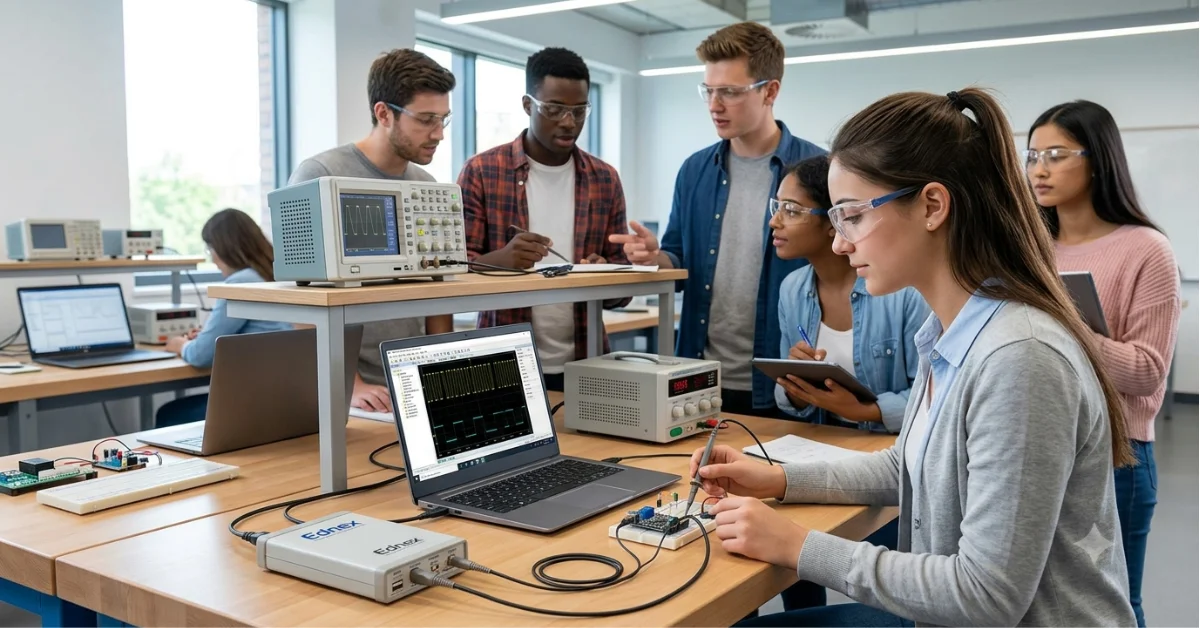
Industrial IoT and Data Analytics
Advanced manufacturing is increasingly data-driven.
Sensors can collect information from machines and production processes, while software platforms can analyze that information.
University projects can introduce students to:
- Sensor networks
- Data acquisition
- Industrial communication
- Equipment monitoring
- Production dashboards
- Data analysis
- Predictive maintenance
This provides an important connection between manufacturing engineering and digital technologies.
Artificial Intelligence in Manufacturing
Artificial intelligence is increasingly being explored for manufacturing applications.
University laboratories can provide controlled environments for students to investigate how AI can support:
- Quality inspection
- Predictive maintenance
- Process optimization
- Demand forecasting
- Defect detection
- Robotic decision-making
Students can learn both the opportunities and limitations of AI rather than treating it as an abstract concept.
Advanced Manufacturing Encourages Multidisciplinary Learning
One of the biggest advantages of an advanced manufacturing laboratory is that it can bring different engineering disciplines together.
A single project may involve:
Mechanical Engineering: Machine and component design
Electrical Engineering: Sensors, motors, and control systems
Computer Engineering: Embedded systems and communication
Computer Science: Software and data processing
Industrial Engineering: Process optimization
Materials Science: Material selection and performance
This multidisciplinary environment reflects how modern manufacturing projects are often developed in industry.
Advanced Manufacturing and Research
Universities are not only teaching advanced manufacturing technologies. Many also use these facilities for research and innovation.
Research projects can investigate:
- New materials
- Additive manufacturing
- Automation
- Robotics
- Smart factories
- Digital twins
- Sustainable manufacturing
- AI-enabled inspection
- Manufacturing optimization
A well-designed laboratory can therefore support both undergraduate education and postgraduate research.
Sustainability and Advanced Manufacturing
Sustainability is another important consideration.
Advanced manufacturing technologies can help engineers investigate ways to reduce material waste, energy consumption, production defects, and unnecessary resource use.
Students can compare different manufacturing processes and evaluate their environmental and economic impact.
For example, additive manufacturing can allow components to be produced with material added only where needed, while digital monitoring can help identify inefficient production processes.
This gives students an opportunity to connect manufacturing technology with sustainability objectives.
How Universities Should Plan an Advanced Manufacturing Lab
Investing in advanced equipment without a clear educational strategy can result in underused resources.
Universities should begin by identifying:
- Academic programs
- Curriculum requirements
- Student capacity
- Faculty expertise
- Research priorities
- Available laboratory space
- Safety requirements
- Equipment maintenance
- Software requirements
- Future expansion plans
A phased approach can also be useful.
The university can establish core manufacturing capabilities first and then introduce advanced robotics, IIoT, AI, digital twins, or other technologies as the laboratory develops.
Choosing the Right Laboratory Partner
Universities should evaluate laboratory solution providers based on more than equipment supply.
Important considerations include:
- Curriculum alignment
- Equipment integration
- Installation
- Faculty training
- Technical support
- Maintenance
- Safety
- Warranty
- Scalability
- Future technology upgrades
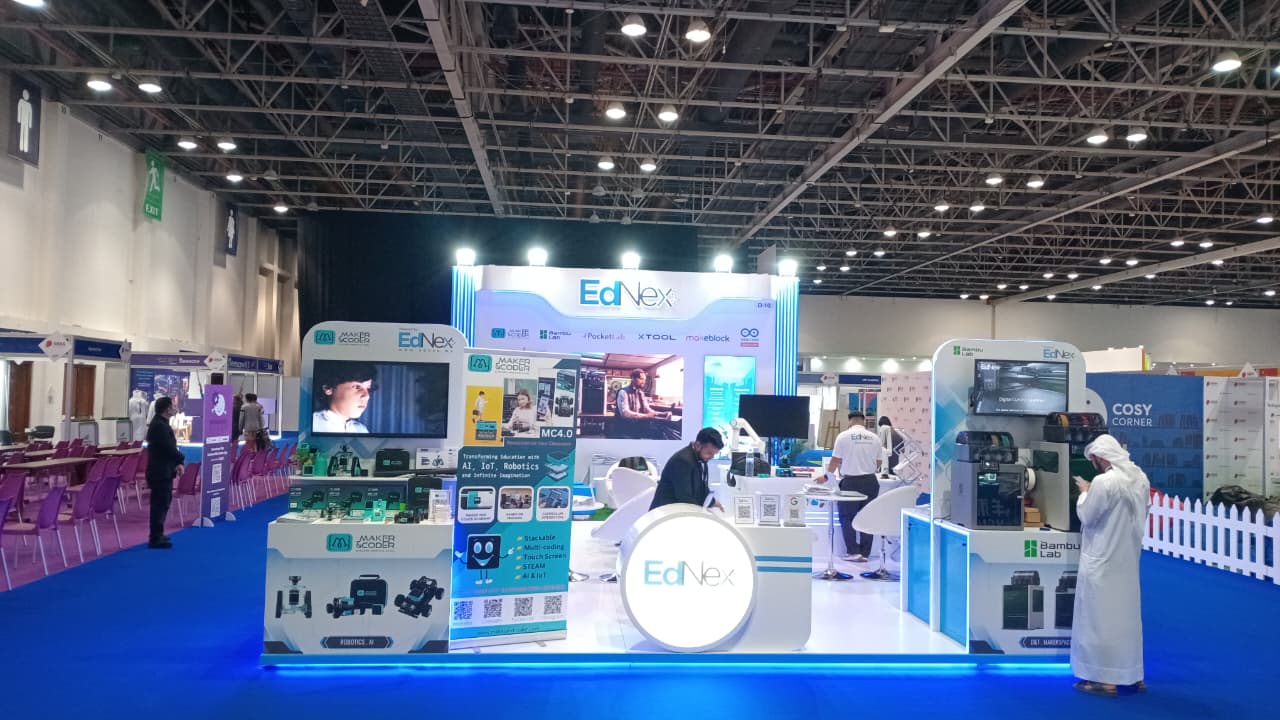
EdNex provides laboratory solutions for educational institutions and can support universities developing practical engineering and advanced technology learning environments.
The objective should be to create an integrated learning environment rather than simply placing individual machines in a laboratory.
Preparing Students for the Future of Manufacturing
The manufacturing engineer of the future will need more than traditional production knowledge.
Engineers will increasingly work with connected machines, automated processes, robotics, data, AI, digital design, and advanced materials.
Universities that provide students with hands-on exposure to these technologies can help them understand how modern production systems operate.
Students can graduate with experience in designing, operating, analyzing, and improving advanced manufacturing processes.
Conclusion
Advanced manufacturing technology is changing the way products are designed, produced, inspected, and managed.
For universities, investing in advanced manufacturing laboratories is an opportunity to prepare students for this changing industrial environment.
By combining CNC machining, additive manufacturing, robotics, automation, machine vision, IIoT, simulation, digital twins, and AI, universities can create practical learning environments that connect engineering theory with real-world manufacturing challenges.
The most effective laboratories are not defined simply by the number of machines they contain. Their value comes from how well equipment, software, curriculum, faculty training, and student projects work together.
With thoughtful planning and the right laboratory infrastructure, universities can develop graduates who are better prepared to contribute to smart, automated, connected, and sustainable manufacturing environments.
Frequently Asked Questions
1. What is advanced manufacturing technology?
Advanced manufacturing technology includes modern production technologies such as CNC machining, robotics, automation, additive manufacturing, industrial IoT, machine vision, digital twins, and artificial intelligence. These technologies help improve manufacturing efficiency, flexibility, quality, and connectivity.
2. Why are universities investing in advanced manufacturing laboratories?
Universities are investing in advanced manufacturing labs to provide students with hands-on experience using technologies increasingly found in modern industrial environments. These labs can help bridge the gap between engineering theory and practical industry skills.
3. What equipment is needed in an advanced manufacturing lab?
Equipment may include CNC machines, 3D printers, industrial or educational robots, automation systems, sensors, machine vision systems, digital manufacturing software, data acquisition systems, and simulation platforms.
4. How does advanced manufacturing training benefit engineering students?
Students can develop practical skills in CNC programming, robotics, automation, additive manufacturing, sensor integration, data analysis, machine vision, process optimization, and smart manufacturing.
5. How can EdNex help universities establish an advanced manufacturing lab?
EdNex provides laboratory solutions for educational institutions and can support universities in developing practical engineering and advanced manufacturing learning environments based on curriculum requirements, available space, student capacity, and future technology needs.
Related Posts ...
Comments are disabled