


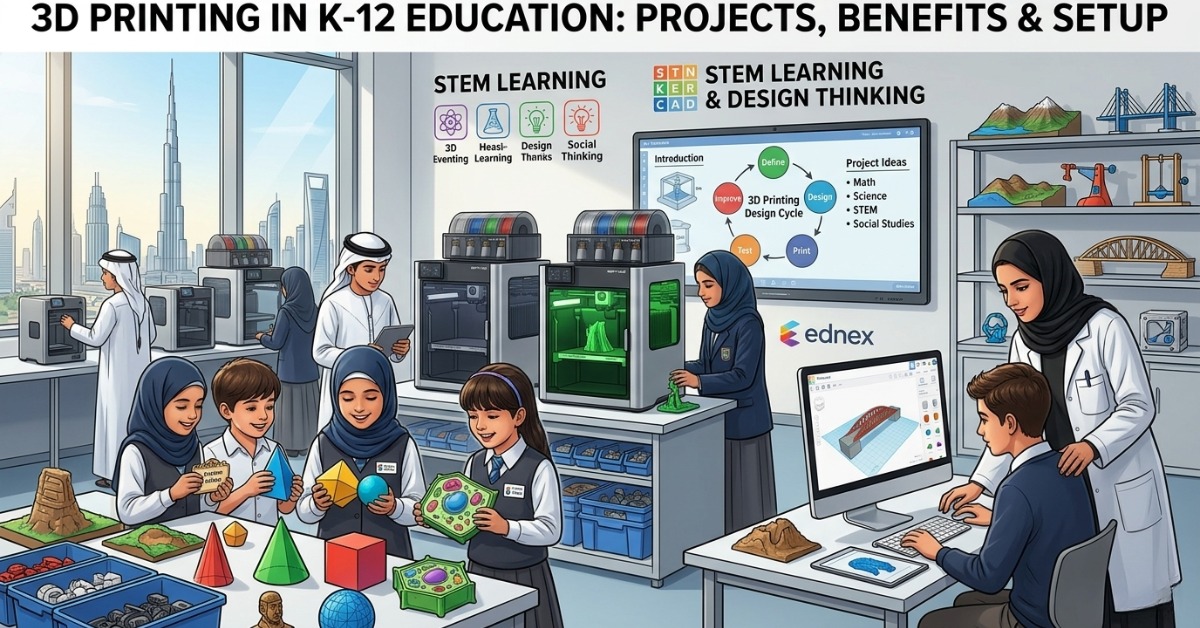
3D Printing in K-12 Education: Projects, Benefits, and How to Get Started
3D printing is no longer limited to engineering labs or specialized universities. Today, 3D printing in K-12 education is becoming a practical and powerful way for schools to make learning more hands-on, creative, and relevant. For teachers, it opens new ways to explain complex ideas. For students, it turns concepts into real objects they can design, test, and improve.
Schools often assume that adopting this technology is too expensive or too complex. In reality, many schools can begin with a modest plan, a clear learning goal, and the right support. When used well, 3D printing can strengthen STEM programs, encourage problem-solving, and bring more energy into the classroom.
In this guide, you will learn:
- Why 3D printing matters in modern K-12 learning
- The main benefits of 3D printing for schools
- Examples of practical educational 3D printing projects
- A step-by-step plan for how to start 3D printing in schools
- Common mistakes to avoid before rollout
Why 3D Printing Matters in Schools
Students learn best when they can connect theory with action. A diagram on a screen can help, but a physical model often makes the lesson clearer and more memorable. That is where 3D printing adds real value.
With 3D printers for classrooms, students can move from passive learning to active creation. They can design a bridge, print a geometric solid, build a prototype, or create a historical artifact replica. This process helps them understand not just the final answer, but also the thinking behind it.
For school leaders, 3D printing also supports bigger goals:
- Stronger STEM learning
- More project-based instruction
- Better student engagement
- Skills linked to innovation and future careers
- Cross-curricular teaching opportunities
A Common Misconception
Many schools think 3D printing is only useful for advanced science or robotics classes. That is not true. It can support math, design, geography, art, and even language-based projects. The key is to connect the technology to learning outcomes, not to treat it as a standalone tool.
Key takeaway: 3D printing works best when schools use it to solve teaching challenges and improve learning, not just to add new hardware.
Benefits of 3D Printing in K-12 Education
The biggest strength of 3D printing in K-12 education is that it combines creativity, technical skill, and hands-on learning in one experience. Students do not just consume content. They build, revise, and learn by doing.
1. Makes Abstract Concepts Easier to Understand
Some ideas are hard to grasp through text alone. Geometry, engineering structures, anatomy, and scale models become much easier to understand when students can hold a printed object in their hands.
Examples include:
- 3D geometric shapes in math
- Molecule or cell models in science
- Topographic maps in geography
- Historical landmarks in social studies
2. Builds Real Problem-Solving Skills
3D printing teaches students to think in steps. They must identify a problem, create a design, test it, notice what failed, and make changes. This is one of the most valuable parts of the process.
That cycle helps students develop:
- Critical thinking
- Design thinking
- Persistence
- Attention to detail
- Iteration and improvement habits
3. Supports STEM and Project-Based Learning
Many schools want deeper, more authentic STEM learning. STEM 3D printing activities give students a chance to apply science, technology, engineering, and math in one project.
For example, students might:
- Design a water-saving tool
- Print simple machines
- Build parts for a robotics challenge
- Test weight limits on printed bridges
4. Encourages Creativity and Student Ownership
Not every student shines in a traditional test setting. 3D printing offers another way to show understanding. Students can create original solutions, customize designs, and feel proud of a finished product they made themselves.
This often leads to:
- Higher classroom participation
- Greater confidence
- More interest in design and engineering
- Better collaboration in group work
5. Connects Learning to Future Careers
Digital fabrication, prototyping, and design tools are increasingly relevant in modern industries. Introducing students to these tools early helps them build familiarity with future-ready skills.
Schools can use 3D printing to support awareness of careers in:
- Engineering
- Product design
- Architecture
- Healthcare
- Manufacturing
- Technology
Key takeaway: The value of 3D printing goes beyond making objects. It helps students think, test, create, and communicate more effectively.
What Schools Should Know Before Getting Started
Before buying equipment, schools need a clear plan. A successful rollout depends less on having the most advanced device and more on matching the tool to classroom needs.
Questions to Ask First
Before investing in 3D printing for schools, ask:
- What learning goals will this support?
- Which grade levels or subjects will use it first?
- Who will manage the equipment?
- What training do teachers need?
- How often will the printer be used?
- Where will the printer be stored safely?
These questions help prevent wasted budget and low adoption.
Key Requirements for a Strong Start
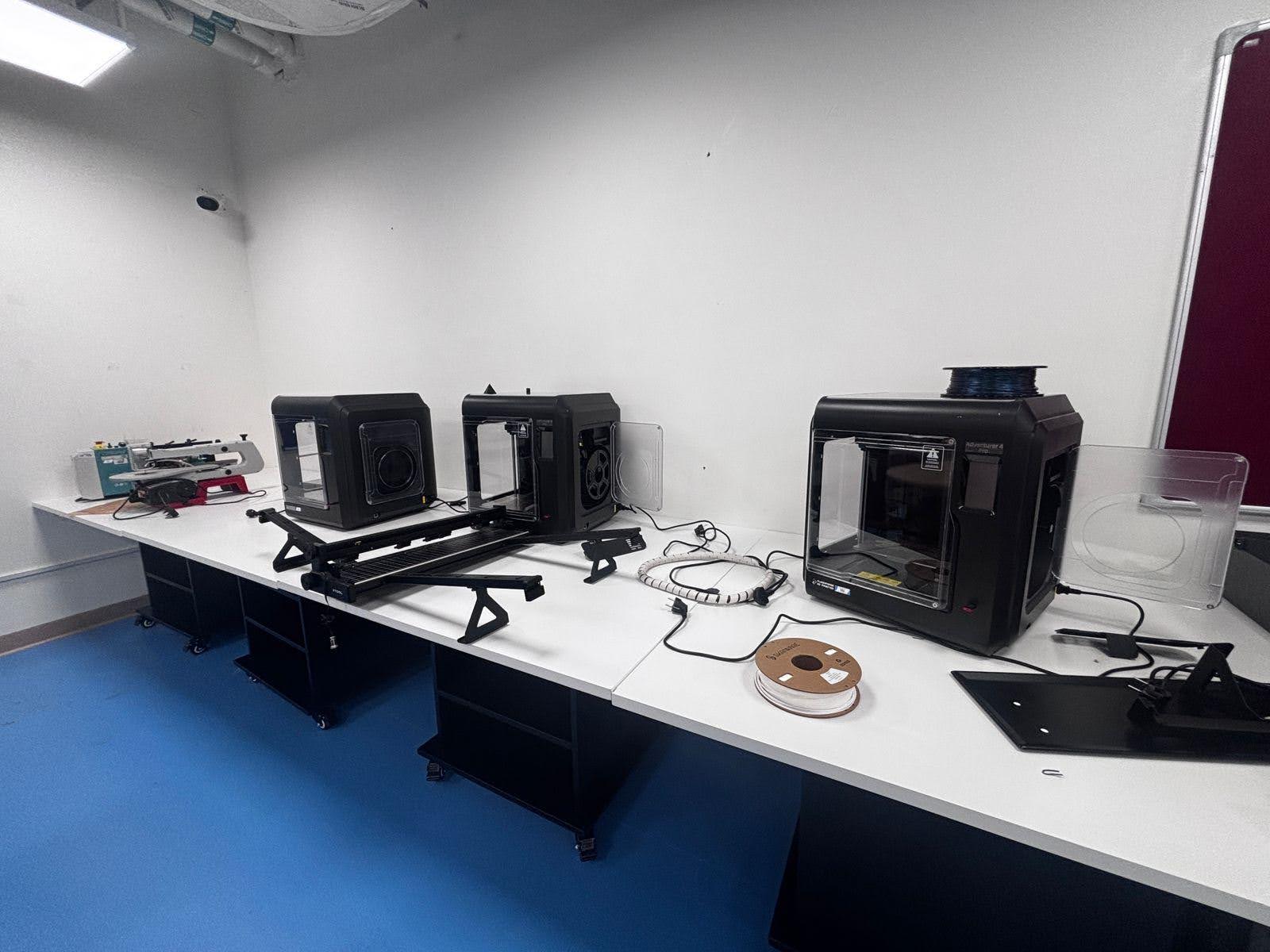
A basic 3D printing setup usually includes:
- One or more reliable 3D printers
- Printing material such as filament
- Design software suitable for students
- A safe, supervised printing area
- Teacher orientation or training
- A small set of pilot projects
It is also important to think about maintenance, print time, and classroom workflow. A printer is only useful if the school has a simple process for using it.
Key takeaway: Start with purpose, not equipment. Schools that plan first usually get better results and stronger teacher buy-in.
Step-by-Step: How to Start 3D Printing in Schools
If your team is exploring how to start 3D printing in schools, a phased approach is usually the most effective. It keeps costs manageable and gives teachers time to build confidence.
Step 1: Define Your Learning Goals
Start by identifying what you want 3D printing to improve. Do you want stronger STEM instruction? More project-based learning? Better student engagement?
Choose one or two clear goals such as:
- Improve hands-on science instruction
- Support middle school design challenges
- Strengthen innovation in STEM labs
- Add prototyping to technology classes
Step 2: Start With a Pilot Program
Avoid launching across the whole school at once. A pilot allows you to test equipment, project ideas, and classroom routines before expanding.
A simple pilot might include:
- One department or grade level
- One or two trained teachers
- A small number of class projects
- A review period after one term
Step 3: Choose the Right 3D Printers for Classrooms
Not all printers are ideal for school use. The best 3D printers for classrooms are usually easy to operate, reliable, and simple to maintain.
Look for features such as:
- User-friendly interface
- Strong safety features
- Good print consistency
- Low maintenance needs
- Education support or warranty
- Compatibility with student-friendly software
Schools do not always need the highest-end option. A dependable classroom model is often the better choice.
Step 4: Train Teachers With Practical Support
Teacher confidence is one of the biggest factors in success. Training should focus on classroom use, not just technical details.
Useful training can include:
- How to prepare a print job
- Basic troubleshooting
- Safe printer use
- Lesson planning ideas
- Ways to manage student projects
Keep training simple, relevant, and tied to actual classroom outcomes.
Step 5: Begin With Easy, High-Value Projects
The first projects should be manageable and directly linked to curriculum goals. Early success builds momentum.
Good starter projects include:
- Geometric shapes
- Name tags with measurement tasks
- Plant cell or animal cell models
- Landform models
- Bridge or tower prototypes
Step 6: Review, Improve, and Scale
Once the pilot is complete, gather feedback from teachers and students. Review what worked, what took too much time, and what should change before expansion.
Track areas such as:
- Student engagement
- Print success rates
- Teacher confidence
- Curriculum fit
- Frequency of use
Key takeaway: A small, well-run pilot is often the smartest path to long-term success with 3D printing.
Practical Educational 3D Printing Projects
The best educational 3D printing projects are not overly complicated. They solve a learning need and fit naturally into a lesson or unit.
Math Projects
- Print fractions or measurement tools
- Create 3D shapes for geometry lessons
- Compare volume and surface area using models
Science Projects
- Print body organs or cell structures
- Design models of the solar system
- Build prototypes for force and motion experiments
Engineering and STEM Projects
These STEM 3D printing activities help students think like designers and engineers:
- Build a bridge and test its strength
- Create a water filter prototype
- Design assistive tools for daily use
- Print parts for robotics tasks
Social Studies and Geography Projects
- Print historical artifacts
- Create map features and landforms
- Rebuild famous structures from world history
Art and Design Projects
- Design custom patterns or sculptures
- Create product packaging concepts
- Explore form, balance, and structure in 3D design
Mini Classroom Scenario
A Grade 6 science class studies ecosystems. Instead of only reading a chapter, students design and print small habitat models that show terrain, water sources, and animal placement. The teacher uses the project to assess both subject knowledge and design thinking. Students stay engaged because they can see their ideas take shape.
Key takeaway: Strong classroom projects combine curriculum goals, creativity, and a clear reason to print.
Mistakes Schools Should Avoid
Even strong tools can fail without the right rollout. Schools should avoid common mistakes that reduce adoption and waste time.
Common Pitfalls
- Buying printers before setting learning goals
- Choosing devices that are too complex for staff
- Skipping teacher training
- Starting with projects that are too difficult
- Ignoring maintenance and supplies
- Treating 3D printing as a one-time novelty
It also helps to avoid placing all responsibility on one enthusiastic teacher. A better model is shared ownership with clear support from leadership.
Key takeaway: Keep implementation realistic, focused, and connected to teaching needs.
FAQ
1. What is the main benefit of 3D printing in K-12 education?
The main benefit is hands-on learning. Students can turn ideas into physical models, which improves understanding, problem-solving, and engagement across many subjects.
2. Is 3D printing only useful for STEM classes?
No. While it is excellent for STEM, it also supports math, geography, history, art, and design-based learning. Schools can use it across multiple subjects.
3. How can schools start 3D printing without a large budget?
Start with a small pilot, one or two classroom-friendly printers, and a few curriculum-linked projects. This makes it easier to test impact before expanding.
4. What are good beginner 3D printing projects for schools?
Good starter projects include geometric models, science models, landforms, name tags, bridge designs, and simple engineering prototypes.
5. What should schools look for in 3D printers for classrooms?
Schools should look for ease of use, safety features, consistent print quality, low maintenance, and reliable support. Teacher-friendly operation is essential.
6. How much teacher training is needed?
Teachers do not need advanced technical skills. Short, practical training sessions focused on setup, safety, troubleshooting, and lesson integration are often enough to begin.
7. How does 3D printing support project-based learning?
It gives students a way to design, test, revise, and present real objects. That process naturally fits project-based learning and encourages teamwork and iteration.
Conclusion
3D printing in K-12 education gives schools a practical way to make learning more active, creative, and future-focused. When students can design and build real objects, lessons become more meaningful and memorable. For teachers and school leaders, the key is to start small, stay curriculum-focused, and build confidence through simple early wins.
If your school is exploring 3D printing for schools, begin with one goal, one pilot group, and a few strong classroom projects. That first step can lead to a much broader culture of innovation over time.
Author Bio
Ednex is a trusted education solutions brand that helps schools adopt innovative learning tools with clarity and purpose. By supporting educators with practical, future-ready solutions, Ednex helps schools create engaging classroom experiences, strengthen STEM learning, and implement education technology with confidence.
Related Posts ...
Comments are disabled