



Key Equipment Every Modern K-12 Science Lab Should Have
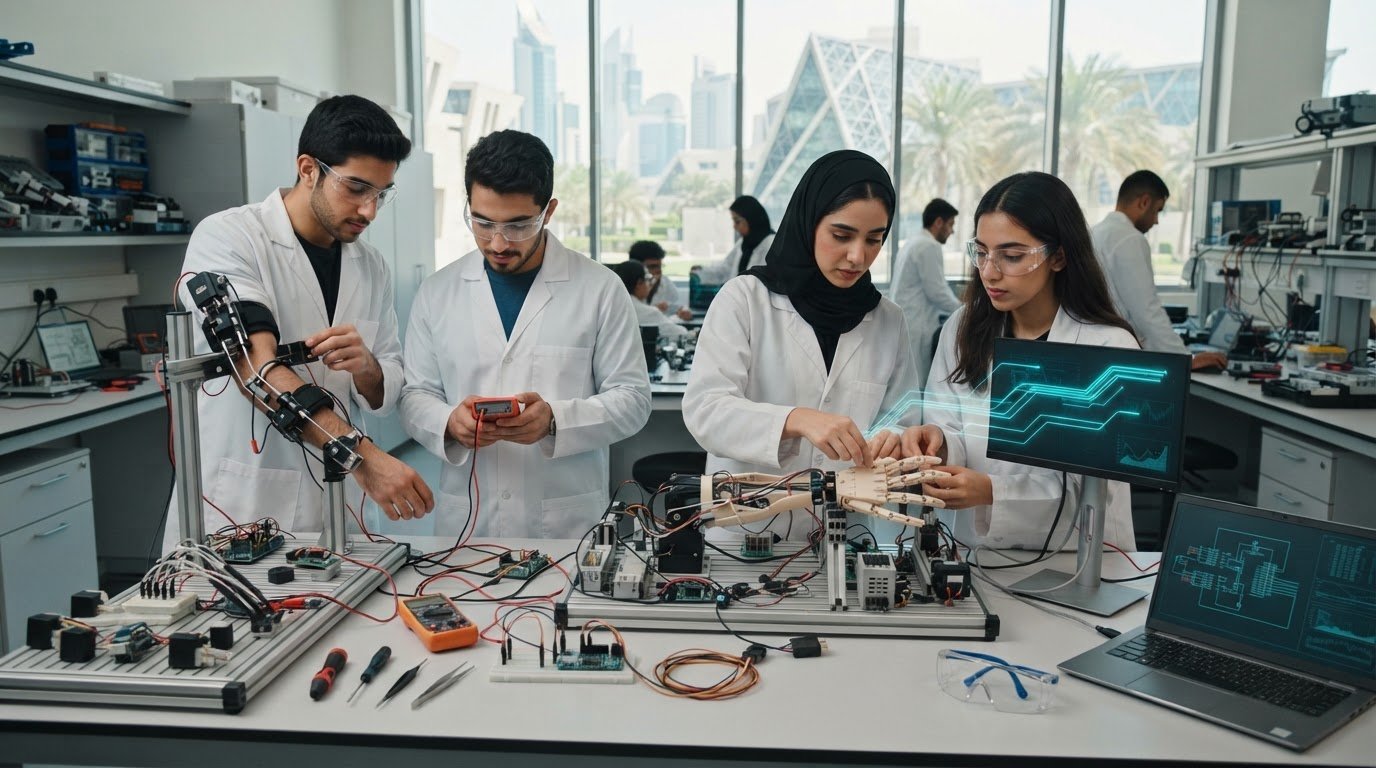
A well-designed science lab can completely change how students learn. Concepts that seem abstract in a textbook suddenly become clear when students can test, observe, measure, and explore for themselves. That is why choosing the right K-12 science lab equipment matters so much.
Across the UAE and GCC, schools are investing in future-ready learning spaces that go beyond traditional classroom teaching. They want labs that support inquiry, practical skills, STEM integration, and student safety. They also want spaces that can serve different age groups, curriculum models, and teaching styles. That is a big task, but it becomes much easier when schools focus on the equipment that delivers the most value.
A modern school science lab is not just a room with tables and glassware. It is a structured learning environment with the right mix of core science tools, digital devices, safety systems, and flexible STEM resources. When these elements come together, schools can create stronger lessons, better student engagement, and more confident teachers.
In this guide, we will look at the essential equipment every K-12 science lab should have, with a practical focus on schools in the UAE and GCC. We will also cover science lab setup for schools, planning priorities, safety needs, and the best way to build a lab that supports both current lessons and long-term growth.
Why modern science labs matter in K-12 education
Science education works best when students can do more than listen. They need to experiment, ask questions, collect evidence, and draw conclusions. That is true in primary school, middle school, and secondary education.
For school leaders, a strong lab supports several goals at once:
- Better hands-on science learning
- Stronger STEM outcomes
- Improved student engagement
- Safer, more structured practical work
- Support for national and regional innovation goals
- Better preparation for advanced study and future careers
In the UAE and GCC, many schools are also aligning science spaces with broader plans for innovation, digital transformation, and applied STEM learning. That means the lab is no longer a basic facility. It is a strategic part of the school’s academic offering.
What defines a modern school science lab?
A modern school science lab combines traditional lab essentials with newer tools that improve teaching and learning. It should be safe, flexible, age-appropriate, and easy to manage.
At a minimum, a modern lab should support:
- Practical experiments across science subjects
- Clear teacher demonstrations
- Safe handling of materials and equipment
- Digital data collection and analysis
- Group-based and inquiry-based learning
- Easy storage, maintenance, and supervision
The best labs are also scalable. They start with the core equipment schools need today, while leaving room for future STEM expansion.
Core K-12 science lab equipment every school should consider
The exact mix of equipment depends on grade levels, curriculum, and budget. Still, there are several categories that most schools should include in their school laboratory equipment list.
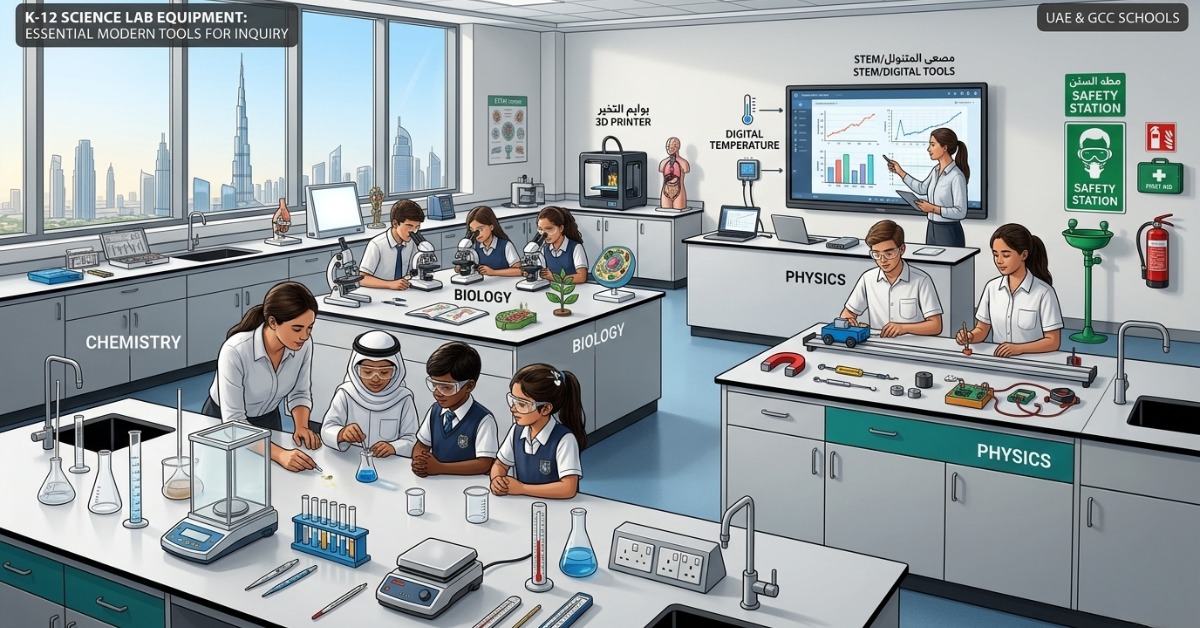
1. Chemistry lab equipment
Chemistry lessons need tools that help students measure, mix, heat, and observe materials safely. Even when schools start simple, the basics must be durable, age-appropriate, and easy to maintain.
Essential chemistry equipment
- Beakers in multiple sizes
- Test tubes and test tube racks
- Measuring cylinders
- Flasks and funnels
- Pipettes and droppers
- Burettes for advanced secondary labs
- Electronic balances
- Hot plates
- Stirring rods
- Thermometers
- pH meters or pH strips
- Wash bottles
- Chemical storage cabinets
- Fume extraction or fume hood for advanced use
Why it matters
These items support core lessons in reactions, measurement, acids and bases, solutions, and material properties. For UAE and GCC schools, safety and durability are especially important when selecting chemistry equipment for mixed age groups.
2. Biology lab equipment
Biology spaces should help students study living systems, cells, structures, and processes through observation and investigation. This is one area where the right visual tools make a huge difference.
Essential biology equipment
- Compound microscopes
- Stereo microscopes
- Microscope slides and cover slips
- Prepared specimen slides
- Dissection kits for secondary levels
- Anatomy models
- Human skeleton model
- Plant and cell models
- Petri dishes
- Sample containers
- Digital microscope cameras
- Incubators for selected school use
- Biological charts and visual aids
Why it matters
Microscopes remain one of the most important pieces of K-12 science lab equipment. A student looking through a microscope for the first time often remembers that lesson for years. Digital microscope integration can make group teaching easier by allowing teachers to project observations for the whole class.
3. Physics lab equipment
Physics labs need equipment that helps students understand force, motion, energy, electricity, light, and sound. The best tools are accurate, durable, and simple enough for repeated classroom use.
Essential physics equipment
- Dynamics trolleys and tracks
- Spring balances
- Mass sets
- Pulleys
- Meter rulers and measuring tapes
- Stopwatches
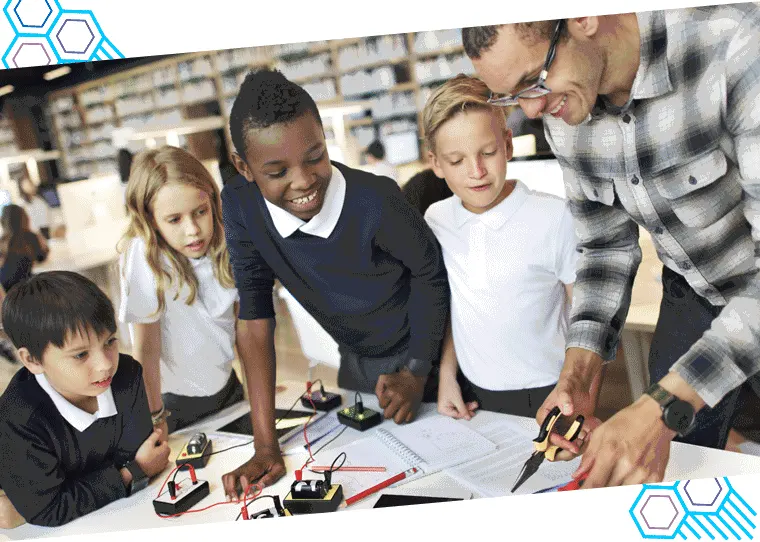
- Circuit boards
- Power supplies
- Wires and connectors
- Multimeters
- Magnets and electromagnets
- Lenses, mirrors, and prisms
- Light boxes
- Sound and wave demonstration kits
- Electricity and magnetism kits
Why it matters
Physics often becomes more engaging when students can test ideas directly. Timing motion, building circuits, or exploring optics can turn a difficult concept into something concrete and memorable.
4. STEM lab equipment for K-12
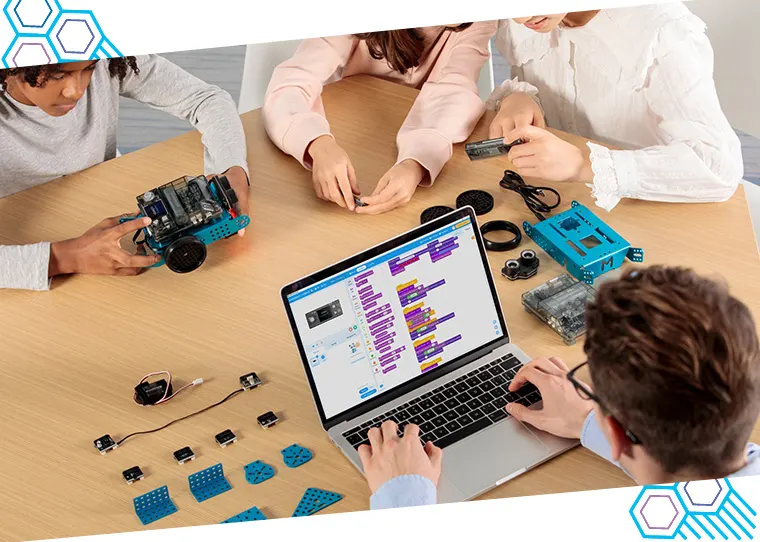
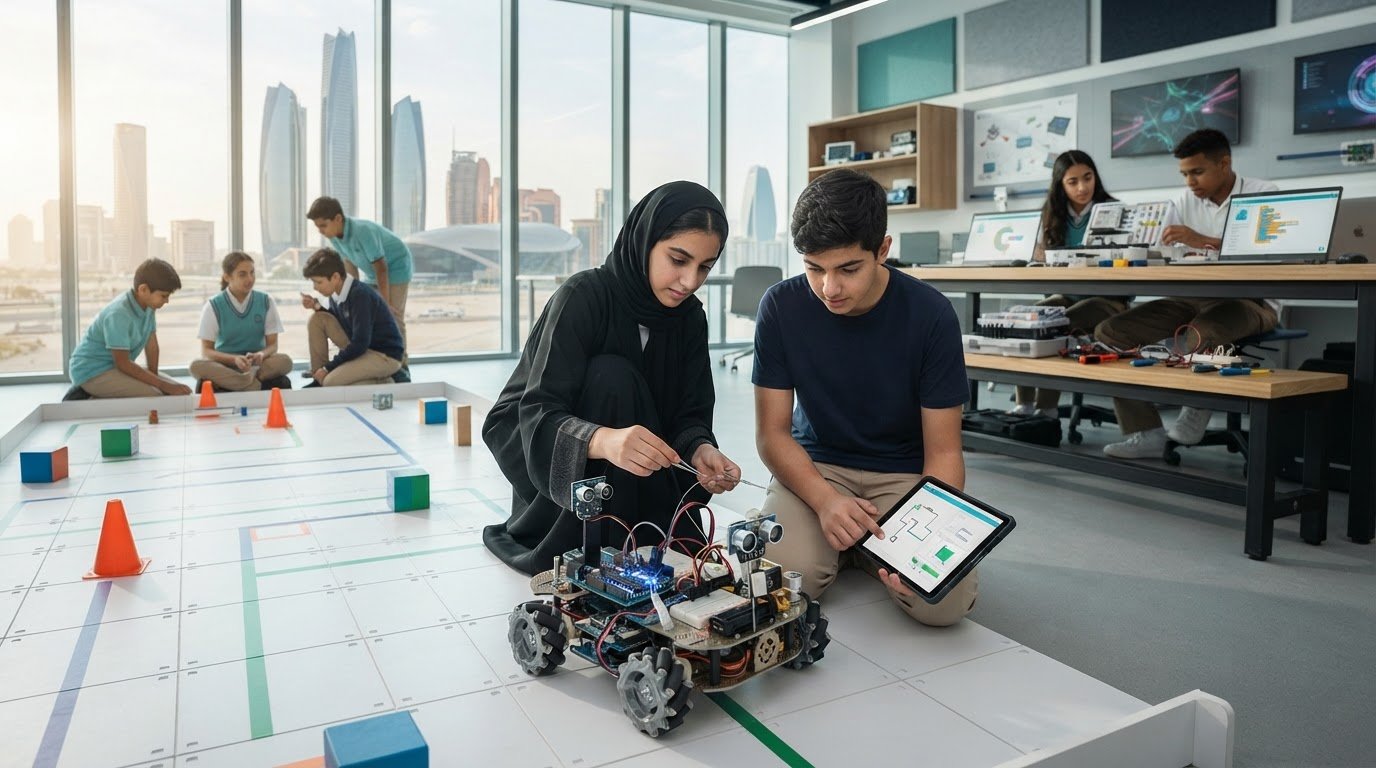
Today’s labs often need to go beyond traditional science. Schools increasingly want STEM lab equipment for K-12 that supports coding, engineering, design, and data-rich experiments.
Essential STEM equipment
- Digital sensors for temperature, light, motion, and pH
- Data loggers
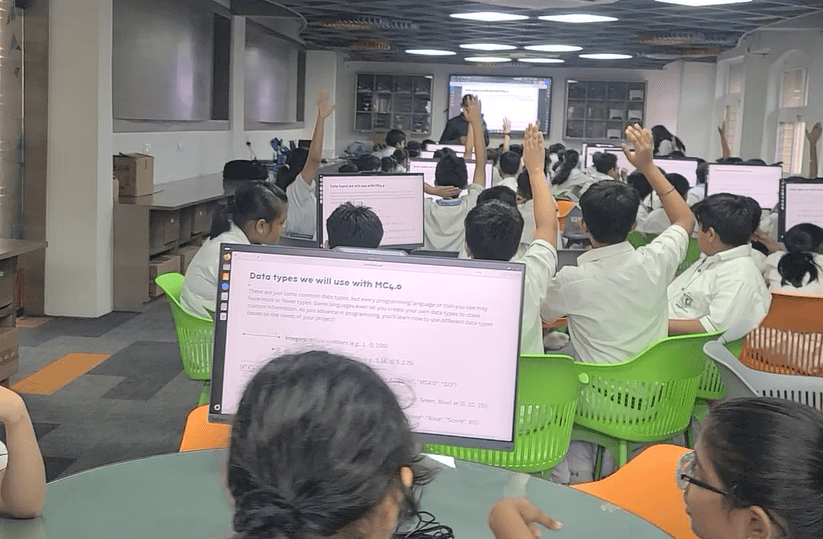
- Tablets or laptops for lab use
- Robotics kits
- Coding and electronics kits
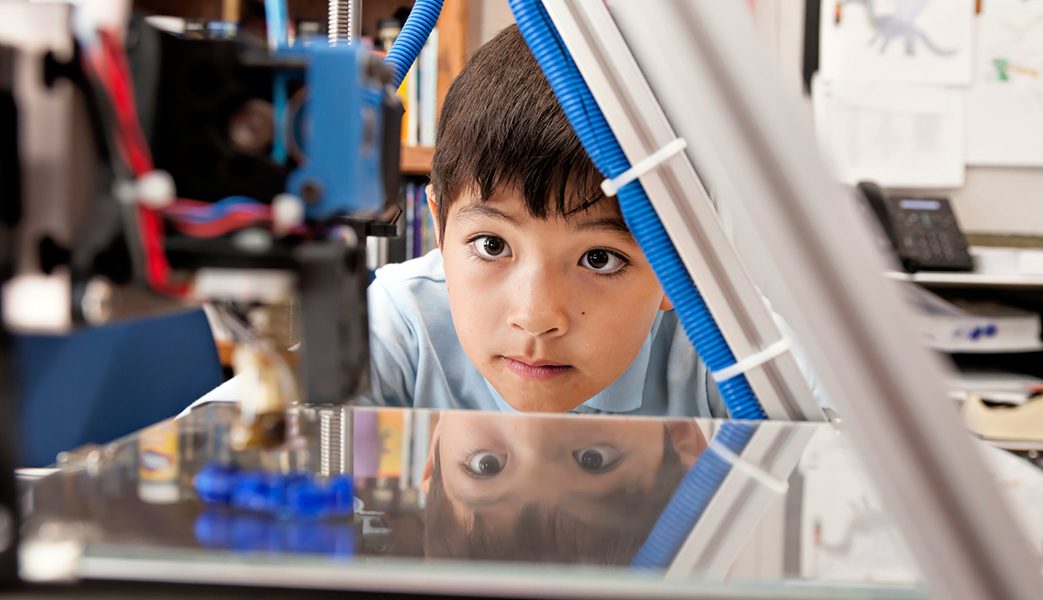
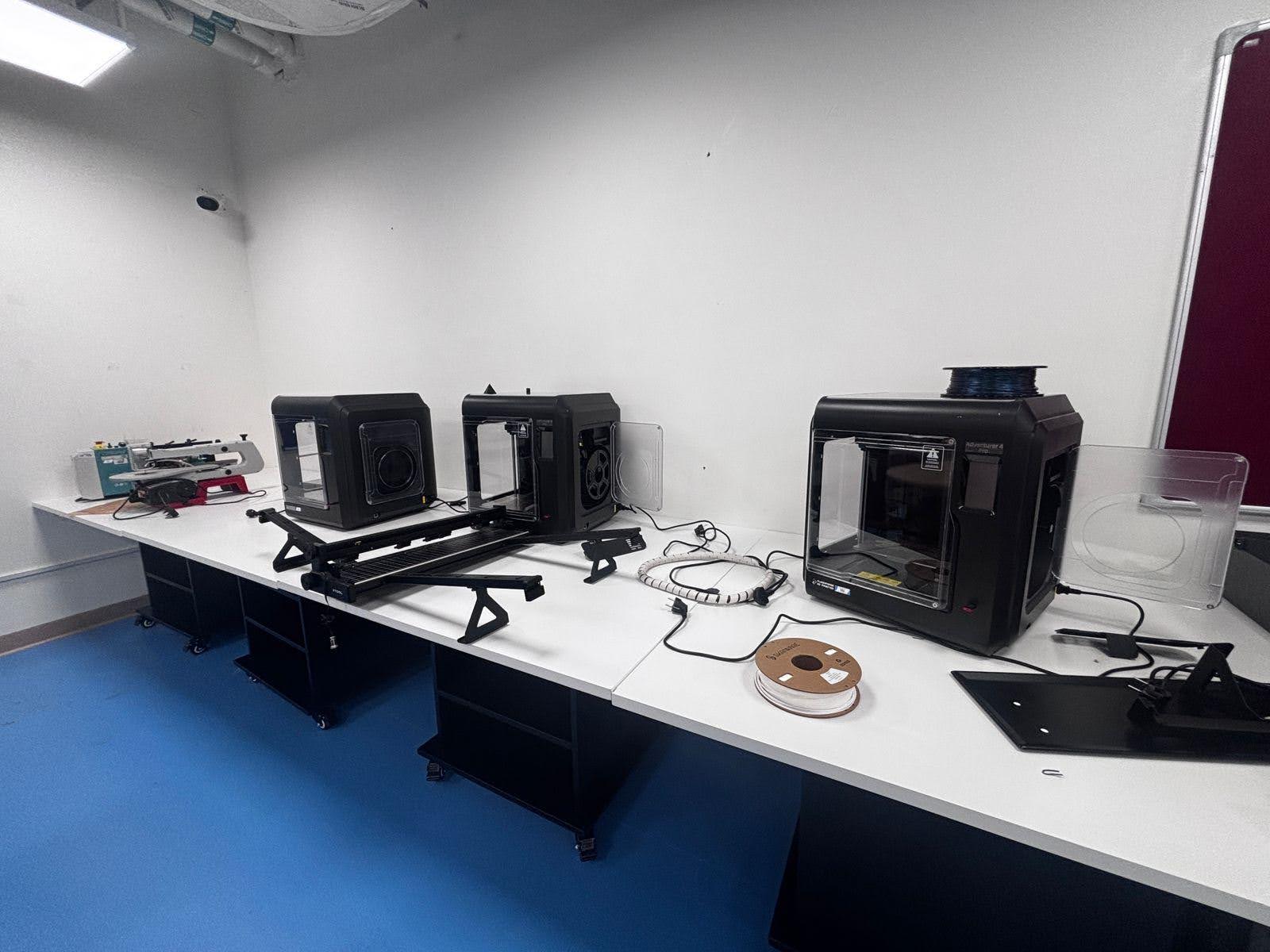
- 3D printers for advanced STEM spaces
- Microcontrollers for project-based learning
- Engineering design kits
- Prototyping tools
- Interactive display screens
Why it matters
This equipment helps schools connect science to real-world problem-solving. Digital sensors, for example, allow students to collect accurate data quickly and analyze patterns with more confidence. That is a major advantage in a modern school science lab.
5. General lab furniture and infrastructure
Even the best equipment will not work well in a poor layout. Schools often focus on tools first, but furniture and infrastructure shape how effectively the lab functions every day.
Essential infrastructure items
- Chemical-resistant workbenches
- Stools or chairs suited to age group
- Sinks and water access
- Gas taps where required
- Lockable storage cabinets
- Mobile storage units
- Demonstration table for teachers
- Whiteboard or smart display
- Adequate electrical outlets
- Strong lighting and ventilation
- Waste disposal systems
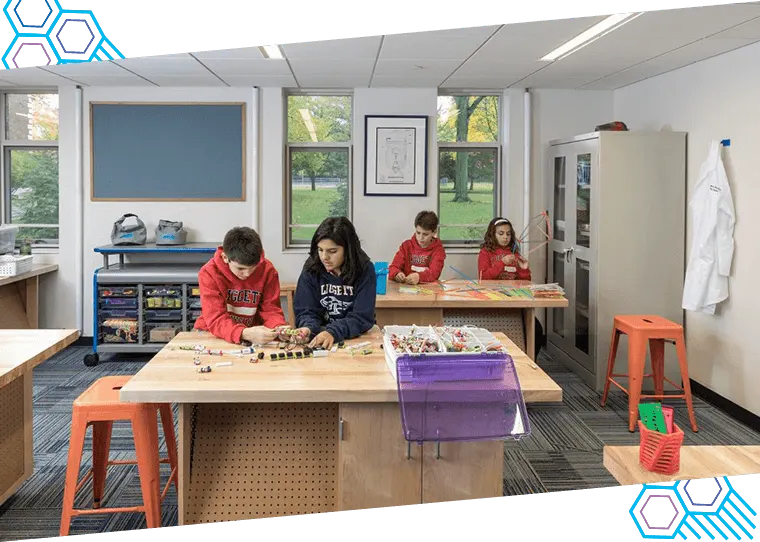
A smart science lab setup for schools should make movement easy, supervision clear, and storage practical.
6. Safety equipment every science lab must have
Safety is not an extra feature. It is a core requirement. This is especially important for schools in the UAE and GCC that want labs to meet high operational and inspection standards.
Essential safety gear
- Safety goggles
- Lab coats
- Gloves
- Fire extinguisher
- Fire blanket
- First aid kit
- Eyewash station
- Emergency shut-off systems
- Spill control materials
- Hazard signage
- Safe chemical storage units
- Ventilation systems
- Sharps disposal containers where needed
Safety best practices
- Store chemicals by category and risk level
- Label all materials clearly
- Train staff regularly
- Post emergency procedures visibly
- Separate student and staff storage where needed
- Review equipment condition on a regular schedule
If schools want reliable science lab solutions for schools, safety planning must come first, not last.
Building a practical school laboratory equipment list
A strong school laboratory equipment list should reflect the school’s real teaching needs, not just a generic catalog. One of the most common mistakes schools make is buying too much specialized equipment before they have covered the basics.
A practical list should be based on:
- Grade levels served
- Curriculum requirements
- Number of students per class
- Teacher confidence and training
- Available lab space
- Safety requirements
- Maintenance capacity
- Budget and expansion plans
A phased approach often works best.
Example phased purchasing plan
- Phase 1: Core science tools, safety gear, microscopes, balances, glassware
- Phase 2: Physics kits, advanced chemistry equipment, digital displays
- Phase 3: Digital sensors, data loggers, STEM expansion tools
- Phase 4: Specialized equipment for advanced secondary labs
This helps schools control cost while still building toward a high-quality lab.
Science lab setup for schools: what leaders should plan carefully
A good science lab setup for schools is about more than equipment delivery. It requires planning, layout, training, and systems.
1. Match the lab to age groups
Primary students need simpler, safer, more guided tools. Secondary students need more advanced equipment and greater experimental independence.
2. Design for visibility
Teachers should be able to see all students easily. Clear sightlines improve behavior, safety, and lesson flow.
3. Plan storage well
Poor storage creates clutter, damage, and wasted lesson time. Use labeled cabinets, trays, and secure storage for fragile or hazardous items.
4. Include digital capability
Digital sensors, projection tools, and connected devices make lessons more interactive and efficient. They also support data-focused learning.
5. Think long term
Choose equipment that can last, scale, and support future programs. This is especially important for schools planning larger STEM initiatives.
Common mistakes to avoid
Even well-resourced schools can make poor lab decisions if planning is rushed.
Watch out for these common issues
- Buying equipment without a curriculum plan
- Underestimating safety needs
- Ignoring teacher training
- Choosing fragile tools for high-use environments
- Overfilling the lab with rarely used equipment
- Forgetting maintenance and replacement planning
- Treating STEM tools as separate from science learning
The best science lab solutions for schools are practical, durable, and aligned with how teachers actually teach.
What schools in the UAE and GCC should prioritize
Schools in this region often need labs that meet international standards while also fitting local operational realities. That means the equipment should be:
- Durable in high-use school settings
- Easy to maintain
- Safe and compliant
- Suitable for multiple curricula
- Scalable across grade levels
- Supportive of future-ready STEM learning
For many schools, the strongest lab model includes both traditional science equipment and selected digital tools. That balance helps students learn core scientific methods while also preparing for a more technology-driven future.
Final thoughts
The right K-12 science lab equipment can turn a standard classroom experience into active, memorable learning. Students learn more when they can test ideas, observe change, gather data, and solve problems with their own hands. Teachers also gain more flexibility and confidence when the lab is designed well.
For schools across the UAE and GCC, the goal should be simple: build a safe, flexible, and future-ready lab that supports both strong science teaching and wider STEM growth. Start with the essentials. Prioritize safety. Add digital tools where they improve learning. Then scale with purpose.
A great lab does not need to begin with everything at once. It needs to begin with the right things.
FAQs
What is the most important K-12 science lab equipment for schools?
The most important items include safety gear, microscopes, glassware, balances, measuring tools, physics kits, and digital sensors. The best mix depends on the school’s grade levels and curriculum.
What should a modern school science lab include?
A modern school science lab should include core science tools, safety systems, digital data collection equipment, flexible workspaces, storage, and teacher demonstration areas.
How should schools plan science lab setup?
A proper science lab setup for schools should consider student age, curriculum needs, room layout, safety compliance, storage, utilities, and future expansion.
What should be on a school laboratory equipment list?
A good school laboratory equipment list should cover chemistry, biology, physics, STEM tools, general furniture, and safety equipment. It should also reflect the school’s real teaching needs.
What are the best STEM lab equipment options for K-12 schools?
The most useful STEM lab equipment for K-12 includes digital sensors, data loggers, coding kits, robotics tools, microcontrollers, and engineering design resources.
Why are digital sensors important in science labs?
Digital sensors help students collect accurate real-time data in experiments. They improve analysis, support inquiry learning, and make science lessons more interactive.
What safety equipment should every school science lab have?
Every lab should have goggles, lab coats, gloves, a first aid kit, fire extinguisher, fire blanket, eyewash station, proper storage, and clear hazard signage.
What are effective science lab solutions for schools in the UAE and GCC?
The best science lab solutions for schools combine durable equipment, safety-first design, digital tools, staff training, and phased planning that supports both science and STEM learning.
Author Bio
Ednex supports schools in building future-ready learning environments through high-quality education solutions for science, STEM, robotics, and innovation. With a practical understanding of school needs in the UAE and GCC, Ednex helps educators create safe, engaging, and effective learning spaces that prepare students for the future.
Related Posts ...
Comments are disabled