




How to Build an IoT Lab for Engineering Students: Tools, Equipment & Curriculum
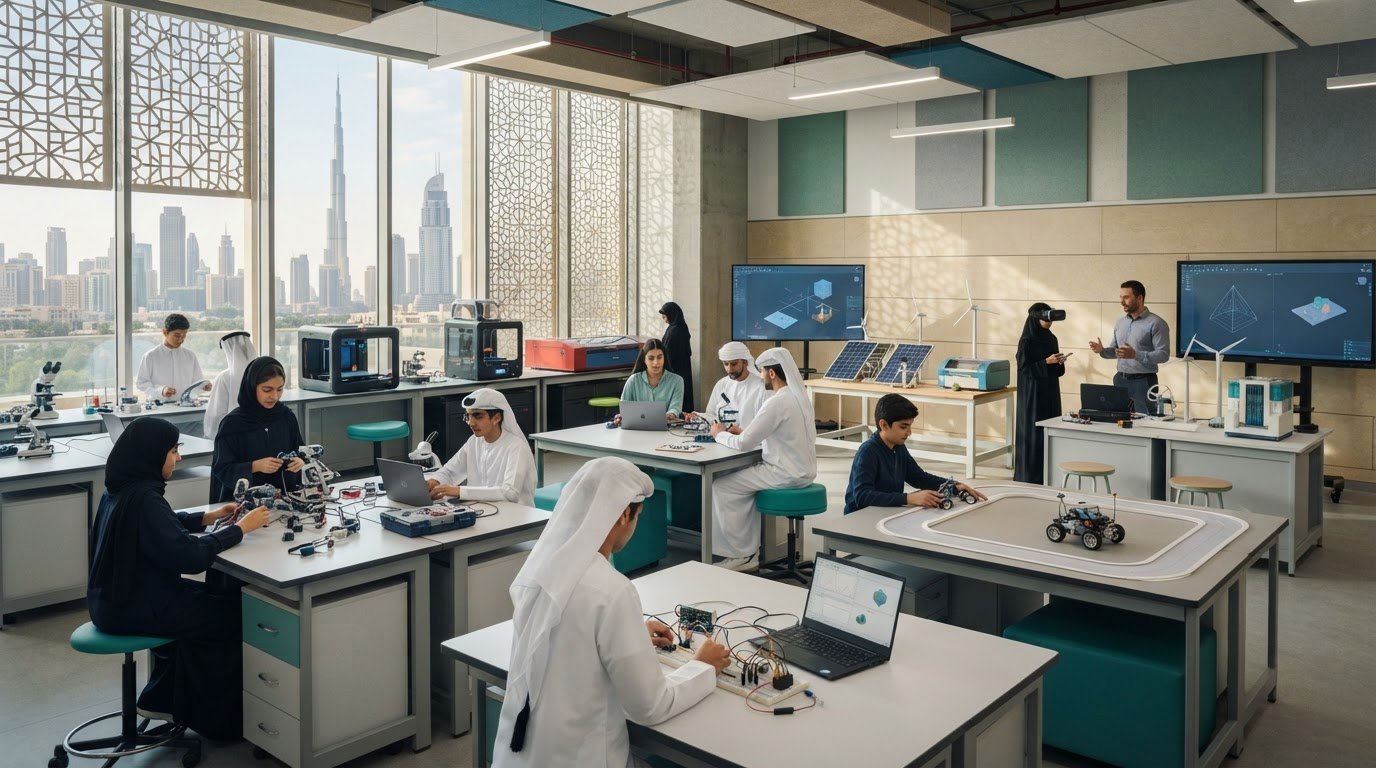
An IoT Lab for Engineering Students is a dedicated instructional environment designed to teach the design, deployment, and management of connected device systems through hands-on experimentation. As industries integrate sensor networks, edge processing, and cloud analytics into commercial buildings, manufacturing lines, and urban infrastructure, engineering departments require facilities that produce graduates fluent in the complete IoT stack. This article defines the components of a functional IoT laboratory, specifies the equipment categories required for instruction, outlines the setup sequence, and details a curriculum structure mapped to measurable learning outcomes. Readers will gain a structured reference covering equipment selection, laboratory configuration, instructional design, and procurement criteria.
Key takeaways covered below:
- The role and instructional value of a dedicated IoT laboratory
- Essential IoT lab equipment across five functional categories
- A repeatable IoT laboratory setup sequence
- A curriculum framework aligned to industry competencies
What an IoT Lab Is and Why It Matters in Engineering Education
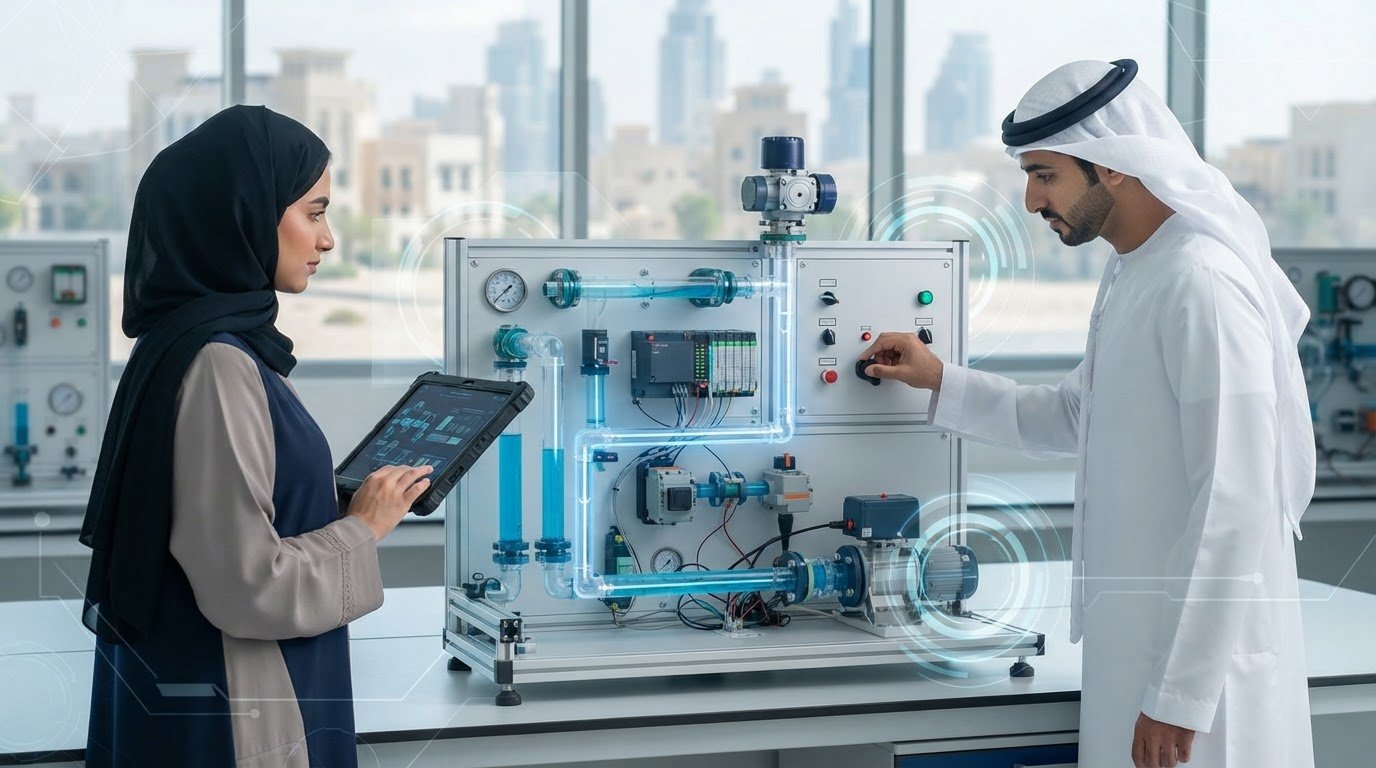
An Internet of Things Lab is a structured facility equipped with sensing hardware, microcontrollers, networking infrastructure, and cloud platforms that enable students to construct end-to-end connected systems. The laboratory consolidates the embedded, communication, and data-processing layers of IoT into a single instructional environment.
A functional IoT laboratory delivers the following instructional capacities:
- Develop firmware for microcontrollers and embedded sensing nodes.
- Configure wireless and wired communication across standard protocols.
- Integrate edge devices with cloud platforms for data ingestion and analytics.
- Analyze sensor data streams for monitoring, control, and optimization.
- Secure device communication and data transmission against intrusion.
The instructional significance of a dedicated IoT facility derives from the interdisciplinary character of connected systems. A single IoT project requires the simultaneous application of embedded programming, network engineering, data analytics, and cybersecurity. Consequently, the laboratory functions as the convergence point where theoretical instruction across multiple courses translates into integrated, operational systems.
Furthermore, the competencies developed within these laboratories map directly to industry demand. Systems integrators, smart building consultants, and IoT solution architects require engineers who can specify sensor networks, implement open communication standards, and interpret real-time data. The laboratory environment produces this operational fluency through measurable system interaction rather than theoretical familiarity alone.
Essential IoT Lab Equipment
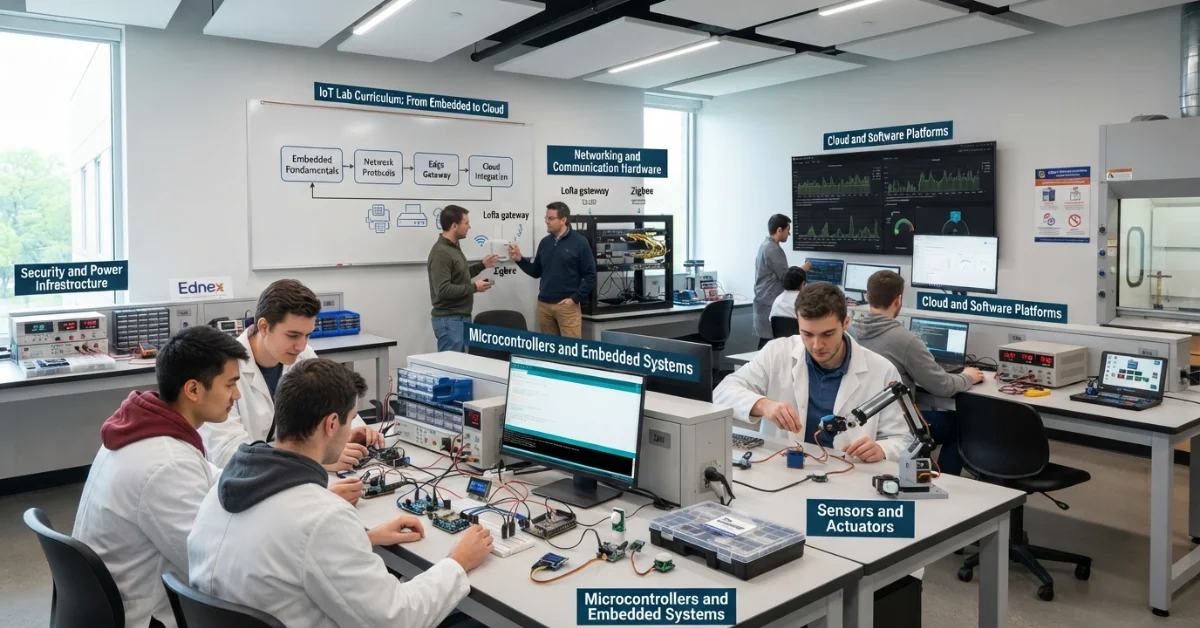
IoT Lab Equipment comprises the hardware modules, networking infrastructure, and software platforms required to construct, connect, and manage device systems across the complete IoT stack. The inventory divides into five functional categories that together support end-to-end instruction.
Microcontrollers and Development Boards
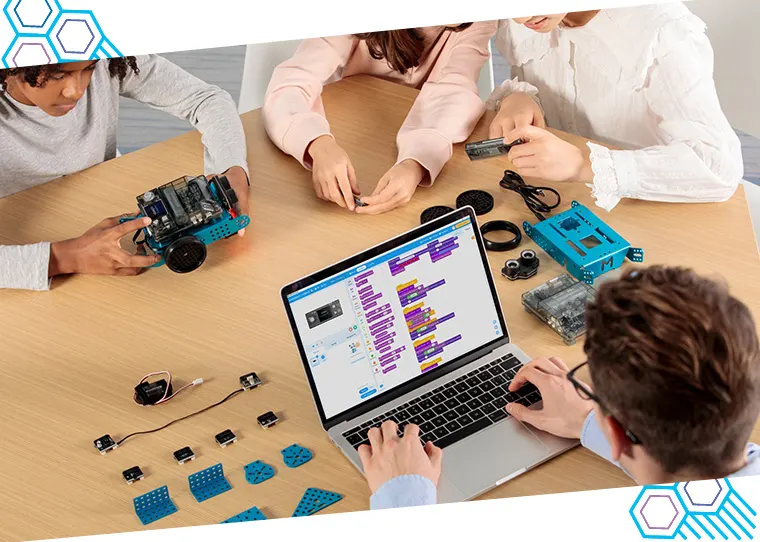
Development boards are programmable hardware platforms that execute firmware, interface with sensors, and manage communication for embedded IoT nodes. They form the computational foundation of every connected device.
Core development hardware includes the following:
- Microcontroller boards: Execute low-power embedded firmware for sensing and actuation tasks.
- Single-board computers: Provide Linux-based processing capacity for edge analytics and gateway functions.
- Wireless-enabled modules: Integrate Wi-Fi, Bluetooth, or cellular connectivity within compact form factors.
- Prototyping platforms: Support rapid circuit assembly through breadboards and modular connectors.
The instructional value of development boards derives from their accessibility and scalability. Students program a microcontroller to read a sensor and transmit data within a single session, establishing the connection between embedded code and physical behavior. Additionally, the progression from microcontrollers to single-board computers introduces the distinction between constrained edge nodes and gateway-class processing.
Sensors and Actuators
Sensors are transducers that convert physical phenomena into measurable electrical signals, while actuators convert control signals into physical action. Together they define the interface between the IoT system and the physical environment.
Standard sensing and actuation components include the following:
- Environmental sensors: Measure temperature, humidity, pressure, and air quality.
- Motion and proximity sensors: Detect presence, displacement, and acceleration.
- Optical and imaging sensors: Capture light intensity, color, and visual data.
- Actuators and relays: Control motors, valves, and switching across connected loads.
The pedagogical strength of a diverse sensor inventory lies in its support for application-specific projects. Students model smart building monitoring, industrial condition tracking, and environmental sensing using components representative of commercial deployments. Moreover, sensor instruction reinforces signal conditioning, calibration, and measurement uncertainty as foundational engineering disciplines.
Networking and Communication Hardware
Networking hardware comprises the devices and infrastructure that transport data between edge nodes, gateways, and cloud platforms. This category addresses the communication layer that distinguishes IoT from isolated embedded systems.
Essential networking components include the following:
- Gateways: Aggregate edge device traffic and bridge local networks to cloud platforms.
- Wireless protocol modules: Support Zigbee, LoRa, Wi-Fi, and Bluetooth Low Energy communication.
- Routers and switches: Manage local network traffic and segmentation.
- Protocol interface boards: Enable MQTT, CoAP, and HTTP message exchange.
The instructional importance of networking hardware rests on the principle that IoT competence requires fluency across open communication standards. Students configure protocols suited to bandwidth, range, and power constraints, evaluating the trade-offs that govern real-world network design. Furthermore, exposure to open standards prepares graduates for the interoperability requirements that commercial integration demands.
Cloud and Software Platforms
Cloud and software platforms are the hosted environments and applications that ingest, store, process, and visualize IoT data. They constitute the analytics and management layer of the connected system.
Core platform resources include the following:
- Cloud IoT platforms: Provide device management, data ingestion, and scalable storage.
- Data visualization dashboards: Render real-time and historical data for monitoring and analysis.
- Development environments: Support firmware authoring, debugging, and deployment.
- Analytics and machine learning tools: Process data streams for prediction and optimization.
The instructional value of cloud platforms derives from their capacity to demonstrate the complete data lifecycle. Students transmit sensor data to a cloud endpoint, configure a dashboard, and observe real-time insights, establishing the relationship between edge measurement and actionable analytics. Additionally, platform proficiency constitutes a direct employment competency expected by systems integrators and solution architects.
Security and Power Infrastructure
Security and power infrastructure comprises the components that protect data integrity and sustain reliable device operation. This category addresses two requirements that commercial IoT deployment treats as non-negotiable.
Essential infrastructure includes the following:
- Encryption and authentication modules: Secure device identity and data transmission.
- Power management systems: Regulate supply and support battery and energy-harvesting applications.
- Network monitoring tools: Detect intrusion and anomalous traffic.
The instructional significance of this category lies in its alignment with operational reality. Connected systems remain vulnerable without secured communication, and field-deployed nodes depend on managed power. Consequently, instruction in security and power discipline cultivates the professional habits that industrial practice requires.
IoT Laboratory Setup Sequence
IoT Laboratory Setup is the structured process of configuring physical space, network infrastructure, and equipment provisioning to support repeatable instruction. The sequence ensures that capital investment produces measurable instructional return.
The recommended setup sequence proceeds as follows:
- Define learning outcomes: Align equipment selection with curriculum objectives and accreditation standards.
- Provision workstations: Configure benches with development hardware, sensors, and host computers.
- Establish network infrastructure: Install gateways, access points, and segmented networks for device traffic.
- Configure cloud access: Provision platform accounts, device credentials, and dashboard templates.
- Implement security protocols: Apply authentication, encryption, and network monitoring across the environment.
- Standardize software environments: Install uniform development tools across all workstations.
This sequence establishes a laboratory configuration that supports consistent instruction across cohorts. Furthermore, a standardized environment reduces instructor support overhead and enables students to transfer skills directly between sessions.
Curriculum Structure and Learning Outcomes
An IoT curriculum is a structured progression of instructional modules that advances students from embedded fundamentals to integrated system deployment. The framework maps each module to a measurable competency.
A representative curriculum progression includes the following:
- Embedded fundamentals: Program microcontrollers and interface sensors and actuators.
- Communication protocols: Configure wireless and wired data transmission across open standards.
- Edge and gateway processing: Implement local data processing and gateway aggregation.
- Cloud integration: Transmit, store, and visualize data on hosted platforms.
- Data analytics: Process data streams for monitoring, prediction, and optimization.
- Security and deployment: Secure communication and deploy integrated end-to-end systems.
The instructional value of this progression lies in its cumulative structure. Each module builds upon prior competencies, culminating in a capstone project that requires students to design and deploy a complete connected system. Moreover, the framework produces documented learning outcomes that support accreditation evaluation and demonstrate workforce readiness.
Real-World Applications
IoT laboratory competencies translate directly into professional applications across commercial and industrial sectors. The transition from controlled instruction to field deployment defines graduate employability.
Documented applications include the following:
- Smart building systems: Integrate occupancy, climate, and energy monitoring for operational efficiency.
- Industrial condition monitoring: Track equipment health to support predictive maintenance.
- Environmental sensing networks: Monitor air quality, water, and resource consumption.
- Energy management: Optimize consumption through real-time analytics and automated control.
The common factor across these applications is the requirement for engineers who can specify, integrate, and manage connected systems end to end. Graduates trained in a structured IoT laboratory enter the workforce with demonstrable competence in sensor networks, open protocols, and cloud analytics.
Procurement and Implementation Considerations
Institutions evaluating an IoT laboratory should assess the following criteria before procurement:
- Curriculum alignment: Equipment must correspond to defined learning outcomes and accreditation requirements.
- Open standards: Hardware and platforms should support interoperable protocols to ensure compatibility and future expansion.
- Scalability: Modular systems permit incremental expansion as enrollment and program scope increase.
- Total cost of ownership: Evaluation must extend beyond purchase price to include cloud subscriptions, consumables, and maintenance.
- Vendor support: Supplier capacity for training, documentation, and technical support sustains long-term operation.
These criteria ensure that laboratory investment produces a scalable, future-ready facility rather than an inventory of underutilized equipment.
Conclusion
A functional IoT Lab for Engineering Students integrates five equipment categories into a single instructional environment. Microcontrollers and development boards establish the computational foundation. Sensors and actuators interface the system with the physical environment. Networking hardware transports data across open standards. Cloud platforms deliver ingestion, storage, and analytics. Security and power infrastructure sustain reliable, protected operation. A structured setup sequence and a progressive curriculum convert this inventory into measurable competencies aligned to industry demand. Together, these elements prepare graduates for direct deployment in smart building, industrial, and energy management roles.
Ednex supplies comprehensive IoT laboratory solutions configured for engineering departments. Ednex aligns equipment specifications, networking infrastructure, cloud platforms, and curriculum support with learning outcomes, accreditation standards, and budget parameters to deliver scalable, future-ready laboratory provisioning. Contact Ednex today to design an IoT laboratory matched to your program objectives.
Frequently Asked Questions
What is an IoT lab for engineering students?
An IoT lab for engineering students is a dedicated facility equipped with microcontrollers, sensors, networking hardware, and cloud platforms that enable students to construct end-to-end connected systems. It consolidates the embedded, communication, and data-processing layers of IoT into a single instructional environment.
What equipment is required to set up an IoT laboratory?
A functional IoT laboratory requires five equipment categories: microcontrollers and development boards, sensors and actuators, networking and communication hardware, cloud and software platforms, and security and power infrastructure. Together these support instruction across the complete IoT stack.
Why does an IoT lab matter in engineering education?
An IoT lab develops interdisciplinary competence across embedded programming, network engineering, data analytics, and cybersecurity. These competencies map directly to industry demand for engineers who can specify sensor networks, implement open standards, and interpret real-time data.
What microcontrollers and development boards are suitable for an IoT lab?
Suitable hardware includes low-power microcontroller boards for embedded sensing tasks, single-board computers for edge analytics and gateway functions, wireless-enabled modules integrating Wi-Fi or Bluetooth, and prototyping platforms for rapid circuit assembly.
How should an institution approach IoT laboratory setup?
Institutions should follow a structured sequence: define learning outcomes, provision workstations, establish network infrastructure, configure cloud access, implement security protocols, and standardize software environments. This sequence supports consistent instruction across cohorts.
What should an IoT curriculum include?
An IoT curriculum should progress through embedded fundamentals, communication protocols, edge and gateway processing, cloud integration, data analytics, and security and deployment. Each module maps to a measurable competency and culminates in an integrated capstone project.
Why are open standards important in an IoT lab?
Open standards ensure interoperability across diverse hardware and platforms, supporting compatibility and future expansion. Instruction in protocols such as MQTT, CoAP, Zigbee, and LoRa prepares graduates for the integration requirements that commercial deployment demands.
What factors affect IoT lab procurement decisions?
Procurement decisions should account for curriculum alignment, support for open standards, scalability, total cost of ownership including cloud subscriptions and consumables, and vendor capacity for training and technical support.
Author Bio
Ednex is a provider of educational laboratory solutions specializing in IoT and connected systems instruction. Ednex supplies microcontrollers, sensors, networking infrastructure, cloud platforms, and complete IoT laboratory configurations for engineering departments, aligning equipment specifications and curriculum support with learning outcomes, accreditation standards, and computing infrastructure. Through standardized provisioning and technical support, Ednex enables institutions to deliver scalable, industry-aligned IoT instruction.
Related Posts ...


Comments are disabled