



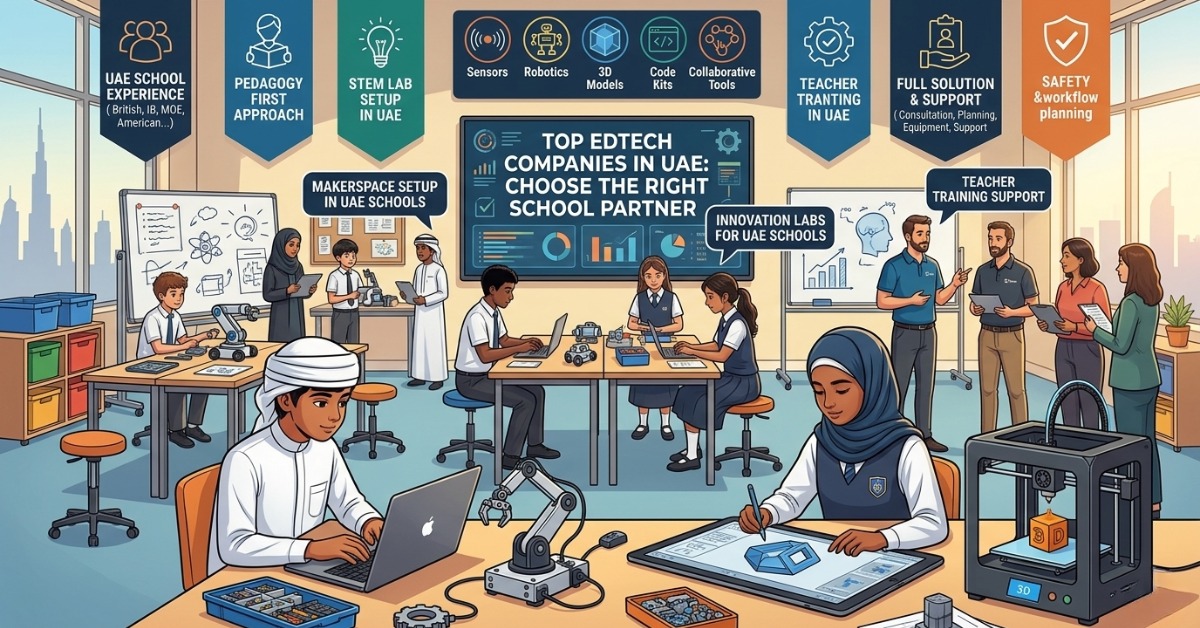
Top EdTech Companies in UAE: How to Choose the Right Partner for Your School
Choosing the right EdTech partner is now a strategic decision for schools across the Emirates. As demand grows for future-ready learning, many leaders are investing in makerspace setup in UAE schools to strengthen STEM learning, creativity, and hands-on problem-solving. But the success of that investment depends on more than buying devices or furniture. It depends on selecting a partner that understands curriculum goals, teacher training, student safety, local compliance, and long-term support.
For school administrators, principals, and decision-makers, the challenge is clear: many providers claim to offer innovation, but not all can deliver a complete, sustainable solution. A strong partner helps you plan the space, choose the right tools, train your staff, and align the makerspace with your school’s learning outcomes. In this guide, you’ll learn what to look for, how to compare providers, which red flags to avoid, and what a successful school makerspace UAE strategy should include.
Why makerspaces matter in UAE schools
Schools in the UAE are under growing pressure to prepare students for a fast-changing economy shaped by technology, entrepreneurship, and applied skills. That is why makerspaces, STEM labs, and innovation hubs have become more than trend-driven upgrades. They are now central to modern school planning.
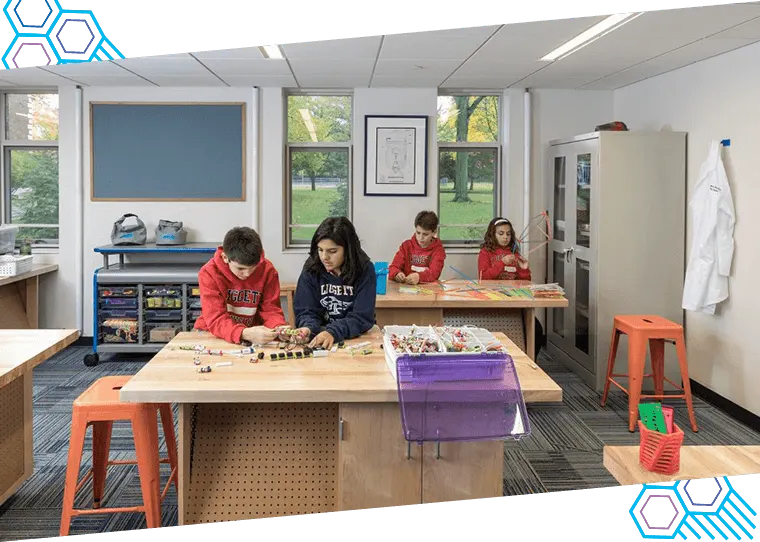
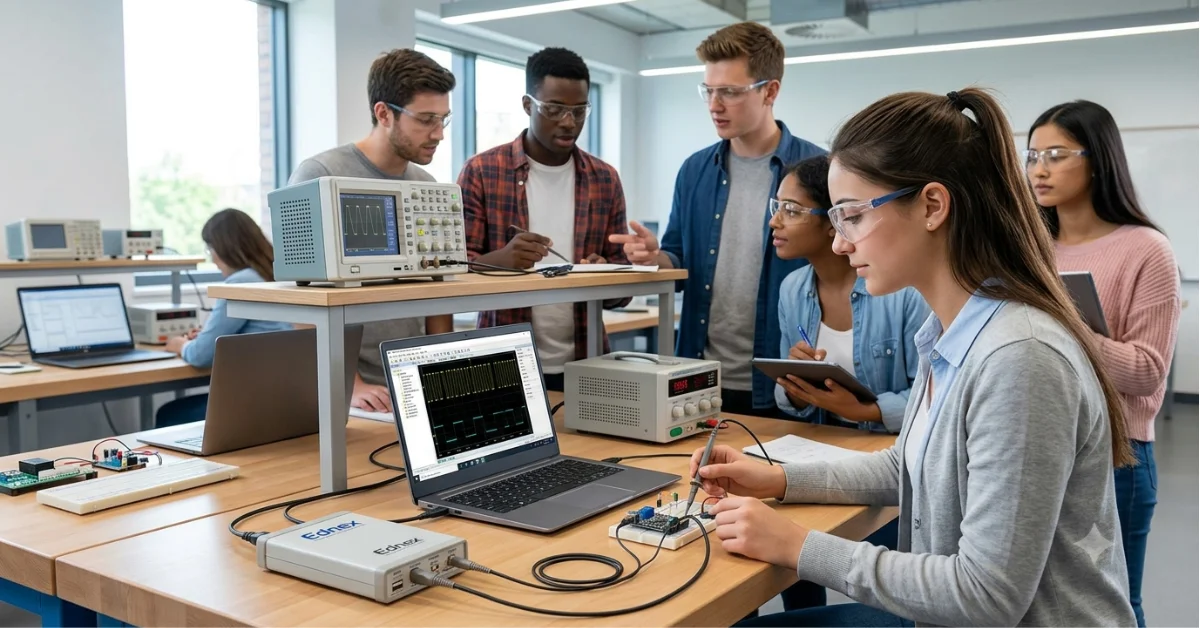
A well-designed makerspace gives students a place to test ideas, build prototypes, solve real problems, and work across subjects. It turns abstract lessons into practical learning. Instead of only reading about engineering, coding, or design, students actively create.
For schools, the benefits are broad:
- Stronger student engagement through hands-on learning
- Better alignment with STEM and future-skills programs
- Improved collaboration, creativity, and critical thinking
- Greater appeal to parents seeking modern learning environments
- Clear support for robotics, coding, design thinking, and entrepreneurship
When planned well, innovation labs for UAE schools can serve students from primary through secondary levels. The key is choosing an EdTech provider that knows how to scale the solution to your school’s size, budget, and curriculum.
What an EdTech partner should actually provide
Many schools begin their search by looking at products. That is understandable, but it is not enough. The best EdTech companies in the UAE do not just sell equipment. They deliver a full solution.
A strong partner should offer:
- Needs assessment and school consultation
- Space planning and layout design
- Age-appropriate tool and equipment selection
- Curriculum alignment with STEM and project-based learning
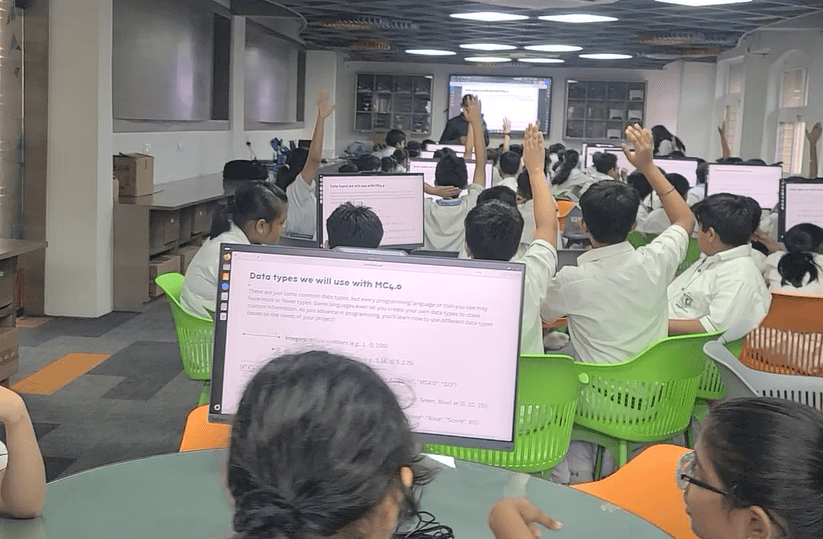
- Teacher onboarding and training
- Installation, testing, and setup
- Ongoing maintenance and technical support
- Safety guidance and usage policies
- Upgrade planning as your school grows
This matters because how to build a school makerspace is not just a purchasing question. It is a learning design question. If a provider focuses only on devices, your school may end up with an attractive room that teachers rarely use.
How to choose the right EdTech partner for your school
Not every company is the right fit for every school. The best choice depends on your academic goals, student age groups, available space, and internal capacity. Use the following criteria when evaluating potential partners.
1. Look for UAE school experience
Start with local relevance. A provider that has worked with schools in the UAE will better understand procurement cycles, private and public school expectations, local safety requirements, and curriculum models.
Ask questions such as:
- Have you completed makerspace or STEM lab setup in UAE projects before?
- Can you share examples from schools similar to ours?
- Do you understand British, American, IB, CBSE, or MOE curriculum needs?
- What kind of post-installation support do you provide locally?
Local experience often leads to smoother implementation and faster problem-solving.
2. Assess whether they lead with pedagogy, not products
A quality EdTech company should begin by asking what students need to learn. If the first conversation is only about hardware brands and pricing, that is a warning sign.
The right partner will ask:
- What age groups will use the space?
- What subjects will connect to the makerspace?
- How often will students use it?
- Are you building for enrichment, curriculum delivery, or both?
- What outcomes do you want to measure?
A school does not need the most expensive equipment. It needs the right mix of tools that teachers can use confidently.
3. Review their training model
A makerspace succeeds only when teachers know how to use it. Training should not be treated as an optional add-on. It should be part of the core proposal.
Look for partners that include:
- Initial teacher onboarding
- Hands-on demo sessions
- Lesson integration support
- Safety training
- Ongoing refresher workshops
- Resources for new staff onboarding
This is especially important for schools investing in a new school makerspace UAE program for the first time.
4. Check support, maintenance, and scalability
Some vendors disappear after installation. Others provide service contracts, troubleshooting, replacement plans, and growth roadmaps. Always ask what happens after the room is launched.
You should know:
- Response times for technical issues
- Warranty details
- Maintenance schedules
- Spare parts availability
- Software updates and licensing support
- Options for future expansion
This is essential when investing in makerspace equipment for schools, where daily wear and repeated student use are expected.
5. Compare custom solutions over standard packages
Prebuilt packages can be helpful, but schools often need flexible layouts and equipment selections. A primary school, for example, will need very different tools than a secondary campus focused on robotics, engineering, or design.
The best partners offer solutions tailored to:
- Student age and skill level
- Available room size
- Budget range
- Teaching objectives
- Timetable model
- Safety and supervision needs
Customization improves usability and avoids wasted spending.
Essential makerspace equipment for schools
When planning a space, schools should focus on a balanced mix of foundational tools, digital technologies, and flexible furniture. The exact list will vary, but most successful spaces include the following categories.
Core makerspace equipment
- Modular worktables and mobile seating
- Storage cabinets and labeled bins
- Whiteboards and display surfaces
- Hand tools for basic prototyping
- Safety goggles, gloves, and first-aid supplies
- Craft and model-making materials
- Measuring tools and cutting mats
Technology and STEM tools
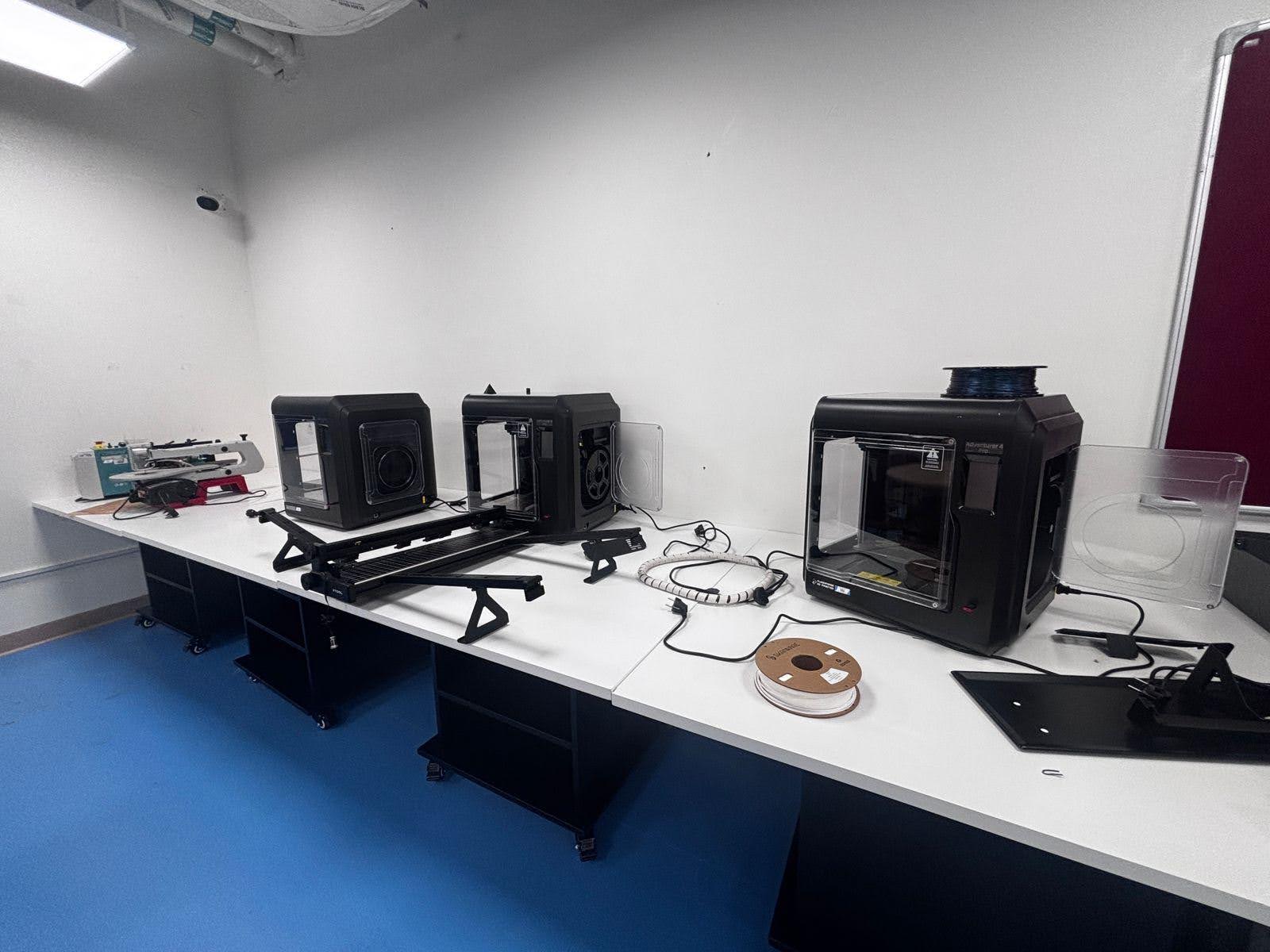
- 3D printers
- Laser cutters where age-appropriate
- Robotics kits
- Coding devices and microcontrollers
- Electronics kits and circuit boards
- Laptops or tablets
- Interactive screens or presentation tools
Design and engineering resources
- Prototyping materials such as cardboard, foam board, acrylic, and wood
- CAD-compatible software
- Sensors and automation components
- Mechanical building kits
- Soldering tools for advanced student groups
- Testing and troubleshooting kits
Flexible add-ons for innovation labs
- VR or AR tools
- Media creation stations
- Green screen setups
- Drone kits
- AI and machine learning starter tools
- Entrepreneurship project zones
The right provider will help you avoid overbuying. A good STEM lab setup in UAE should match actual classroom use, not marketing hype.
Key benefits of makerspaces and innovation labs
A makerspace should create measurable value for both students and the school community. When presented to leadership teams or boards, these benefits help justify investment.
Student learning benefits
- Builds creativity through open-ended projects
- Develops critical thinking and problem-solving
- Supports teamwork and communication
- Encourages experimentation and resilience
- Connects theory with practical application
- Improves engagement for different learning styles
- Strengthens digital literacy and engineering habits
School-wide benefits
- Enhances the school’s academic offering
- Supports STEM, robotics, and coding strategies
- Helps schools stand out in a competitive market
- Creates opportunities for exhibitions, competitions, and showcases
- Encourages cross-curricular collaboration
- Builds a culture of innovation across departments
Long-term strategic benefits
- Prepares students for future careers and higher education
- Aligns with UAE goals around innovation and knowledge economy growth
- Supports project-based and inquiry-based learning models
- Makes room for scalable program development over time
Common mistakes schools make when selecting a provider
Even strong schools can make poor EdTech decisions if they move too quickly. Here are some common issues to avoid.
Buying equipment before defining outcomes
Without a clear plan, schools often purchase tools that remain underused. Start with learning goals, then choose the equipment.
Ignoring teacher readiness
If staff training is weak, usage drops fast. Teachers need confidence, not just access.
Choosing the cheapest quote
Low-cost solutions can lead to poor durability, limited support, and expensive fixes later. Value matters more than initial price alone.
Overbuilding the space
A room packed with advanced tools may look impressive but overwhelm younger students and busy teachers. Simpler, well-used spaces often deliver better results.
Skipping safety and workflow planning
Good makerspaces need clear movement paths, secure storage, supervision visibility, and age-appropriate safety controls.
A simple checklist for evaluating EdTech companies in the UAE
Use this shortlist when comparing providers:
- Do they have proven experience with UAE schools?
- Can they support both planning and installation?
- Do they align the space with curriculum goals?
- Is teacher training included?
- Do they offer local technical support?
- Can they customize for our age groups and budget?
- Have they recommended practical, not excessive, equipment?
- Do they provide a roadmap for growth?
If the answer is yes to most of these, you are likely speaking with a serious long-term partner.
Final thoughts
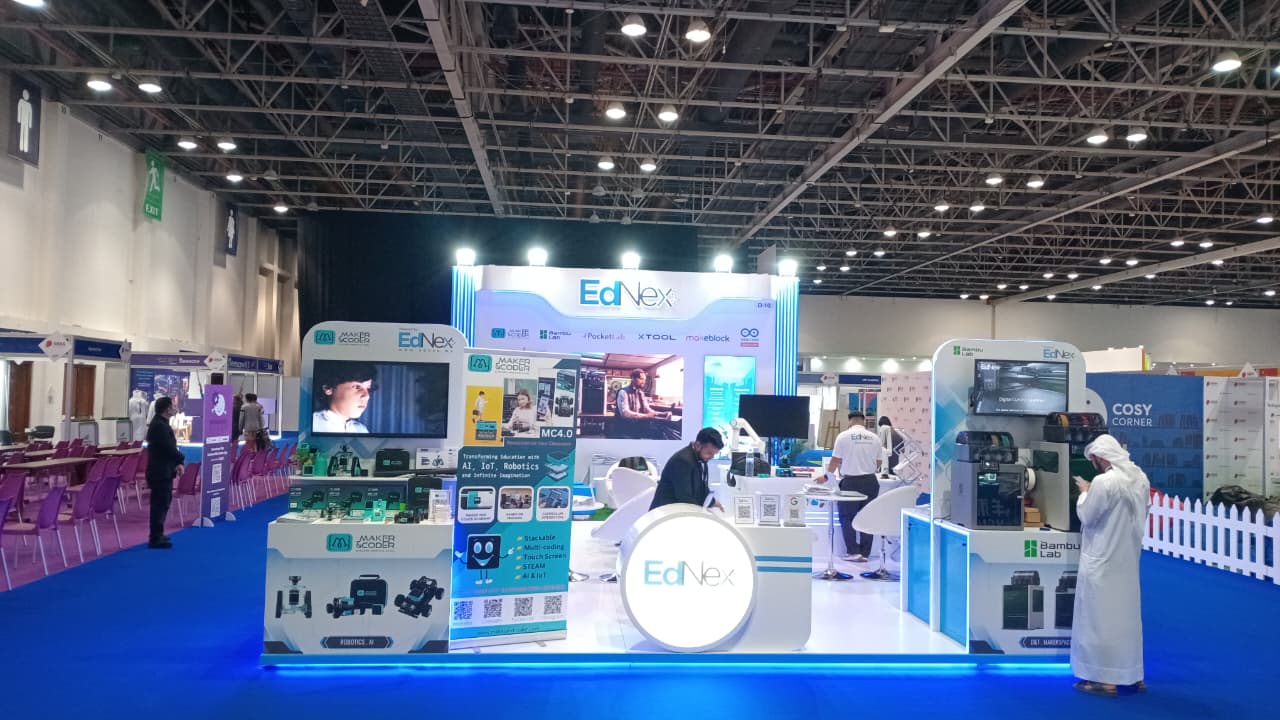
The best EdTech companies in the UAE do more than supply equipment. They help schools create learning environments where students can think, build, test, and grow. For any school considering makerspace setup in UAE schools, the most important decision is not which device to buy first. It is which partner can turn your educational goals into a working, sustainable reality.
Take time to define your outcomes, assess your teacher readiness, and compare providers on support, training, and experience. A well-planned makerspace or innovation lab can become one of the most valuable learning spaces on campus when it is built with purpose.
FAQ
What is the difference between a makerspace and a STEM lab?
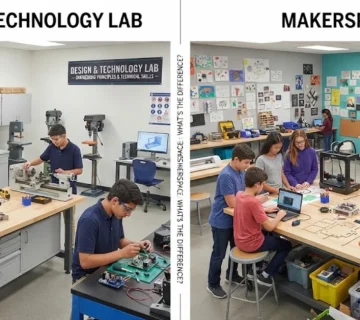
A makerspace is usually more flexible and open-ended. It supports creativity, design, prototyping, and cross-subject projects. A STEM lab often focuses more directly on science, technology, engineering, and math activities. Many schools combine both functions in one space.
How much space is needed for a school makerspace in the UAE?
That depends on your student numbers, age groups, and program goals. Some schools start with a small room and mobile stations, while others build larger dedicated labs. A good provider can design a solution based on your available footprint.
What is the first step in how to build a school makerspace?
Begin with your learning goals. Decide who will use the space, what skills students should develop, and how the room will support your curriculum. After that, move to layout, equipment, and training.
What equipment should schools prioritize first?
Start with flexible furniture, safe storage, basic prototyping tools, coding or robotics kits, and devices that support regular classroom use. You can add advanced tools later as teacher confidence and student demand grow.
How important is teacher training in a STEM lab setup?
It is critical. Even the best equipment will not deliver results if teachers are unsure how to use it. Training should cover both technical operation and lesson integration.
Are innovation labs suitable for primary schools?
Yes, if the design is age-appropriate. Younger students benefit from creative construction tools, simple coding kits, and guided hands-on projects. The space does not need to be highly technical to be effective.
How can schools measure success after setup?
Track usage rates, teacher adoption, student project quality, participation in showcases or competitions, and links to curriculum outcomes. Feedback from staff and students also helps identify what to improve.
Author Bio: Ednex
Ednex is a trusted name in future-ready learning solutions for schools. The team works with educational institutions to design and deliver practical, scalable environments that support STEM, innovation, and hands-on learning. From planning and consultation to equipment selection and implementation, Ednex helps schools build spaces that are aligned with real educational goals and long-term growth.
Related Posts ...
Comments are disabled