




IoT Lab vs Traditional Electronics Lab: Key Differences and Benefits
Schools and colleges are rethinking what a practical lab should prepare students for. A traditional electronics lab still teaches essential concepts like circuits, measurement, soldering, and component behavior. But industry needs have changed. Connected devices, cloud platforms, embedded systems, sensors, automation, and real-time data now shape modern engineering and technical careers.
That shift is why the debate around IoT lab vs traditional electronics lab matters so much. Lab investments are no longer just about hardware benches and test instruments. They are about whether students can move from basic electronics knowledge to building smart, connected systems that match real-world applications.
In this article, you will learn how an IoT lab differs from a conventional electronics lab, what an effective IoT laboratory setup includes, and why a modern IoT training lab is becoming essential for institutions that want to stay relevant. You will also see the practical value of both lab models and how decision-makers can choose the right approach for their campus.
Key takeaways are clear. Traditional labs build the fundamentals. IoT labs extend those fundamentals into connected, software-driven applications. For many institutions, the best path is not replacement alone, but strategic modernization.
Why the Lab Environment Is Evolving
For years, the standard electronics lab for schools and colleges focused on analog and digital fundamentals. Students learned resistor color codes, breadboard wiring, transistor logic, power supplies, multimeters, and oscilloscopes. These skills remain important because every advanced device still depends on core electronics principles.
However, employers now expect more than isolated hardware knowledge. Students are increasingly expected to understand how devices sense data, communicate over networks, interact with cloud systems, and support automation. This is where IoT changes the educational model.
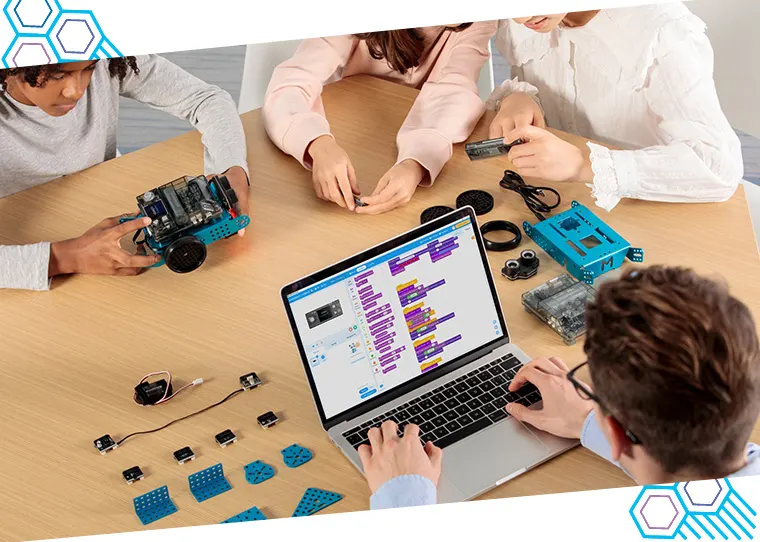
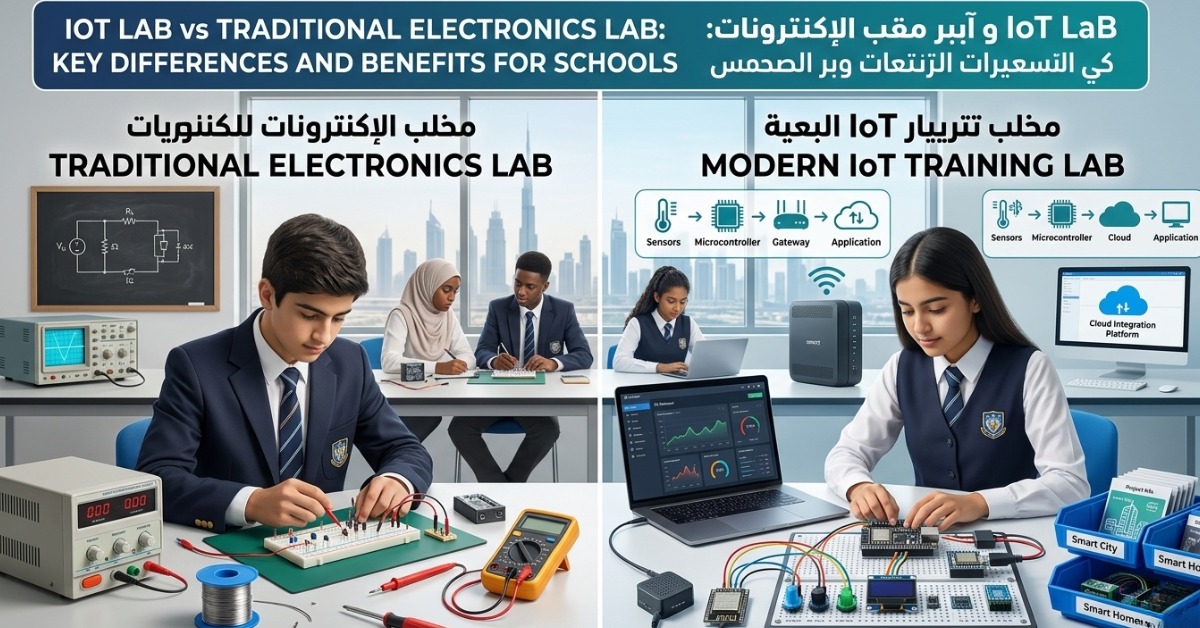
An IoT lab connects physical computing with software and communication systems. Instead of only testing voltage across a resistor, students may build a temperature-monitoring node, send data to a dashboard, trigger an alert, and analyze performance in real time. That shift makes the lab more aligned with current industry practice.
In simple terms, the difference is this: traditional electronics labs teach how devices work, while IoT labs teach how devices work together.
IoT Lab vs Traditional Electronics Lab
The topic of IoT lab vs traditional electronics lab is not about declaring one fully better than the other. It is about understanding the purpose of each environment.
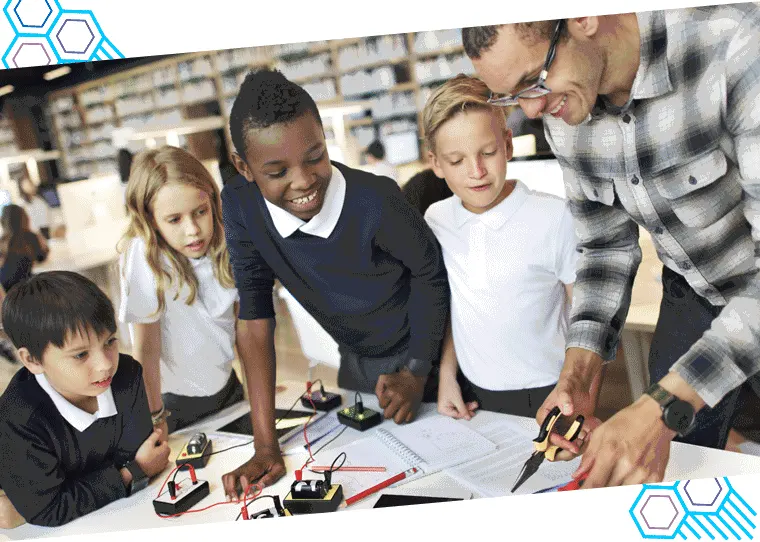
A traditional electronics lab is built around foundational learning. Students work with discrete components, PCB basics, circuit design, signal analysis, and hardware troubleshooting. The focus is often on understanding electrical behavior, component function, and design accuracy.
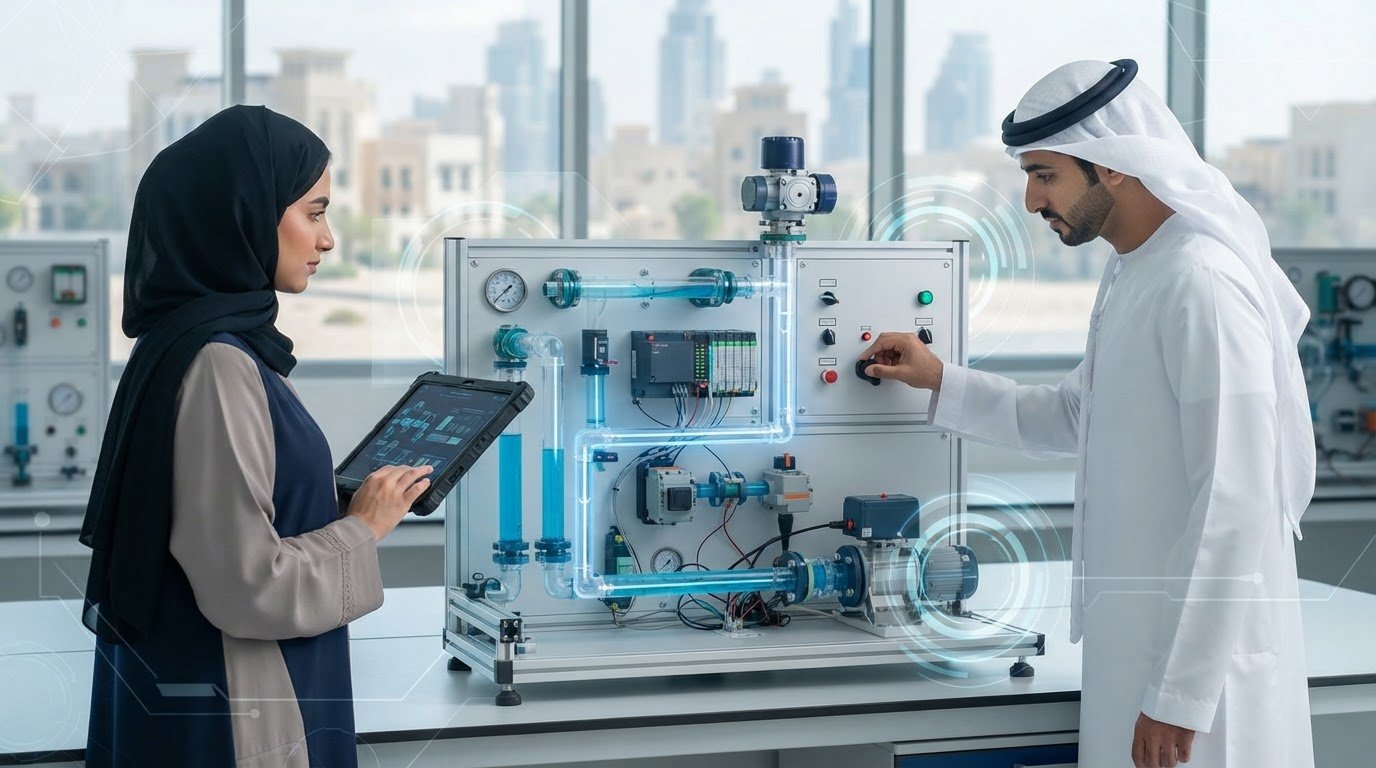
An IoT lab adds a wider application layer. It combines electronics with microcontrollers, sensors, connectivity modules, embedded programming, networking, dashboards, mobile integration, and cloud interfaces. Students do not just assemble circuits. They build complete systems.
Traditional Electronics Lab: Primary Focus
A traditional electronics lab usually supports:
- Circuit design and analysis
- Analog and digital electronics experiments
- Signal measurement and testing
- PCB understanding and prototyping
- Basic embedded hardware concepts
- Troubleshooting at the component and board level
This model is highly effective for teaching fundamentals. It develops precision, discipline, and technical thinking. Students learn what happens inside the circuit before they move into more advanced systems.
IoT Lab: Primary Focus
A modern IoT lab usually supports:
- Sensor integration
- Microcontroller and development board programming
- Wireless communication protocols
- Cloud connectivity
- Data logging and visualization
- Smart automation projects
- Real-world problem-solving through connected systems
This approach prepares students for current technical workflows. It helps them understand how hardware, software, networks, and data interact in one ecosystem.
Difference Between IoT Lab and Electronics Lab
The difference between IoT lab and electronics lab becomes more visible when you compare learning outcomes.
Area | Traditional Electronics Lab | IoT Lab |
Main learning goal | Understand circuits and electronic behavior | Build connected smart systems |
Equipment focus | Oscilloscopes, power supplies, meters, discrete components | Development boards, sensors, gateways, cloud tools, network modules |
Project type | Circuit experiments and device testing | Smart monitoring, automation, remote control, data analytics |
Software role | Limited or basic | Central to development and integration |
Connectivity | Usually local and isolated | Networked and often cloud-enabled |
Industry relevance | Strong for core electronics roles | Strong for Industry 4.0, automation, and smart tech roles |
This comparison shows that IoT labs are not replacing core electronics learning. They are expanding it into practical, connected applications.
What an Effective IoT Laboratory Setup Includes
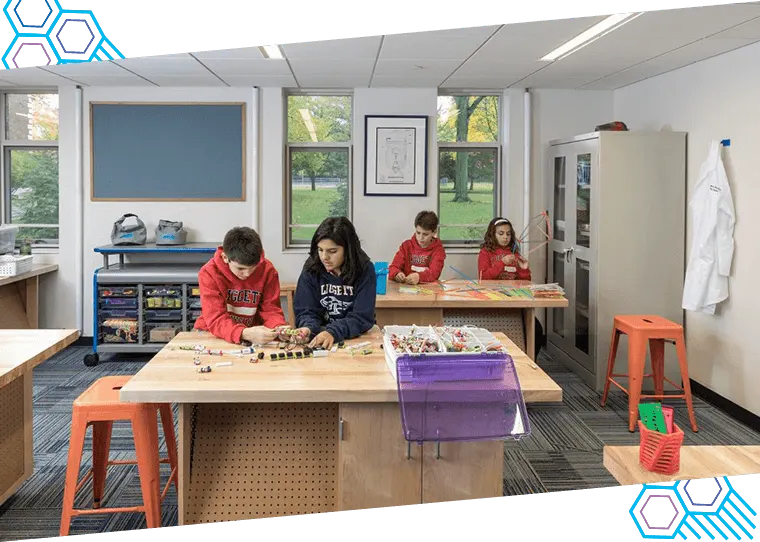
A strong IoT laboratory setup should be designed for hands-on learning, not just display value. Decision-makers should think beyond buying a few development boards. The lab must support a complete learning journey from basic interfacing to advanced connected projects.
Core Hardware Components
An IoT setup often includes:
- Microcontroller boards such as Arduino, ESP32, or STM-based kits
- Single-board computers for advanced applications
- Sensors for temperature, humidity, gas, motion, light, pressure, and distance
- Actuators such as relays, motors, buzzers, and servos
- Wireless communication modules
- Breadboards, jumper wires, and prototyping tools
- Power management units and adapters
These components let students build systems that collect, process, and respond to real-world inputs.
Software and Platform Requirements
Hardware alone does not make an IoT lab useful. It should also include:
- Embedded programming tools
- Simulation platforms
- Dashboard and visualization software
- Cloud integration platforms
- Data logging tools
- Mobile or web app interfaces for monitoring and control
This software layer is what turns a basic electronics exercise into a complete IoT application.
Infrastructure and Learning Design
The lab should also support practical delivery through:
- Reliable internet connectivity
- Safe electrical layout and workstation planning
- Modular kits for team-based work
- Structured experiment manuals
- Project-based learning workflows
- Faculty training and curriculum mapping
Without these, even a well-equipped lab may remain underused. The best IoT environments are built around usability, scalability, and curriculum alignment.
Electronics Lab for Schools and Colleges: Why It Still Matters
Even as institutions invest in smart learning tools, the electronics lab for schools and colleges remains essential. Students cannot build reliable IoT systems if they do not understand current, voltage, grounding, signal flow, logic gates, and hardware behavior.
A traditional lab teaches the discipline behind engineering. It trains students to measure correctly, identify faults, interpret schematics, and think systematically. These are not outdated skills. They are the foundation of every embedded and connected system.
For schools and colleges, traditional electronics labs still offer several advantages:
- They build strong conceptual understanding
- They support diploma, undergraduate, and technical programs
- They align with many foundational course requirements
- They prepare students for advanced electronics and embedded work
- They create a base for later IoT, robotics, and automation learning
The best educational strategy is often progression. Students start with electronics fundamentals, then move into embedded systems, then into IoT applications.
Key Differences and Benefits of IoT Labs
When evaluating IoT lab vs traditional electronics lab, decision-makers often want a direct list of distinctions. Here are the most important differences and the major benefits of IoT labs.
Key Differences
- Scope of learning: Traditional labs focus on circuits. IoT labs focus on connected systems.
- Nature of projects: Traditional labs emphasize experiments. IoT labs emphasize applications.
- Technology exposure: Traditional labs center on components and instruments. IoT labs add software, networking, and cloud tools.
- Student output: Traditional lab work often ends at successful testing. IoT lab work can end with deployable prototypes.
- Interdisciplinary value: IoT labs combine electronics, coding, data, and communication systems.
Benefits of IoT Labs
- Better industry alignment: Students gain skills that match smart devices, automation, and digital transformation trends.
- Improved employability: Exposure to connected systems strengthens readiness for modern technical roles.
- Project-based learning: Students build solutions rather than only performing fixed experiments.
- Innovation support: IoT labs encourage prototypes in smart agriculture, health monitoring, energy management, and industrial control.
- Cross-domain learning: Faculty can use the lab across electronics, computer science, robotics, and STEM programs.
- Stronger student engagement: Connected, real-time outcomes often increase interest and participation.
- Future-ready curriculum: Institutions can align programs with evolving technologies and employer expectations.
These benefits explain why many institutions are upgrading lab infrastructure instead of relying only on legacy models.
Why a Modern IoT Training Lab Is Now a Strategic Need
A modern IoT training lab is no longer a premium add-on for a few advanced institutions. It is becoming a strategic requirement for schools and colleges that want to stay competitive.
Education is moving toward applied learning. Accreditation bodies, employers, and students all expect stronger practical relevance. Institutions that continue to teach only isolated electronic theory may struggle to show industry readiness.
A modern IoT lab helps future-proof education in several ways.
It Connects Learning to Industry 4.0
Manufacturing, utilities, healthcare, agriculture, transport, and smart infrastructure all use connected systems. Students need exposure to the same logic and tools used in these sectors.
It Supports Emerging Programs
IoT labs are useful for:
- Electronics and communication engineering
- Electrical engineering
- Computer science and embedded systems
- Robotics and automation
- STEM innovation labs in schools
This makes the investment more flexible and valuable over time.
It Improves Institutional Positioning
Schools and colleges that adopt modern labs can strengthen:
- Academic differentiation
- Admissions appeal
- Industry partnership potential
- Innovation and incubation activity
- Placement outcomes
That makes an IoT lab not just a teaching asset, but a strategic academic asset.
How Decision-Makers Should Choose the Right Model
The right choice depends on institutional goals, student level, and curriculum design.
If the priority is to build foundational technical competency, a traditional electronics lab remains critical. If the goal is to produce application-ready students who can work on smart systems, a modern IoT lab should be part of the roadmap.
For many institutions, the strongest model is a blended one:
- Maintain core electronics lab infrastructure
- Add phased IoT modules and smart project kits
- Train faculty on integrated delivery
- Align practical work with current industry use cases
- Build progression from fundamentals to connected applications
This approach protects core learning while expanding future relevance.
Conclusion
The shift from conventional lab models to connected learning environments reflects a broader change in education itself. Traditional electronics labs remain valuable because they teach the principles behind every device. But the modern workplace demands more than isolated hardware skills. It demands integration, connectivity, automation, and data-driven thinking.
That is why the discussion around IoT lab vs traditional electronics lab is so important for schools and colleges. Institutions do not need to abandon fundamentals. They need to build on them. A well-planned IoT laboratory setup helps bridge classroom knowledge with real-world innovation and gives students the practical experience needed for tomorrow’s careers.
For decision-makers, the next step is clear: review your current lab capabilities, identify curriculum gaps, and create a phased plan that combines strong electronics fundamentals with future-ready IoT learning.
FAQ
1. What is the main difference between an IoT lab and an electronics lab?
The main difference is scope. A traditional electronics lab focuses on circuits, components, and measurement. An IoT lab builds on that foundation by adding sensors, microcontrollers, connectivity, software, and cloud-based applications.
2. Are IoT labs replacing traditional electronics labs?
No. IoT labs are not replacing traditional labs completely. In most cases, they are extending them. Students still need core electronics knowledge before they can design and troubleshoot connected systems effectively.
3. Why are IoT labs important for schools and colleges?
IoT labs help students gain practical experience in connected technologies that are used in industry today. They improve project-based learning, support interdisciplinary education, and better prepare students for modern careers.
4. What should be included in an IoT laboratory setup?
A good IoT laboratory setup should include microcontroller boards, sensors, actuators, communication modules, programming tools, cloud platforms, internet access, project kits, and structured learning resources.
5. What are the benefits of IoT labs for institutions?
The main benefits of IoT labs include stronger industry alignment, improved student engagement, better employability, support for innovation projects, and a more future-ready curriculum.
6. Can schools use IoT labs, or are they only for colleges?
Schools can use IoT labs as well, especially for STEM, coding, robotics, and applied science programs. The level of complexity can be adjusted based on student age and learning goals.
7. How can a college transition from a traditional electronics lab to a modern IoT training lab?
A college can start by keeping its core electronics infrastructure and adding IoT modules in phases. This may include development boards, sensors, cloud tools, faculty training, and updated project-based lab exercises.
Author Bio: Ednex
Ednex is focused on helping educational institutions build future-ready learning environments through innovative lab solutions and practical technology integration. With a strong understanding of academic needs and industry trends, Ednex supports schools and colleges in creating effective spaces for hands-on learning in electronics, IoT, robotics, and emerging technologies.
Related Posts ...

Comments are disabled