

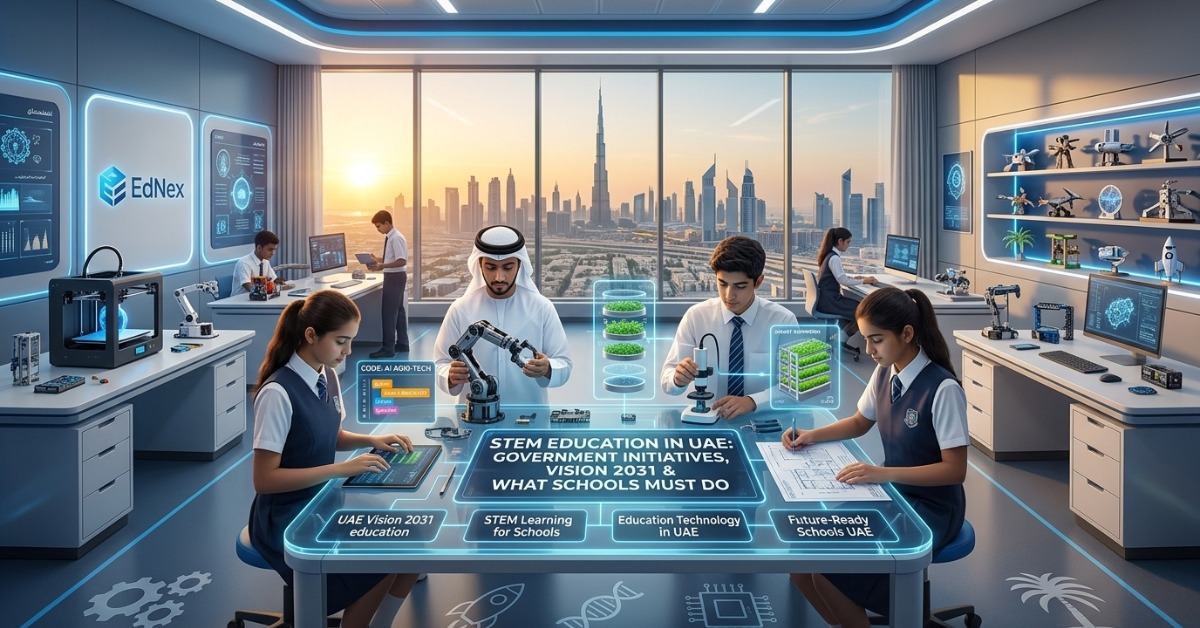
STEM Education in UAE: Government Initiatives, Vision 2031 & What Schools Must Do
The UAE has made education a central part of its national growth strategy. Across the country, schools are being asked to do more than deliver strong academic results. They are expected to prepare students for a fast-changing world shaped by science, technology, engineering, artificial intelligence, sustainability, and innovation. That is why STEM education in UAE has become such an important topic for school leaders, curriculum planners, and educators.
STEM is no longer just a subject area. It is a framework for how students learn to solve problems, think critically, work in teams, and apply knowledge to real situations. In the UAE, this shift is linked closely to national development goals, economic diversification, and the country’s long-term ambition to lead in advanced industries.
For schools, this creates both an opportunity and a responsibility. The opportunity is to create richer learning environments that engage students and build future skills. The responsibility is to ensure that teaching, infrastructure, training, and school strategy align with national direction. As the country advances its innovation agenda, school leaders need a clear understanding of UAE Vision 2031 education, the most important STEM initiatives in UAE, and the practical actions needed to build future-ready schools UAE can be proud of.
This article explains the policy direction, why it matters, and what schools should do now.
Why STEM Education Matters in the UAE
The UAE is building an economy that relies less on traditional sectors and more on knowledge, technology, research, entrepreneurship, and innovation. That shift changes what students need from school.
Strong STEM learning for schools helps students develop the abilities that modern economies need most:
- Critical thinking
- Data literacy
- Problem-solving
- Design thinking
- Collaboration
- Digital confidence
- Curiosity and innovation
- Real-world application of learning
In practical terms, STEM prepares students for careers and industries that are expanding across the UAE, including:
- Artificial intelligence
- Robotics and automation
- Renewable energy
- Aviation and aerospace
- Advanced manufacturing
- Health technology
- Smart cities
- Environmental science
- Coding and software development
This is why STEM education in UAE is not a short-term trend. It is part of a wider national strategy to prepare young people for future jobs, global competition, and a technology-driven society.
The National Context: UAE Vision 2031 Education Priorities
To understand the push for STEM, schools need to look at the broader direction of UAE Vision 2031 education goals. While national strategies evolve over time and connect with multiple federal and emirate-level frameworks, the direction is clear: education must produce capable, adaptable, innovative learners who can support national progress.
At the heart of this vision are several priorities that directly influence school planning.
1. Building a Knowledge-Based Economy
The UAE wants education to feed sectors that depend on innovation, technical skill, and research capacity. Schools are expected to create strong academic foundations while also helping students build applied skills.
For STEM, this means:
- Moving beyond memorization
- Encouraging inquiry and experimentation
- Linking classroom content to future careers
- Giving students hands-on exposure to science and technology
2. Preparing Students for the Future Workforce
The labor market is changing quickly. Many future roles will blend technical knowledge with creativity, communication, and digital fluency. Schools need to prepare students not just for exams, but for long-term relevance.
This affects curriculum in key ways:
- More integrated science and technology learning
- Greater focus on coding and computational thinking
- Increased use of project-based learning
- Exposure to engineering challenges and innovation tasks
3. Encouraging Innovation and Entrepreneurship
The UAE has positioned itself as a hub for innovation. Education plays a direct role in building that culture from an early age.
Schools that align with this part of the vision often:
- Support maker spaces and innovation labs
- Run student competitions and problem-solving programs
- Encourage design, prototyping, and experimentation
- Connect learning with real community or industry challenges
4. Advancing Digital Transformation in Education
A major part of education technology in UAE is the idea that digital tools should improve both teaching quality and student readiness. This is not only about devices in classrooms. It is about using technology in meaningful, measurable ways.
That includes:
- Smart classroom tools
- Digital assessment systems
- Simulation platforms
- Coding platforms
- Robotics kits
- Data-informed teaching practices
- Hybrid and personalized learning models
5. Strengthening Global Competitiveness
The UAE wants students to perform well not only within local systems, but also against international benchmarks. STEM learning supports this by improving analytical ability, scientific understanding, and applied reasoning.
For school leaders, this means STEM is both an educational priority and a strategic one.
Key STEM Initiatives in UAE Shaping Schools
A wide range of national and local efforts have helped move STEM from policy language into actual school practice. These STEM initiatives in UAE may vary by emirate, authority, and school type, but together they show a clear direction.
Major patterns in STEM development include:
- Expansion of coding and robotics programs
- Greater use of AI and digital learning tools
- Support for innovation competitions and student challenges
- Increased focus on sustainability and environmental learning
- Partnerships between schools, universities, and industry
- New emphasis on teacher upskilling in digital and applied learning
Common areas where schools are seeing change:
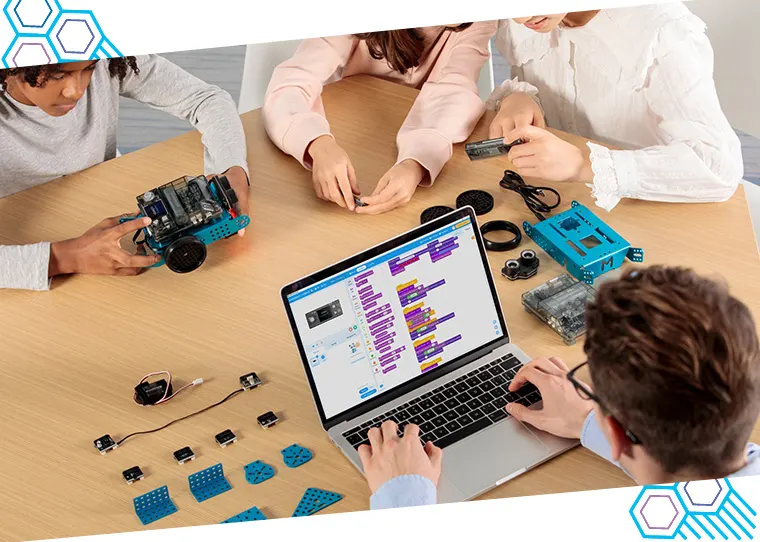
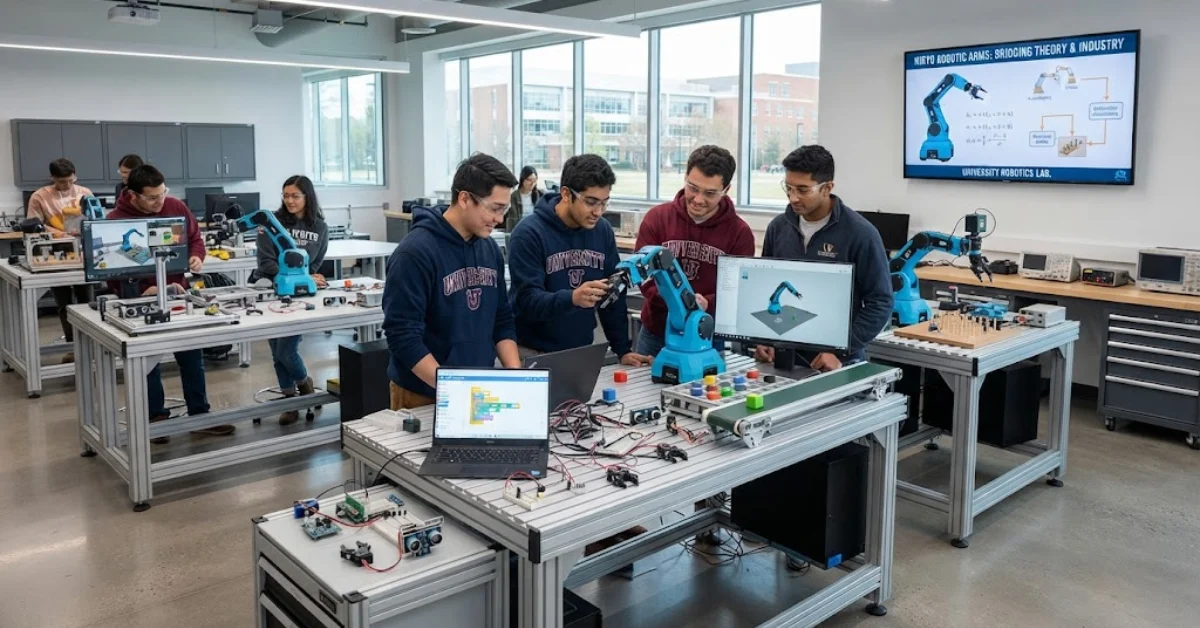
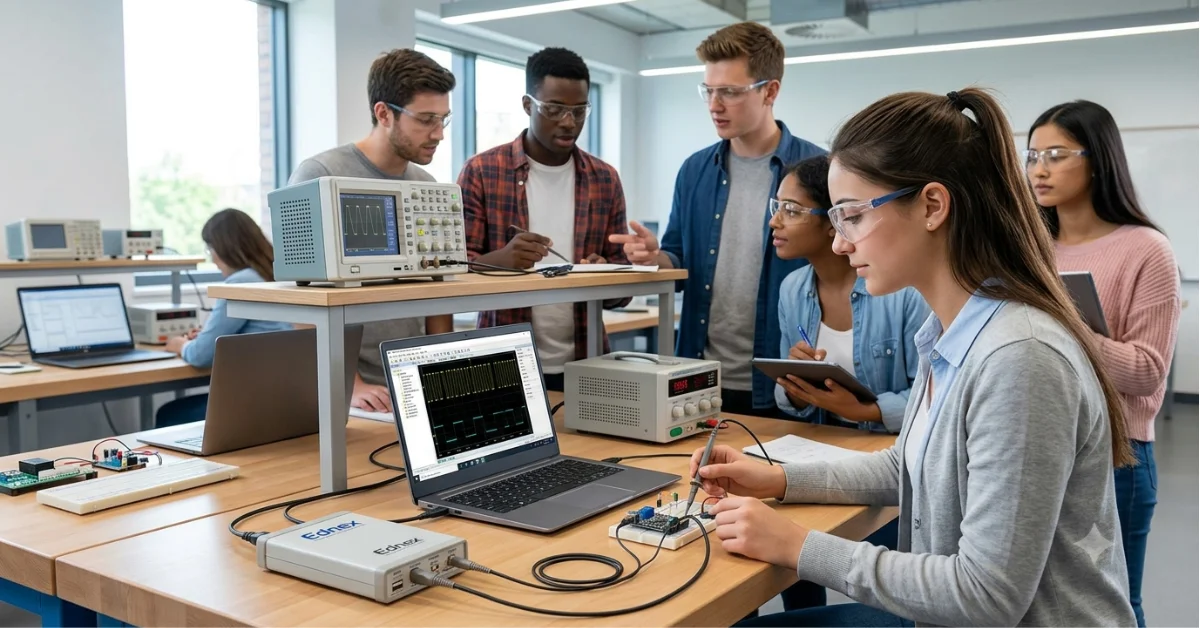
- Science labs are becoming more interactive and application-based
- Technology is being embedded earlier in the student journey
- Engineering concepts are being introduced through projects
- Mathematics is being linked more closely to real-world problem-solving
- Innovation events are becoming part of school culture
These STEM initiatives in UAE matter because they push schools to rethink not just what students learn, but how they learn.
What Future-Ready Schools in UAE Look Like
The phrase future-ready schools UAE is often used, but it should mean more than having devices or a modern building. A future-ready school is one that connects vision, teaching practice, infrastructure, and student outcomes.
Such schools often share the following features:
They have a clear STEM strategy
Rather than treating STEM as a side activity, they define it as part of the school improvement plan.
This includes:
- STEM goals across grade levels
- Measurable learning outcomes
- Cross-subject planning
- Investment in teacher development
- Ongoing review of student engagement and results
They use hands-on learning
Students learn STEM best when they build, test, explore, and solve. Future-ready schools make practical learning part of daily teaching.
Examples include:
- Lab-based experiments
- Coding projects
- Robotics challenges
- Design tasks
- Engineering builds
- Real-life math applications
They integrate technology with purpose
Strong education technology in UAE is not about using more tools for the sake of it. It is about choosing the right tools to improve learning.
Purposeful use of technology may include:
- Digital simulations in science
- Coding and app development platforms
- Collaborative online project tools
- Assessment dashboards
- STEM kits and sensors
- Interactive displays linked to inquiry-based lessons
They invest in teachers
No STEM strategy works without teacher confidence. Future-ready schools support staff with practical training, not just one-time workshops.
That support should include:
- Curriculum-linked training
- Model lesson planning
- Classroom coaching
- Access to STEM resources
- Time for collaboration
- Exposure to new teaching technologies
They connect learning to the real world
Students become more engaged when they see why STEM matters. Schools should show the link between classroom learning and real UAE challenges such as sustainability, water, energy, transport, health, and smart infrastructure.
Practical Steps Schools Must Take Now
If school leaders want to strengthen STEM education in UAE, they need an action plan. The good news is that progress does not always require a complete redesign in one year. Schools can move in stages.
Here are practical steps that matter most.
1. Review Your Current STEM Position
Start with an honest audit of where the school stands today.
Look at:
- Curriculum coverage
- Lab and classroom facilities
- Teacher readiness
- Technology use
- Student project opportunities
- Assessment methods
- External partnerships
This helps leaders identify gaps between current practice and UAE Vision 2031 education goals.
2. Build a Whole-School STEM Roadmap
A strong roadmap should define:
- What STEM means in your school
- Which year groups will be prioritized
- What skills students should gain
- What resources are needed
- How success will be measured
Without a roadmap, STEM efforts often stay scattered and short-term.
3. Upgrade Learning Spaces
Schools do not all need advanced innovation centers immediately, but they do need spaces that support active learning.
Useful upgrades may include:
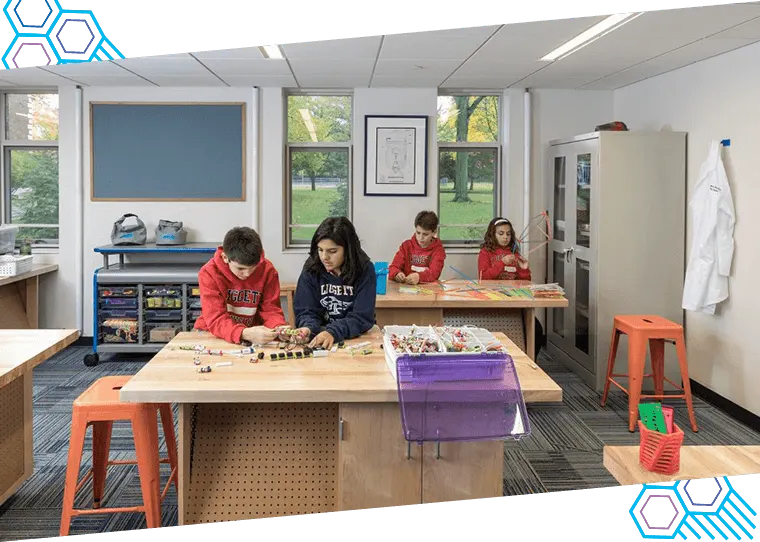
- Flexible science labs
- Robotics and coding kits
- Maker tools
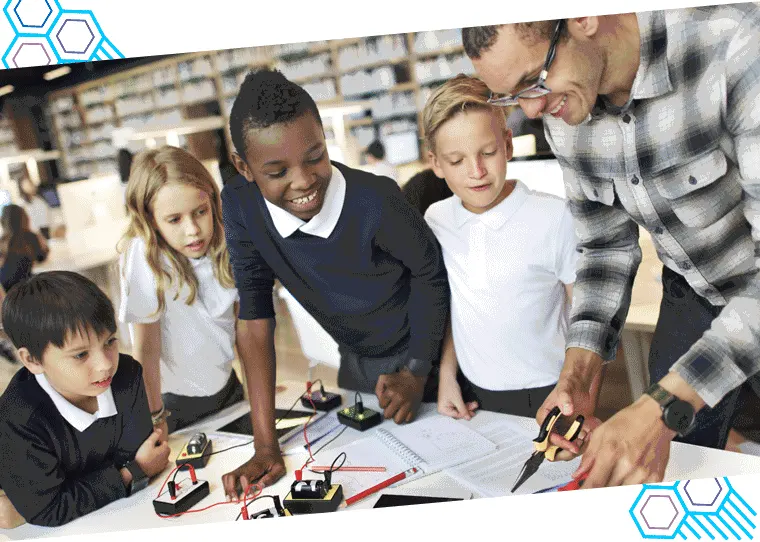
- Electronics and engineering project materials
- Digital display systems
- Secure device charging and storage
- Collaboration areas for team projects
Good learning spaces make STEM learning for schools more practical and visible.
4. Train Teachers for Applied STEM Delivery
Teacher development should focus on classroom use, not theory alone.
Priorities include:
- Inquiry-based instruction
- Project-based learning
- Coding basics
- Robotics integration
- Assessment of practical work
- Safe and effective lab use
- Cross-curricular planning
When teachers feel supported, STEM becomes part of regular learning instead of a special event.
5. Use Project-Based Learning Across Subjects
STEM grows strongest when students solve problems that combine subjects.
Examples include:
- Designing water-saving systems
- Building simple smart farming models
- Creating energy-monitoring projects
- Developing coding-based community solutions
- Linking math to engineering design tasks
This approach reflects how real-world innovation works.
6. Align STEM with National Priorities
Schools should connect projects and curriculum themes with UAE priorities such as:
- Sustainability
- Innovation
- Artificial intelligence
- Entrepreneurship
- Space science
- Smart cities
- Climate awareness
This strengthens relevance and helps students see their place in the country’s future.
7. Measure Outcomes That Matter
To improve STEM, schools must track more than attendance at events.
Useful indicators include:
- Student participation in STEM projects
- Confidence in problem-solving
- Teacher adoption of practical methods
- Quality of student prototypes and presentations
- Competition participation
- Progress in science, math, and digital skills
- Student interest in STEM pathways
Common Challenges Schools May Face
Even committed schools may face barriers. These often include:
- Limited teacher confidence in STEM delivery
- Gaps in infrastructure
- Budget pressure
- Overloaded curriculum
- Lack of time for planning
- Uneven technology use across departments
These challenges are real, but manageable. Schools that make steady, structured progress often see better long-term outcomes than those that try to change everything at once.
Why the Right STEM Partner Matters
Many schools need support to move from vision to implementation. The right partner can help by providing:
- STEM lab planning
- Curriculum-aligned solutions
- Teacher training
- Education technology integration
- Hands-on learning tools
- Long-term support and scalability
This is especially important for schools that want to become truly future-ready schools UAE can look to as examples of innovation in action.
Conclusion
The national direction is clear. STEM education in UAE is central to the country’s educational and economic future. Through policy reform, digital transformation, innovation programs, and long-term planning, the UAE is creating an environment where schools are expected to prepare students for a world shaped by science, technology, and change.
For school leaders, the message is simple: STEM can no longer sit at the edge of the curriculum. It must be built into strategy, teaching, infrastructure, and school culture. The schools that act now will be better placed to align with UAE Vision 2031 education priorities, respond to evolving STEM initiatives in UAE, and create meaningful STEM learning for schools that leads to stronger outcomes.
Becoming one of the leading future-ready schools UAE needs is not about chasing trends. It is about building the kind of learning environment that helps students think better, create more, and contribute to the future of the nation.
FAQ
1. What does STEM education in UAE include?
STEM education in UAE includes the integrated teaching of science, technology, engineering, and mathematics through both theory and hands-on learning. It often includes coding, robotics, lab work, design thinking, and project-based problem-solving.
2. Why is STEM important for UAE schools?
STEM is important because it helps students build the skills needed for future careers, innovation, and national development. It also supports the UAE’s goals around technology, sustainability, entrepreneurship, and global competitiveness.
3. How does UAE Vision 2031 education connect with STEM?
UAE Vision 2031 education supports learner readiness, innovation, digital transformation, and economic diversification. STEM helps schools meet these goals by building technical knowledge, critical thinking, and applied learning skills.
4. What are the main STEM initiatives in UAE?
The main STEM initiatives in UAE include coding programs, robotics learning, AI-focused education, innovation competitions, digital learning tools, sustainability projects, and stronger links between education and future industries.
5. What makes a school future-ready in the UAE?
A future-ready school has a clear STEM strategy, modern learning spaces, trained teachers, meaningful use of technology, and strong links between classroom learning and real-world challenges.
6. How can schools improve STEM learning for schools in a practical way?
Schools can improve STEM by reviewing current gaps, upgrading labs and tools, training teachers, using project-based learning, and aligning student work with national priorities such as sustainability and innovation.
7. What role does education technology in UAE play in STEM?
Education technology in UAE supports STEM by making learning more interactive, data-driven, and practical. It helps students use digital tools, simulations, coding platforms, sensors, and smart systems as part of their learning.
8. Do schools need a large budget to start improving STEM?
No. Schools can begin with phased improvements such as teacher training, small STEM kits, simple project-based activities, and better integration of existing technology. Progress can start small and scale over time.
Author Bio: Ednex
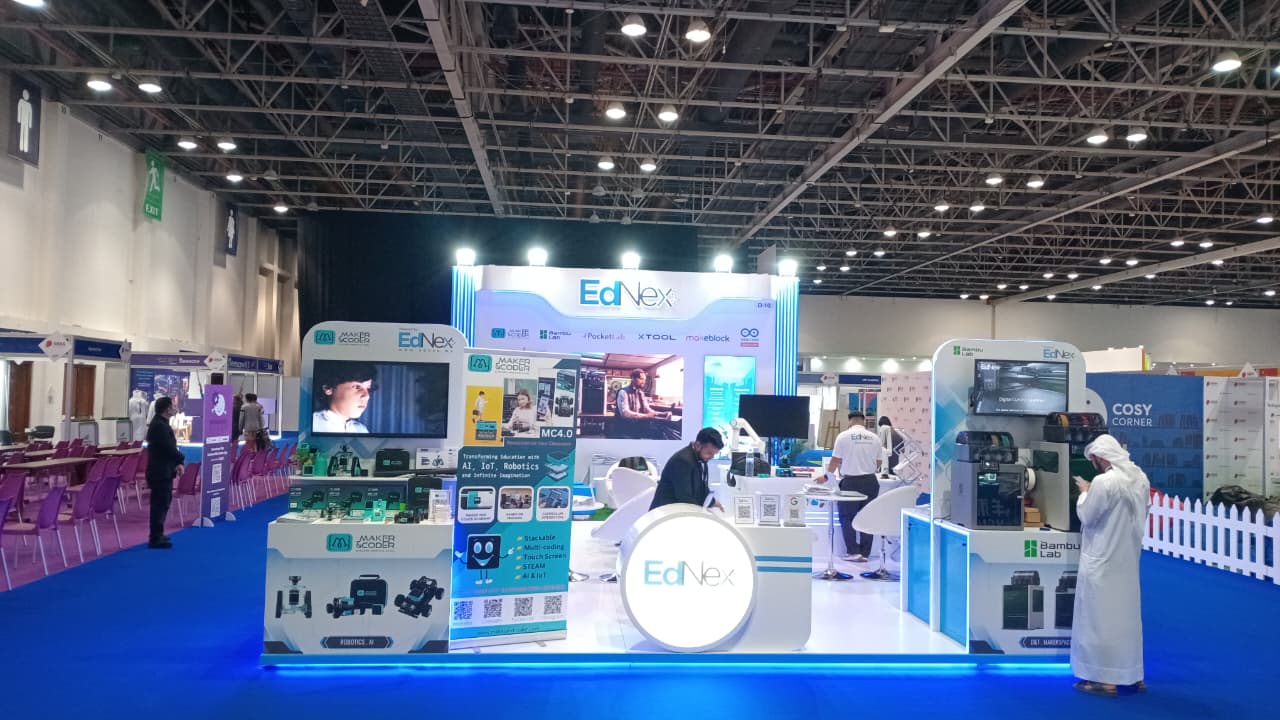
Ednex helps schools build modern, practical learning environments that prepare students for the future. With a focus on STEM, innovation, lab solutions, and education technology, Ednex supports educators and institutions in creating engaging spaces where students can explore, build, test, and grow with confidence.
Related Posts ...
Comments are disabled