Introduction: Building Thinkers, Not Just Learners
In today’s fast-changing world, children need more than textbook knowledge they need the ability to think critically, solve problems, and adapt to new challenges. This is where STEM kits play a transformative role.
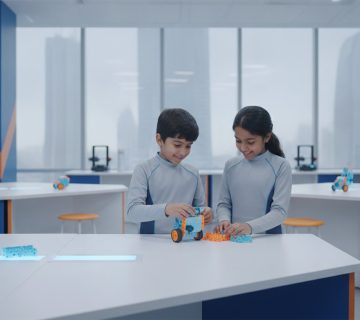
By combining science, technology, engineering, and mathematics into hands-on activities, STEM kits turn learning into an engaging, interactive experience that builds essential life skills from an early age.
What Are STEM Kits?
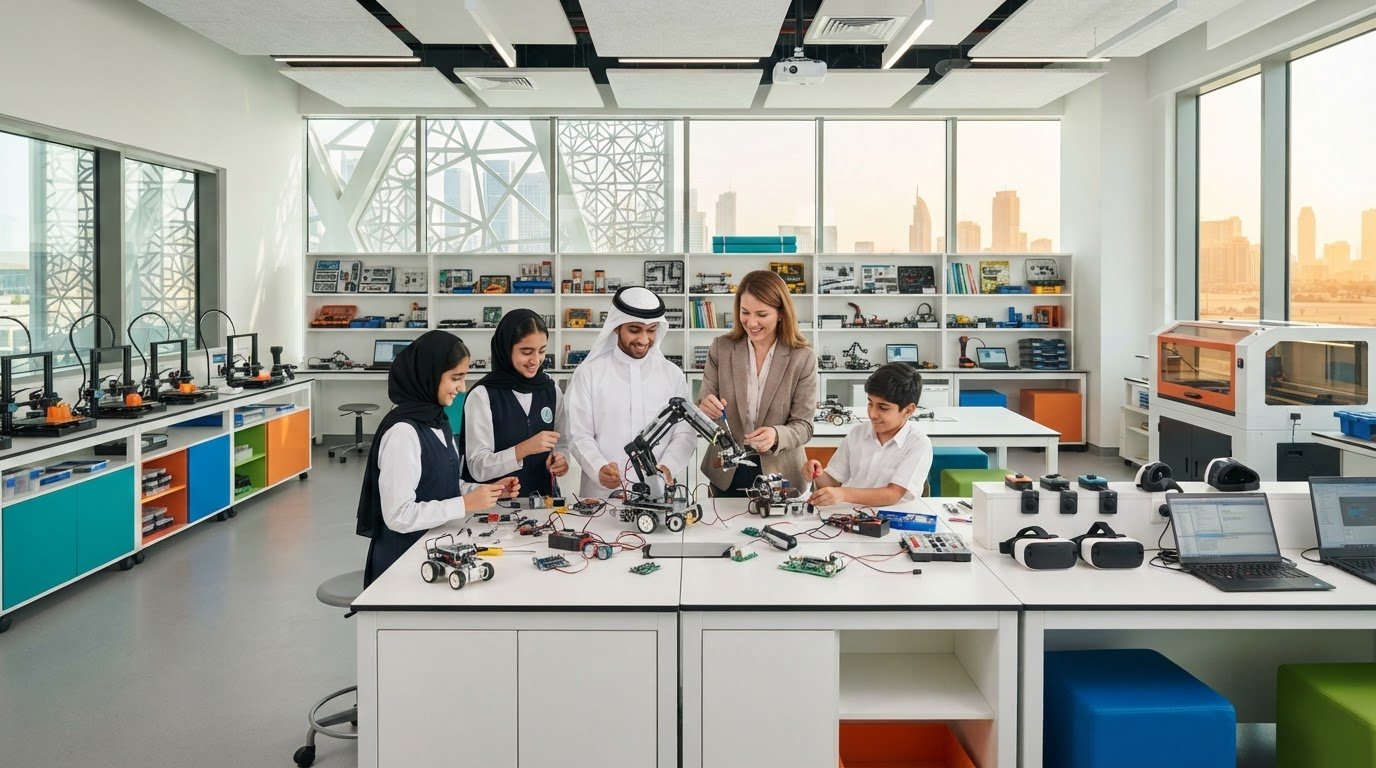
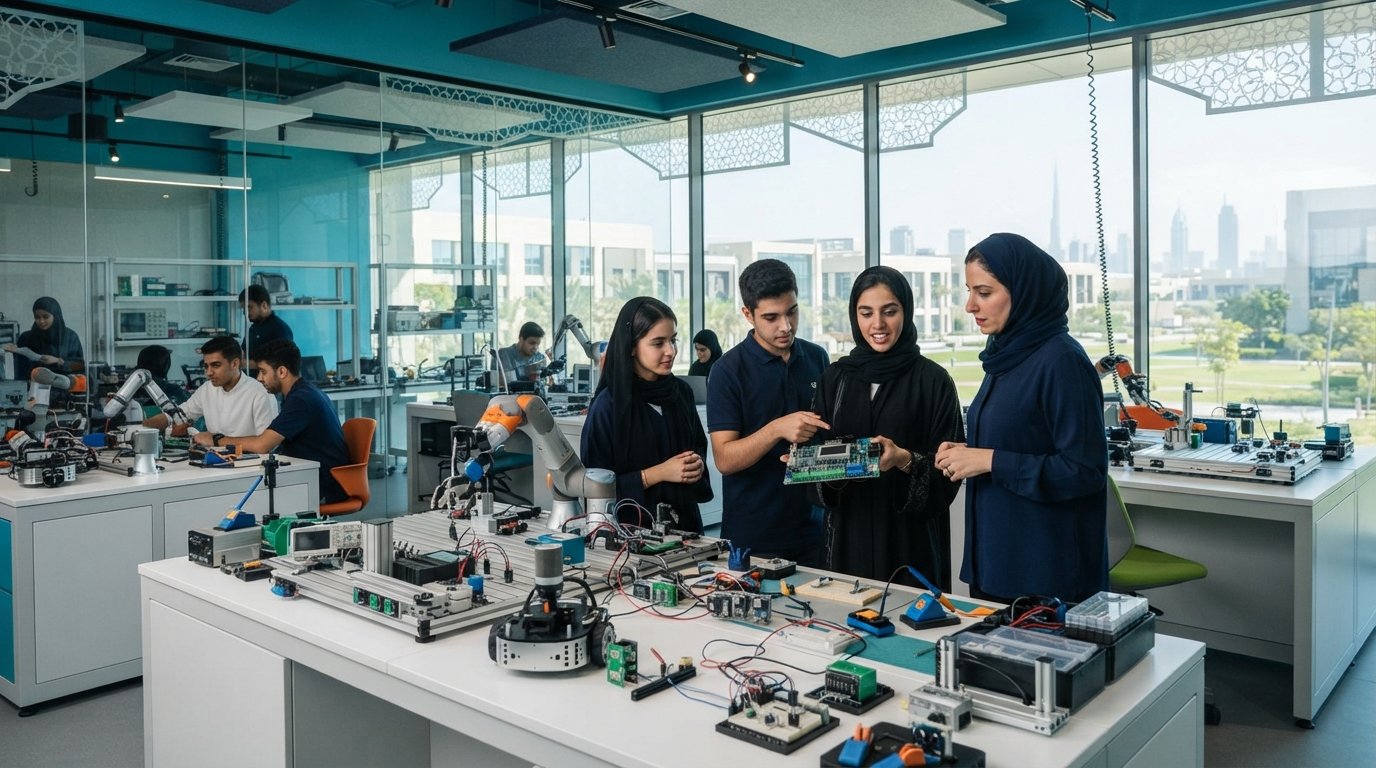
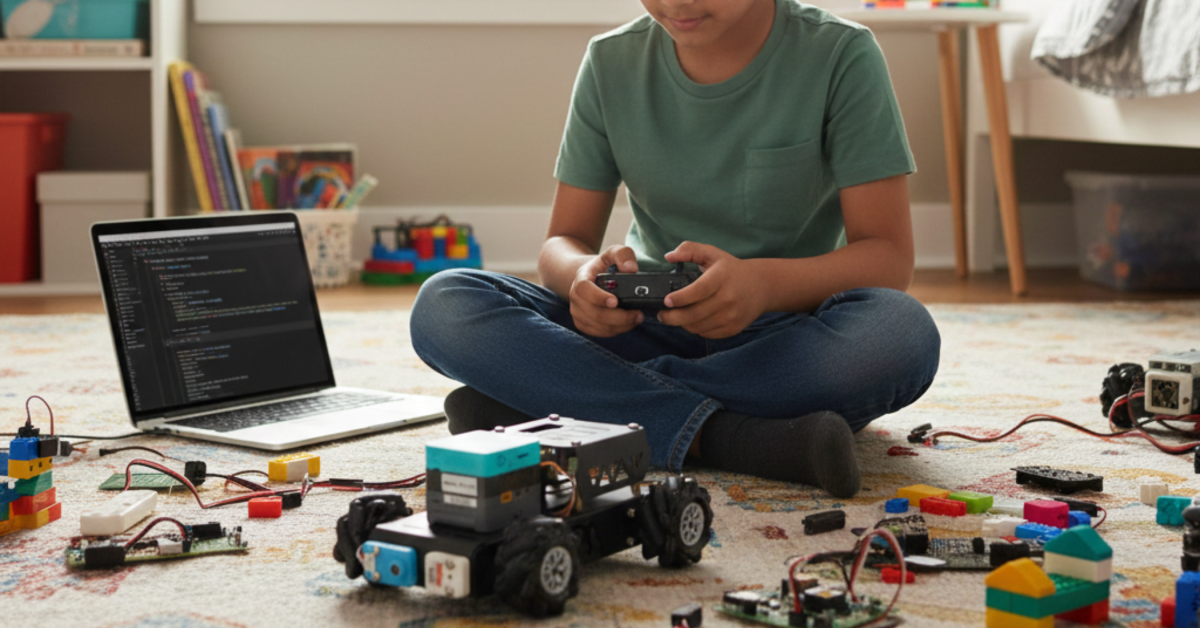
STEM kits are educational tools designed to help children learn through building, experimenting, and exploring. These kits typically include:
- Components for hands-on projects
- Step-by-step instructions
- Real-world problem-solving challenges
From simple circuits to robotics models, STEM kits offer a wide range of learning opportunities.
Why Problem-Solving Skills Matter for Kids
Problem-solving is a foundational skill that helps children:
- Think logically and analytically
- Make informed decisions
- Overcome challenges independently
- Build confidence and resilience
Developing these skills early prepares children for both academic success and real-world situations.
How STEM Kits Develop Problem-Solving Skills
1. Encouraging Trial and Error Learning
STEM kits allow children to:
- Experiment freely
- Make mistakes and learn from them
- Improve their solutions through iteration
This process teaches resilience and persistence.
2. Promoting Logical and Analytical Thinking
While working on STEM projects, kids:
- Follow step-by-step processes
- Understand cause-and-effect relationships
- Develop structured thinking
3. Enhancing Creativity and Innovation
STEM kits often include open-ended challenges that encourage children to:
- Think beyond instructions
- Design their own solutions
- Explore multiple approaches
4. Building Real-World Problem-Solving Skills
Children apply concepts to practical scenarios such as:
- Building working models
- Solving engineering challenges
- Creating functional solutions
5. Improving Focus and Patience
Completing STEM projects requires:
- Attention to detail
- Step-by-step execution
- Persistence
These qualities are essential for problem-solving.
Benefits of STEM Kits for Kids
- Boosts confidence and independence
- Enhances critical thinking skills
- Improves academic performance
- Encourages curiosity and exploration
- Makes learning fun and engaging
Types of STEM Kits That Build Problem-Solving Skills
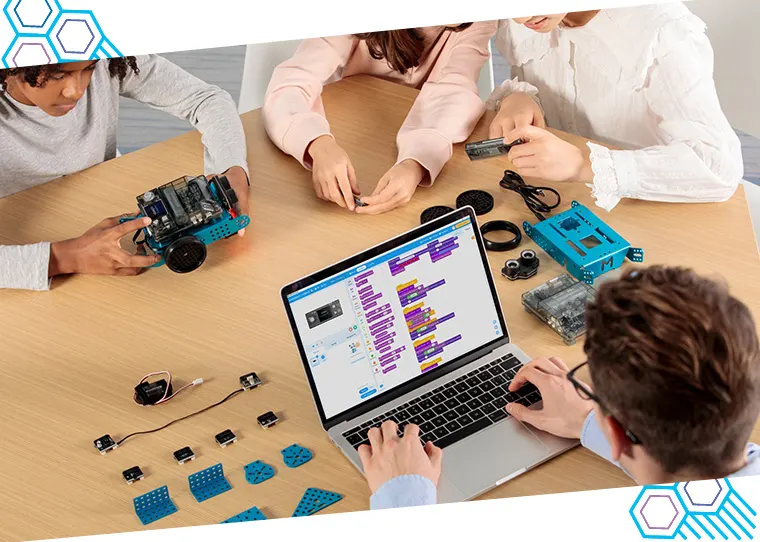
1. Robotics Kits
- Build and program robots
- Understand automation and logic
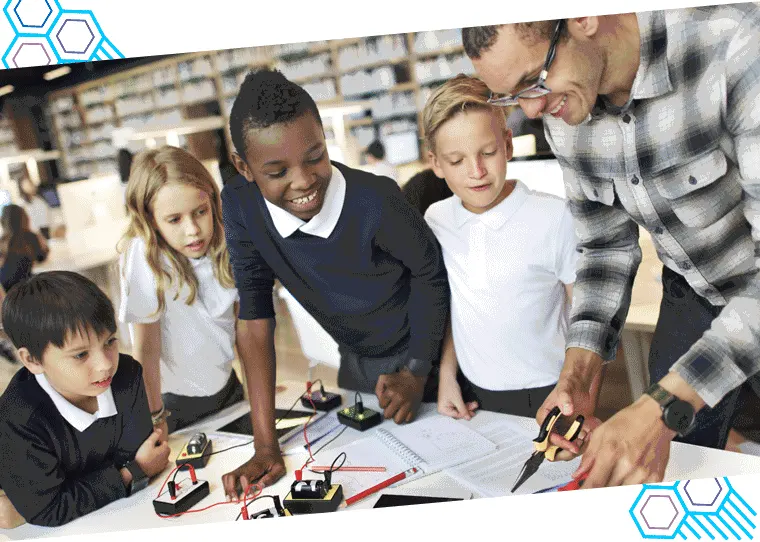
2. Electronics Kits
- Learn circuits and components
- Develop technical understanding
3. Coding Kits
- Practice programming concepts
- Build logical thinking
4. Engineering Kits
- Design and construct models
- Solve structural challenges
Best Practices for Parents and Educators
- Encourage children to explore independently
- Avoid giving immediate solutions let them think
- Start with age-appropriate kits
- Celebrate effort, not just results
- Create a supportive learning environment
Challenges and How to Overcome Them
Challenge | Solution |
Lack of interest | Choose engaging, fun kits |
Difficulty level mismatch | Select age-appropriate kits |
Limited guidance | Provide basic support without over-helping |
Cost concerns | Start with affordable starter kits |
Future of STEM Learning for Kids
STEM education will continue to evolve with:
- AI-powered learning kits
- Interactive and gamified experiences
- Personalized learning paths
STEM kits will remain a key tool in nurturing future innovators.
Conclusion: Empowering the Next Generation of Problem Solvers
STEM kits are more than just educational tools they are platforms for discovery, creativity, and growth. By engaging children in hands-on learning, these kits help develop strong problem-solving skills that will benefit them throughout their lives.