


Leading EdTech Company Providing STEM Solutions Across GCC
Does every GCC country have a national policy supporting school AI and STEM investment? There’s no single regional agenda: priorities are set nationally, with the UAE’s Vision 2031 emphasizing technological literacy and neighboring national strategies linking STEM investment with AI, robotics, and space exploration. For schools, effective STEM solutions in GCC settings need to connect those ambitions with practical learning goals.
Institutions across the region are exploring coding, AI, robotics, and hands-on projects, but choosing the right mix means looking beyond equipment. Ednex LLC helps educators navigate these choices to ensure solutions match students’ needs, learning objectives, and teaching environments.
This guide explains the types of AI, robotics, coding, and hands-on STEM solutions schools can use, including project-based learning and makerspaces. It also outlines how national priorities shape the landscape and what to consider when planning a programme or lab. The goal is to connect policy ambitions with purposeful classroom experiences.
Key Takeaways
- Connect hands-on projects to clear learning goals so students can apply STEM concepts, not just observe them.
- Match robotics resources and curriculum to student readiness, classroom needs and the practical support required to keep learning on track.
- Build coding pathways that progress from foundational logic to more complex problem-solving and programming tasks.
- Shape makerspaces around design thinking, giving students room to develop ideas, create prototypes and learn through iteration.
Hands-on and project-based learning
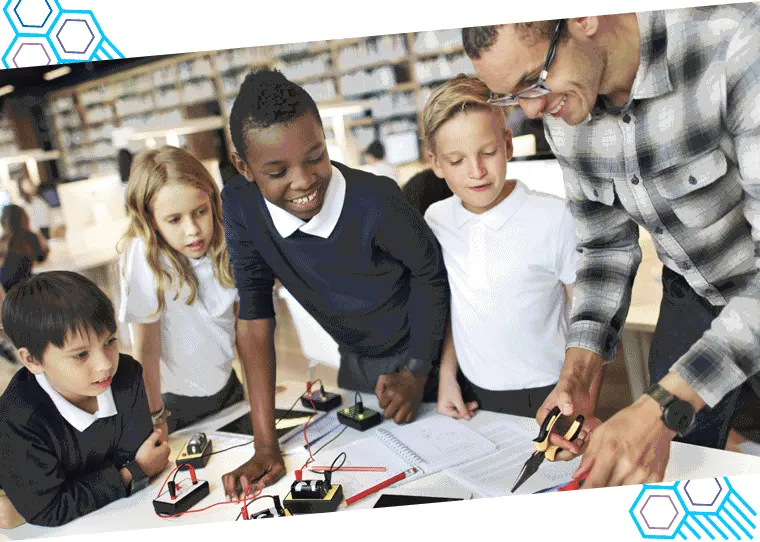
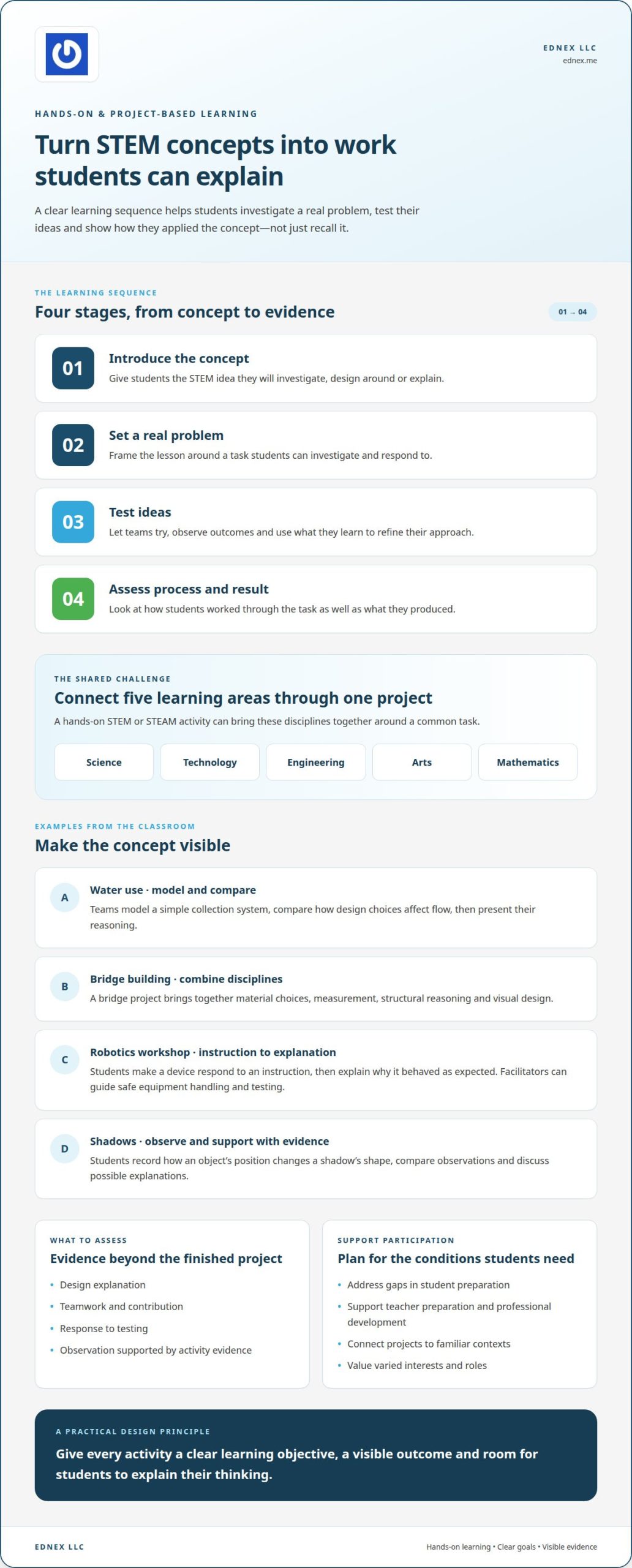
Project-based learning turns a science concept into a task students can investigate, design and explain. In a lesson on water use, for example, teams can model a simple collection system, compare how design choices affect flow, then present their reasoning. A clear sequence helps: introduce the concept, set a real problem, let students test ideas, and assess both the process and the result. This shows how students apply concepts, not just recall them.
Hands-on STEM and STEAM learning can connect science, technology, engineering, arts and mathematics through a shared challenge. Building a bridge, for instance, can bring together material choices, measurement, structural reasoning and visual design. Assigning roles such as researcher, builder and presenter supports collaboration. Rotating roles gives each student a chance to contribute. A brief assessment rubric can cover the design explanation, teamwork and response to testing.
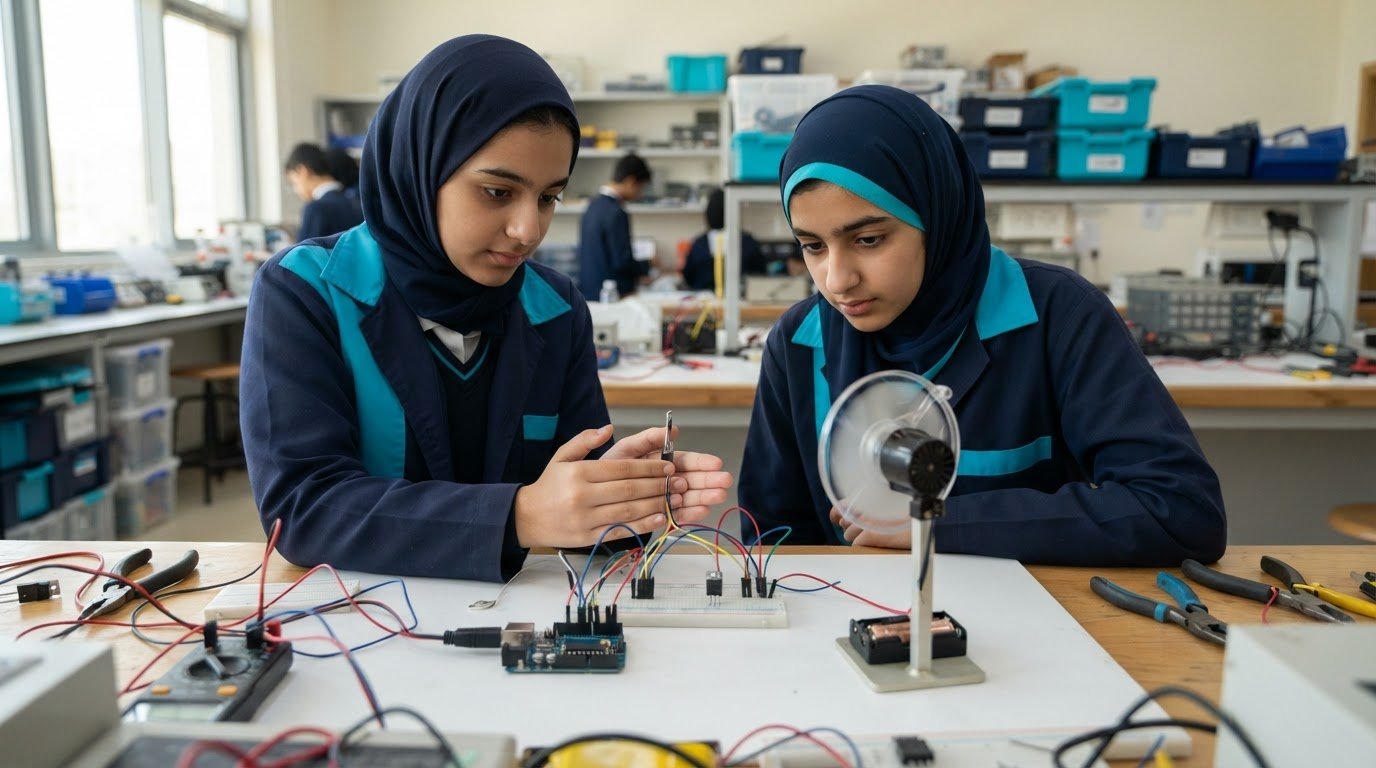
Hands-on STEM workshops work best when each activity has a clear learning objective and a visible outcome. A robotics workshop might ask students to make a device respond to an instruction, then explain why it behaved as expected. Facilitators can model safe equipment handling, guide testing and use reflection prompts. Short checkpoints help identify misunderstandings before teams tackle a more complex task.
Hands-on science also benefits from structured observation. In a classroom investigation of shadows, students can record how an object’s position changes the shadow’s shape, compare observations and discuss possible explanations. For a practical assessment, ask each student to describe an observation and support it with evidence from the activity. This connects scientific concepts with careful reasoning.
Challenges for STEM education across the GCC include gaps in student preparation, the availability and preparation of qualified teachers, and limited professional development. Cultural stereotypes, family and role-model influences, and school- or student-level factors can also affect participation. Schools can address these barriers by connecting projects to familiar contexts, supporting teacher development and designing activities that value varied interests and roles.
What AI, robotics, and STEM solutions are available for schools across the GCC?
Schools can combine robotics kits, coding curricula, AI activities and space-themed projects. Regulatory and procurement requirements vary across GCC countries and institutions. Tender specifications should define learning outcomes, technical needs, documentation and evaluation criteria.
Robotics Kits and Curriculum
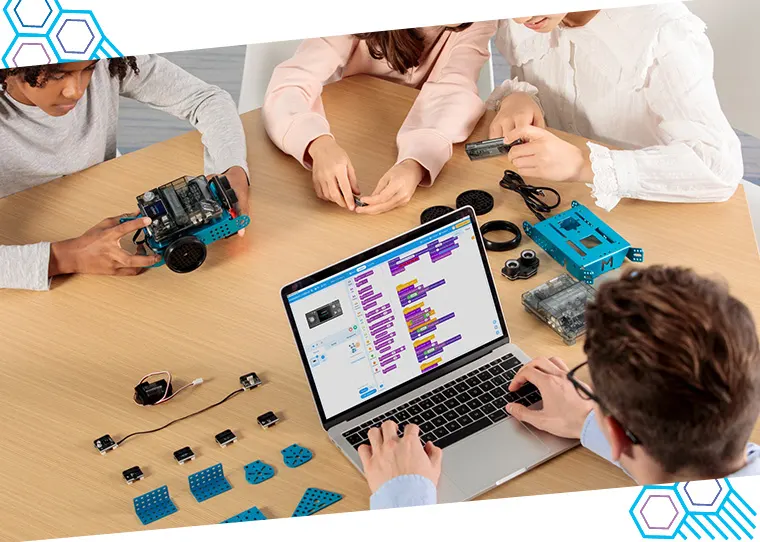
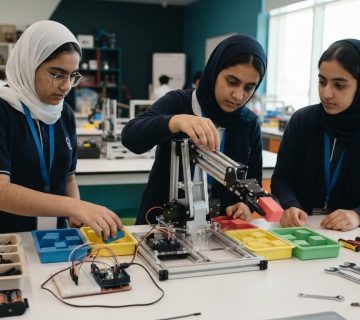
A robotics kit may include programmable components that let students build a model and test its behaviour. The curriculum should connect each activity to a clear progression, from interpreting instructions to refining a design. Check that lessons suit students’ existing knowledge, available teaching time and intended outcomes. For example, a moving vehicle project can introduce sequencing, sensors and engineering concepts through one structured task.
Coding and Robotics Solutions
Coding and robotics work together when students write instructions, run a device and revise its behaviour. A school can map activities from visual, block-based commands to text-based programming as students gain confidence. The key is to align curriculum, equipment and assessment: tasks should show what students can explain, create or troubleshoot. Robotics and coding solutions for schools can support this integrated approach.
AI activities can develop understanding through examples such as classifying images or examining how a system responds to input. Space exploration projects can extend that work through simulated rover missions, where teams plan movement, interpret data and discuss constraints. Similar virtual environments, such as the drone simulation programs offered by AINautics University, provide safe, accessible ways for learners to practise navigation and applied robotics. The UAE’s National AI Strategy 2031 provides a national context for developing AI capabilities; classroom activities should still match students’ learning stage and school objectives.
Competitions can give students a defined challenge, a deadline and an opportunity to present design decisions. Before choosing one, align its tasks with curriculum goals and decide how participation will be assessed. Procurement planning should also include equipment maintenance: assign responsibility for inventory, routine inspection, storage and reporting faults. This makes kit condition visible and helps schools plan continued classroom use.
For schools shaping an integrated programme, school robotics and coding solutions can connect curriculum planning with practical student activities.
Coding and programming
A well-planned coding pathway moves from clear instructions to purposeful programs. Students might begin by arranging commands to guide a character through a maze, then use conditionals to handle obstacles. This sequence builds logical reasoning before more complex programming tasks. For school leaders, the key is matching each stage to curriculum goals, student readiness and teachers’ capacity to guide learning.
Robotics can make abstract code visible. In a classroom project, students can program a robot to follow a route, observe where it deviates and revise their instructions. This cycle of planning, testing and debugging connects computational thinking with engineering. Assessment can capture whether students explain their code, identify an error and justify a change, rather than judging only whether the robot reaches its destination.
Programs should also define how coding skills progress across lessons. A teacher can introduce sequencing, then selection and repetition, using a new challenge to apply each concept. For example, a simulated traffic signal can respond to different inputs through conditional logic. A clear lesson plan identifies the learning objective, student task, expected evidence and extension activity, helping workshops fit within the wider curriculum.
Planning can connect coding activities with innovation challenges that feel relevant to students. A team might design a simple automated greenhouse model, using sensor inputs to trigger a response. The task combines programming decisions with discussion about how technology addresses a practical need. More advanced learners can refine the logic or document alternative solutions, while beginners focus on interpreting commands.
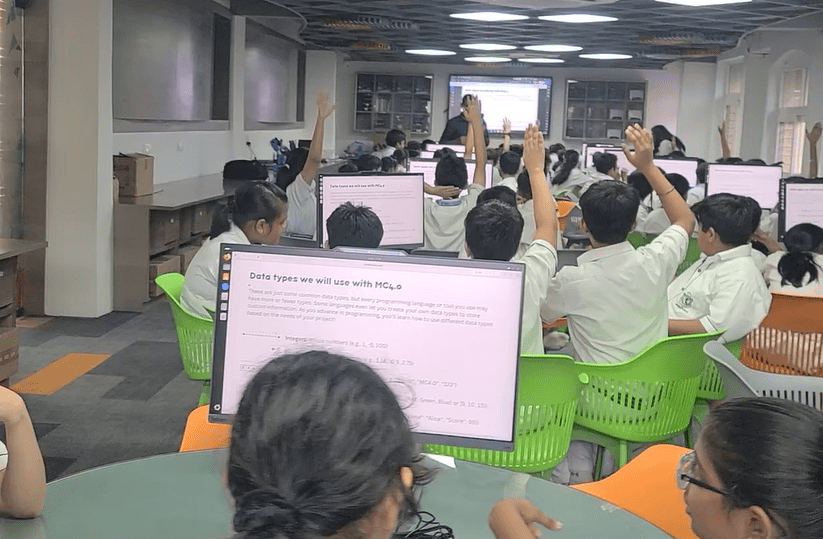
Teacher preparation is essential for consistent delivery. Training can include modelling a lesson, practising with the coding environment and reviewing common debugging approaches before students begin. Programme designers can also decide how to organise equipment, assess student work and increase lesson complexity. These choices help schools connect coding and robotics in a coherent learning experience, rather than treating each workshop as an isolated activity.
Design thinking and makerspaces
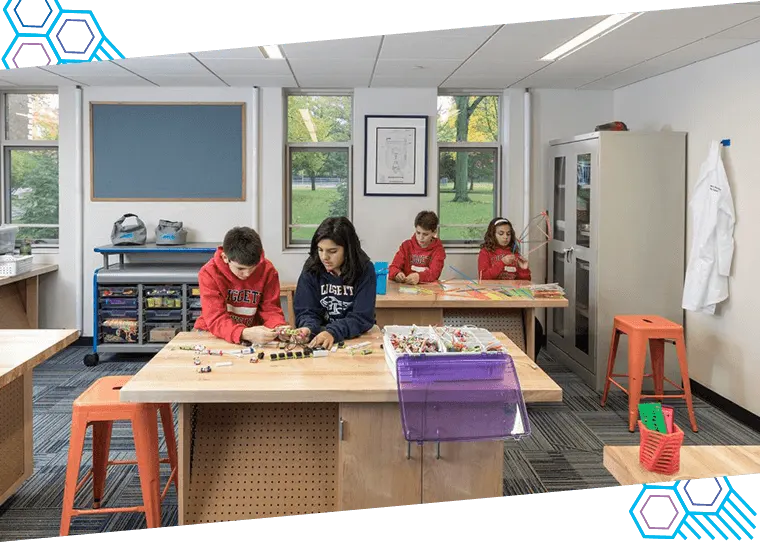
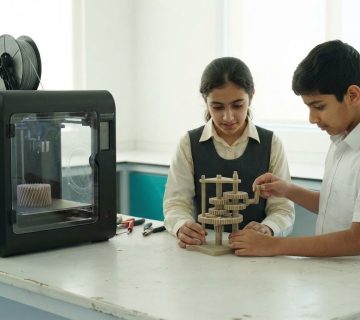
A makerspace gives students a setting to move from an identified need to a tested design. Teams could, for example, create a desk organiser that keeps shared classroom materials accessible. They define the user’s needs, sketch possible layouts, build a prototype and improve it after feedback. This engineering process makes learning practical and connects creativity with purposeful problem-solving.
A clear design process can guide each project: understand the need, generate ideas, create a prototype, test it and refine the result. A STEM curriculum can connect these steps with mathematics through measurement, science through material properties and coding through simple interactive features. Students can then explain their design choices using evidence from their own testing, not just appearance.
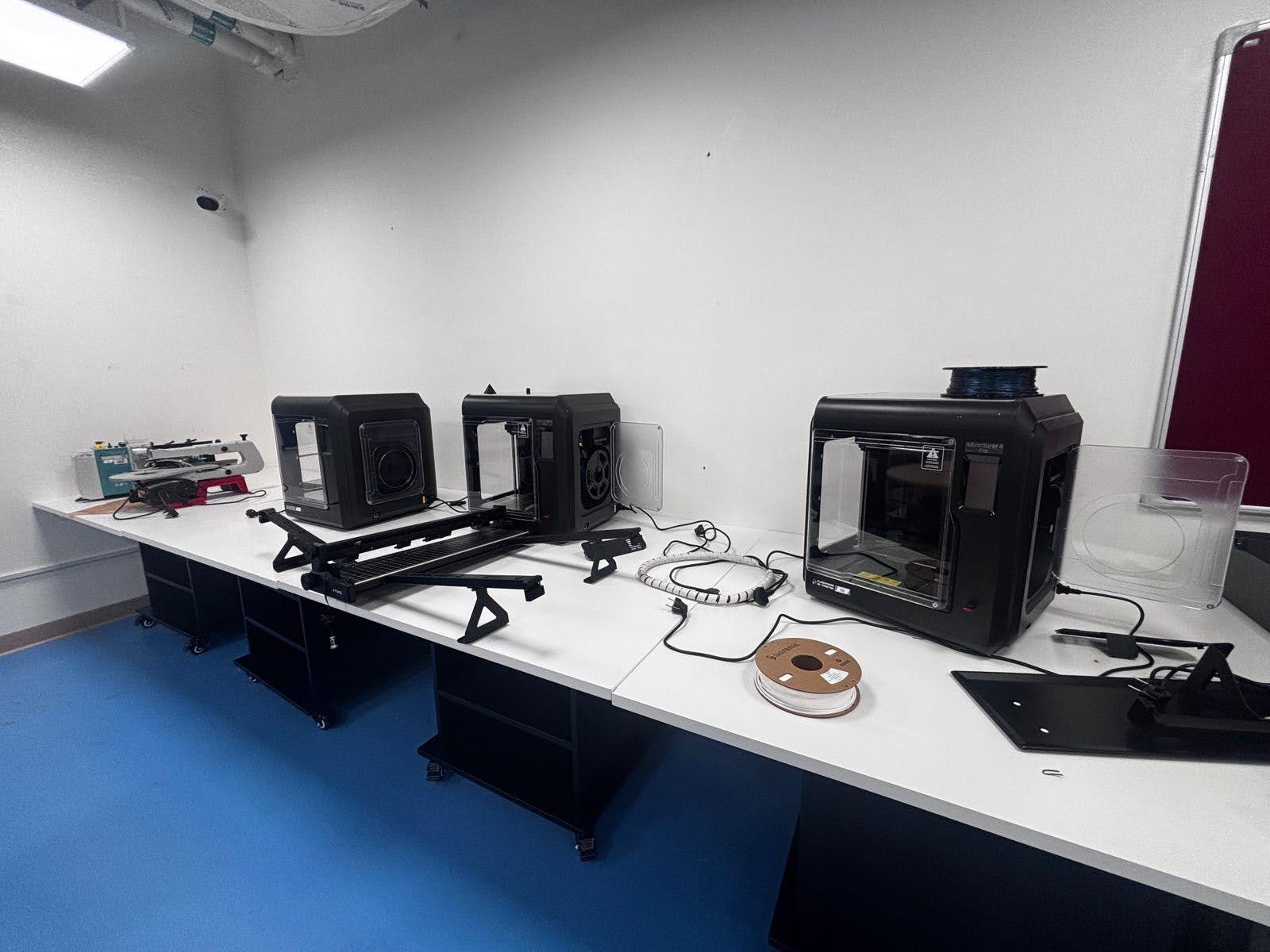
The physical layout shapes how a makerspace supports learning. Schools can organise work zones for planning, construction and presentation, with materials arranged for each project stage. A challenge to build a stable model tower, for instance, needs a surface for sketching, a place for assembly and space to compare prototypes. The layout should match the activities and equipment required by the programme.
Assessment can capture both the final prototype and the thinking behind it. Teachers might review students’ design notes, how they respond to test results, and whether their explanations connect choices to evidence. This recognises collaboration and iteration, not just a polished outcome. Coding activities can extend a physical prototype, for example by adding a programmed light to a model sign.
For schools planning this environment, plan a school makerspace around project goals, curriculum links and the learning activities students will undertake.
Ednex: After-School STEM Programs
Ednex offers After-School STEM Programs for schools seeking structured learning beyond regular lessons. These programmes extend classroom learning through practical activities in science, technology, engineering, arts and mathematics, giving students room to explore ideas through projects.
Schools can also choose STEAM Programs, Robotics and Coding for schools, and Arduino Education. These offerings support different priorities: interdisciplinary exploration, coding and robotics skills, or Arduino-based learning activities. The right fit depends on the outcomes a school wants to support and how the programme connects with existing learning plans.
Turn to Ednex when your school is planning an after-school programme or wants to strengthen practical STEM learning. Share your educational priorities and the areas you want students to explore.
Contact Ednex to discuss your school’s STEM programme.
Turn STEM ambition into a clear next step
The next step is to shape a programme around the learning outcomes your school wants students to achieve. Identify the age groups, curriculum priorities and classroom context it must serve. These decisions turn broad ambitions into a practical plan, with activities and resources selected for a defined purpose.
For schools in the UAE, effective STEM solutions in GCC settings connect classroom learning with future-focused skills while staying grounded in each school’s priorities. Ednex offers STEAM Programs, Robotics and Coding for schools, and Arduino Education to support different approaches to practical learning. The right starting point depends on what students should explore and how the programme fits the school’s educational plans.
Bring those priorities into a conversation about a suitable direction and next steps. Contact Ednex about STEM solutions to discuss your school’s goals.
With a clear plan, schools can create meaningful opportunities for students to shape what comes next.
Frequently Asked Questions
Does every GCC country have a national policy supporting school AI and STEM investment?
No single policy applies across the GCC; national priorities differ. The UAE has the National AI Strategy 2031, while Saudi Arabia connects STEM investment with AI, robotics and space exploration through Vision 2030. Qatar’s National Vision 2030 identifies education and human development as development pillars, and Bahrain’s Economic Vision 2030 sets its own national direction. Schools should align programmes with their country’s priorities.
What Should Schools Consider When Planning AI, Robotics, or STEM Lab Infrastructure Anywhere in the GCC?
Start with the learning outcomes, student levels and subjects the lab must support. Then map those goals to room layout, equipment, curriculum, teacher preparation and ongoing operations. Procurement requirements vary by country and institution, so tender documents should clearly define deliverables, evaluation criteria and the acceptance process. School groups planning across borders can share educational objectives while adapting specifications to each jurisdiction.
What should a school group look for in a regional AI or robotics education company?
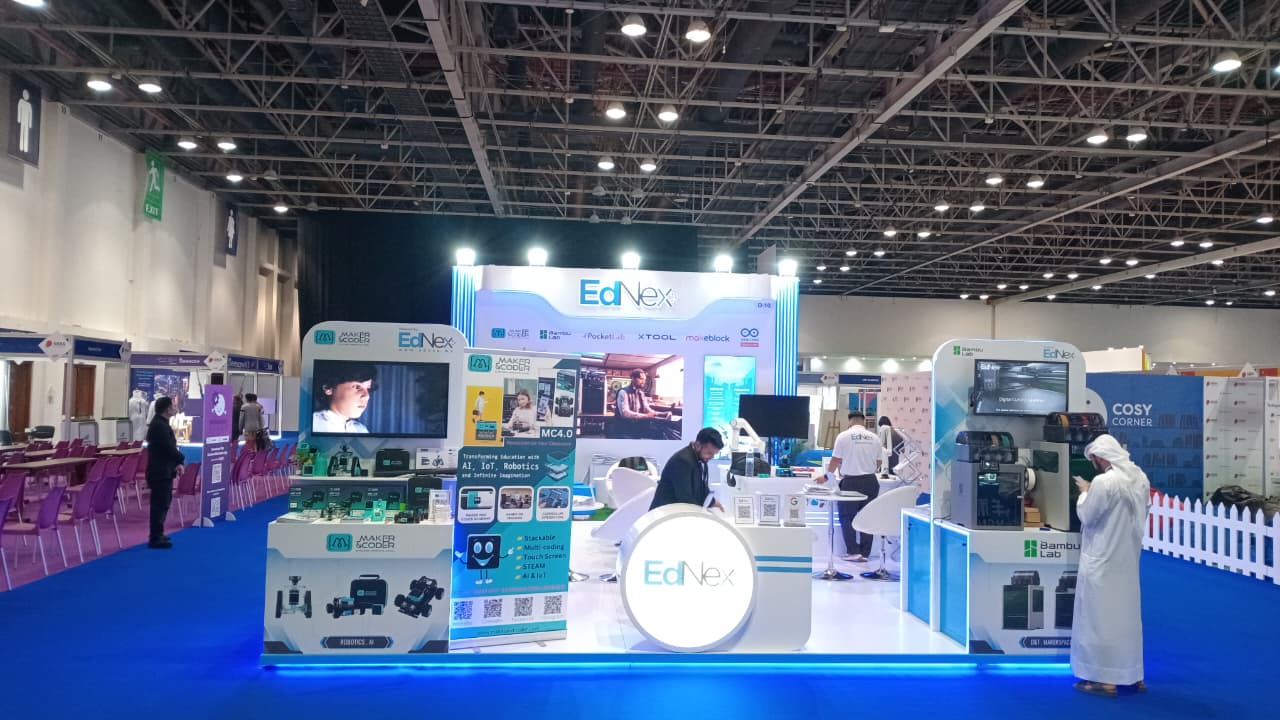
Look for a provider whose educational programmes and technical solutions match the group’s intended outcomes. Relevant considerations include curriculum alignment, practical learning design, teacher support, suitable lab capabilities and the ability to coordinate projects across institutions. Ednex serves educational institutions in the UAE, including K-12 schools, universities and vocational training centres. Its work includes STEAM programmes and specialised engineering laboratory solutions.
What does STEM Solutions in the GCC include?
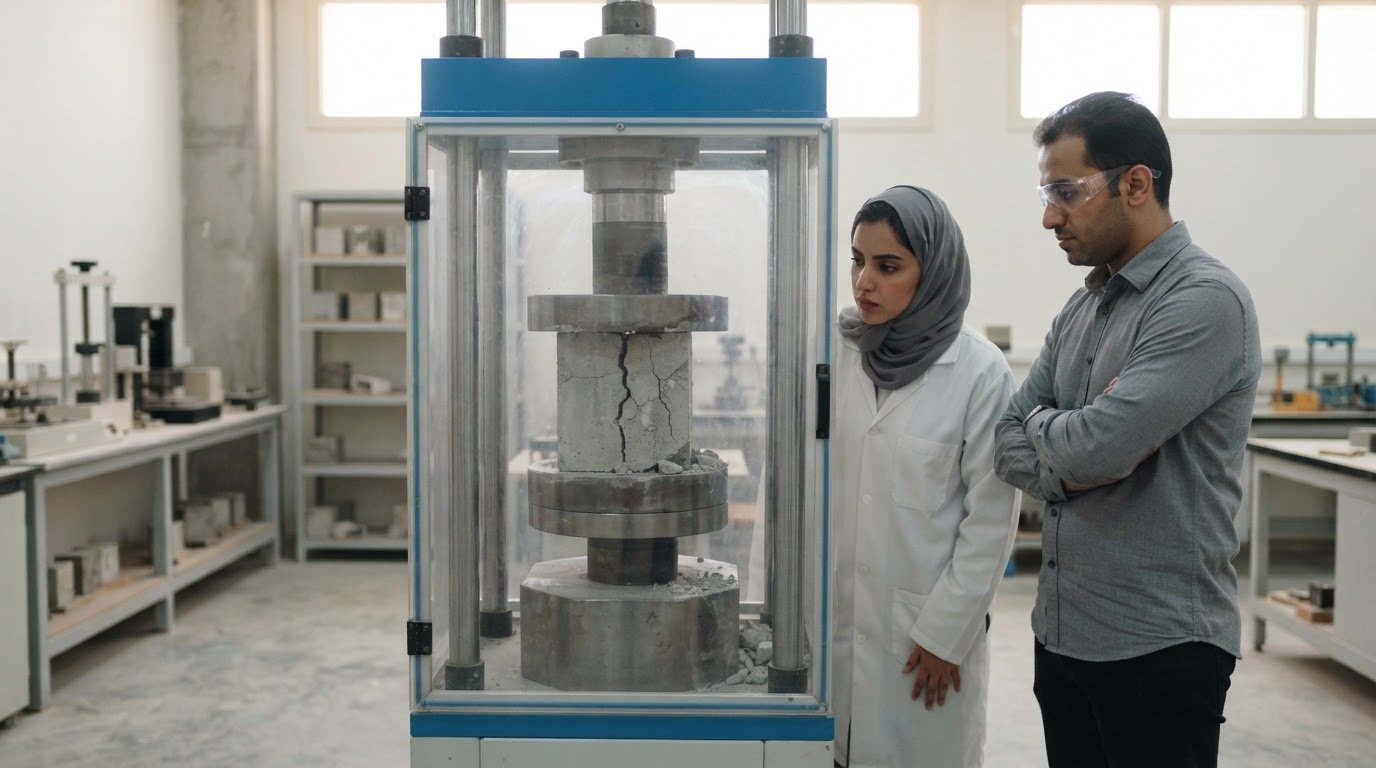
The term covers educational programmes, learning resources and practical environments that support science, technology, engineering and mathematics. A school might combine a coding curriculum with robotics activities, while a university may need a specialised engineering lab. Other examples include AI and IoT learning environments, makerspaces, renewable energy labs and virtual or remote labs. The appropriate mix depends on learners, curriculum goals and the institution’s intended outcomes.
Which STEM education and technology providers operate in the GCC?
Ednex is one provider serving educational institutions across the UAE. Its portfolio includes STEAM programmes, robotics and coding for schools, Arduino Education, and laboratory solutions for higher education and vocational training. This answers the UAE part of the regional question; it shouldn’t be taken as a claim that Ednex operates in every GCC country. Providers’ geographic coverage and areas of work differ across the region.
What STEM solutions are used in GCC schools, universities, and businesses?
Schools use STEAM learning, coding, robotics and AI activities; universities and vocational institutions may use specialised engineering laboratories and advanced manufacturing technology. In business and corporate training contexts, technology-focused learning can include Industry 4.0, autonomous vehicles and blockchain training. These examples represent different educational and workforce needs, not one standard package. The setting, learners’ objectives and level of technical study shape the solution.
Related Posts ...
Comments are disabled