



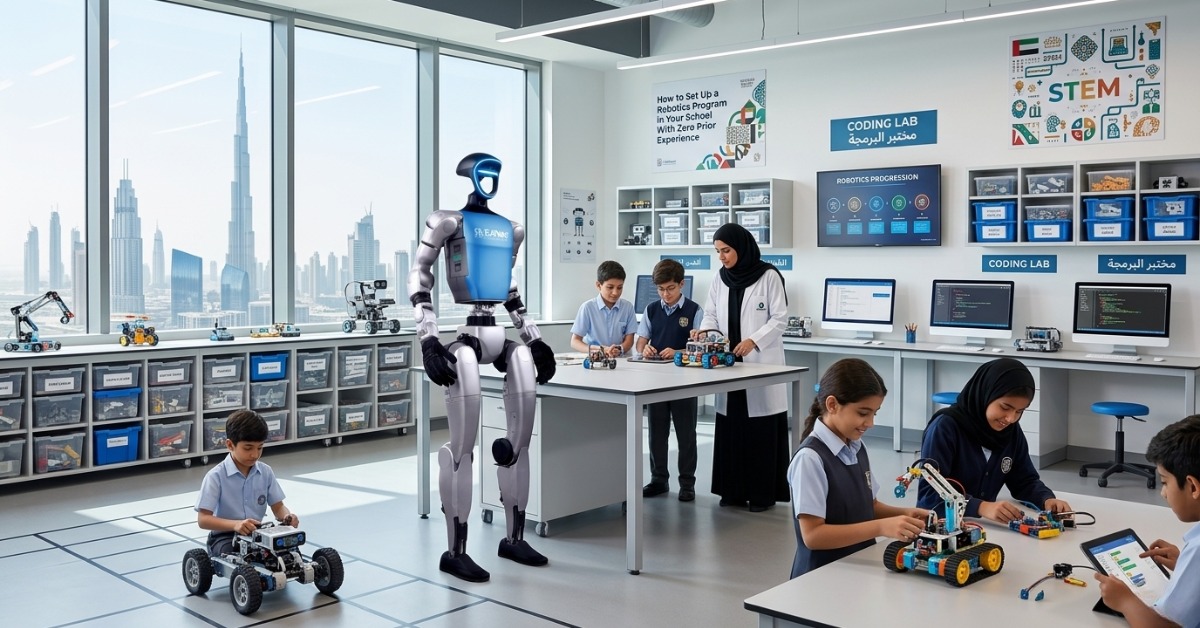
How to Set Up a Robotics Program in Your School With Zero Prior Experience
Starting a robotics initiative can feel like a huge leap, especially if your school has never run one before. The good news is this: you do not need a team of engineers or a fully equipped innovation center to begin. You need a clear plan, the right tools, and a practical understanding of what works in real schools.
For many educators across the UAE and GCC, robotics is no longer a “nice to have.” It is becoming a key part of future-ready learning. Schools want students to build problem-solving skills, coding confidence, teamwork, and hands-on STEM understanding. That is exactly where a strong school robotics program can make a real difference.
In this guide, you will learn how to set up a robotics program in school step by step, even if you are starting from zero. We will cover planning, staff readiness, curriculum choices, budgeting, robotics lab setup for schools, and how to launch in a way that fits your school’s goals and local context.
Why robotics matters for schools in the UAE and GCC
Across the GCC, education systems are placing greater focus on innovation, digital skills, AI, coding, and applied STEM learning. Robotics fits naturally into this shift because it turns abstract ideas into something students can build, test, and improve with their own hands.
A well-designed robotics program helps schools:
- Support national priorities around STEM and innovation
- Build student confidence in coding and engineering concepts
- Improve teamwork, communication, and critical thinking
- Offer hands-on learning that boosts engagement
- Prepare students for future academic and career pathways
For school leaders, that means robotics is not simply an extracurricular activity. It can become a practical part of broader robotics education for schools and a visible sign that your institution is investing in future skills.
Step 1: Start with a clear goal
Here is the fastest way to avoid confusion: decide why your school wants robotics before you buy anything.
Some schools launch robotics to enrich their STEM offering. Others want to improve project-based learning, prepare for competitions, or create a stronger innovation profile. Your goal will shape every decision that follows.
Ask these questions early:
- Do you want robotics as a club, a curriculum program, or both?
- Which grade levels will participate first?
- Is the focus coding, engineering, design thinking, or competition?
- Do you want a pilot program or a school-wide rollout?
- What outcomes will you measure after the first term or year?
If you are unsure, start small. A pilot is often the smartest first step. It gives your team room to learn without creating pressure across the whole school.
Step 2: Choose your program model
Before diving into equipment, decide what kind of program fits your school best. This is where many schools make things harder than they need to be.
You typically have three options:
1. Robotics club
This is ideal if you are exploring how to start a robotics club without changing the formal timetable.
Best for:
- First-time schools
- Limited budgets
- After-school enrichment
- Small student groups
2. Curriculum integration
This model adds robotics into science, ICT, design, or STEM lessons.
Best for:
- Schools with a clear academic plan
- Cross-curricular teaching
- Long-term student exposure
3. Hybrid model
This combines classroom robotics with an extracurricular club or competition team.
Best for:
- Schools that want broad participation and deeper advanced pathways
- Schools building a long-term STEM robotics curriculum
For many UAE and GCC schools, the hybrid model works especially well. It gives all students access while allowing highly motivated learners to go further.
Step 3: Identify the right age groups and progression path
Not every robot kit fits every learner. A successful program matches tools and lesson difficulty to student age and ability.
A simple progression might look like this:
- Early years and primary: basic sequencing, simple mechanisms, guided building
- Upper primary: beginner coding, sensors, problem-solving challenges
- Middle school: engineering design, automation, structured coding tasks
- Secondary: advanced coding, AI basics, electronics, competition-level projects
This progression matters because schools often buy advanced equipment too early. That sounds exciting at first, but it can lead to frustration for both teachers and students.
Start with success. Build complexity over time.
Step 4: Select the right robotics platform
You do not need the most expensive system. You need a platform that is easy to use, reliable, age-appropriate, and supported with training resources.
When comparing robotics tools, look for:
- Easy setup and classroom management
- Strong lesson resources
- Clear coding interface
- Durable components
- Alignment with your curriculum goals
- Teacher training and support availability
- Local or regional supply options in the UAE and GCC
A good rule is simple: choose a platform your teachers can confidently use within weeks, not one that takes months to understand.
Step 5: Build a practical STEM robotics curriculum
This is where your program becomes sustainable. A few robot kits alone do not create learning outcomes. A structured STEM robotics curriculum does.
Your curriculum should include:
- Learning objectives by grade level
- Lesson sequence from basic to advanced
- Links to science, math, computing, and design
- Project-based tasks
- Assessment methods
- Student reflection and presentation opportunities
A strong robotics curriculum often includes units such as:
- Introduction to robotics
- Simple machines and movement
- Coding logic and sequencing
- Sensors and automation
- Engineering design challenges
- Real-world problem solving
For schools in the GCC, it also helps to align robotics lessons with your school’s existing framework, whether that follows a national, British, American, IB, or other international model. The more naturally robotics fits into current teaching plans, the easier adoption becomes.
Step 6: Prepare your teachers with confidence
This is the step that worries schools most. “What if our staff have no robotics background?” That concern is very common, and thankfully, very manageable.
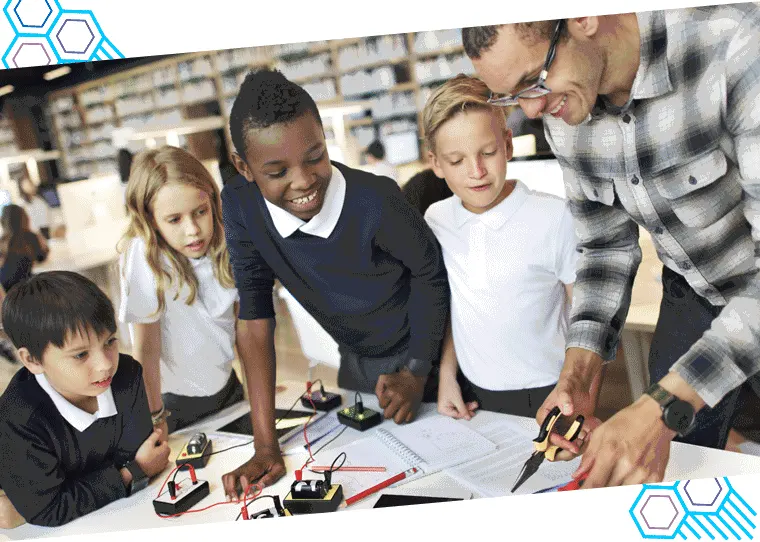
Your teachers do not need to be robotics experts on day one. They need:
- Introductory training
- Clear lesson plans
- Time to practice
- Ongoing technical and instructional support
The best implementation approach is:
- Train a small core group first
- Run a hands-on workshop before launch
- Start with guided lessons
- Provide classroom coaching during the first term
- Create a simple internal sharing system for tips and lesson feedback
A confident teacher is more important than an advanced robot kit. When teachers feel supported, students learn better. It is that simple.
Step 7: Plan your robotics lab setup for schools
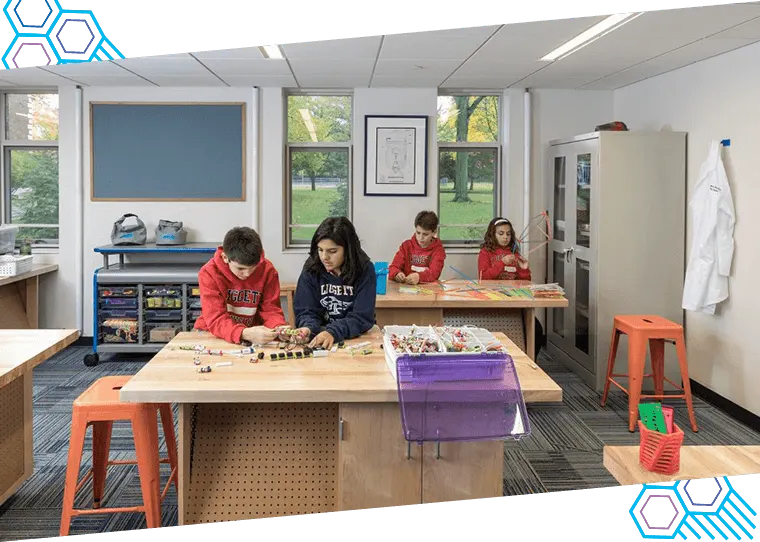
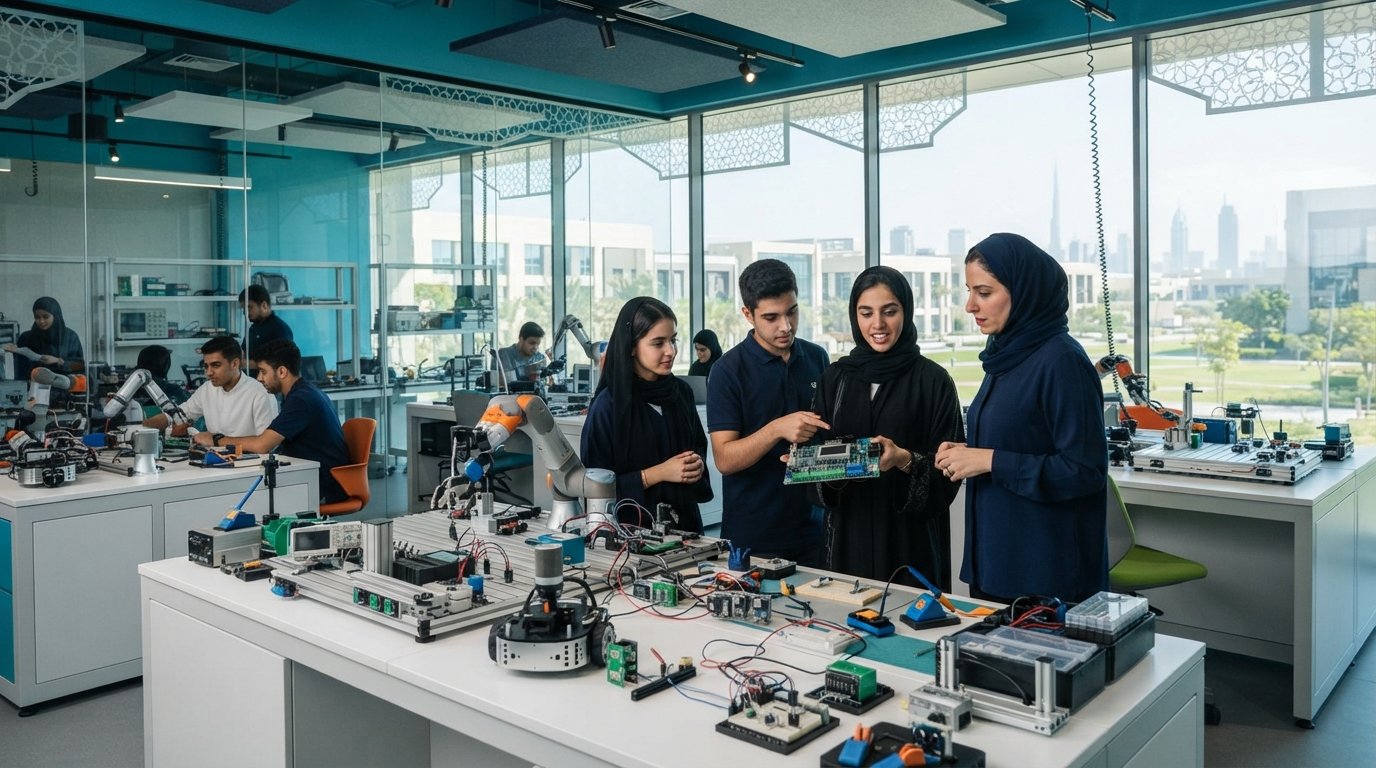
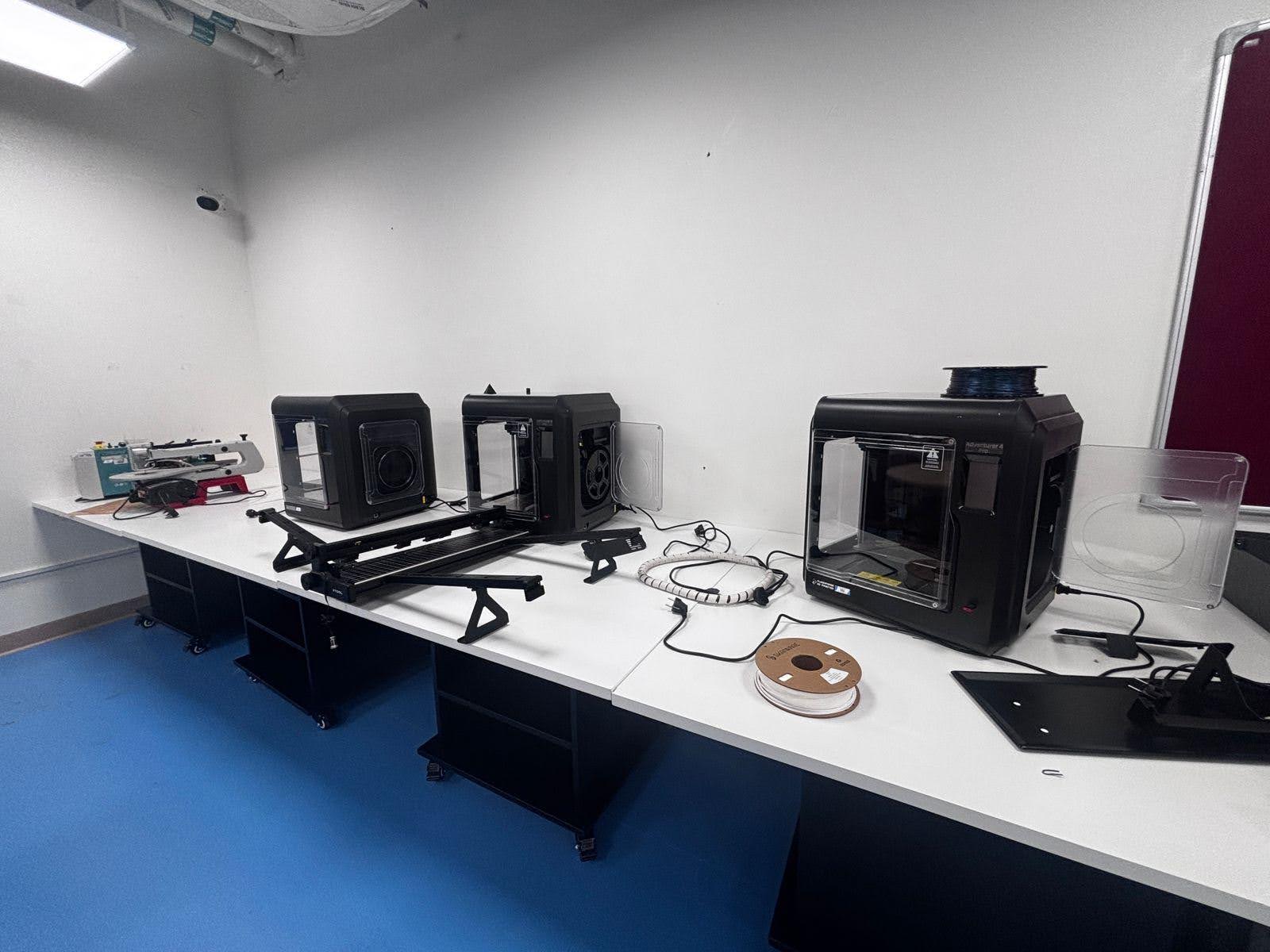
Now let’s talk about the physical space. This part sounds complicated, but it does not need to be. A smart robotics lab setup for schools can begin in a regular classroom and grow over time.
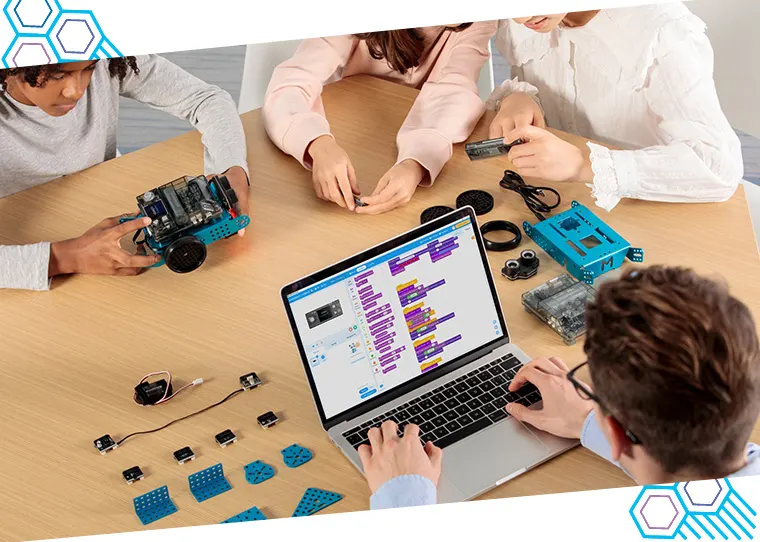
What you need for a basic robotics lab
- Sturdy tables for team-based work
- Storage units for kits, chargers, and spare parts
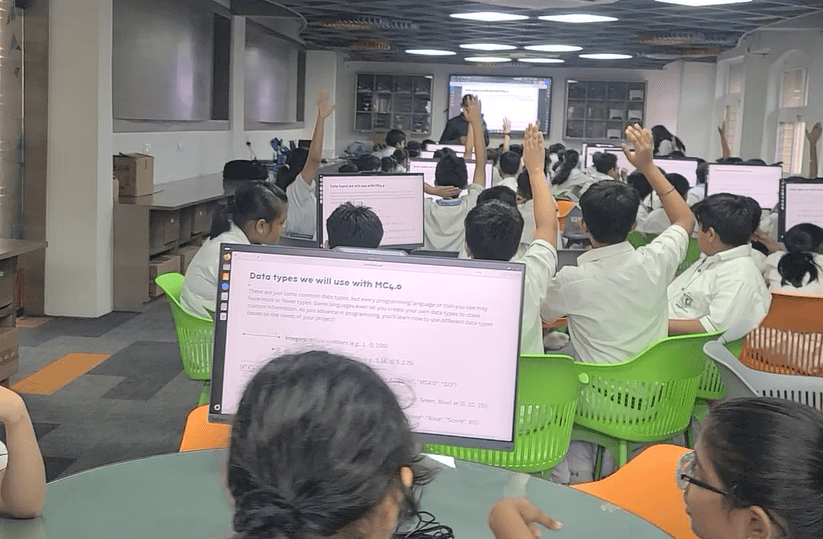
- Laptops or tablets compatible with the robotics platform
- Reliable internet access
- Power outlets and cable management
- Display screen or projector for demonstrations
- Open floor area for robot testing
- Safety rules and equipment handling guidelines
What makes a good robotics lab
A good robotics room is not about flashy design. It is about function. The space should allow students to build, code, test, troubleshoot, and collaborate without chaos.
Consider these practical tips:
- Use labeled bins for each team or kit
- Create separate zones for building and testing
- Keep batteries, chargers, and cables organized
- Post visual instructions for setup and pack-down
- Store replacement parts for high-use components
- Choose furniture that supports group work
If budget is limited, start with a mobile setup. Many schools begin with a robotics cart or shared STEM room before investing in a dedicated lab.
Step 8: Create a realistic budget
You do not need to launch everything at once. In fact, phased budgeting is often the smartest choice.
Your budget may include:
- Robotics kits
- Devices such as laptops or tablets
- Teacher training
- Curriculum resources
- Storage and furniture
- Lab upgrades
- Competition or event participation
- Maintenance and replacement parts
A simple phased plan could be:
- Phase 1: pilot with one grade level or club
- Phase 2: expand to more classes
- Phase 3: build a dedicated lab and advanced pathway
This approach helps school leaders control costs while proving impact before scaling.
Step 9: Launch with a pilot program
If you are still wondering how to set up a robotics program in school without overwhelm, this is the best answer: pilot first.
A pilot helps you test:
- Student engagement
- Teacher readiness
- Equipment suitability
- Timetable fit
- Curriculum pacing
- Lab and storage needs
Keep the pilot simple and measurable. For example:
- Run for 8 to 12 weeks
- Include one or two grade levels
- Use one robotics platform
- Track attendance, student work, and teacher feedback
- Review outcomes before expanding
This gives you real evidence to guide your next steps.
Step 10: Build visibility and long-term momentum
Once your program starts, make it visible. This is where excitement grows across the school community.
You can build momentum by:
- Hosting student showcases
- Running robotics challenge days
- Sharing projects with parents
- Entering local or regional competitions
- Highlighting links to STEM and future careers
- Celebrating teacher champions and student teams
A robotics program grows faster when the whole school sees its value.
Common mistakes to avoid
Even the strongest schools can stumble when launching a new program. Watch out for these common issues:
- Buying equipment before setting goals
- Choosing tools that are too advanced
- Skipping teacher training
- Launching too widely too soon
- Ignoring storage and maintenance needs
- Treating robotics as a one-off activity instead of a learning pathway
Avoiding these mistakes can save time, budget, and staff frustration.
Key takeaways
If you want to launch a successful school robotics program, focus on these essentials:
- Start with clear goals
- Choose a simple program model
- Match tools to student age and level
- Build a structured STEM robotics curriculum
- Support teachers from the beginning
- Plan a practical robotics lab setup for schools
- Pilot first, then scale with confidence
Robotics does not need to begin with perfection. It needs to begin with purpose.
FAQ
How do I start a robotics program if my school has no prior experience?
Start with a small pilot, clear goals, beginner-friendly tools, and teacher training. You do not need in-house experts to begin. A phased approach works best.
What is the best way to start a robotics club?
If you are exploring how to start a robotics club, begin with a weekly after-school format for a limited group of students. Use age-appropriate kits, set simple project goals, and assign one or two trained staff members to lead it.
How much budget is needed for a school robotics program?
The budget depends on your scale, grade levels, equipment, and training needs. Many schools start with a modest pilot and expand later. A phased investment model is usually more manageable than a full rollout.
Do teachers need coding or engineering experience?
No. Teachers need practical training, easy-to-follow lesson plans, and support. Many successful robotics programs are led by educators who started with no robotics background.
What should be included in a robotics lab setup for schools?
A basic setup should include work tables, storage, charging access, devices, internet, testing space, and clear safety procedures. A regular classroom can work well for early stages.
Can robotics be integrated into the curriculum?
Yes. Robotics can support science, math, ICT, design, and broader STEM learning. A well-planned STEM robotics curriculum makes integration much easier.
Is robotics suitable for primary school students?
Absolutely. Younger learners can start with simple building, sequencing, and problem-solving tasks. The key is to use age-appropriate tools and lessons.
Why is robotics education important for schools in the UAE and GCC?
Because it supports regional priorities around innovation, digital transformation, STEM capability, and future workforce readiness. It also gives students practical, engaging learning experiences.
Conclusion
Launching robotics at your school may seem daunting at first, but it becomes much more manageable when you break it into clear steps. If you have been wondering how to set up a robotics program in school, the answer is not to do everything at once. Start with a clear purpose, train your team, choose the right tools, and build steadily.
For schools across the UAE and GCC, robotics is a powerful way to make STEM learning practical, visible, and exciting. With the right plan, even a school with zero prior experience can create a program that students and teachers truly enjoy.
Author Bio
Ednex is a trusted education solutions brand focused on helping schools build future-ready learning environments. With expertise in STEM, innovation, digital learning, and school transformation, Ednex supports educators and school leaders with practical solutions that make advanced learning accessible, engaging, and sustainable.
Related Posts ...
Comments are disabled