Introduction: A Common Dilemma in Modern Education
As schools and parents embrace STEM education, one question frequently arises: Should students start with coding or robotics?
Both are essential skills for the future, but choosing the right starting point can significantly impact how effectively students learn and engage with technology.
The answer isn’t about choosing one over the other it’s about understanding how they complement each other.
Understanding the Basics
What is Coding?
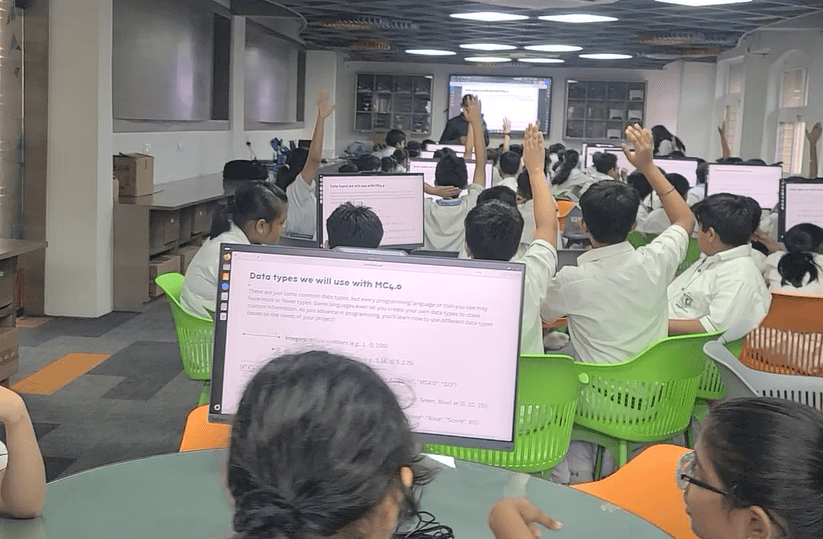
Coding is the process of writing instructions that a computer can understand. It focuses on:
- Logical thinking
- Problem-solving
- Algorithm design
Popular beginner tools include Scratch, Python, and block-based programming platforms.
What is Robotics?
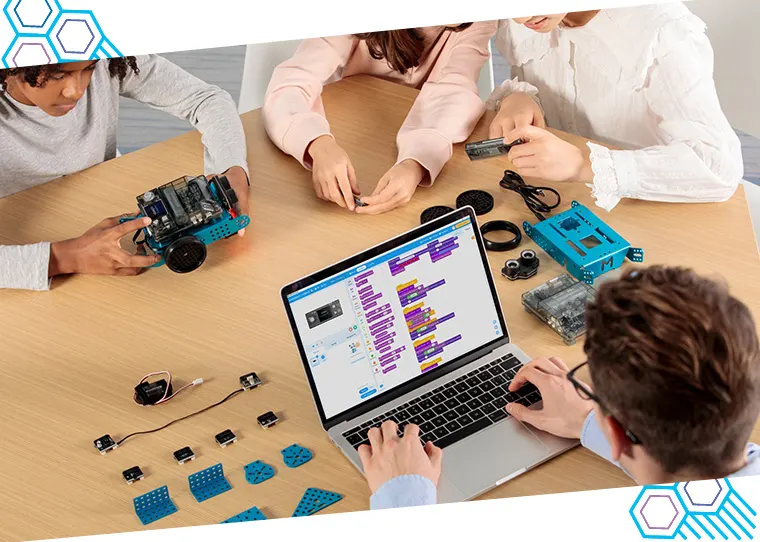
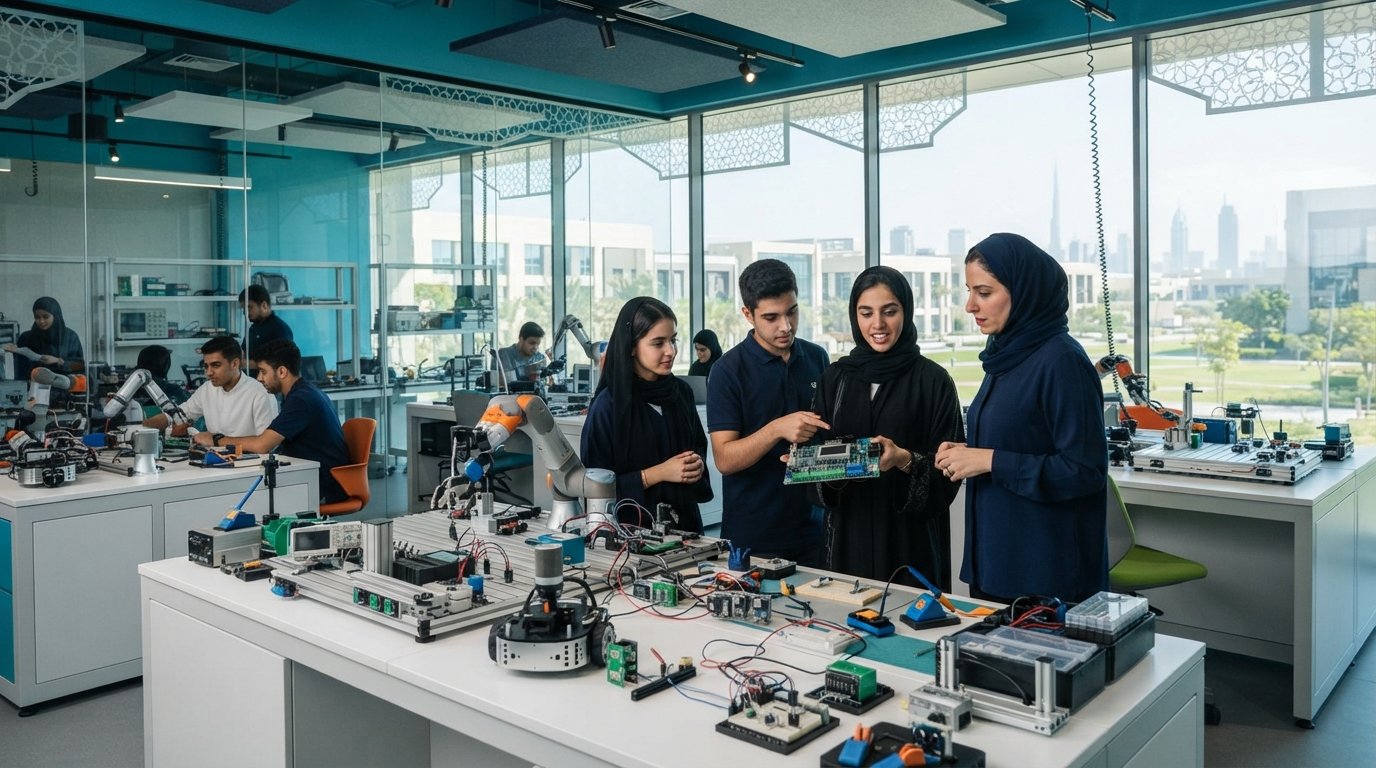
Robotics involves designing, building, and programming machines (robots) to perform tasks. It combines:
- Coding
- Electronics
- Mechanical design
Robotics brings code to life through physical interaction.
Key Differences Between Robotics and Coding
Aspect | Coding | Robotics |
Focus | Software & logic | Hardware + software |
Learning Style | Abstract | Hands-on |
Skills Developed | Logical thinking, algorithms | Engineering, problem-solving |
Engagement Level | Moderate | High (interactive) |
Coding First: Building the Foundation
Starting with coding helps students:
- Understand programming logic
- Develop computational thinking
- Learn how systems and software work
Best For:
- Beginners
- Younger students
- Developing core thinking skills
Robotics First: Learning by Doing
Robotics introduces students to:
- Real-world applications
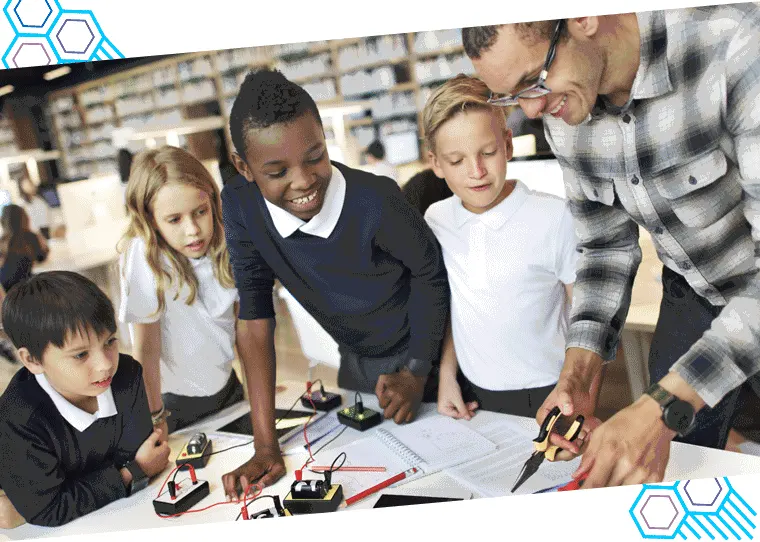
- Hands-on experimentation
- Immediate visual results
Best For:
- Kinesthetic learners
- Students who prefer practical learning
- Increasing engagement and interest
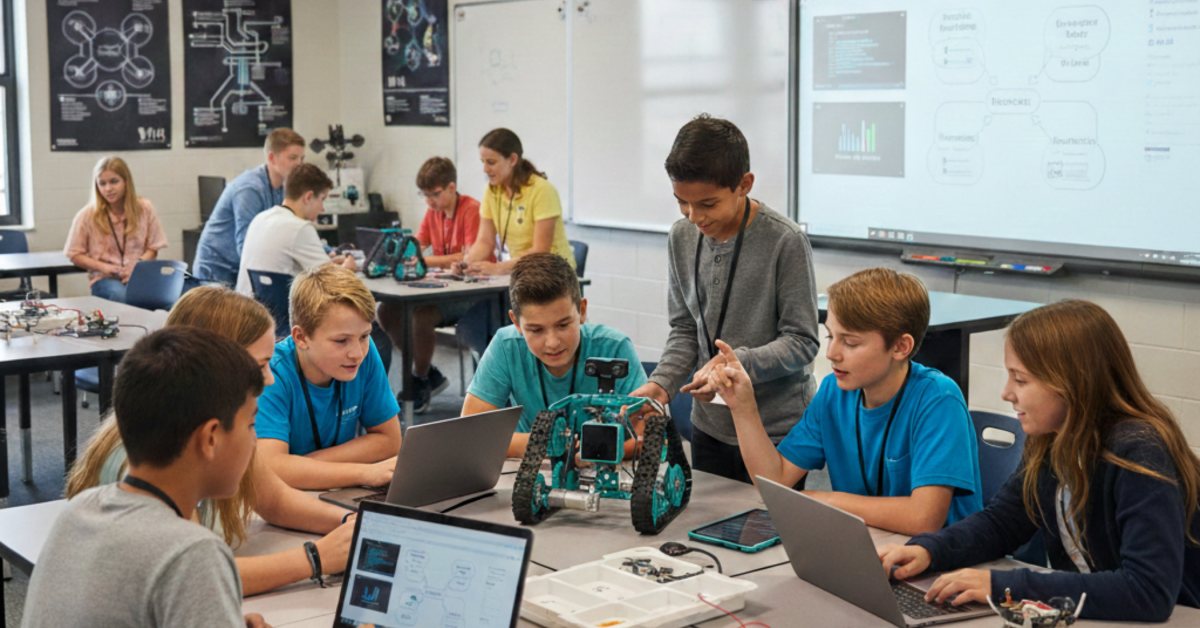
The Ideal Approach: Combine Both
The most effective strategy is not choosing one—but integrating both.
Recommended Learning Path:
- Start with basic coding concepts (logic, sequences, loops)
- Apply those concepts through robotics projects
- Progress to advanced coding + automation systems
This approach ensures:
- Strong foundational knowledge
- Practical application
- Higher retention and engagement
Benefits of Integrating Robotics and Coding
- Enhances problem-solving skills
- Encourages creativity and innovation
- Builds technical and engineering knowledge
- Prepares students for future careers in AI, robotics, and technology
Factors to Consider When Choosing
1. Age of Students
- Younger students → Start with visual coding
- Older students → Combine coding and robotics
2. Learning Style
- Logical learners → Coding first
- Hands-on learners → Robotics first
3. Learning Goals
- Foundation building → Coding
- Application and innovation → Robotics
Common Mistake to Avoid
❌ Treating coding and robotics as separate subjects
✔️ Instead, use robotics as a platform to apply coding skills
Future Perspective: Why Both Are Essential
In a world driven by automation, AI, and smart technologies:
- Coding is the language
- Robotics is the application
Students who master both will be better prepared for future careers and innovation-driven industries.
Conclusion: A Balanced Approach Wins
So, which should students learn first robotics or coding?
👉 Start with coding fundamentals, then integrate robotics for practical application.
This balanced approach creates confident, capable, and future-ready learners.