


Why Schools Should Offer After School Robotics Programs
After school robotics programs transform passive learners into active creators and problem-solvers. By giving students a hands-on environment to design, build, and program robots, schools provide an invaluable bridge between classroom theory and real-world application. This guide explores the massive benefits of launching a robotics club on your campus.
Educators constantly search for ways to make learning more engaging and relevant. Integrating robotics programs for schools outside of regular class hours gives students the freedom to explore technology without the pressure of standardized grading. This relaxed yet stimulating environment fosters genuine curiosity and innovation.
Read on to discover exactly how these programs benefit students, the essential skills they build, and the practical steps administrators can take to launch successful robotics clubs today.
What Are After-School Robotics Programs?
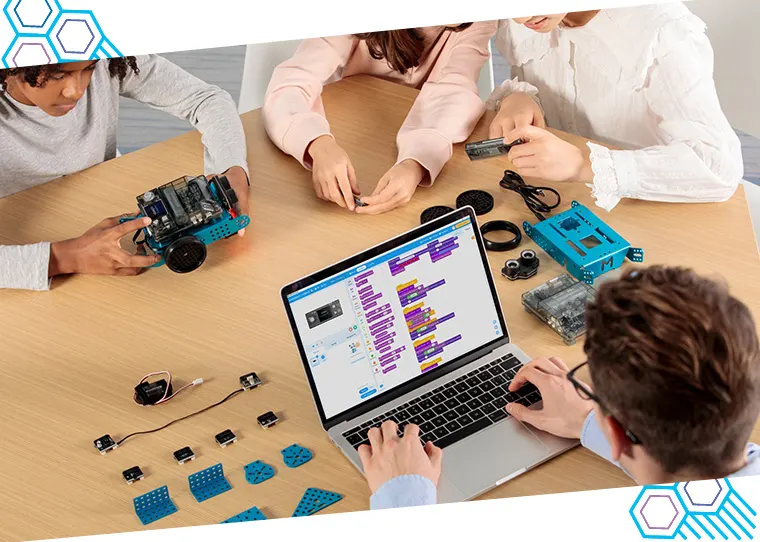
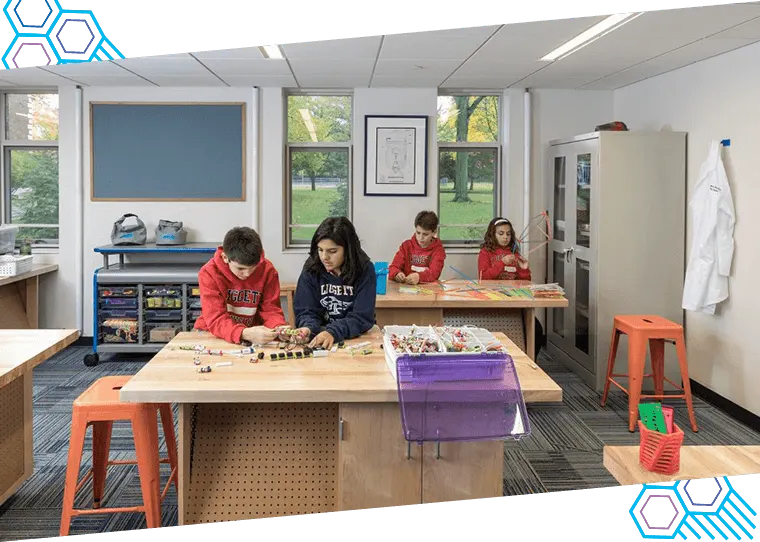
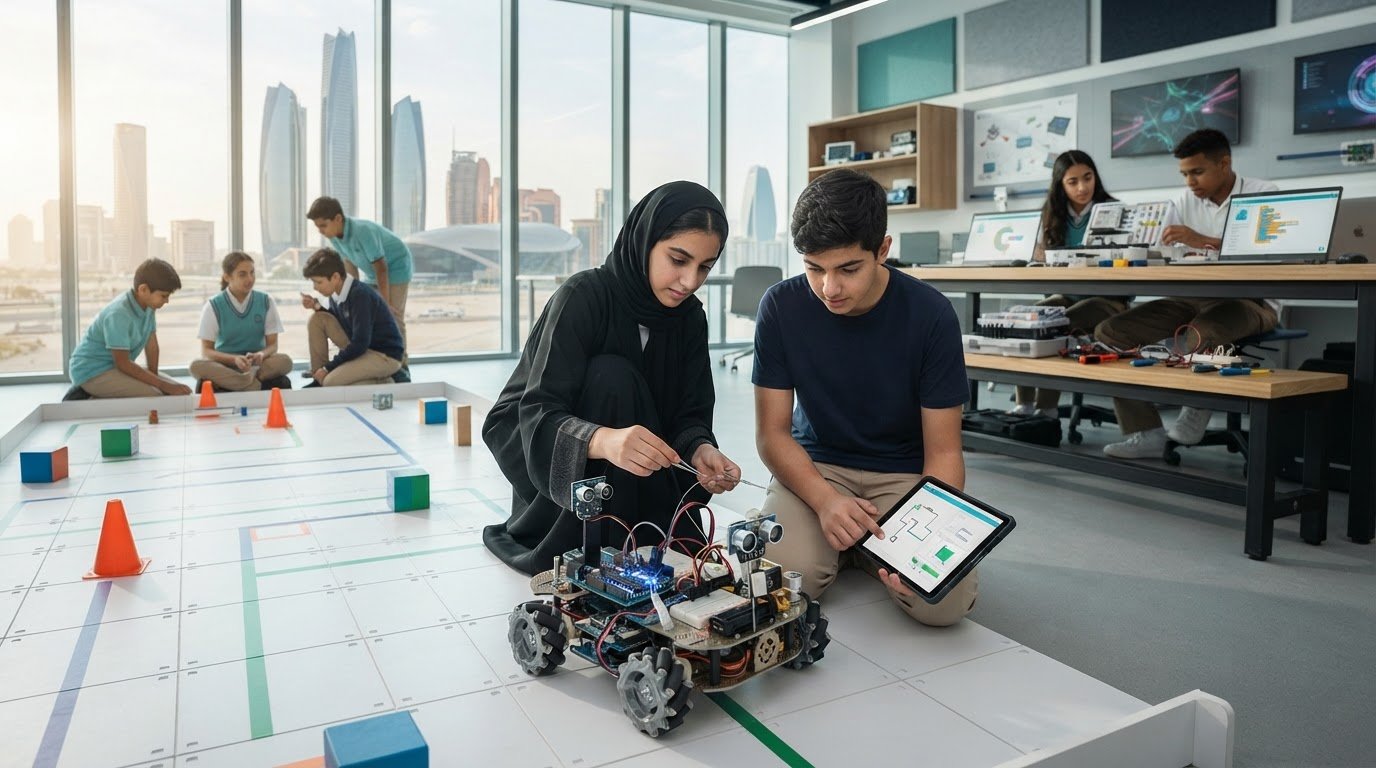
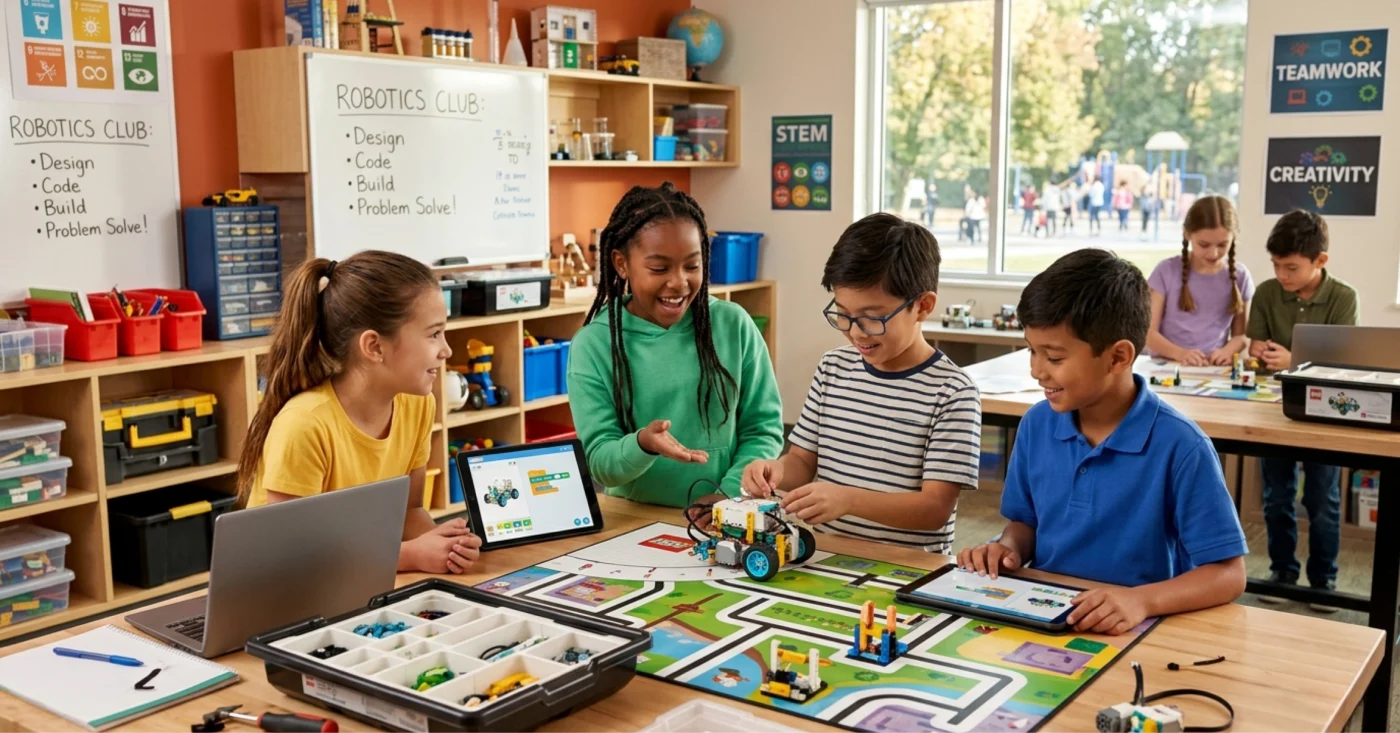
After school robotics programs are extracurricular clubs where students collaboratively design, build, and program functional robots. These programs usually take place once or twice a week after regular school hours. They provide a structured yet highly creative space for students to explore engineering and computer science.
Unlike traditional classroom lessons, these programs focus heavily on project-based learning and peer collaboration. Students use specialized kits, sensors, and coding software to solve specific mechanical challenges. This hands-on approach makes complex technological concepts highly accessible.
Key features of successful robotics clubs include:
- Project-based learning: Students work toward a tangible goal, like building a robot that can navigate a maze.
- Collaborative teams: Learners divide tasks such as coding, physical assembly, and project management.
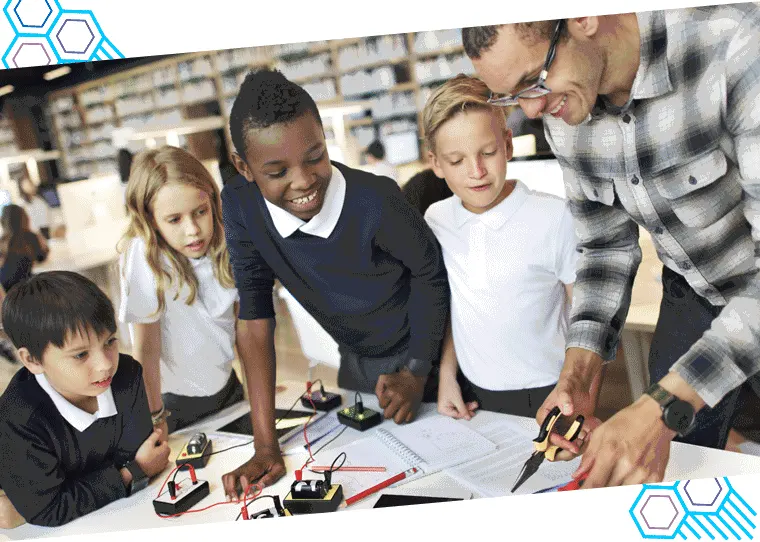
- Mentorship: Teachers or industry professionals guide students rather than simply lecturing them.
- Open-ended challenges: Students are encouraged to test multiple solutions rather than searching for one “correct” answer.
Importance of Robotics Education for Students
Robotics education is vital because it introduces students to the automated technologies driving modern industries. Understanding how hardware and software interact is no longer just for computer scientists; it is a fundamental literacy required in almost every future career path. Schools must prioritize this education to keep their students competitive.
By participating in these extracurricular activities, students build a strong foundation in computational thinking. Early exposure to robotics demystifies complex technology, turning intimidating machines into understandable, programmable tools.
Reasons schools must prioritize robotics education:
- Career alignment: Prepares students for high-demand jobs in engineering, software development, and manufacturing.
- Technological fluency: Teaches kids how smart devices process data and execute physical actions.
- Real-world problem solving: Forces students to apply math and physics to overcome physical design flaws.
- Adaptability: Helps students become comfortable with rapidly changing digital tools and interfaces.
Benefits of After-School Robotics Programs
The primary benefits of after school robotics programs include significantly higher student engagement, improved academic confidence, and a safe space to practice trial and error. When students build a robot that actually moves and responds to their commands, their motivation to learn skyrockets.
These programs offer a unique environment where failure is celebrated as a necessary step in the design process. When a robot fails to complete a task, students eagerly rewrite their code and adjust their gears until it works perfectly.
Top benefits for participating students:
- Boosted academic performance: Students naturally improve in math and science as they apply these subjects practically.
- Increased resilience: Learners discover that making mistakes is the best way to gather data and improve a design.
- Social development: Clubs bring together diverse groups of students who share a common interest in technology.
- Creative expression: Students personalize their robots, combining aesthetic design with mechanical functionality.
Skills Students Gain from Robotics Programs
Students gain highly transferable skills from robotics programs, most notably critical thinking, advanced coding, and effective teamwork. Building a functional robot is never a solitary task. It requires intense communication, negotiation, and the ability to break massive problems into manageable steps.
Beyond the technical knowledge, students develop vital soft skills that employers desperately seek. Learning how to debug a broken line of code teaches patience, while presenting a finished robot builds public speaking confidence.
Essential skills developed in robotics clubs:
- Algorithmic programming: Writing logical, step-by-step instructions for a machine to follow.
- Mechanical engineering: Understanding gear ratios, torque, and structural integrity.
- Conflict resolution: Navigating disagreements within a team regarding the best design approach.
- Time management: Ensuring the robot is built, programmed, and tested before a specific deadline.
How Robotics Programs Support STEM Education
After school robotics directly supports STEM education by seamlessly blending Science, Technology, Engineering, and Math into a single, cohesive activity. Traditional schools often teach these subjects in isolated silos. Robotics forces students to use all four disciplines simultaneously to achieve a goal.
When schools invest in robust STEM programs for schools, they create a holistic learning environment. A student must calculate the circumference of a wheel (Math), understand friction (Science), build the chassis (Engineering), and program the sensors (Technology).
Ways robotics enhances the STEM curriculum:
- Practical application: Transforms abstract textbook theories into observable physical actions.
- Cross-disciplinary learning: Demonstrates how different academic subjects rely on one another in the real world.
- Inquiry-based discovery: Encourages students to ask “what if” and immediately test their hypothesis.
- Enhanced retention: Students remember complex formulas much better when they use them to win a robotics challenge.
Popular Robotics Activities and Projects for Students
The best robotics activities involve challenging students to build machines that interact with their environment or solve a specific puzzle. Relying on step-by-step instruction manuals quickly bores students. The real magic happens when you provide a goal and let the students design their own unique solution.
Participating in robotics competitions for students is one of the most effective ways to drive engagement. Preparing for a local or national tournament gives the club a clear focus and highly motivates the team.
Highly engaging robotics projects include:
- Autonomous maze solvers: Programming a robot to use ultrasonic sensors to navigate a labyrinth without human control.
- Sumo bot battles: Designing sturdy, high-torque robots intended to push an opponent out of a designated ring.
- Environmental rovers: Building treaded vehicles capable of traversing rough outdoor terrain to collect soil samples.
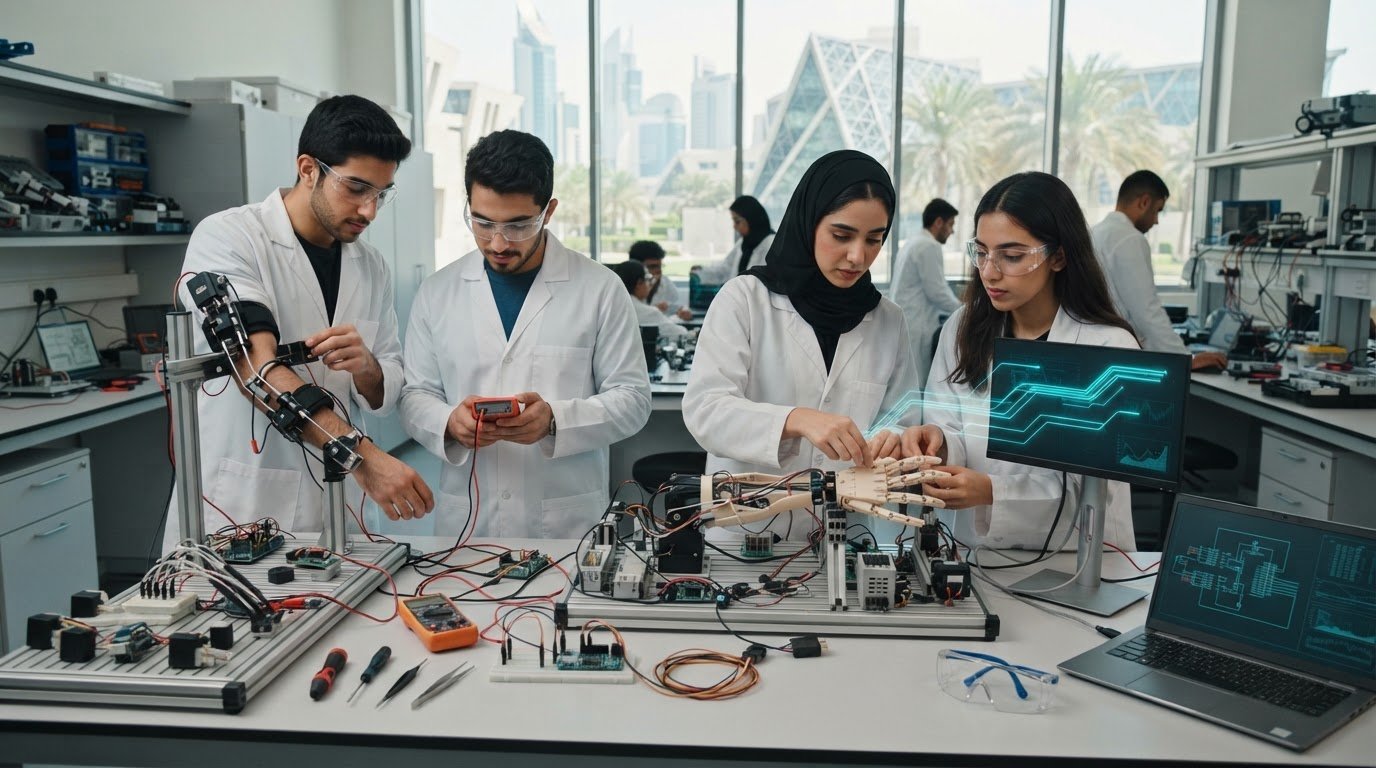
- Assistive technology: Challenging students to design a robotic arm that can help pick up lightweight objects.
How Schools Can Start an After-School Robotics Program
Starting a successful robotics program requires clear goal setting, securing an appropriate workspace, purchasing durable kits, and identifying a passionate mentor. Administrators should not rush to buy the most expensive equipment available. A phased approach ensures the club remains sustainable and scalable over time.
Knowing exactly how to launch robotics programs for schools means securing buy-in from both teachers and parents early on. Follow a structured plan to ensure your new club runs smoothly and provides maximum value to the students.
Steps to launch a school robotics club:
- Define the audience: Decide whether the club will target elementary, middle, or high school students, as this dictates the equipment needed.
- Secure funding: Apply for local STEM grants, approach corporate sponsors, or charge a small club fee to cover hardware costs.
- Train the facilitator: Ensure the lead teacher receives professional development on basic block coding and mechanical troubleshooting.
Challenges in Implementing Robotics Programs
The most common challenges when implementing robotics programs include securing consistent funding, managing tiny hardware inventory, and overcoming teacher hesitation. Identifying these hurdles during the planning phase allows school leadership to create effective contingency plans. Ignoring these logistics often leads to broken kits and frustrated educators.
Many teachers feel intimidated by the prospect of leading a coding and engineering club. Providing continuous, hands-on professional development is the absolute best way to build your staff’s confidence.
Key challenges and practical solutions:
- Hardware loss: Implement strict five-minute clean-up and inventory routines at the end of every single club meeting.
- Budget constraints: Partner with parent-teacher associations (PTAs) to run targeted fundraising campaigns specifically for STEM tools.
- Curriculum gaps: Utilize the free, pre-made lesson plans provided by major robotics manufacturers to ease the teacher’s planning burden.
- Equity of access: Create rotation schedules so every student gets equal time programming, building, and driving the robot.
Future Opportunities for Students in Robotics
Students who participate in robotics programs unlock incredible future opportunities, including university scholarships, prestigious internships, and highly lucrative careers. The technology sector is expanding exponentially, and companies are desperate for talent with practical hardware and software experience.
Looking forward, early exposure to robotics gives students a massive competitive advantage. They transition from being passive consumers of smart technology to the active engineers who will design the next generation of automated systems.
Future pathways for robotics students:
- Advanced education: Strong robotics portfolios highly appeal to university engineering and computer science admissions boards.
- Artificial Intelligence (AI): A foundational understanding of robotics naturally leads to careers in machine learning and AI development.
- Industrial automation: Graduates can pursue roles designing the robots used in modern logistics and automotive manufacturing.
- Entrepreneurship: Empowered students often go on to invent and patent their own smart devices and tech startups.
Conclusion
Offering after school robotics programs is one of the most impactful investments a school can make in its students’ futures. These clubs provide a dynamic, hands-on environment where abstract STEM concepts become thrilling physical realities. By prioritizing this extracurricular education, schools build the analytical thinkers and resilient innovators the modern economy demands.
A successful program requires careful planning, dedicated mentors, and a focus on open-ended problem-solving. When educational institutions fully commit to robotics, they empower learners to take absolute ownership of their technological education. Start planning your school’s robotics club today to give your students the ultimate competitive advantage.
Bring World-Class Robotics Programs to Your School
Are you ready to equip your students with industry-leading engineering and coding skills? Ednex specializes in designing, equipping, and launching state-of-the-art robotics programs for educational institutions across the GCC region, including the UAE, Saudi Arabia, and Qatar.
We provide complete, end-to-end solutions from premium robotics kit procurement to comprehensive faculty training and curriculum integration. Partner with Ednex today to build an inspiring after-school innovation hub on your campus to contact our GCC team for a free consultation!
Frequently Asked Questions (FAQ)
What age is appropriate for students to join a robotics program?
Students can begin participating in robotics clubs as early as kindergarten or first grade. Early childhood robotics focuses on screen-free coding and simple snap-together building, while older students tackle complex metal fabrication and text-based programming.
Do teachers need programming experience to lead a robotics club?
No, modern educational robotics platforms are designed specifically for beginners. With proper training and intuitive drag-and-drop coding software, any passionate educator can successfully mentor a robotics team.
How much does it cost to start an after-school robotics club?
A foundational robotics club can be started for around $2,000 to $5,000. This initial budget covers entry-level robot kits, basic competition fields, and storage bins for a small group of students, with room to scale up as funding allows.
Why are robotics competitions for students important?
Competitions provide a thrilling, real-world deadline that motivates students to perfect their designs. Tournaments also teach vital lessons in sportsmanship, performing under pressure, and learning from the strategies of competing teams.
Author Bio:
Ednex is a premier educational technology and curriculum solutions provider dedicated to transforming K-12 learning environments. By empowering institutions with world-class robotics equipment, innovative STEM programs, and expert faculty training, Ednex prepares students across the globe to lead the future of engineering, automation, and computer science.
Related Posts ...

Comments are disabled