






Why Arduino Is an Ideal Platform for STEM Education
Introduction: Powering Hands-On Learning in Modern Classrooms
As education shifts toward experiential and technology-driven learning, schools are increasingly adopting tools that make complex concepts simple, engaging, and practical. Arduino has emerged as one of the most effective platforms for delivering hands-on STEM education.
With its open-source ecosystem and user-friendly interface, Arduino empowers students to explore coding, electronics, and engineering in a highly interactive way.
What is Arduino?
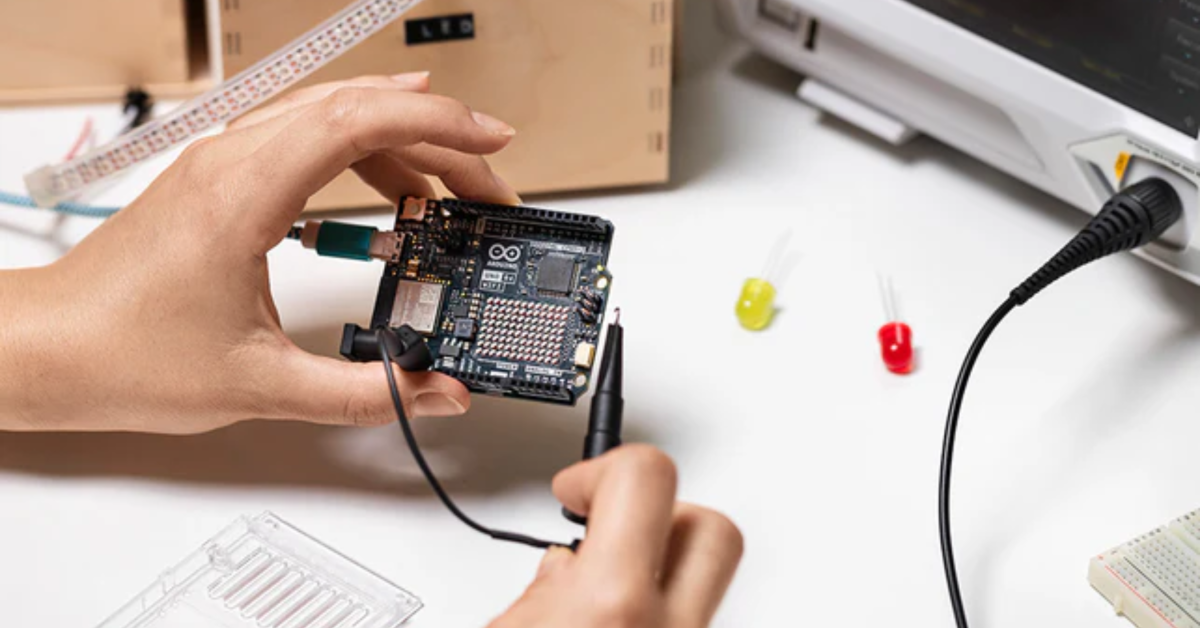
Arduino is an open-source electronics platform based on easy-to-use hardware and software. It allows students to create interactive projects using:
- Microcontrollers
- Sensors and actuators
- Simple programming environments
From blinking LEDs to building smart systems, Arduino provides a gateway into the world of innovation.
Why Arduino Stands Out in STEM Education
1. Beginner-Friendly Yet Powerful
Arduino is designed for learners at all levels:
- Simple syntax for beginners
- Advanced capabilities for complex projects
- Large global community for support
This scalability makes it ideal for both schools and universities.
2. Promotes Hands-On, Experiential Learning
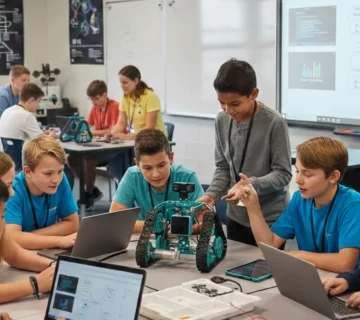
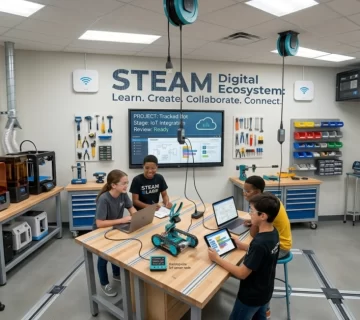
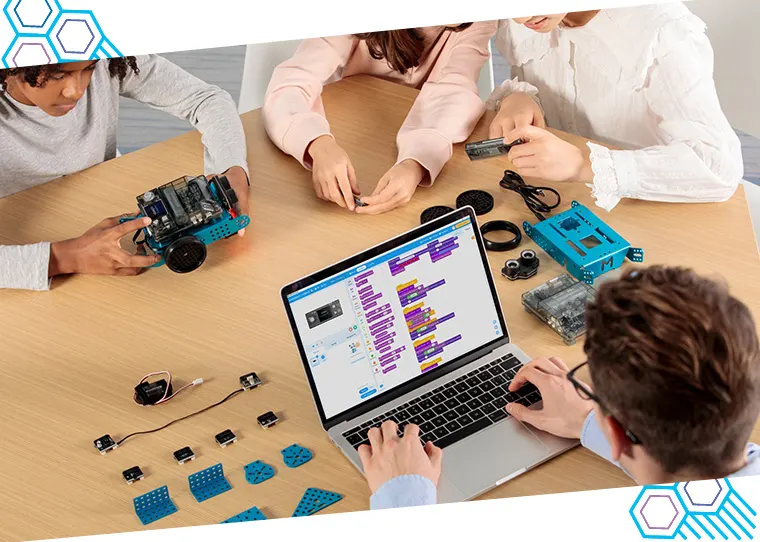
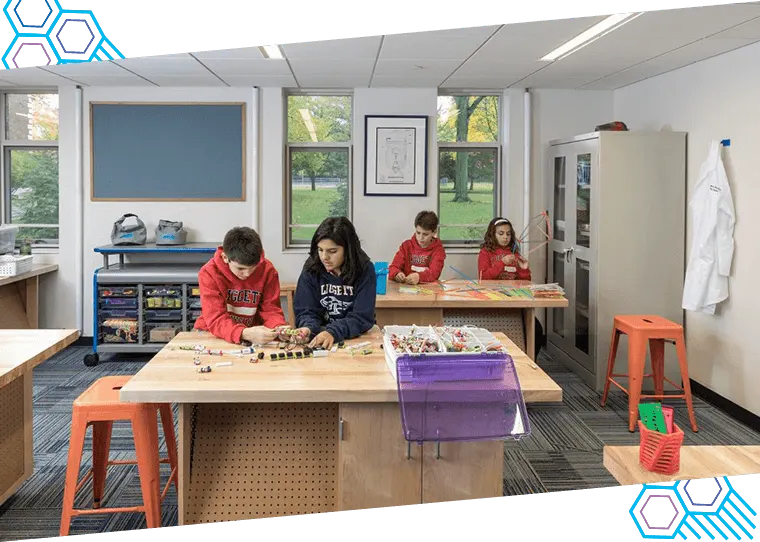
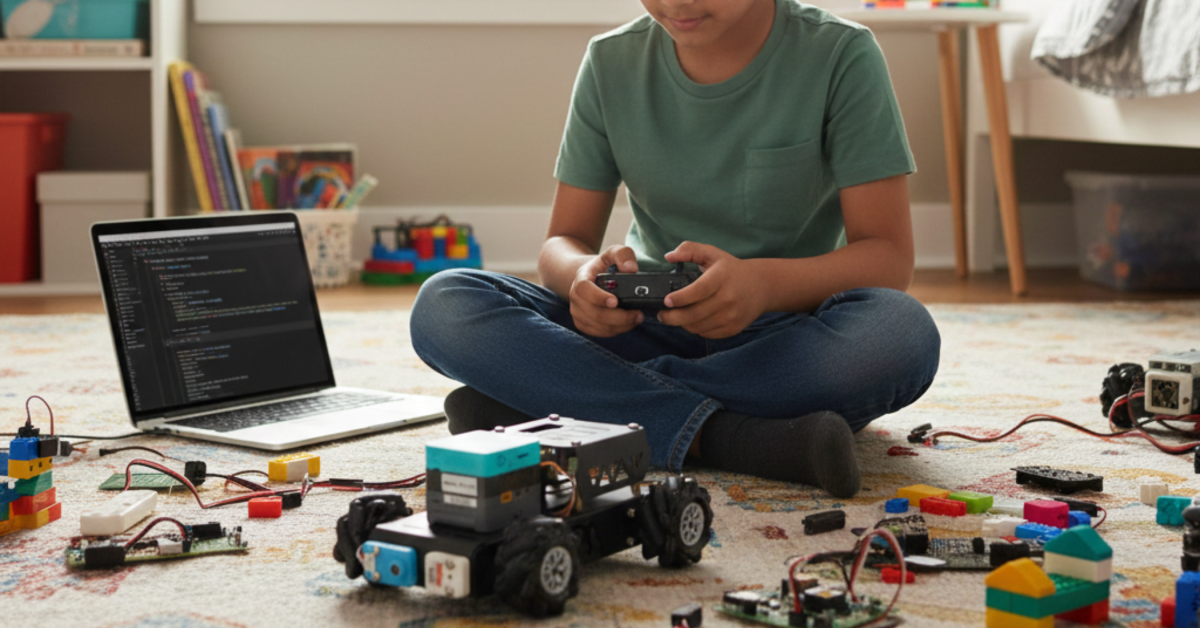
Students don’t just learn—they build. With Arduino, learners can:
- Create automation projects
- Develop smart devices
- Build robotics prototypes
This practical approach significantly improves understanding and retention.
3. Integrates Multiple STEM Disciplines
Arduino seamlessly combines:
- Science – understanding sensors and real-world data
- Technology – coding and software integration
- Engineering – designing and building systems
- Mathematics – logic, calculations, and algorithms
This interdisciplinary approach makes learning holistic.
4. Encourages Innovation and Creativity
Arduino enables students to:
- Experiment freely
- Prototype ideas quickly
- Solve real-world problems
From smart irrigation systems to home automation, students can turn ideas into reality.
5. Cost-Effective and Scalable
One of Arduino’s biggest advantages is affordability:
- Low-cost hardware
- Open-source software
- Minimal setup requirements
Schools can start small and scale their STEM programs over time.
6. Strong Industry Relevance
Arduino introduces students to skills used in:
- Robotics and automation
- Internet of Things (IoT)
- Embedded systems
These are highly in-demand fields in today’s job market.
Applications of Arduino in Classrooms
1. Robotics Projects
Students can build and program robots for:
- Line following
- Obstacle avoidance
- Autonomous navigation
2. Smart Systems and IoT
Arduino enables projects like:
- Smart home systems
- Weather monitoring stations
- Automated lighting
3. Engineering Prototyping
Students can design and test:
- Electronic circuits
- Functional prototypes
- Real-world solutions
Benefits for Schools and Educators
- Enhances student engagement and participation
- Improves problem-solving and critical thinking
- Supports project-based and inquiry-based learning
- Aligns with global STEM education standards
- Builds future-ready skills
Best Practices for Implementing Arduino in Schools
- Start with basic projects and gradually increase complexity
- Integrate Arduino into science and math curriculum
- Provide teacher training and support
- Encourage student-led innovation projects
- Organize competitions and exhibitions
Challenges and Solutions
Challenge | Solution |
Lack of teacher expertise | Provide professional training |
Limited resources | Start with starter kits |
Curriculum integration | Align with STEM subjects |
Maintenance | Use durable kits and structured usage |
Future of Arduino in Education
As education continues to evolve, Arduino will play a key role in:
- AI and IoT-based learning
- Smart classroom innovations
- Advanced robotics education
It will remain a foundational tool for building future innovators.
Conclusion: Empowering the Next Generation of Innovators
Arduino is more than just a learning tool—it is a platform for creativity, innovation, and real-world problem-solving. By integrating Arduino into STEM education, schools can transform students from passive learners into active creators.