



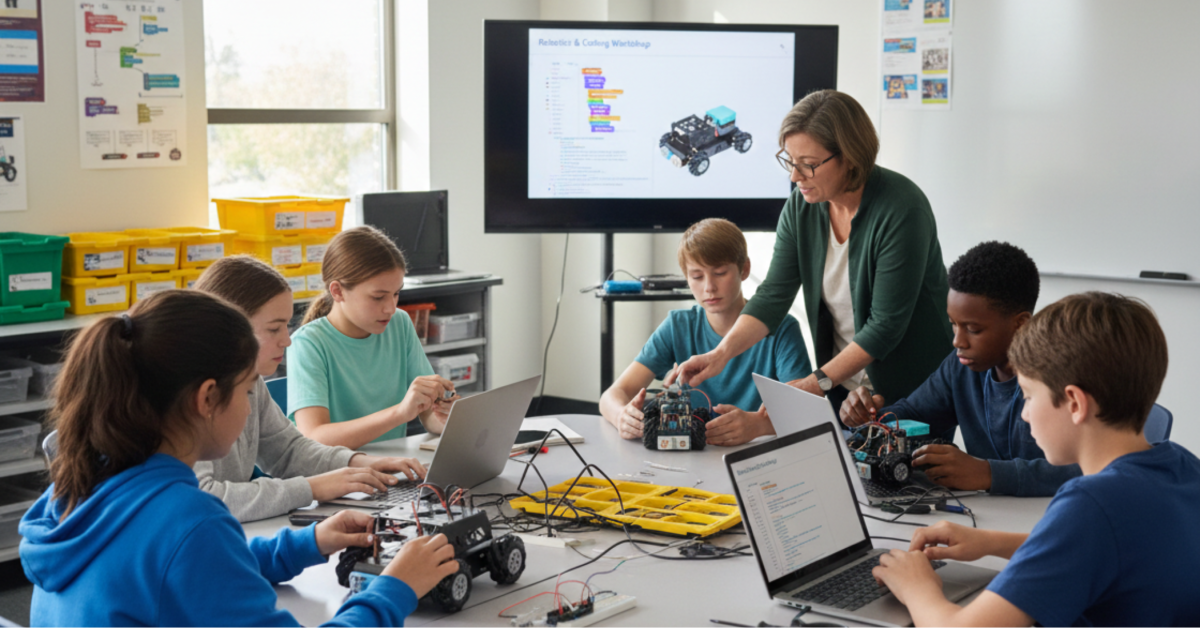
The Importance of Hands-On STEM Learning in Modern Classrooms
Introduction: The Shift from Passive to Active Learning
Education is evolving beyond textbooks and traditional lectures. In today’s fast-paced, technology-driven world, students need more than theoretical knowledge; they need practical skills, problem-solving abilities, and real-world exposure.
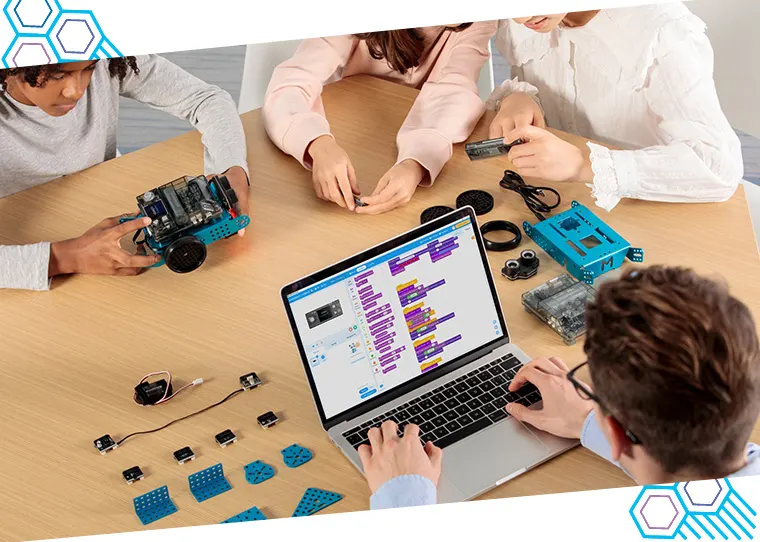
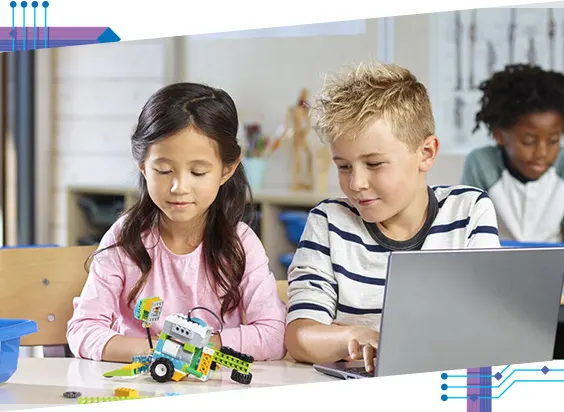
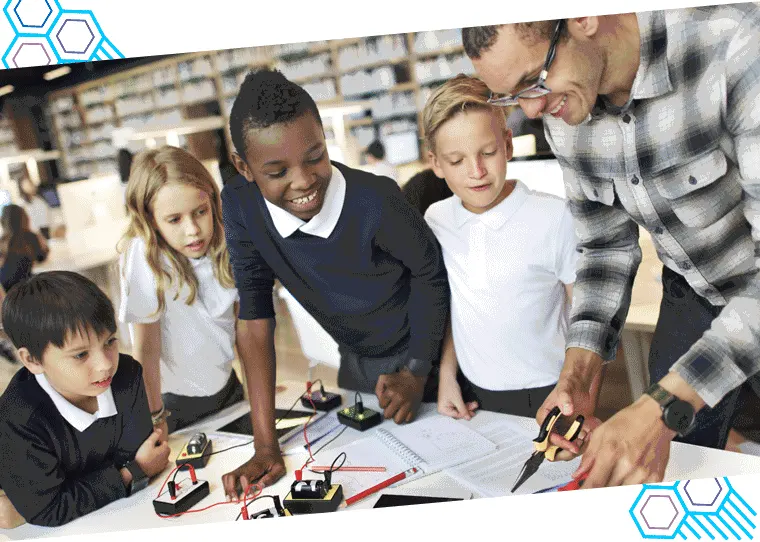
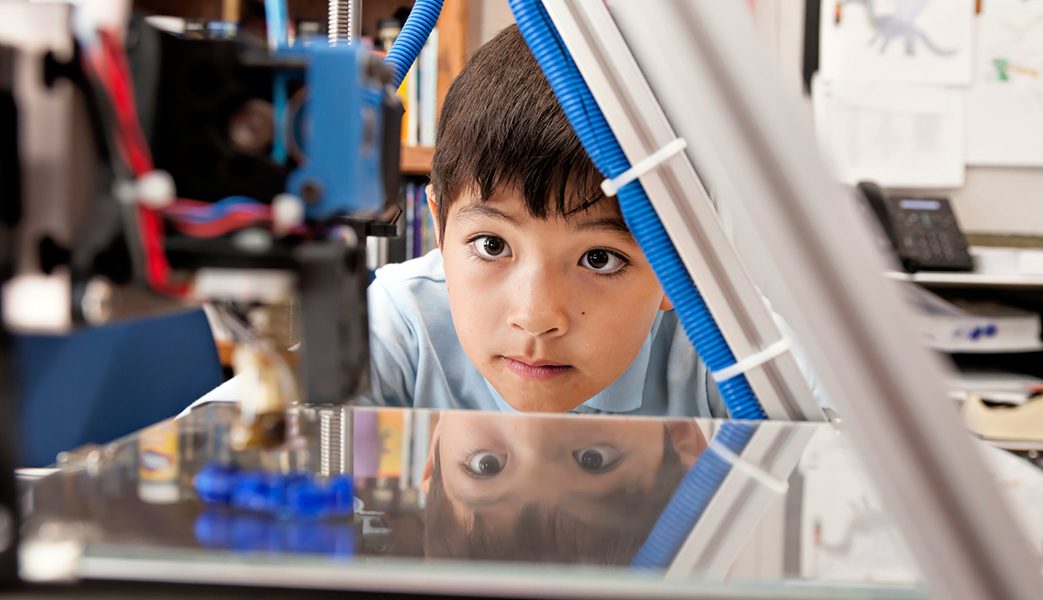
Hands-on STEM (Science, Technology, Engineering, and Mathematics) learning is transforming modern classrooms into dynamic environments where students actively engage, experiment, and innovate.
What is Hands-On STEM Learning?
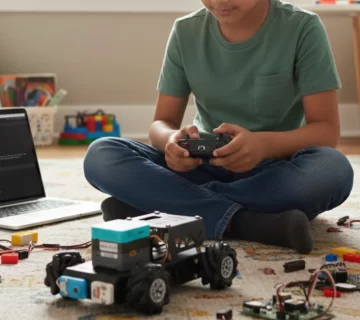
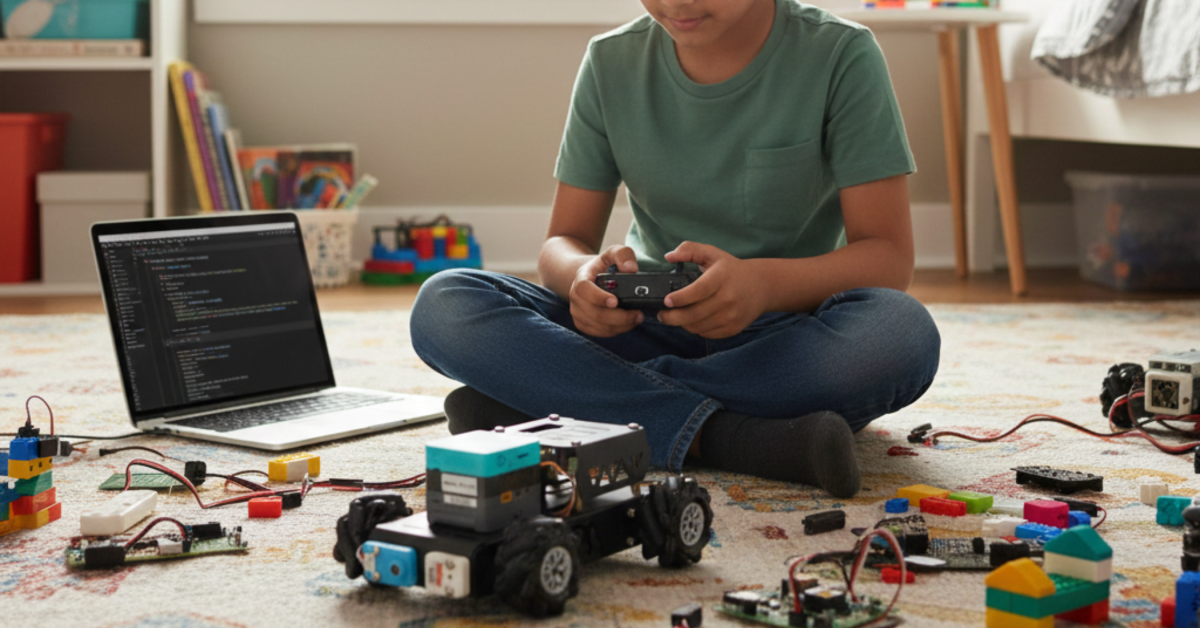
Hands-on STEM learning focuses on learning by doing. Instead of passively consuming information, students:
- Build, test, and experiment
- Solve real-world problems
- Engage in project-based activities
- Apply concepts through practical experiences
This approach makes learning more meaningful, interactive, and impactful.
Why Hands-On STEM Learning Matters
1. Enhances Student Engagement
Traditional teaching often leads to passive learning. Hands-on STEM:
- Sparks curiosity and interest
- Encourages participation
- Makes lessons more enjoyable and memorable
Students are more likely to stay engaged when they actively create and explore.
2. Develops Critical Thinking & Problem-Solving Skills
STEM activities challenge students to:
- Analyze problems
- Design solutions
- Test and improve ideas
These are essential skills for both academic success and real-world applications.
3. Bridges the Gap Between Theory and Practice
Concepts in science and mathematics become clearer when students:
- See real-world applications
- Conduct experiments
- Build working models
This improves understanding and retention.
4. Prepares Students for Future Careers
The future workforce demands skills in:
- Artificial Intelligence (AI)
- Robotics and automation
- Data science and technology
Hands-on STEM learning equips students with these competencies early on.
5. Encourages Creativity and Innovation
When students are given the freedom to explore and build:
- Creativity flourishes
- Innovation becomes natural
- Students develop confidence in their ideas
Key Elements of Effective Hands-On STEM Classrooms
1. Project-Based Learning
Students work on real-world challenges, such as:
- Designing smart devices
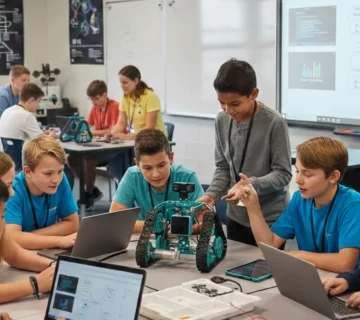
- Building robots
- Creating sustainable solutions
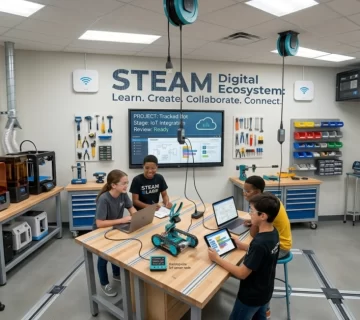
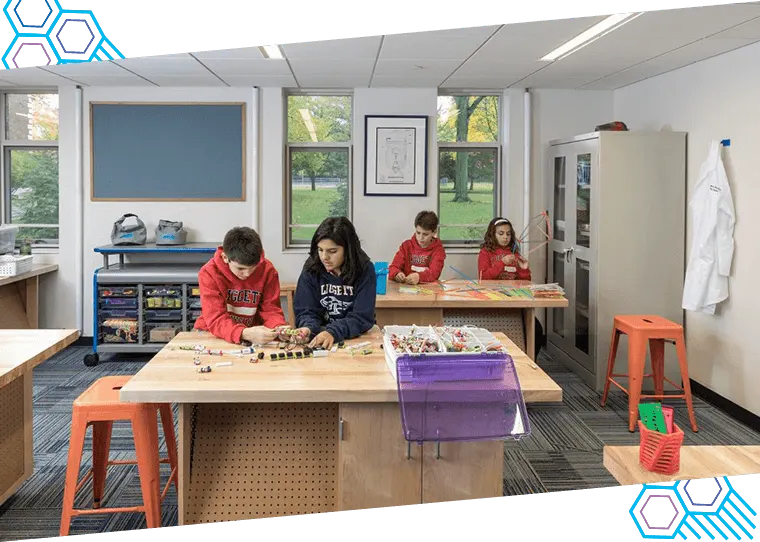
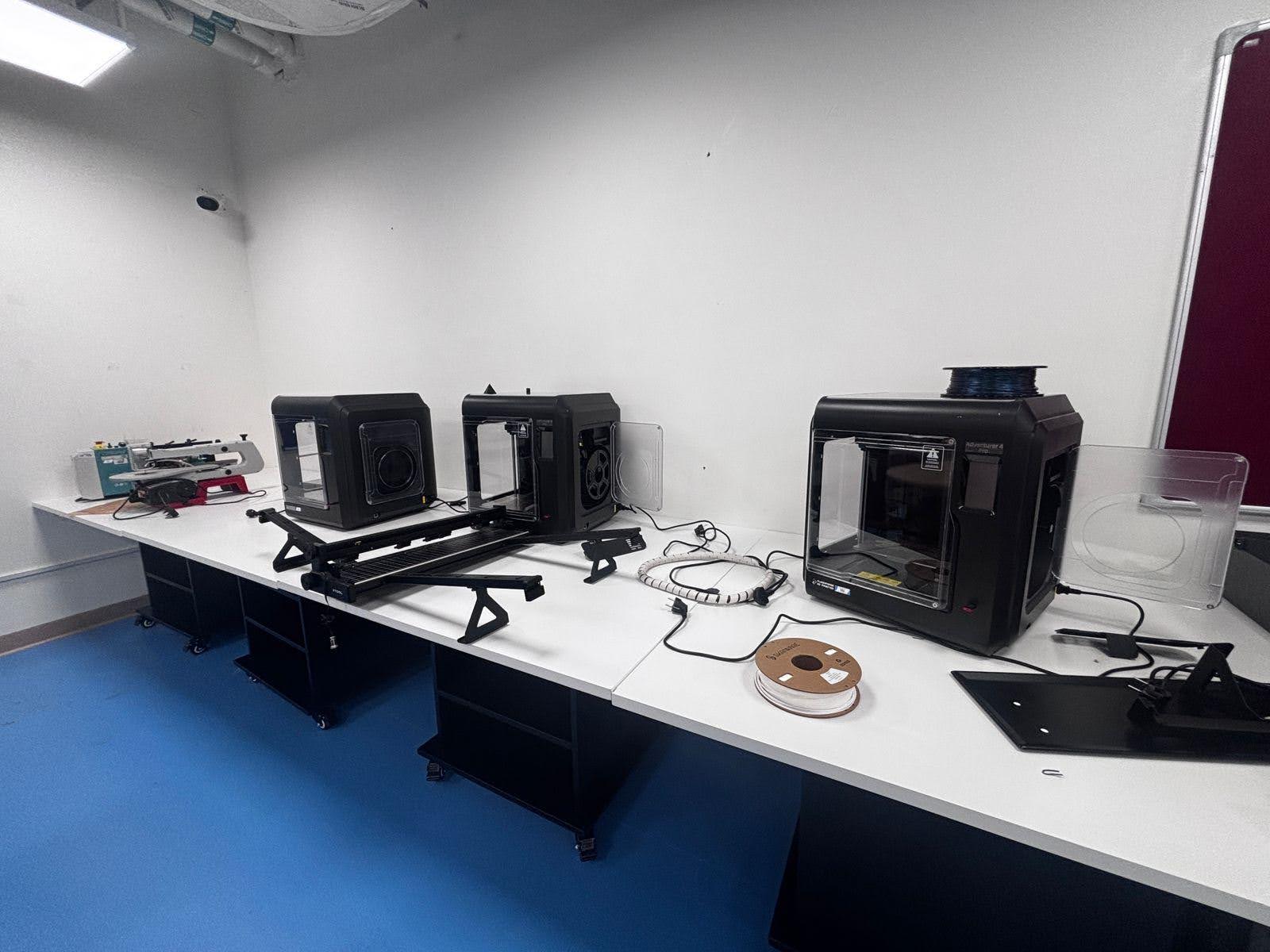
2. STEM Labs & Maker Spaces
Dedicated spaces equipped with:
- Robotics kits
- Sensors and electronics
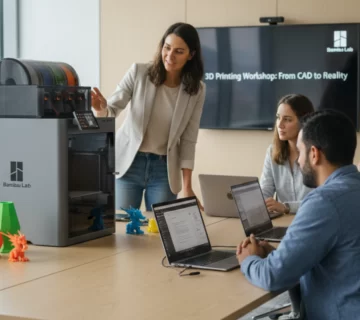
- 3D printers and tools
These environments foster experimentation and innovation.
3. Integration of Technology
Modern STEM classrooms use:
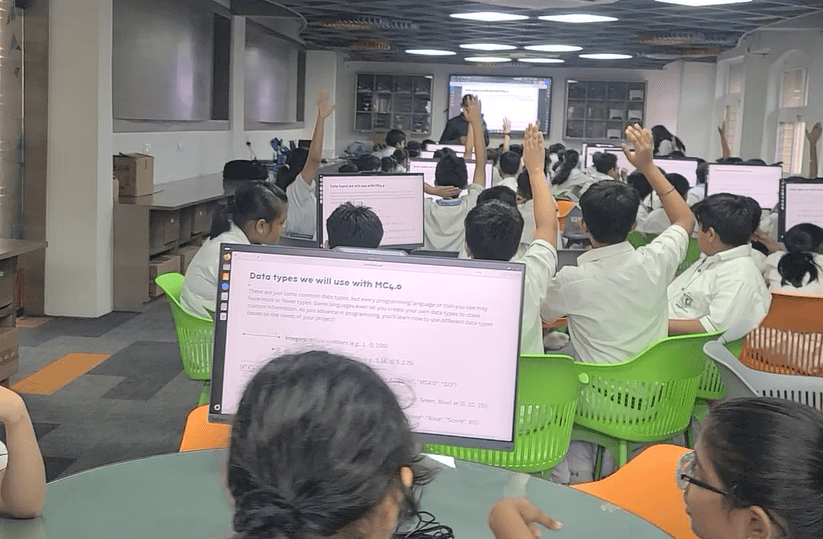
- Coding platforms
- Simulation software
- AI and IoT tools
4. Collaborative Learning
Students work in teams to:
- Share ideas
- Solve problems collectively
- Develop communication skills
Benefits for Schools and Educators
- Improves academic performance
- Enhances school reputation
- Attracts future-focused parents and students
- Aligns with global education standards
Challenges & Solutions
Challenge | Solution |
Limited resources | Start with scalable STEM kits |
Teacher training gaps | Provide professional development |
Curriculum alignment | Integrate STEM into existing subjects |
Budget constraints | Implement in phases |
Best Practices for Implementation
- Start with simple, scalable projects
- Encourage student-led exploration
- Provide continuous teacher training
- Measure outcomes through projects and innovation
- Partner with EdTech providers
Future of STEM Learning in Classrooms
The future of education is experiential, technology-driven, and innovation-focused. Schools that embrace hands-on STEM learning will:
- Produce future-ready students
- Foster innovation ecosystems
- Lead in modern education practices
Conclusion: Empowering the Next Generation
Hands-on STEM learning is not just a trend it is a necessity. It transforms students from passive learners into active creators, thinkers, and innovators.
By integrating experiential STEM education, schools can prepare students to thrive in a rapidly evolving, technology-driven world.