




Integrating Robotics and Coding into the School Curriculum
Introduction: Preparing Students for a Digital Future
The world is rapidly evolving with advancements in artificial intelligence, automation, and digital technologies. To prepare students for this future, schools must move beyond traditional teaching methods and integrate robotics and coding into their curriculum.
By embedding these technologies into everyday learning, schools can equip students with essential skills such as problem-solving, creativity, and computational thinking.
Why Robotics and Coding Are Essential in Schools
1. Builds Future-Ready Skills
Students develop critical competencies such as:
- Logical and computational thinking
- Problem-solving and analytical skills
- Creativity and innovation
- Digital literacy
2. Enhances Student Engagement
Interactive learning through robotics and coding:
- Makes lessons more engaging
- Encourages active participation
- Increases curiosity and motivation
3. Bridges Theory and Real-World Application
Students apply classroom concepts to:
- Build and program robots
- Create real-world solutions
- Understand practical applications of science and math
4. Aligns with Global Education Trends
Modern education systems worldwide are emphasizing:
- STEM-based learning
- Experiential education
- Technology integration in classrooms
Key Components of a Robotics and Coding Curriculum
1. Age-Appropriate Learning Path
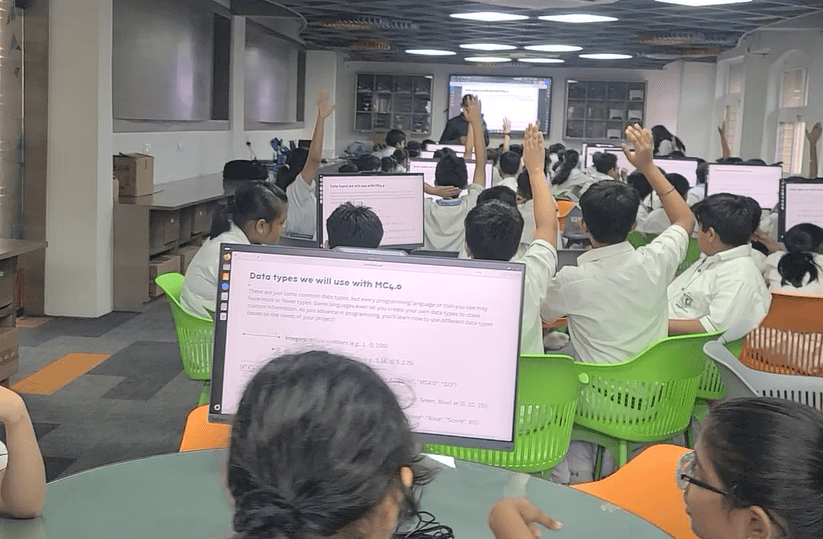
- Primary Level: Visual coding (Scratch, block-based tools)
- Middle School: Basic programming and simple robotics
- High School: Advanced coding, AI, and automation projects
2. Project-Based Learning Approach
Students learn through:
- Building robots
- Developing applications
- Solving real-world challenges
3. Integration Across Subjects
Robotics and coding can be linked with:
- Mathematics (logic, algorithms)
- Science (physics, electronics)
- Technology (programming, AI)
4. Hands-On Learning Infrastructure
Schools should invest in:
- Robotics kits
- Coding platforms
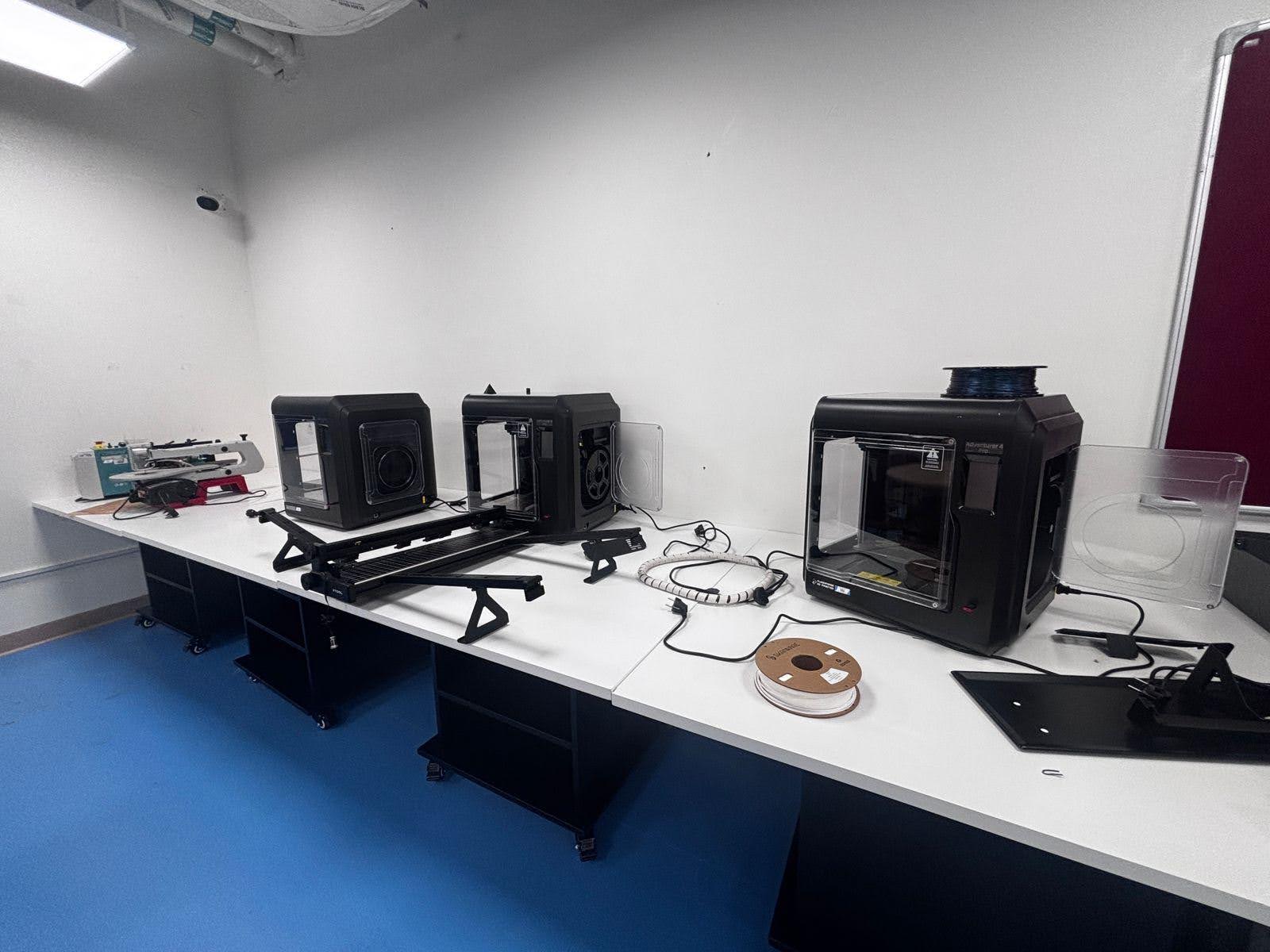
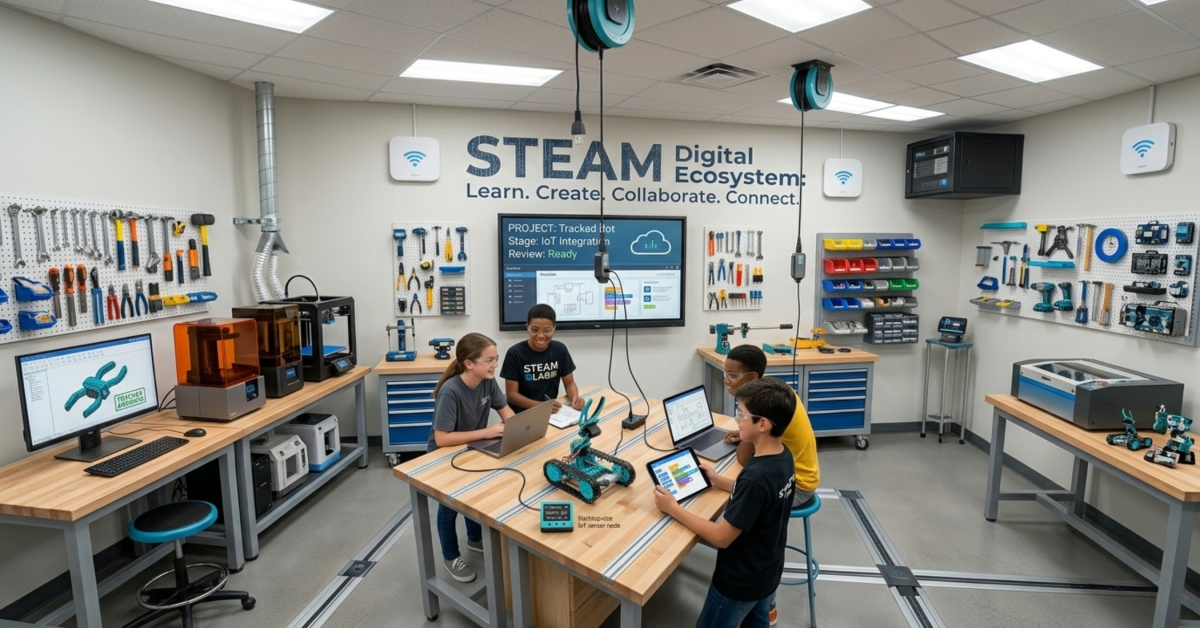
- STEM labs and makerspaces
Step-by-Step Guide to Integration
Step 1: Define Learning Objectives
Determine the goals:
- Skill development
- Innovation and creativity
- Career readiness
Step 2: Start with Pilot Programs
- Introduce robotics and coding in selected grades
- Test engagement and outcomes
- Scale gradually
Step 3: Invest in Teacher Training
Teachers should be equipped with:
- Technical knowledge
- Hands-on training
- Continuous support
Step 4: Choose the Right Tools and Platforms
Select tools that are:
- User-friendly
- Scalable
- Curriculum-aligned
Step 5: Integrate into Existing Curriculum
- Embed into science and math lessons
- Include in project-based learning modules
- Align with academic standards
Step 6: Encourage Innovation and Participation
- Organize competitions and hackathons
- Promote student-led projects
- Showcase student innovations
Benefits for Schools and Institutions
- Enhances academic performance
- Improves student retention and engagement
- Builds a future-ready school brand
- Attracts tech-savvy parents and students
- Aligns with global education standards
Challenges and Solutions
Challenge | Solution |
Lack of trained teachers | Provide professional development programs |
Budget constraints | Start small and scale gradually |
Curriculum overload | Integrate into existing subjects |
Technology adoption | Use simple, user-friendly tools |
Best Practices for Successful Implementation
- Focus on hands-on, experiential learning
- Encourage collaboration and teamwork
- Use real-world problem-solving projects
- Continuously update tools and curriculum
- Partner with EdTech providers
Future of Robotics and Coding in Education
The integration of robotics and coding will continue to evolve with:
- AI-driven learning environments
- Smart classrooms
- Personalized learning experiences
- Industry-aligned education models
Conclusion: Empowering Students for Tomorrow
Integrating robotics and coding into the school curriculum is no longer optional it is essential. It transforms students into innovators, creators, and problem-solvers ready to thrive in a technology-driven world.
Schools that adopt this approach today will lead the future of education.