



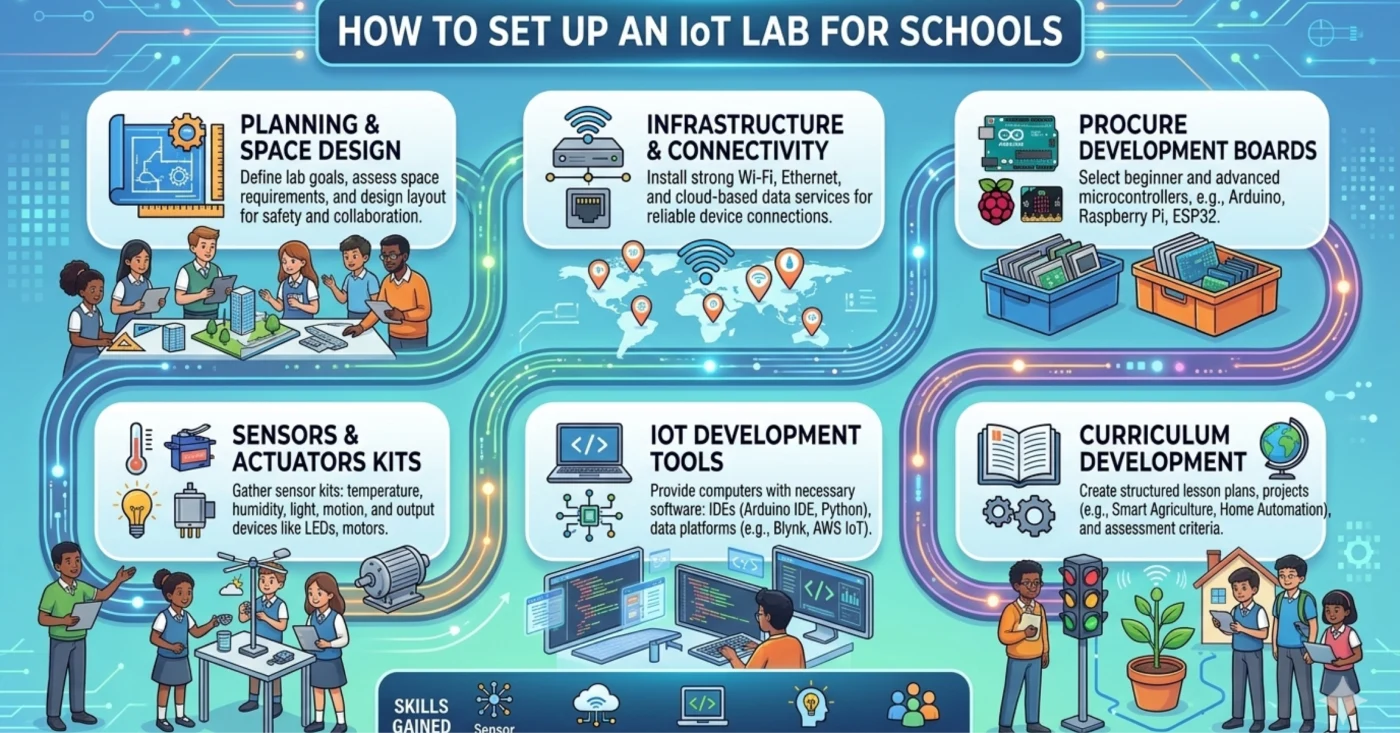
How to Set Up an IoT Lab for Schools
An IoT lab for schools provides a dedicated, hands-on environment where students learn to build and program connected smart devices. Designing this space requires careful planning, robust network infrastructure, and the right mix of hardware and software. This comprehensive guide explains exactly how to establish an Internet of Things lab that prepares students for the future.
Schools must move beyond traditional computer science classes to teach modern, connected technology. A well-planned IoT lab setup for schools gives students the practical tools they need to turn coding concepts into physical, interactive solutions.
Read on to discover actionable steps, essential equipment lists, and budgeting strategies to successfully implement an IoT education lab.
What is an IoT Lab?
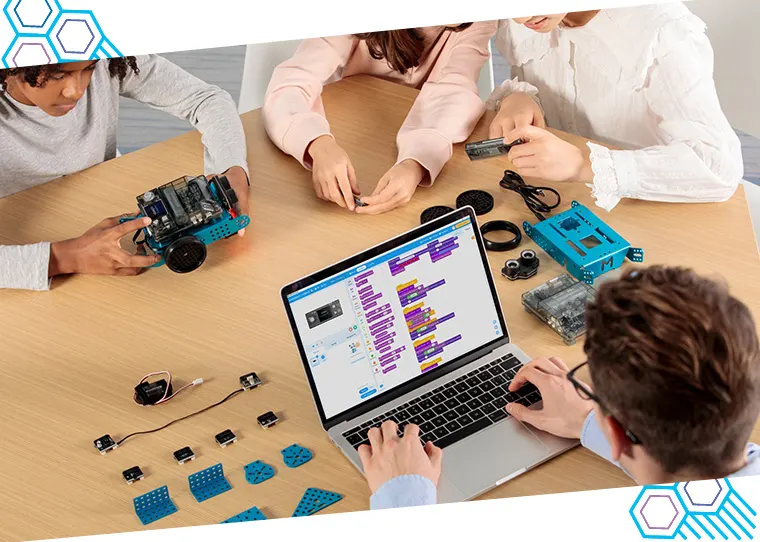
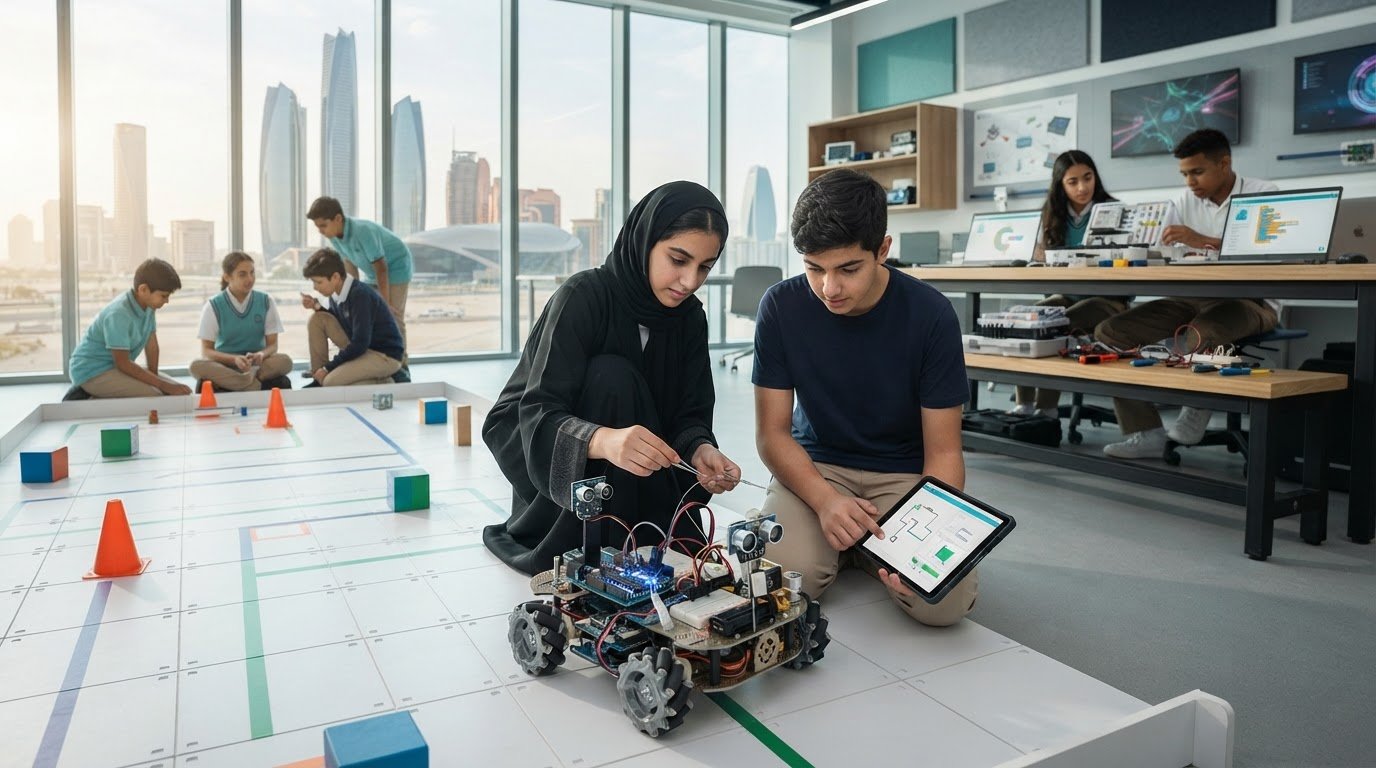
An IoT (Internet of Things) lab is a specialized learning space where students connect physical hardware to digital networks to collect and exchange data. These spaces function as interactive workshops. They replace standard computer desks with active building stations designed for electronics, microcontrollers, and sensor arrays.
Unlike a standard computer lab, an Internet of Things lab for students focuses on physical computing and network communication. Students write code on a computer and immediately see a physical sensor react or transmit data to a cloud dashboard.
Key characteristics of a standard IoT lab include:
- Hardware workstations: Desks equipped with breadboards, wiring, and microcontrollers.
- Network infrastructure: Dedicated, secure Wi-Fi networks specifically designed for testing smart devices.
- Component storage: Organized systems for thousands of tiny sensors, resistors, and actuators.
- Testing zones: Open areas where students can test environmental sensors or smart robotics.
Importance of IoT Education in Schools
Internet of Things education is vital because it teaches students how the smart technology surrounding them actually functions and communicates. As homes, cities, and industries become increasingly connected, understanding IoT becomes a fundamental technical literacy. Schools must introduce these concepts to ensure students remain competitive in the future workforce.
Employers actively seek graduates who understand both hardware engineering and network software. By prioritizing an IoT education lab, administrators create a direct pipeline to high-demand careers in data science, engineering, and cybersecurity.
The primary reasons to prioritize connected technology learning include:
- Demystifying smart devices: Students learn that smart home gadgets are simply sensors connected to logical code.
- Career readiness: Prepares learners for the booming tech sector and advanced engineering roles.
- Bridging disciplines: Combines computer science, physics, math, and network engineering into one subject.
- Fostering innovation: Gives students the absolute freedom to invent custom solutions for real-world problems.
Benefits of an IoT Lab for Students
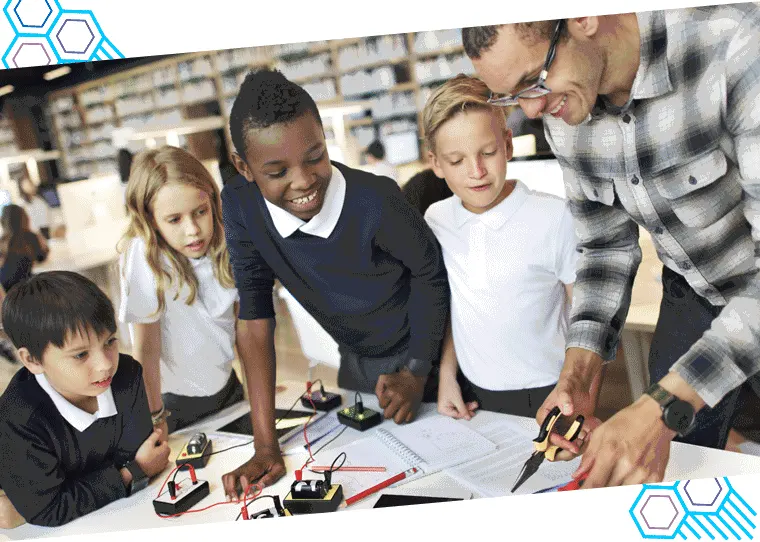
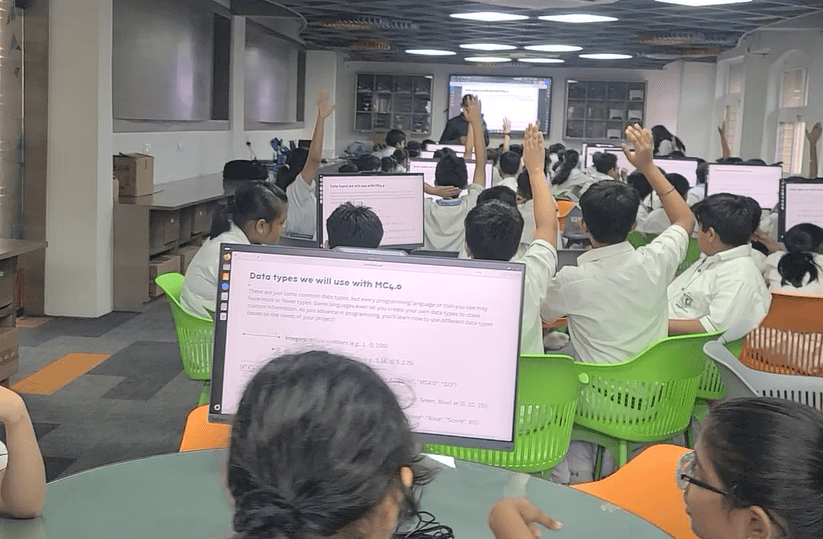
The main benefits of an IoT lab for students include enhanced logical reasoning, improved problem-solving skills, and a deep understanding of data analytics. Building a connected device requires patience, troubleshooting, and collaboration. This hands-on active learning approach dramatically boosts student engagement and academic confidence.
When schools invest in IoT learning for K-12 students, they empower learners to take ownership of their technological environment. Students learn to analyze an issue, wire a hardware solution, and refine their network code until the device functions perfectly.
Top benefits for students include:
- Algorithmic thinking: Learning to program devices to trigger actions based on specific environmental data.
- Data literacy: Understanding how to collect, visualize, and interpret massive datasets from sensors.
- Collaborative teamwork: Delegating complex tasks like hardware wiring, cloud programming, and project management.
- Tangible achievement: Experiencing the massive sense of pride when a physical device successfully connects to the internet.
Key Components of an IoT Lab
A successful Internet of Things lab design for schools requires secure networks, durable workbenches, robust power supplies, and highly organized storage. You cannot simply place microcontrollers in a standard classroom and expect success. The physical and digital infrastructure must explicitly support active hardware building and continuous network testing.
Network security and component organization are the most critical components of your lab design. Learning how to set up an IoT lab relies heavily on preventing lost parts and ensuring students can safely connect devices without compromising the school’s main network.
Essential lab components include:
- Isolated Wi-Fi networks: A separate, secure router specifically for student IoT projects to protect the main school database.
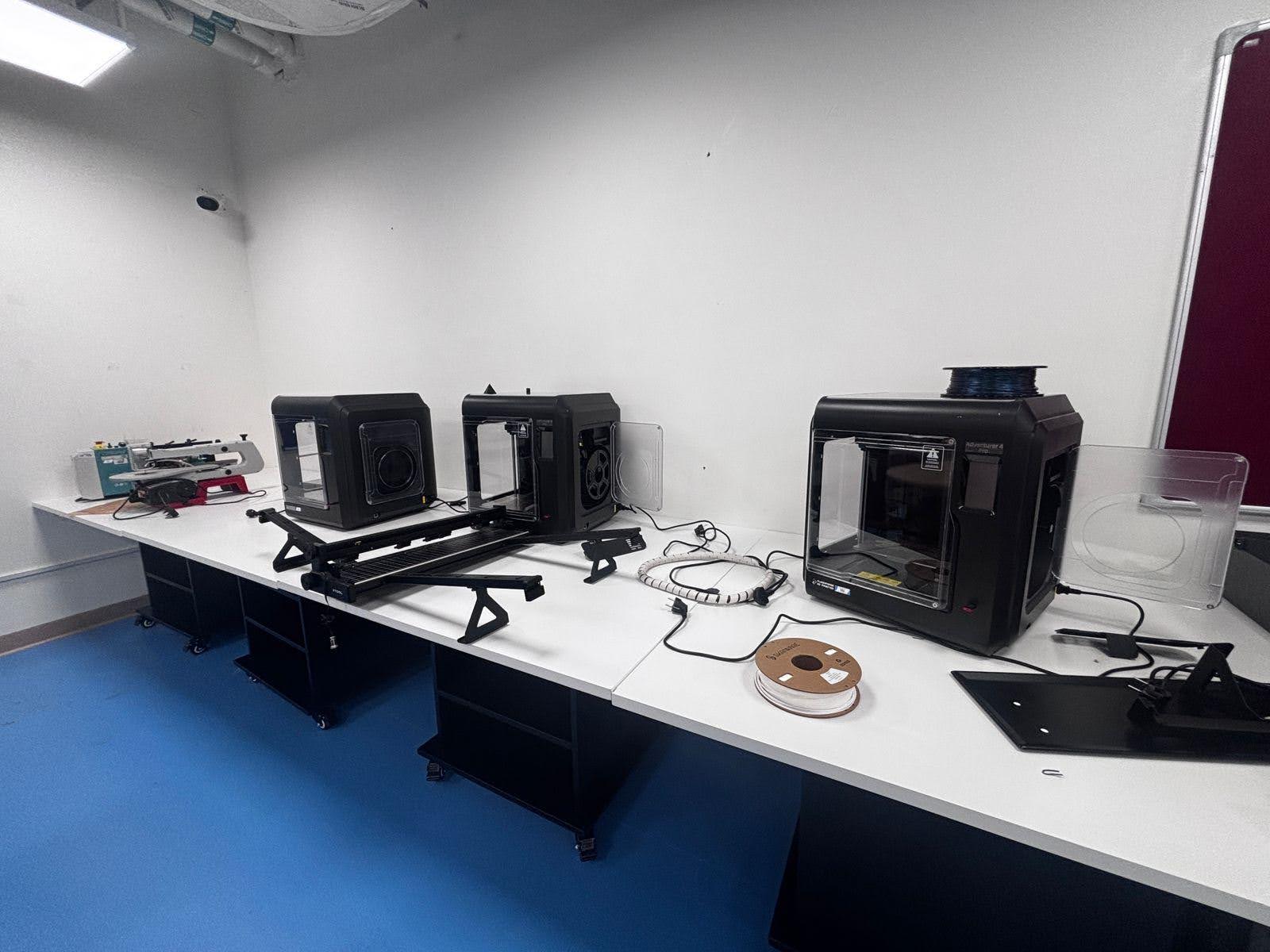
- Assembly workbenches: Sturdy tables equipped with power strips, basic hand tools, and electrostatic discharge (ESD) mats.
- Cloud dashboards: Educational accounts on platforms like ThingSpeak or AWS IoT for data visualization.
- Component organization: Clear, lockable, compartmentalized bins for microcontrollers, jumper wires, and delicate sensors.
Essential Equipment for an IoT Lab
A comprehensive IoT lab equipment list for schools includes microcontrollers, a wide variety of sensors, breadboards, and dedicated programming computers. Selecting the right tools depends entirely on your curriculum goals. High schools require advanced gateway routers and industrial sensors, while middle schools thrive on simple, plug-and-play kits.
When budgeting for your IoT lab setup for schools, prioritize modular hardware that can be reused across hundreds of different projects. Ensure you purchase enough components so that students can work in pairs rather than large, disengaged groups.
Core Microcontrollers and Boards
- Arduino Uno/Nano: Perfect for beginners learning basic C++ and simple hardware interactions.
- Raspberry Pi: Essential for acting as a local server and running advanced Python scripts.
- ESP8266/ESP32: Highly affordable, Wi-Fi-enabled microcontrollers ideal for wireless student projects.
- Micro:bit: Excellent for younger students learning block-based coding and basic IoT principles.
Sensors, Actuators, and Tools
- Environmental sensors: Temperature, humidity, light, and ultrasonic distance sensors.
- Actuators and outputs: Servo motors, LED matrices, relays, and LCD display screens.
- Prototyping gear: Solderless breadboards, hundreds of jumper wires, and varied resistors.
- Measurement tools: Digital multimeters to test voltage and ensure circuits are wired correctly safely.
Step-by-Step Guide to Setting Up an IoT Lab
Learning how to set up an IoT lab for schools requires a phased approach involving IT coordination, spatial planning, smart procurement, and teacher training. Rushing to buy hardware before securing a dedicated Wi-Fi network often leads to stalled projects. A highly structured timeline ensures a smooth, secure, and effective launch.
Knowing the precise steps to build a STEM IoT labs in schools means securing administrative and IT support from day one. Follow these sequential phases to ensure your facility functions flawlessly and integrates into the existing curriculum.
Step 1: IT Coordination and Planning
- Secure the network: Work with network administrators to create an isolated, firewalled Wi-Fi network for IoT devices.
- Define the curriculum: Determine exactly which grade levels will use the lab and what programming languages they will learn.
- Establish a budget: Secure initial funding for hardware, software licenses, and secure storage solutions.
Step 2: Spatial Design and Procurement
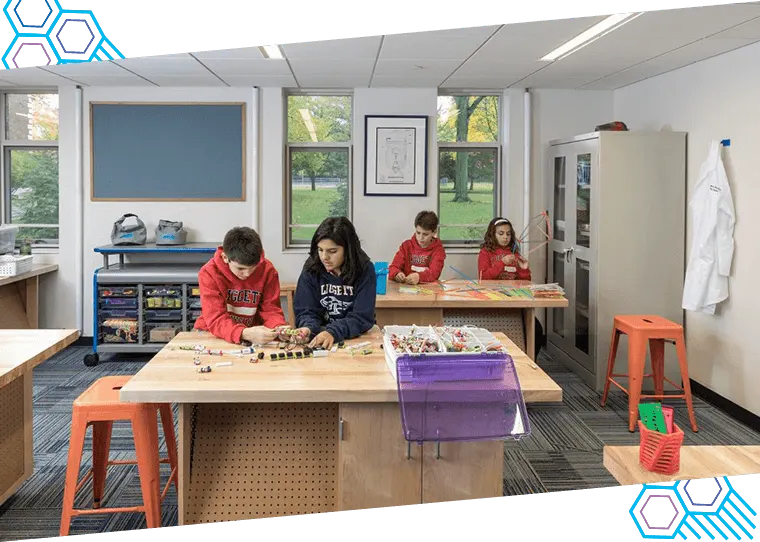
- Design the layout: Map out distinct zones for hardware assembly, computer programming, and device testing.
- Order the equipment: Purchase the microcontrollers, sensor kits, and high-quality storage bins.
- Upgrade infrastructure: Install sufficient electrical outlets at every desk and ensure strong Wi-Fi coverage across the room.
Step 3: Installation and Teacher Training
- Organize the inventory: Assemble furniture and meticulously sort all electronic components into labeled bins.
- Train the educators: Provide comprehensive professional development so teachers understand hardware wiring and cloud integration.
- Launch a pilot program: Run a few introductory classes to test the network stability before a full school rollout.
IoT Projects and Activities for Students
Effective IoT projects for school students involve challenging learners to build smart devices that solve specific, real-world environmental or logistical problems. The best curriculum avoids copying standard textbook code in favor of open-ended engineering design challenges. Students must imagine, wire, and program their own unique connected solutions.
Engaging hands-on IoT projects force students to test their devices physically and adjust their cloud dashboards based on live data. When a soil moisture sensor fails to trigger a water pump, students must debug both their physical wiring and their software logic.
Highly effective IoT projects include:
- Smart weather stations: Building outdoor sensors that push live temperature and humidity data to a classroom website.
- Automated plant care: Programming a water pump to turn on automatically when a sensor detects dry soil in a school garden.
- Smart security systems: Wiring motion sensors and cameras to send email alerts when movement is detected in the lab.
- Energy monitoring: Tracking the electrical consumption of classroom appliances and displaying the data on a cloud dashboard.
Cost and Budget Planning for IoT Labs
The IoT lab setup cost for schools typically ranges from $5,000 for a basic middle school setup to over $30,000 for an advanced high school engineering lab. Accurate budgeting requires looking far beyond the initial purchase of Arduino boards. Schools must actively account for premium cloud software subscriptions, spare electronic parts, and secure storage furniture.
Funding is frequently the largest barrier to creating STEM IoT labs in schools. Administrators should actively pursue technology grants, local corporate engineering sponsorships, and parent-teacher association funding.
Typical budget breakdowns include:
- Hardware and Microcontrollers: 40% (Arduino kits, Raspberry Pis, sensors, and actuators).
- Infrastructure and Furniture: 25% (Secure storage, dedicated Wi-Fi routers, and ESD-safe workbenches).
- Software and Cloud Services: 20% (Educational licenses for IoT cloud platforms and data visualization tools).
- Consumables and Spares: 15% (Replacement jumper wires, broken sensors, and batteries).
Challenges in Setting Up an IoT Lab
The most common challenges in creating an IoT lab include managing network security protocols, keeping tiny electronic parts organized, and ensuring teachers feel confident. Identifying these specific hurdles during the planning phase allows schools to create effective management strategies. Ignoring these logistical factors leads to broken components and disconnected devices.
Many educators feel highly intimidated by teaching network engineering and hardware wiring simultaneously. Providing continuous, hands-on teacher training is the absolute best way to overcome instructional hesitation.
Key challenges and practical solutions:
- Network restrictions: School IT firewalls often block IoT devices; creating a separate, dedicated IoT VLAN solves this issue safely.
- Inventory management: Implement strict clean-up routines and assign students responsibility for their specific hardware kit’s inventory.
- Curriculum integration: Give teachers dedicated planning time to map an IoT lab curriculum for students directly to state science standards.
- Hardware breakage: Treat burned-out LEDs and short-circuited boards as expected learning expenses and keep a deep stock of spare parts.
Future of IoT Education in Schools
The future of IoT education involves integrating artificial intelligence, edge computing, and advanced cybersecurity into student projects. As industrial smart devices evolve, educational platforms are rapidly mirroring these major advancements. Basic temperature sensors are giving way to intelligent devices that analyze data locally before sending it to the cloud.
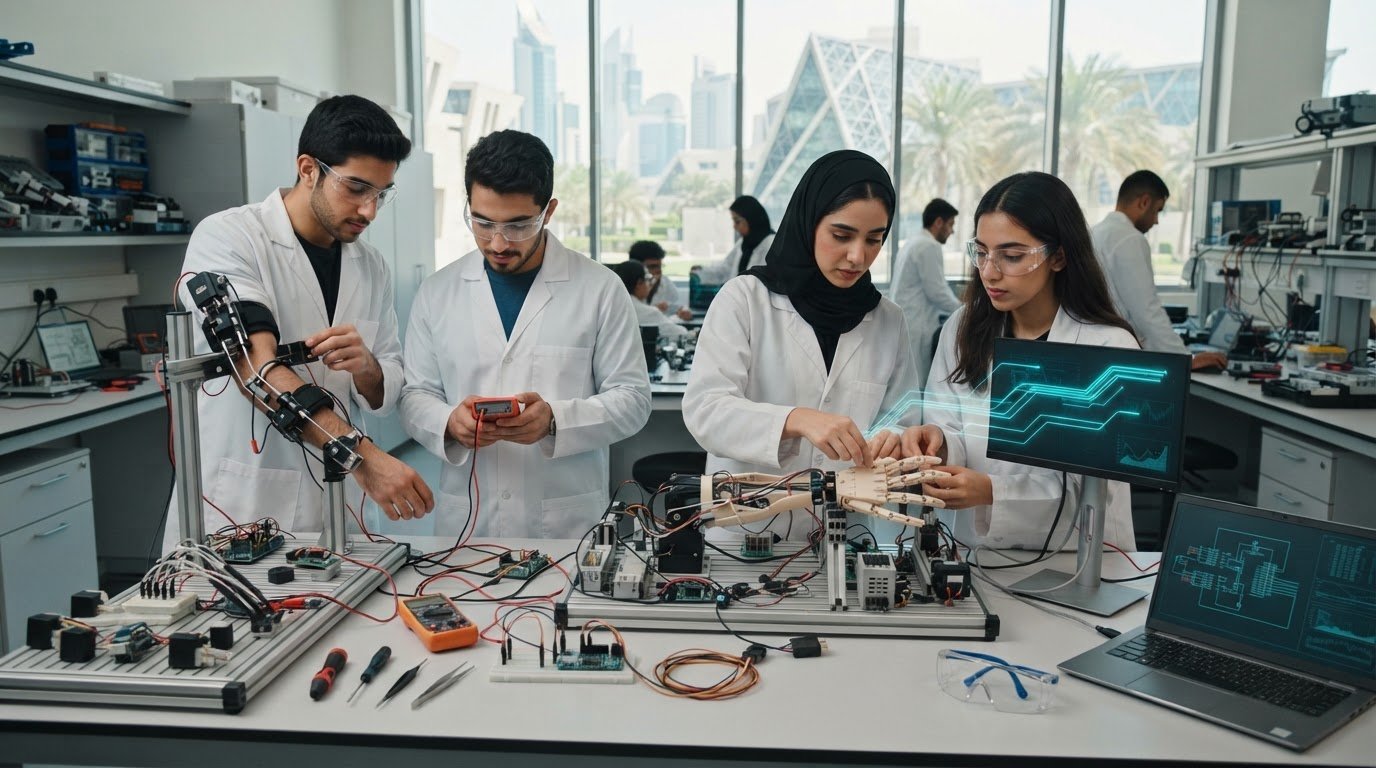
Looking forward, a standard Internet of Things lab for students will act as a miniature smart city command center. Students will use machine learning algorithms to teach their edge devices how to recognize patterns and make autonomous decisions.
Future trends to watch:
- AI and Machine Learning (AIoT): Students will train microcontrollers with tiny machine learning models to recognize voice commands or visual gestures.
- Edge computing: Teaching devices to process data locally to save bandwidth rather than sending all raw data to a cloud server.
- IoT cybersecurity: Incorporating ethical hacking lessons where students learn to encrypt their device communications against attacks.
- 5G integration: Moving away from standard Wi-Fi toward cellular IoT protocols like NB-IoT for long-range environmental projects.
Conclusion
Implementing a comprehensive IoT lab setup for schools is a transformative investment that thoroughly prepares students for the future of connected technology. By providing dedicated space and professional-grade hardware, educators turn abstract coding concepts into tangible engineering skills. This experiential learning framework builds the analytical thinkers and innovators the modern economy demands.
A successful rollout requires careful IT planning, robust hardware organization, and dedicated teacher training. When schools fully commit to a high-quality IoT education lab, they empower learners to take absolute ownership of their technological environment. Start planning your school’s Internet of Things lab today to give your students the ultimate competitive advantage.
Build the Ultimate IoT Lab with Ednex
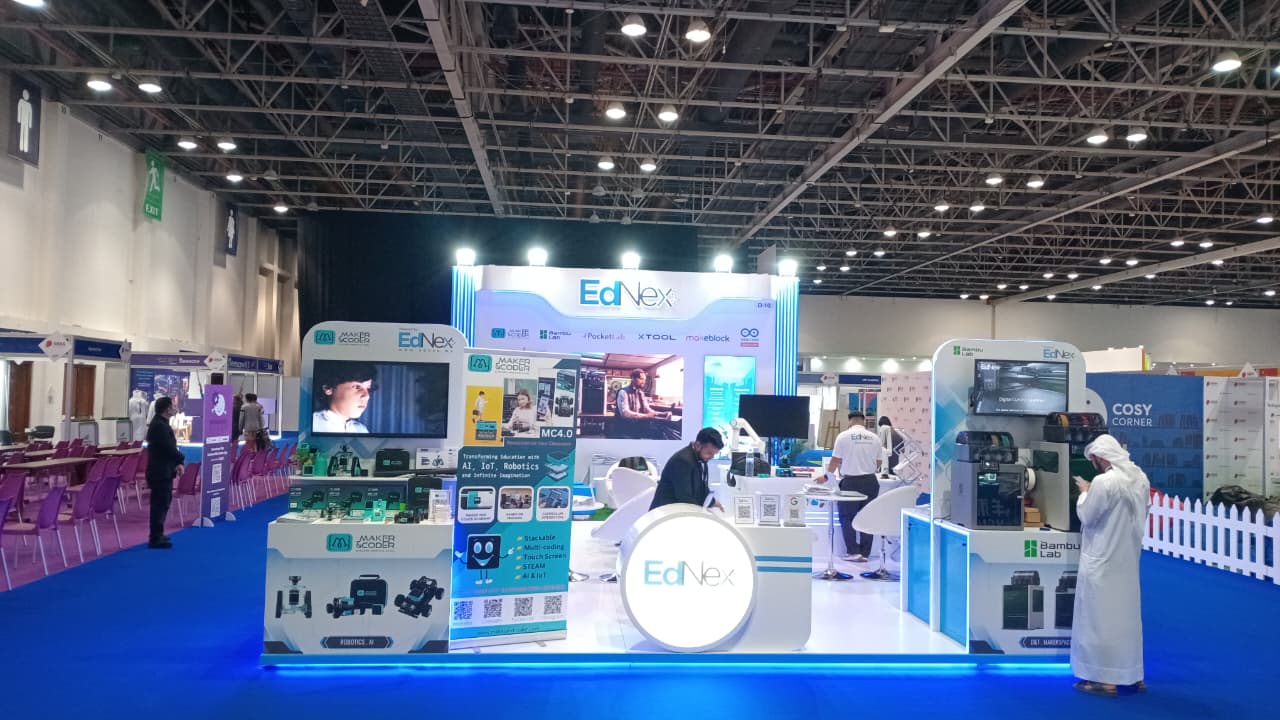
Are you ready to bring cutting-edge connected technology and engineering education to your students? Ednex specializes in designing, equipping, and launching state-of-the-art IoT labs for educational institutions across the GCC region, including the UAE, Saudi Arabia, and Qatar.
We provide complete, end-to-end solutions from secure network planning and premium hardware procurement to comprehensive faculty training and curriculum integration. Partner with Ednex today to build an inspiring smart technology hub on your campus to contact our GCC team for a free consultation!
Frequently Asked Questions (FAQ)
What is the best age to introduce an IoT lab for students?
Students can begin learning basic IoT concepts as early as middle school (ages 11-14). Early IoT education focuses on block-based coding and simple plug-and-play sensors, while high school labs transition to text-based programming and complex circuit wiring.
How much does an IoT lab setup cost for schools?
A functional IoT lab can be started for as little as $5,000, though comprehensive high school labs often cost between $15,000 and $30,000. The final cost depends heavily on existing IT infrastructure, the number of student workstations, and the quality of the storage furniture.
Do schools need a separate internet network for an IoT lab?
Yes, schools must set up an isolated network specifically for IoT devices. Smart devices often lack enterprise-grade security protocols, so placing them on a separate Virtual Local Area Network (VLAN) protects the school’s main database from potential vulnerabilities.
What are the best IoT projects for school students?
The best projects solve real-world problems, such as smart weather stations, automated plant watering systems, or classroom energy monitors. These hands-on IoT projects teach students how to collect, visualize, and act upon live environmental data.
Author Bio:
Ednex is a premier educational technology and curriculum solutions provider dedicated to transforming K-12 learning environments. By empowering institutions with world-class IoT labs, innovative STEM programs, and expert faculty training, Ednex prepares students across the globe to lead the future of engineering, automation, and connected smart technologies.
Related Posts ...


Comments are disabled