



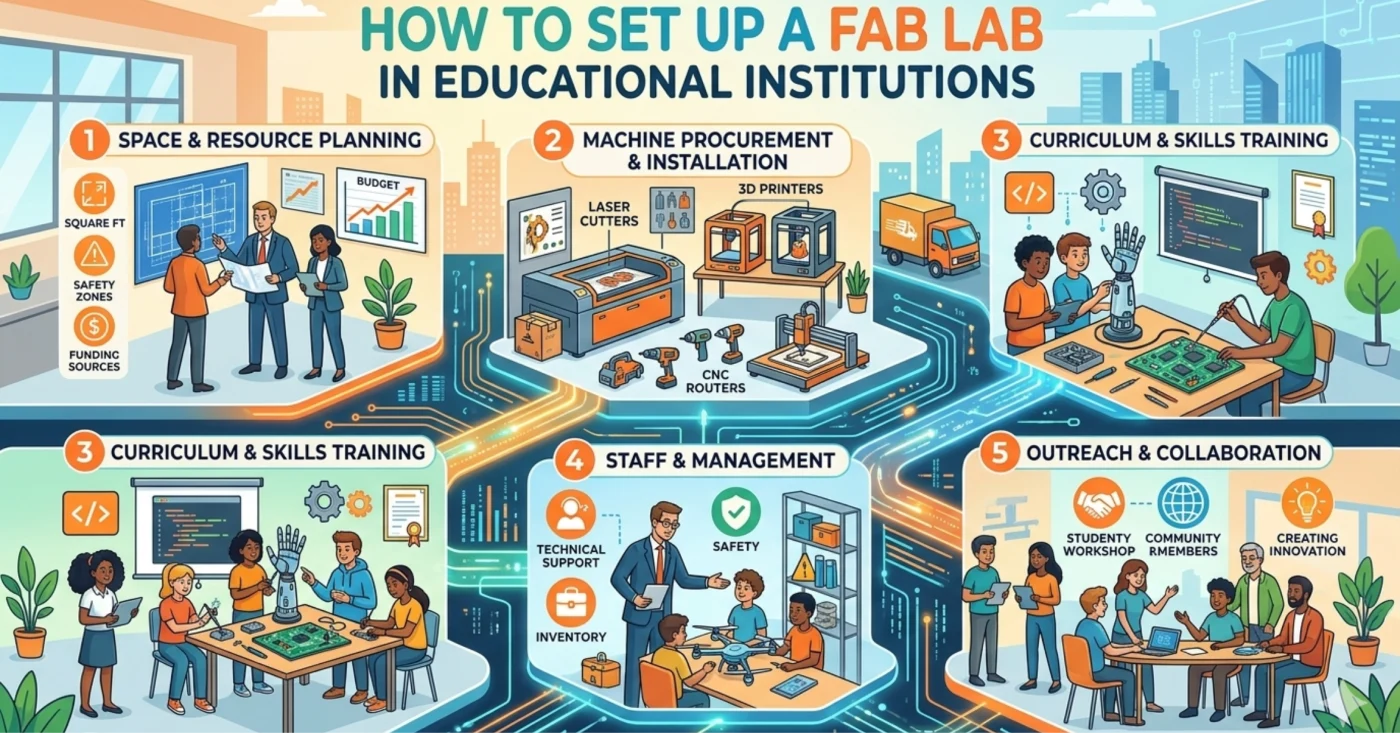
How to Set Up a Fab Lab in Educational Institutions
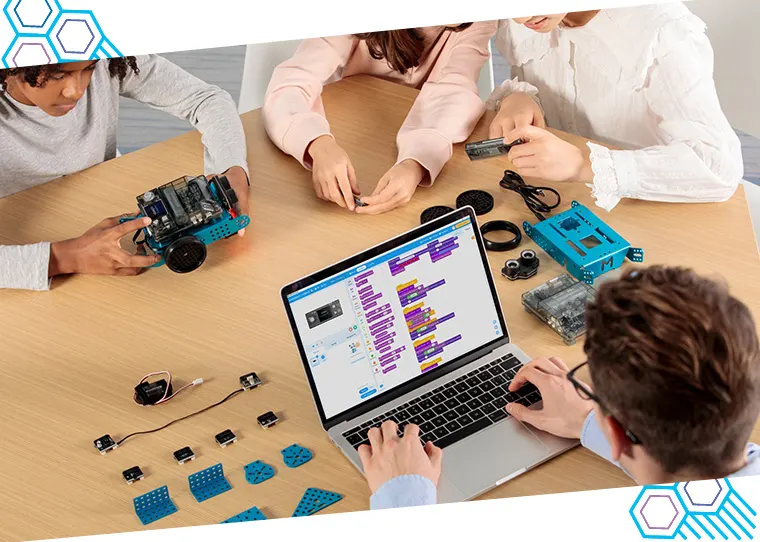
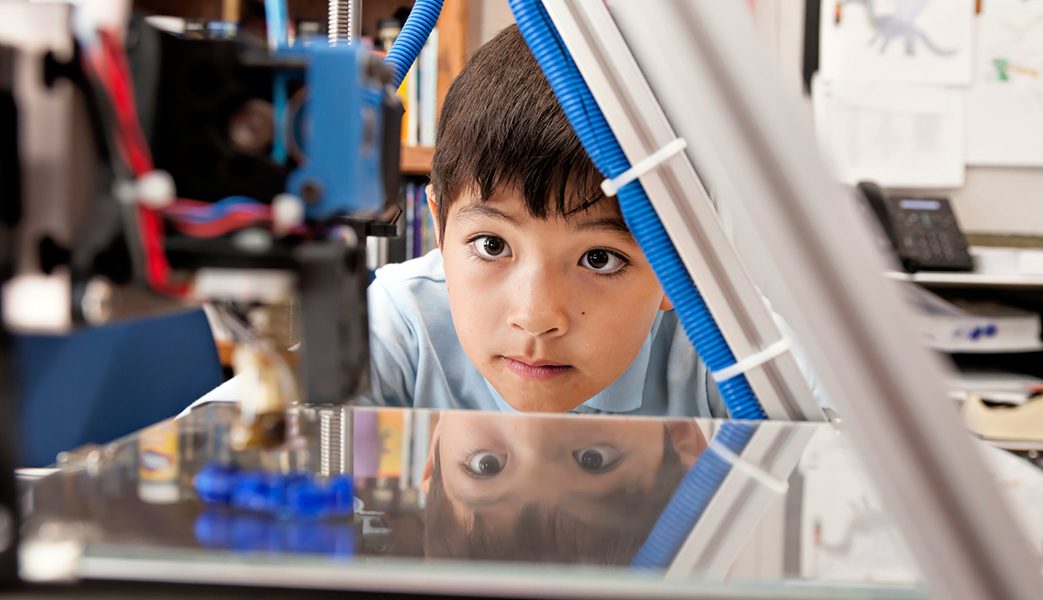
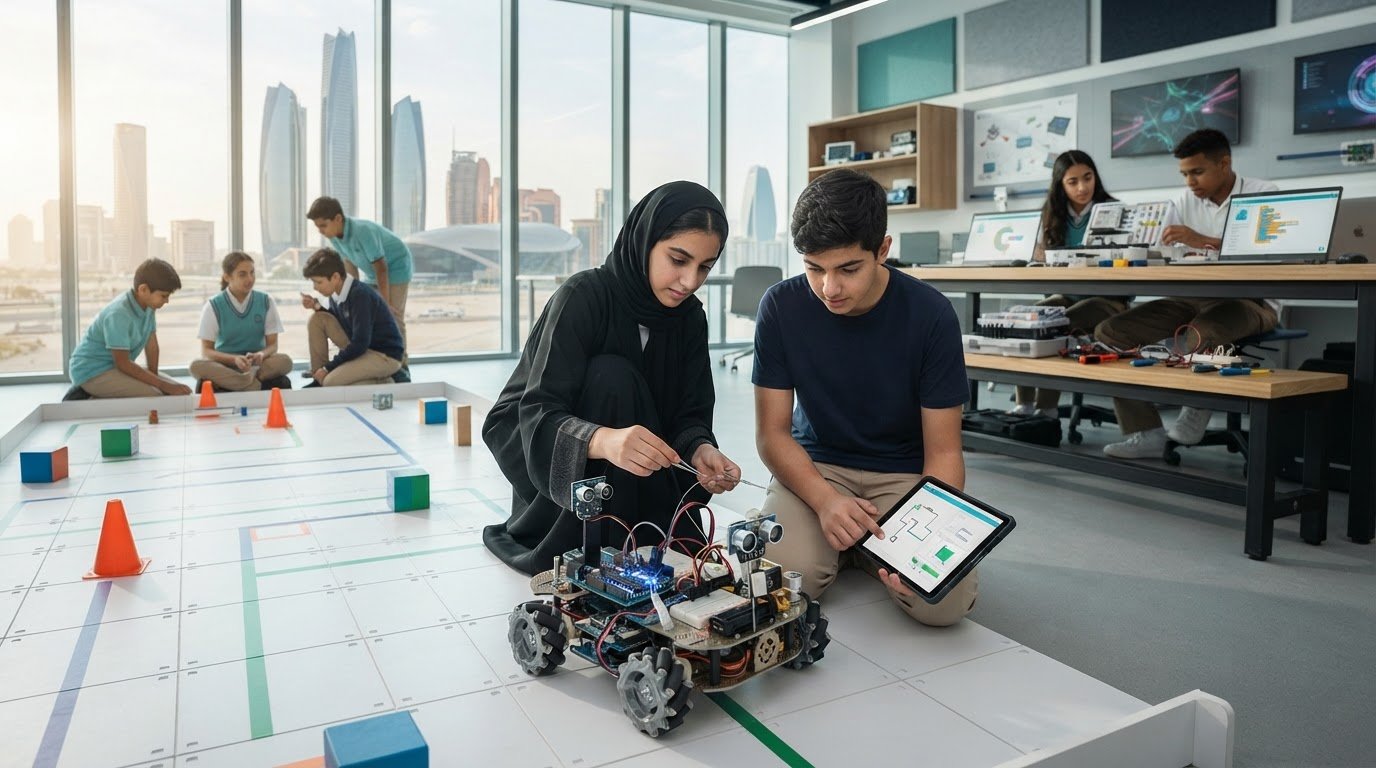
A Fab Lab in educational institutions provides a dedicated space for students to design, prototype, and manufacture their ideas. By giving learners access to digital fabrication tools, schools transform traditional learning into hands-on innovation. This guide explains exactly how to plan, fund, and build a successful fabrication laboratory for your campus.
Schools and universities need structured environments to teach modern engineering and design skills. A successful digital fabrication lab setup requires careful spatial planning, specialized machinery, and comprehensive teacher training. Without these core elements, schools will struggle to maximize the value of their investment.
Read on to discover actionable steps, essential equipment lists, and budgeting advice for creating a cutting-edge Fab Lab for schools and colleges.
What is a Fab Lab?
A Fab Lab (fabrication laboratory) is a small-scale workshop equipped with flexible computer-controlled tools that cover a wide range of materials. The core purpose of this space is to allow anyone to make “almost anything” through digital design and physical manufacturing. It bridges the gap between digital software and physical reality.
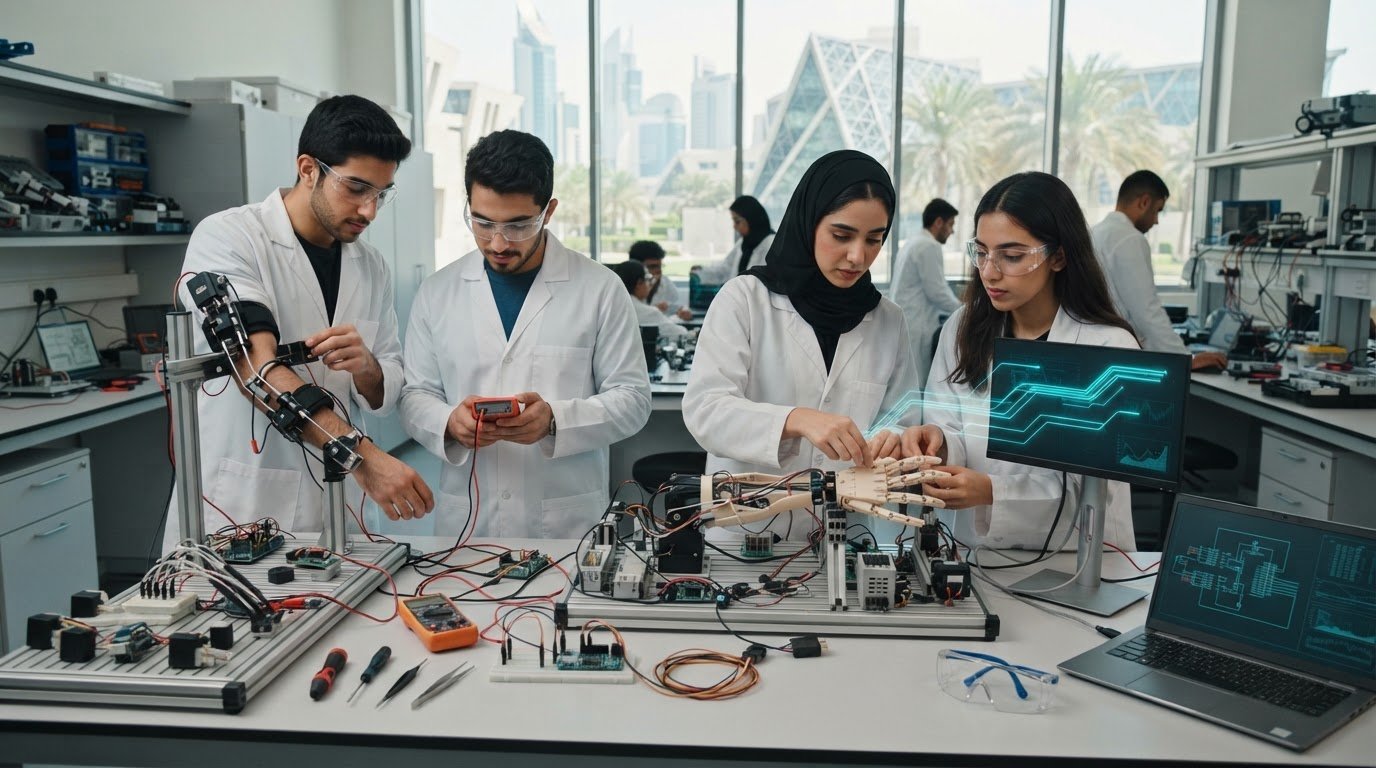
The concept originated at MIT and has since become a global movement for democratic manufacturing. A standard digital fabrication lab for students includes 3D printers, laser cutters, CNC routers, and electronic workstations. These tools allow learners to rapidly prototype solutions to complex problems.
Key characteristics of a standard Fab Lab include:
- Digital-to-physical workflows: Students design on computers and machine the parts physically.
- Open-source sharing: A culture of sharing designs and collaborating with a global network.
- Prototyping capabilities: Tools that allow for rapid iteration and testing of new ideas.
- Community access: Spaces designed to invite cross-disciplinary collaboration among students.
Importance of Fab Labs in Education
The primary importance of Fab Labs in education lies in teaching students essential future-ready skills like problem-solving, digital literacy, and engineering. As automation and digital manufacturing reshape industries, understanding these tools becomes a critical requirement. Educational institutions must equip students with hands-on experience before they enter the workforce.
Employers actively seek graduates who can think critically and iterate on complex designs. By introducing a Fab Lab setup for schools, educators bridge the massive gap between theoretical textbook knowledge and practical application. Students learn to fail safely, adjust their designs, and try again.
Reasons to prioritize digital fabrication in schools:
- Career readiness: Prepares students for high-demand jobs in engineering, design, and tech.
- Practical application: Turns abstract math and physics concepts into tangible creations.
- Encourages resilience: Teaches students that failure is just a necessary step in the design process.
- Fosters creativity: Gives students the absolute freedom to invent and build custom solutions.
Benefits of Fab Labs for Students and Institutions
The main benefits of Fab Labs in education include higher student engagement, enhanced critical thinking, and a stronger institutional reputation. When students physically interact with advanced machinery, their motivation to learn skyrockets. This hands-on approach reaches visual and kinesthetic learners who often struggle in traditional classrooms.
Institutions that host these spaces instantly position themselves as forward-thinking leaders. A well-equipped Fab Lab design for schools and universities attracts top-tier students and valuable industry partnerships. It serves as a flagship facility for campus tours and community outreach.
Top benefits for both students and schools:
- Enhanced collaboration: Students naturally team up to solve complex manufacturing challenges.
- Ownership of learning: Learners take immense pride in conceptualizing and building their own products.
- Increased enrollment: Modern facilities draw prospective students interested in STEM fields.
- Community engagement: Schools can open their labs to local businesses and entrepreneurs.
Key Components of a Fab Lab
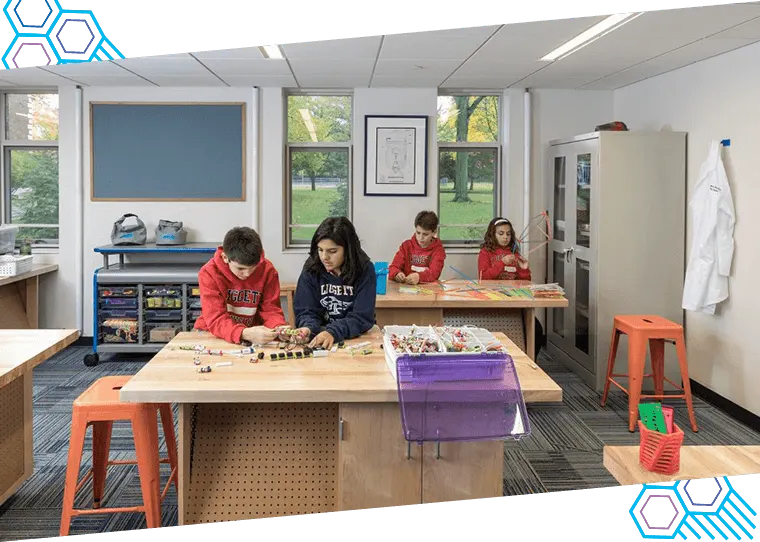
A successful digital fabrication lab setup requires flexible workspaces, robust ventilation, safe power distribution, and secure storage. You cannot simply place heavy machinery in a standard classroom. The infrastructure must explicitly support active building, messy processes, and collaborative design.
Safety remains the absolute most critical component of your lab design. Steps to create a Fab Lab in schools must include installing proper exhaust systems for laser cutters and emergency power shut-offs. Organizing the room effectively prevents accidents and keeps students safe.
Essential spatial components include:
- Clean zones: Computer labs specifically for CAD design, programming, and clean assembly.
- Dirty zones: Areas dedicated to sanding, cutting, and using CNC routers that generate dust.
- Active workstations: Large, heavy-duty tables where students can assemble their prototypes.
- Material storage: Secure, organized racks for storing wood, acrylic, 3D printer filament, and tools.
Essential Equipment for a Fab Lab
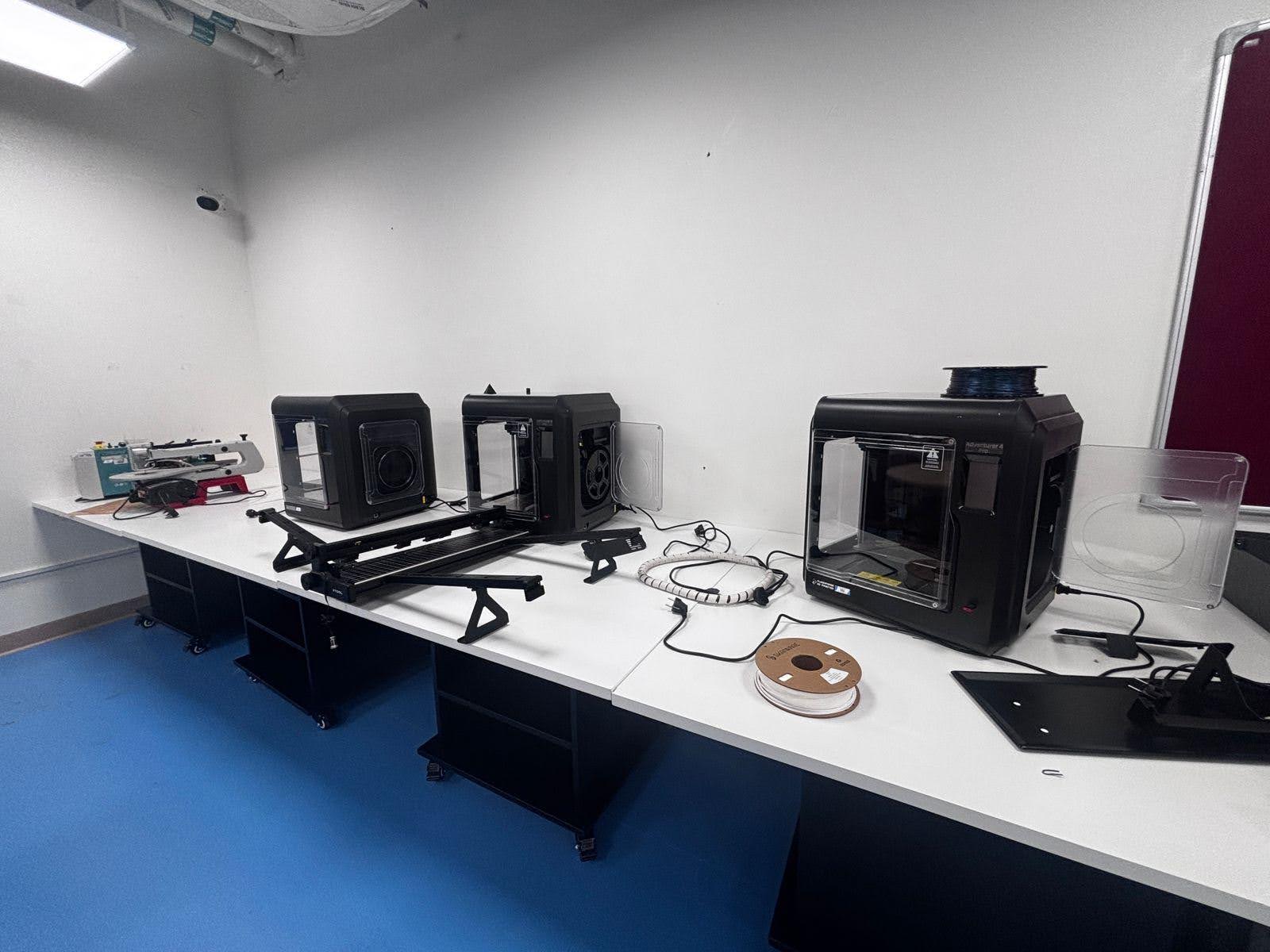
A comprehensive Fab Lab equipment list for schools includes 3D printers, laser cutters, a CNC mill, vinyl cutters, and electronics workbenches. Choosing the right tools depends on your curriculum goals and the age of your students. Universities require industrial-grade machinery, while high schools can utilize prosumer models.
When planning exactly how to set up a Fab Lab, prioritize equipment that is durable, safe, and widely supported by educational communities. Students must have access to tools that allow them to manipulate a wide variety of materials.
Additive and Subtractive Manufacturing
- 3D Printers: FDM and SLA printers for rapid plastic prototyping and complex geometries.
- Laser Cutters: CO2 lasers for precisely cutting and engraving acrylic, wood, and cardboard.
- CNC Routers: Large-format machines for carving solid wood, foam, and soft metals.
- Vinyl Cutters: Machines for creating custom decals, flexible circuits, and signage.
Electronics and Hand Tools
- Soldering Stations: Temperature-controlled irons with fume extractors for building circuits.
- Microcontrollers: Arduino and Raspberry Pi boards for programming interactive projects.
- Testing Equipment: Digital multimeters and oscilloscopes to measure and debug electronics.
- Hand and Power Tools: Drills, saws, sanders, and basic hardware for final project assembly.
Step-by-Step Guide to Setting Up a Fab Lab
Learning how to set up a Fab Lab in educational institutions requires a phased approach involving goal setting, spatial design, procurement, and staff training. Rushing to buy expensive machines without a solid curriculum plan often leads to unused equipment. A structured timeline ensures your lab becomes an integrated part of campus life.
Knowing the exact steps to create a Fab Lab in schools means securing administrative and faculty support early on. Follow these sequential phases to ensure your facility is functional, safe, and highly impactful.
Phase 1: Vision and Planning
- Define objectives: Determine exactly which departments and grade levels will utilize the space.
- Select the space: Identify a room with ground-floor access, high ceilings, and strong ventilation.
- Build a team: Appoint a dedicated lab manager and a committee of interested educators.
Phase 2: Design and Infrastructure
- Draft the layout: Separate the clean computer zones from the dirty machining zones.
- Upgrade utilities: Install specialized electrical outlets, compressed air lines, and high-speed Wi-Fi.
- Ensure safety compliance: Add fire suppression systems, eye-wash stations, and clear exit routes.
Phase 3: Procurement and Launch
- Order equipment: Purchase machines, software licenses, and an initial stock of raw materials.
- Train the staff: Conduct extensive professional development for teachers on machine safety and CAD software.
- Host a soft opening: Run a pilot project with a small group of students before opening to the entire school.
Fab Lab Projects and Learning Activities
Effective digital fabrication projects require students to identify a real-world problem, design a digital solution, and physically manufacture the prototype. The best curriculum moves entirely away from step-by-step instruction manuals. Students should embrace the engineering design process through open-ended challenges.
Engaging learning activities force students to iterate based on physical testing. When students 3D print a gear that does not fit, they must return to their CAD software, adjust the tolerances, and print it again.
Highly effective Fab Lab projects include:
- Assistive devices: Designing and 3D printing custom grips or tools for individuals with disabilities.
- Custom drones: Using laser cutters to build lightweight drone frames and programming the flight controllers.
- Smart agriculture: Building automated, sensor-driven irrigation systems for school gardens.
- Wearable technology: Sewing microcontrollers and LED lights into clothing using conductive thread.
Cost and Budget Planning
The Fab Lab setup cost for educational institutions typically ranges from $50,000 for a basic high school setup to over $250,000 for an advanced university facility. Budgeting accurately requires looking far beyond the initial purchase of 3D printers and laser cutters. Schools must actively account for facility renovations, software, and ongoing material costs.
Funding is often the largest hurdle when discovering how to set up a Fab Lab. Schools should actively pursue federal STEM grants, corporate sponsorships, and alumni donations to fund the project.
Typical budget breakdowns include:
- Machinery and Technology: 50% (Laser cutters, CNC routers, 3D printers, computers).
- Infrastructure Renovations: 25% (Ventilation, electrical upgrades, heavy-duty furniture).
- Staffing and Training: 15% (Hiring a lab manager and conducting teacher professional development).
- Consumables and Maintenance: 10% (Wood, acrylic, filament, replacement parts, and service contracts).
Challenges in Implementing a Fab Lab
The most common challenges in creating a Fab Lab include ongoing maintenance costs, a lack of trained faculty, and integrating the lab into standard curriculums. Identifying these hurdles during the planning phase allows administrators to create highly effective contingency plans. Ignoring these factors will lead to broken machines gathering dust.
Many educators feel deeply intimidated by advanced manufacturing equipment. Providing continuous, high-quality teacher training and hiring a dedicated lab manager are the only ways to overcome this hesitation.
Key challenges and solutions:
- Equipment downtime: Establish clear maintenance schedules and train students to perform basic machine upkeep.
- Curriculum alignment: Give teachers paid planning time to map fabrication projects directly to academic standards.
- Material funding: Charge a small lab fee for personal projects or sell student-made products to fund raw materials.
- Access equity: Create clear scheduling systems to ensure all departments get equal time in the lab.
Future of Digital Fabrication Labs in Education
The future of Fab Labs in education involves integrating artificial intelligence in design, advanced biomaterials, and seamless cloud-based collaboration. As global manufacturing evolves, educational labs must immediately mirror these rapid technological advancements. Static desktop 3D printing will soon evolve into multi-material, AI-optimized manufacturing.
Looking forward, a standard digital fabrication lab setup will function as an advanced research hub. Students will use generative design algorithms to let AI help them build stronger, lighter, and more sustainable physical products.
Future trends to watch:
- Generative design: Using AI software to automatically generate hundreds of design iterations based on specified constraints.
- Bioprinting and green materials: Moving away from plastics toward printing with algae, mycelium, and sustainable composites.
- Augmented reality (AR) assembly: Using AR headsets to guide students through complex machine setups and part assembly.
- Global networking: Collaborating in real-time with Fab Labs across the world to manufacture shared open-source designs.
Conclusion
Setting up a Fab Lab in educational institutions is a transformative investment that thoroughly prepares students for the future of innovation and manufacturing. By providing access to professional-grade equipment, educators turn abstract concepts into tangible engineering skills. This experiential learning framework builds the creators, designers, and problem-solvers the modern economy demands.
A successful rollout requires careful strategic planning, robust safety infrastructure, and dedicated teacher training. When schools fully commit to digital fabrication education, they empower students to take absolute ownership of their learning. Start planning your digital fabrication lab today to give your students the ultimate competitive advantage.
Transform Your Campus with a World-Class Fab Lab
Are you ready to bring cutting-edge digital manufacturing and innovation to your students? Ednex specializes in designing, building, and equipping state-of-the-art Fab Labs for educational institutions across the GCC region, including the UAE, Saudi Arabia, and Qatar.
We provide complete, end-to-end solutions from spatial design and premium machinery procurement to comprehensive faculty training and curriculum alignment. Partner with Ednex today to build an inspiring innovation hub on your campus and contact our GCC team for a free consultation!
Frequently Asked Questions (FAQ)
What is the difference between a Makerspace and a Fab Lab?
A Fab Lab adheres to a specific charter and inventory of digital fabrication tools established by the MIT Center for Bits and Atoms. While a Makerspace can be any room with craft supplies or tools, a Fab Lab strictly requires advanced digital-to-physical manufacturing capabilities.
How much space is needed for a standard Fab Lab?
A fully functional Fab Lab typically requires between 1,500 and 3,000 square feet. You need distinct, separated areas for clean computer design, dusty CNC machining, ventilated laser cutting, and large collaborative assembly tables.
Do we need to hire a dedicated lab manager?
Yes, hiring a dedicated Fab Lab manager is highly recommended for safety and maintenance. This professional maintains the complex machinery, enforces strict safety protocols, and assists teachers who may not be experts in digital fabrication.
Can a Fab Lab be integrated into non-engineering classes?
Absolutely; Fab Labs are inherently interdisciplinary and benefit all academic departments. Art students can use laser cutters for sculpture, history students can 3D print historical artifacts, and biology classes can design custom laboratory sensor housing.
Author Bio:
Ednex is a premier educational technology and curriculum solutions provider dedicated to transforming K-12 and higher education learning environments. By empowering institutions with world-class Fab Labs, innovative STEM programs, and expert faculty training, Ednex prepares students across the globe to lead the future of design, engineering, and digital manufacturing.
Related Posts ...
Comments are disabled