

How to Design a Future-Ready K-12 STEM Curriculum
Designing a future-ready K-12 STEM curriculum requires blending active problem-solving with advanced technology and real-world relevance. Schools must move away from isolated subjects and focus on interdisciplinary learning to prepare students for tomorrow’s careers. This approach turns classrooms into dynamic hubs of innovation and discovery.
Educators face the challenge of keeping pace with rapid technological advancements. A well-structured STEM curriculum for schools ensures that learning remains adaptable, engaging, and aligned with industry demands. When students apply mathematical and scientific principles to tangible projects, they build lasting confidence.
Read on to discover the essential steps, teaching strategies, and frameworks needed to build an impactful STEM education for K-12 students.
Understanding a Future-Ready STEM Curriculum
A future-ready STEM curriculum is an educational framework that teaches students how to adapt to new technologies and solve complex, unforeseen problems. Instead of merely memorizing facts, learners develop a flexible mindset. They practice using the engineering design process to iterate and improve their ideas.
The core goal of designing STEM curriculum is to build resilient, innovative thinkers who can thrive in any environment. Educators focus on teaching the “how” and “why” behind scientific phenomena rather than just the “what.”
Key characteristics of this curriculum include:
- Interdisciplinary focus: Blending science, technology, engineering, and math into single, cohesive lessons.
- Adaptability: Updating content regularly to reflect new industry standards and technological shifts.
- Inquiry-based learning: Encouraging students to ask questions and lead their own research.
- Skill progression: Scaling the complexity of projects logically from kindergarten through high school.
Importance of STEM Education in K–12 Schools
STEM education for K-12 students is vital because it equips learners with the critical thinking and technical skills required by the modern workforce. Almost every growing industry relies heavily on data analysis, automation, and technological literacy. Schools that prioritize STEM give their students a massive competitive advantage.
Providing a comprehensive K-12 STEM curriculum bridges the gap between academic theory and career readiness. Students learn to approach failures as valuable data rather than dead ends, fostering deep academic resilience.
Primary reasons to prioritize STEM education:
- Economic demand: Prepares students for high-paying, rapidly expanding career fields.
- Global citizenship: Helps learners understand and solve global challenges like climate change.
- Soft skill development: Naturally builds teamwork, communication, and leadership abilities.
- Technological fluency: Ensures students control technology rather than simply consuming it.
Key Elements of a Future-Ready STEM Curriculum
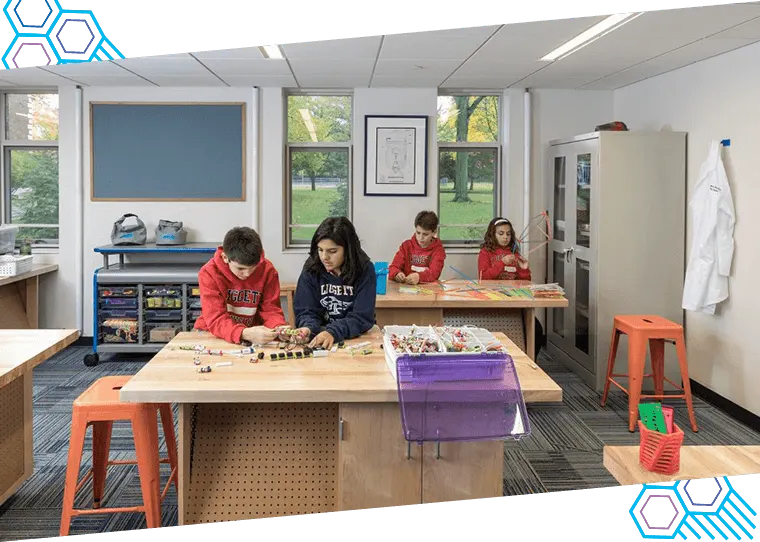
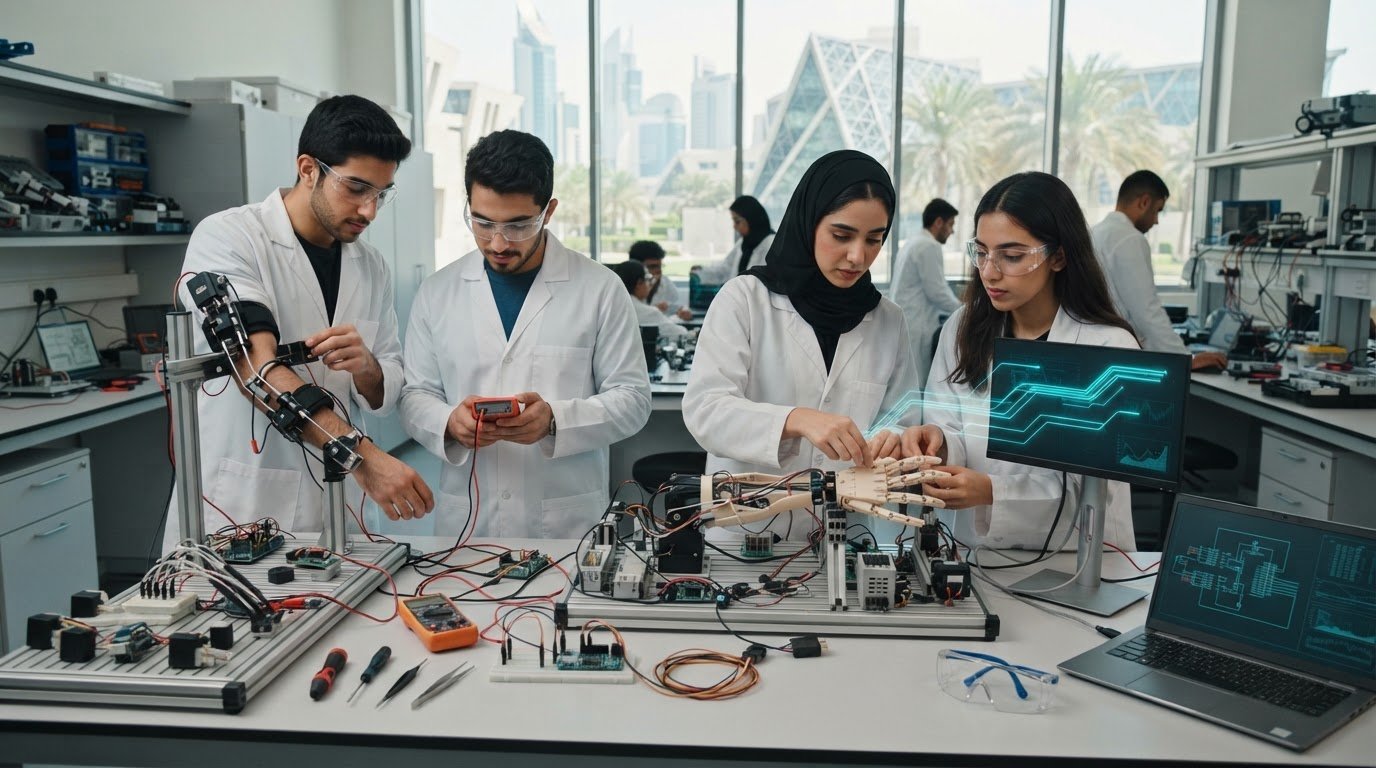
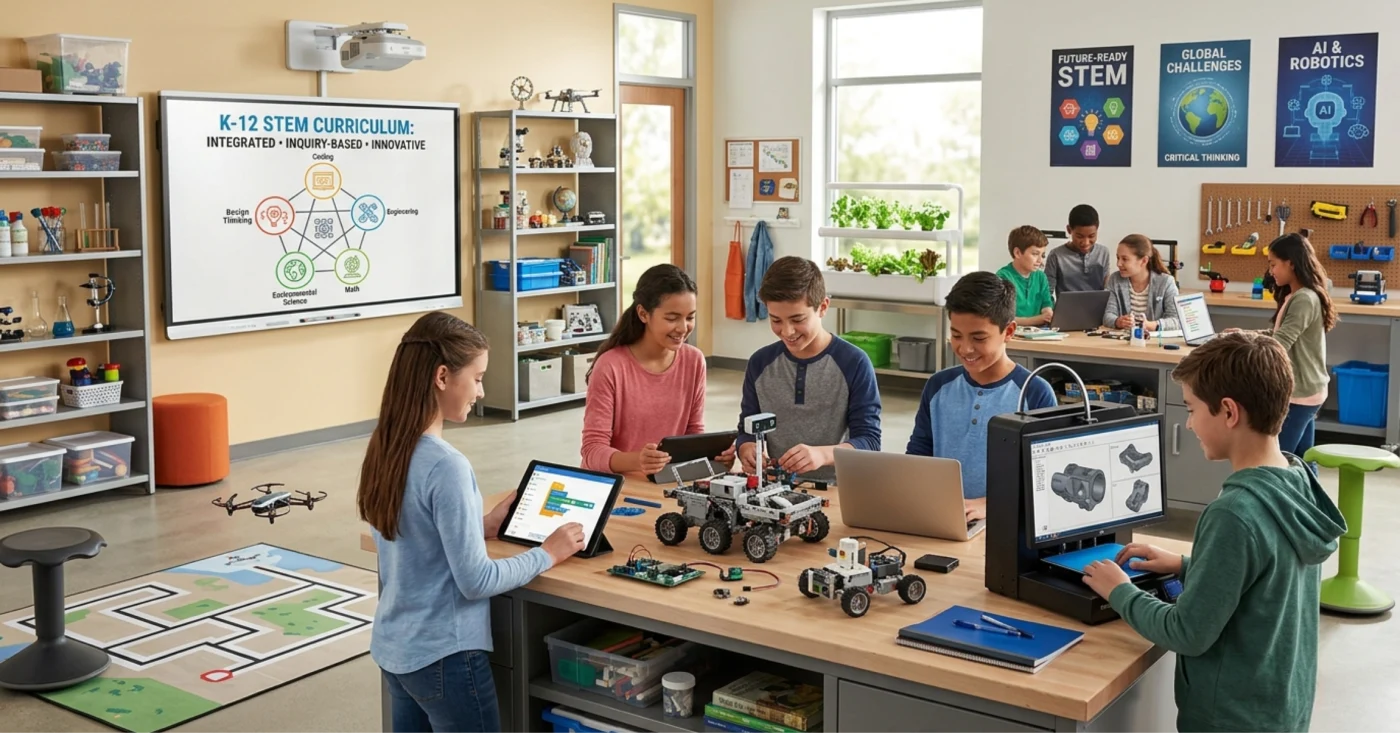
The most essential elements of a future-ready STEM curriculum include flexible learning spaces, hands-on equipment, and cross-curricular lesson plans. You cannot teach modern engineering in a static classroom using only textbooks. The environment and the material must support active, messy, and collaborative building.
When developing a STEM curriculum for schools, administrators must ensure the content is accessible to all students. A truly future-ready program promotes equity by giving every learner hands-on time with advanced tools.
Crucial elements for curriculum design:
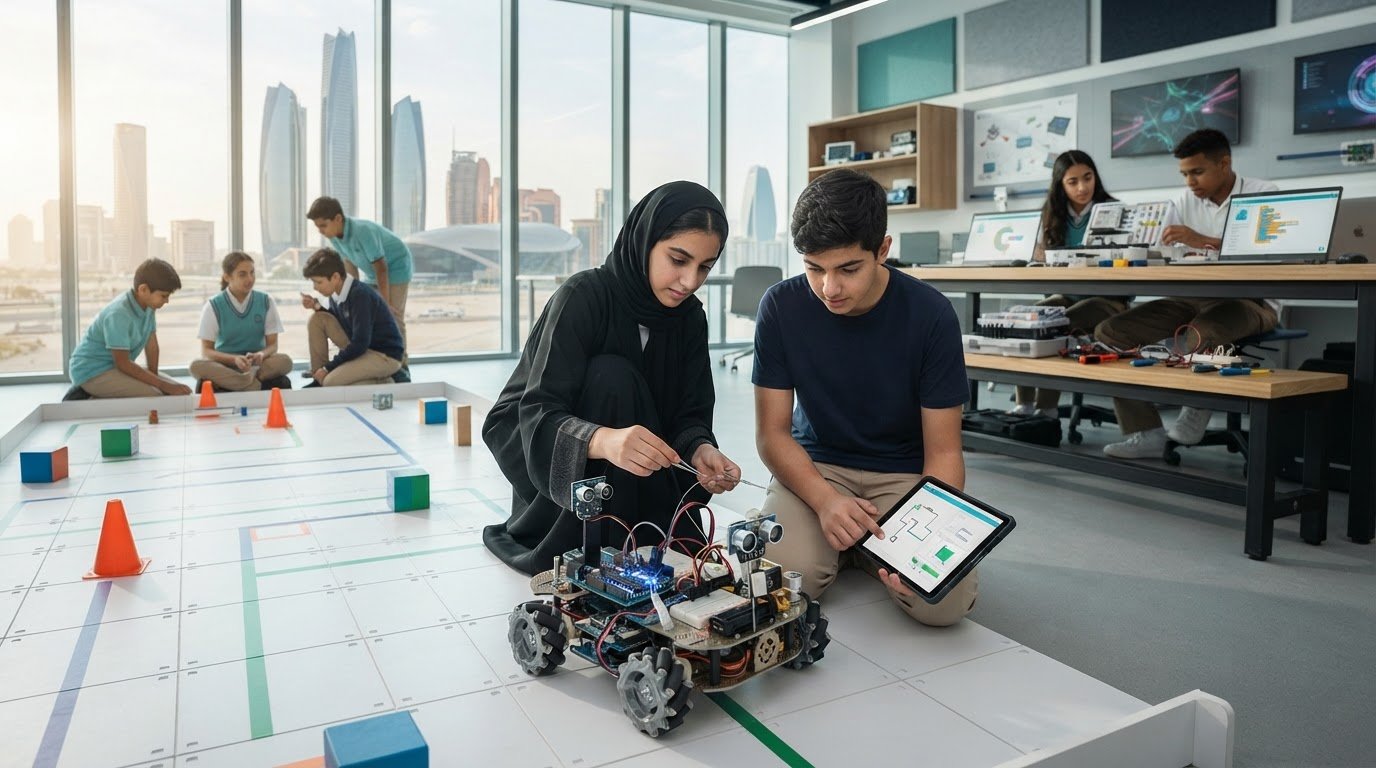
- Collaborative workspaces: Designing classrooms with modular furniture to support group projects.
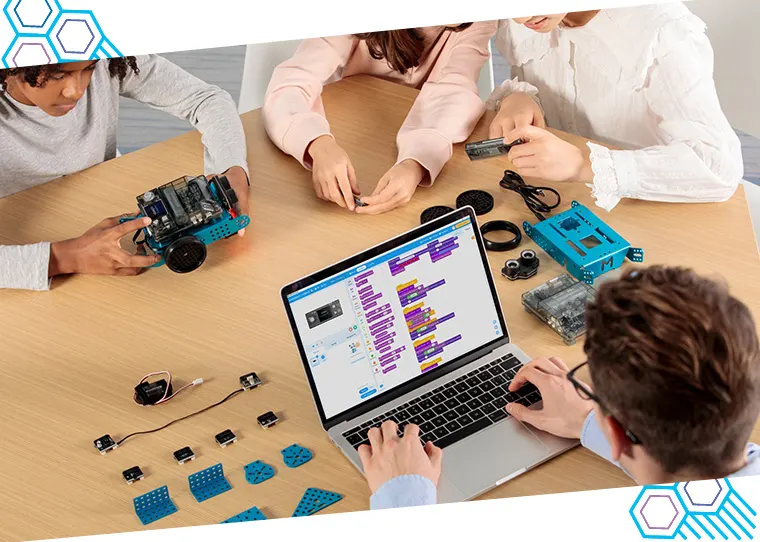
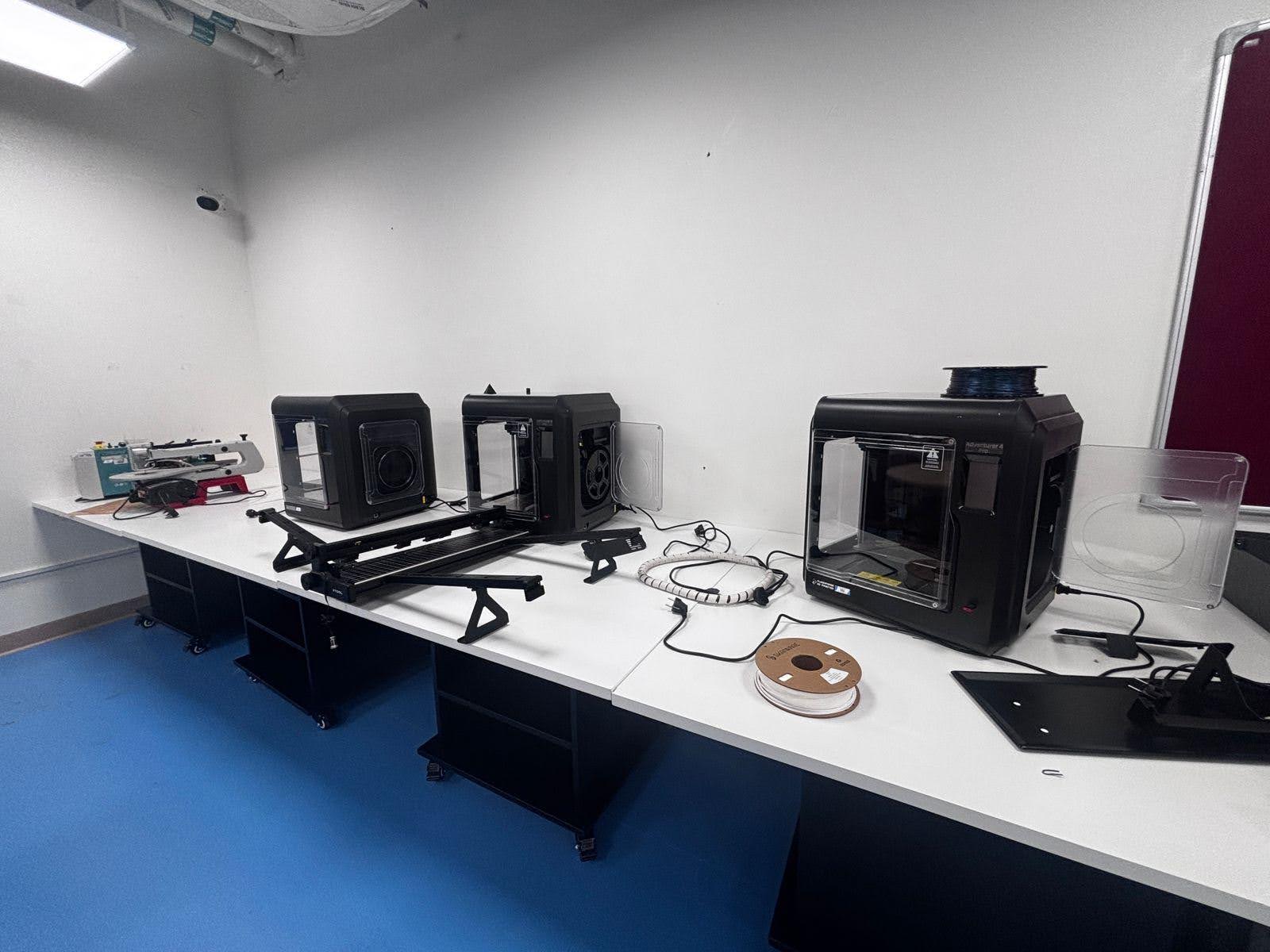
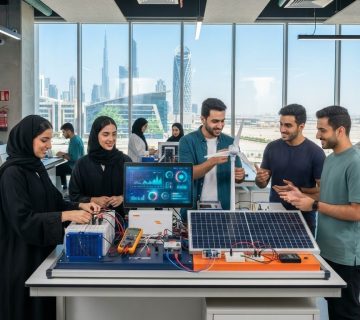
- Modern tools: Providing access to 3D printers, coding software, and robotics kits.
- Open-ended challenges: Creating assignments that have multiple correct solutions to encourage creativity.
- Industry partnerships: Connecting classroom concepts directly to local businesses and professionals.
Integrating Technology and Digital Skills
Integrating technology means teaching students how to use software, coding platforms, and digital manufacturing tools to create original solutions. Digital literacy must go far beyond basic typing or internet research. A strong K-12 STEM curriculum turns students into active creators of digital content.
When designing STEM curriculum, technology should serve as a tool for problem-solving, not just a distraction. Students should learn to write algorithms, analyze data sets, and troubleshoot hardware issues.
Effective ways to integrate technology:
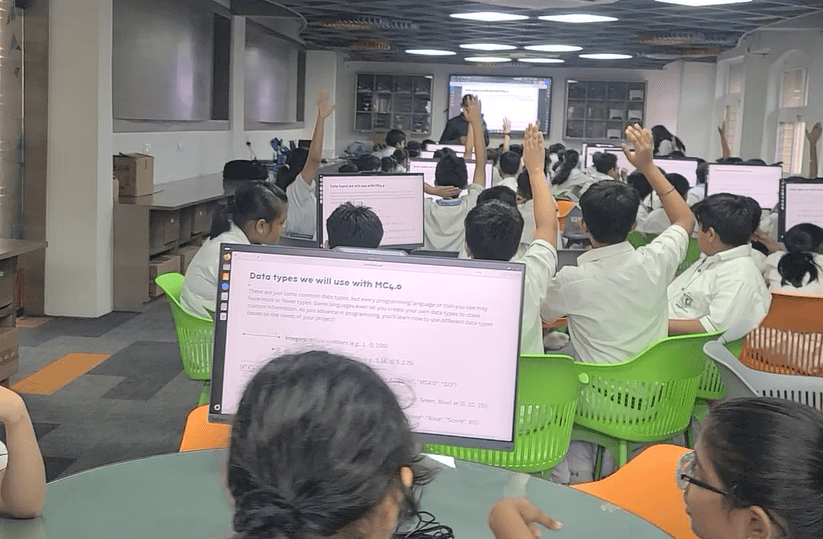
- Computer science: Introducing block-based coding in elementary school and text-based languages in high school.
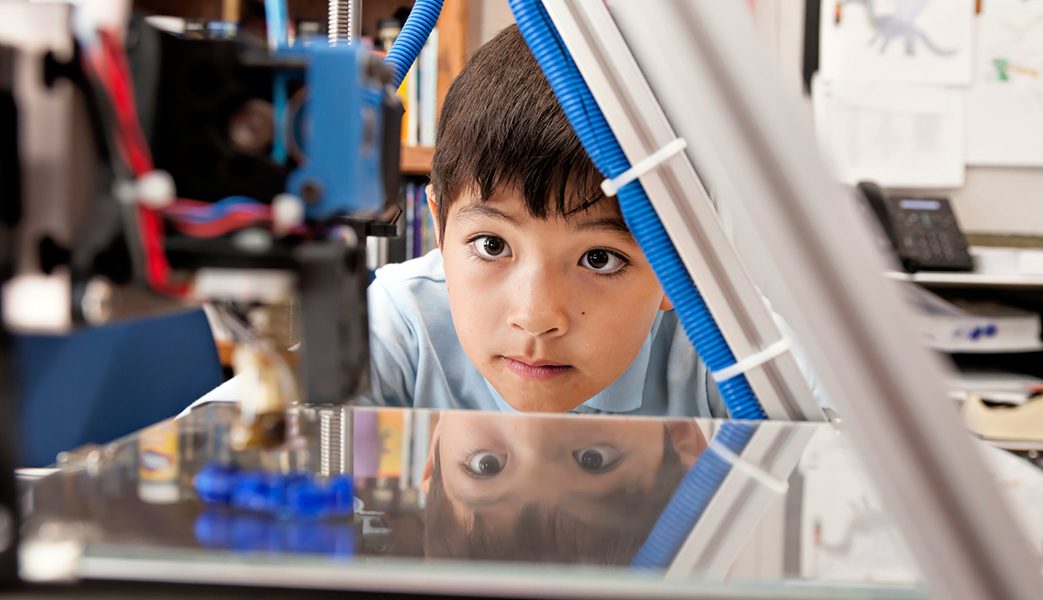
- Digital fabrication: Teaching students how to design objects in CAD software and print them physically.
- Data logging: Using digital sensors to capture real-time data during science experiments.
- Media literacy: Educating students on how to evaluate the credibility of digital information.
Project-Based and Hands-On Learning Approaches
Project-based learning (PBL) forms the backbone of any effective STEM curriculum by forcing students to apply knowledge to tangible challenges. Reading about structural engineering is completely different from physically building a bridge. PBL ensures that concepts stick by attaching them to physical actions.
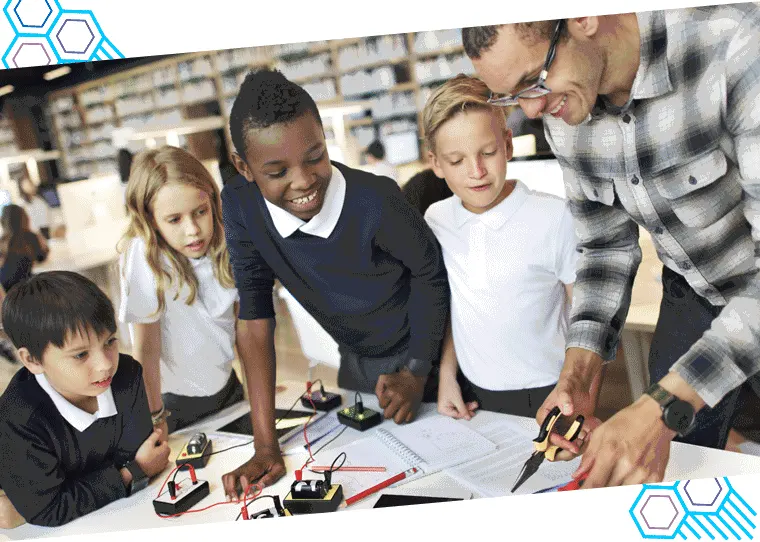
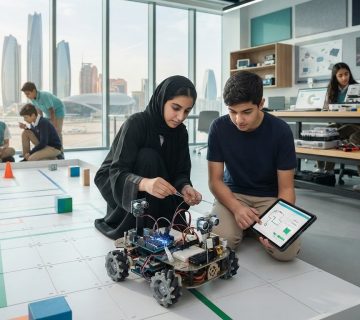
A successful future-ready STEM curriculum requires students to complete long-term projects that mirror professional workflows. When learners collaborate to build a functioning robot, they internalize the math and physics far better than they would through a lecture.
Top hands-on learning strategies:
- Prototyping: Requiring students to build rough models of their ideas using cheap materials like cardboard.
- Iterative testing: Grading students on how they improve their designs after an initial failure.
- Role delegation: Assigning specific jobs (like project manager or lead coder) within student groups.
- Public exhibitions: Having students present their final projects to parents and community members.
Aligning STEM Curriculum with Real-World Applications
Aligning a curriculum with real-world applications means designing projects around actual problems affecting the local or global community. Students disengage when they cannot see the relevance of their schoolwork. Connecting lessons to real issues makes learning deeply meaningful and urgent.
Effective STEM education for K-12 students shows learners that their ideas can have an immediate impact. When a class designs a water filtration system for a local stream, they act as genuine environmental engineers.
Strategies for real-world alignment:
- Community challenges: Asking local businesses to submit problems for students to solve.
- Sustainable engineering: Focusing projects on renewable energy, waste reduction, and smart agriculture.
- Career exploration: Inviting guest speakers from STEM fields to mentor student teams.
- Current events: Using recent scientific discoveries as the basis for classroom experiments.
Teacher Training and Professional Development
You cannot successfully implement a new STEM curriculum without providing extensive, ongoing training for your educators. Many teachers feel intimidated by advanced technology or project-based classroom management. Schools must build teacher confidence before rolling out new equipment to students.
A strong STEM curriculum for schools requires educators to act as facilitators rather than lecturers. Providing paid planning time and hands-on workshops is the only way to ensure teachers can effectively guide inquiry-based learning.
Key components of teacher training:
- Hands-on workshops: Letting teachers experience the STEM projects exactly as their students will.
- Peer mentoring: Pairing tech-savvy educators with those who are new to the curriculum.
- Curriculum mapping: Giving staff time to align new STEM activities with existing state standards.
- Technical support: Ensuring IT staff are available to help troubleshoot hardware and software issues.
Assessing Student Learning and Progress
Assessing a future-ready STEM curriculum requires replacing traditional multiple-choice tests with dynamic performance rubrics and student portfolios. You cannot accurately measure creativity, teamwork, or resilience with a standardized exam. Educators must evaluate the student’s process, not just the final product.
When measuring the success of a K-12 STEM curriculum, teachers should look at how a student handled failure. A broken prototype can still earn a high grade if the student provides a thorough analysis of why it failed and how to fix it.
Best practices for STEM assessment:
- Process journals: Having students document their daily ideas, challenges, and design changes.
- Skills rubrics: Grading specific competencies like collaboration, safety compliance, and coding logic.
- Peer reviews: Requiring students to constructively critique the work of their classmates.
- Self-reflection: Asking learners to write about their own growth and areas for improvement.
Challenges in Designing a STEM Curriculum
The primary challenges in designing STEM curriculum include budget constraints, rigid school schedules, and a lack of access to specialized technology. Acknowledging these hurdles early allows administrators to create practical contingency plans. Without a solid strategy, expensive lab equipment can easily end up sitting unused in a closet.
Implementing a future-ready STEM curriculum requires strong leadership to overcome institutional inertia. Schools must be willing to embrace flexible block scheduling and seek outside funding to support these resource-heavy programs.
Common challenges and solutions:
- Limited funding: Applying for federal STEM grants or partnering with corporate sponsors for equipment.
- Scheduling conflicts: Using block scheduling to give students longer, uninterrupted periods for building.
- Equipment maintenance: Training students to perform basic upkeep on 3D printers and robotics kits.
- Curriculum integration: Ensuring STEM projects fulfill mandatory math and science requirements to save time.
Future Trends in K–12 STEM Education
The future of STEM education involves artificial intelligence, immersive virtual reality, and advanced data analytics entering the classroom. As global industries evolve, schools must quickly adopt these new tools to keep their curriculum relevant. Static textbooks are rapidly being replaced by dynamic, interactive digital environments.
Looking ahead, a cutting-edge STEM education for K-12 students will look more like an advanced research laboratory. Learners will use machine learning algorithms to process experimental data and collaborate globally with peers.
Emerging trends to watch:
- AI integration: Teaching students how to train simple machine learning models for robotics.
- Virtual reality labs: Using VR headsets to conduct dangerous or expensive science experiments safely.
- Smart campus networks: Engaging students in setting up IoT (Internet of Things) sensors to monitor school energy use.
- Focus on ethics: Discussing the moral implications of new technologies like genetic engineering and automation.
Conclusion
Designing a future-ready K-12 STEM curriculum is the most powerful way a school can prepare its students for a rapidly changing world. By shifting the focus from rote memorization to active, project-based problem solving, educators build resilient and adaptable thinkers. This curriculum creates a learning environment where failure is just another step toward innovation.
Successfully launching this framework requires strategic planning, deep teacher support, and a commitment to real-world relevance. When schools invest in robust STEM programs, they transition students from passive consumers of technology into active, confident creators. Start evaluating your current academic framework today to build the innovators of tomorrow.
Transform Your School’s Curriculum with Ednex
Are you ready to bring a world-class, future-ready education to your institution? Ednex specializes in designing, implementing, and equipping comprehensive K-12 STEM curriculums for schools across the GCC region, including the UAE, Saudi Arabia, and Qatar.
We provide complete, end-to-end educational solutions from curriculum mapping and premium hardware procurement to immersive teacher training. Partner with Ednex today to build an inspiring innovation hub on your campus contact our GCC team for a free consultation!
Frequently Asked Questions (FAQ)
What is a future-ready K-12 STEM curriculum?
It is an educational framework that integrates science, technology, engineering, and math to teach active problem-solving. Instead of teaching these subjects in isolation, a future-ready curriculum uses project-based learning to prepare students for modern, technology-driven careers.
How do you start designing STEM curriculum for elementary students?
Start with simple, play-based integration and hands-on building. Introduce block-based coding apps, basic craft materials for structural engineering challenges, and focus heavily on building curiosity and teamwork.
Why is project-based learning essential for STEM education?
Project-based learning forces students to apply theoretical math and science to physical, real-world problems. This hands-on approach drastically improves knowledge retention, keeps students highly engaged, and builds crucial resilience.
How much does it cost to implement a STEM curriculum for schools?
Costs vary widely based on your goals, but schools can start affordably using free software and recycled materials. For advanced programs involving 3D printers and robotics, schools should pursue STEM grants, corporate sponsorships, and phased budgeting.
Author Bio:
Ednex is a premier educational technology and curriculum solutions provider dedicated to transforming learning environments. By empowering schools with innovative K-12 STEM curriculums, state-of-the-art lab setups, and expert faculty training, Ednex prepares students across the globe to lead the future of engineering, science, and digital innovation.
Related Posts ...
Comments are disabled