


How 3D Printing Is Transforming Learning in Schools
Introduction: Bringing Ideas to Life in the Classroom
Education is evolving from theory-based instruction to hands-on, experiential learning. One of the most powerful technologies driving this transformation is 3D printing.
By enabling students to design and create physical objects from digital models, 3D printing bridges the gap between imagination and reality making learning more engaging, practical, and impactful.
What is 3D Printing in Education?
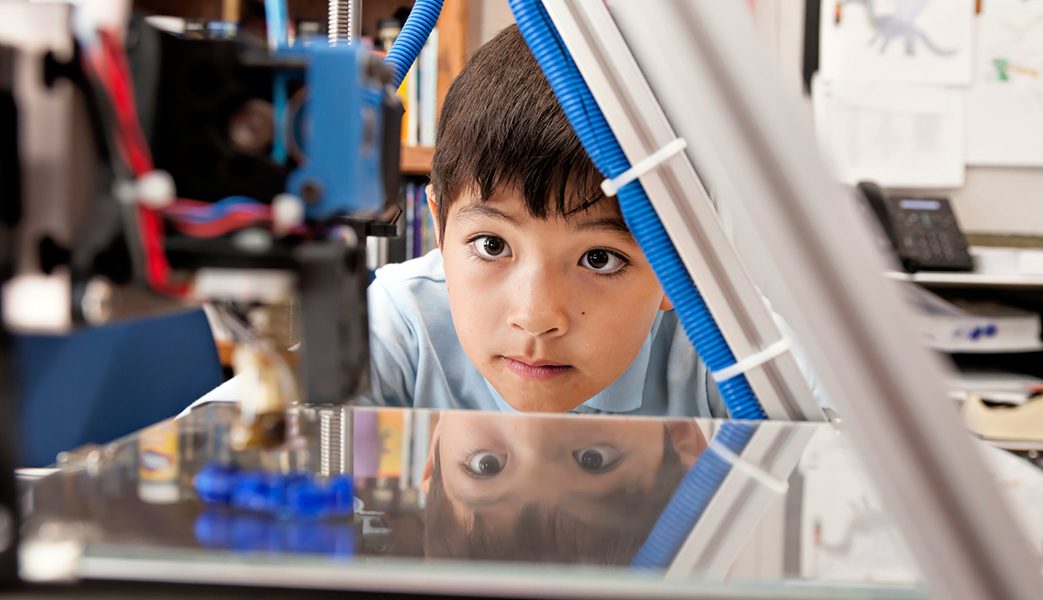
3D printing, also known as additive manufacturing, is the process of creating three-dimensional objects layer by layer using digital designs.
In schools, it allows students to:
- Design models using CAD software
- Prototype ideas quickly
- Build real-world objects
- Experiment and iterate designs
Why 3D Printing is a Game-Changer in Schools
1. Enhances Creativity and Innovation
3D printing empowers students to:
- Turn ideas into tangible objects
- Experiment with designs
- Think creatively and innovatively
Students are no longer just learners—they become creators.
2. Promotes Hands-On, Experiential Learning
Instead of only studying concepts, students:
- Build prototypes
- Test designs
- Learn through trial and error
This improves understanding and retention significantly.
3. Simplifies Complex Concepts
Abstract concepts become easier to understand when students can:
- Visualize 3D models
- Interact with physical representations
- Explore structures and designs
Subjects like geometry, biology, and engineering become more engaging.
4. Encourages Problem-Solving Skills
Students learn to:
- Identify problems
- Design solutions
- Test and refine prototypes
This iterative process builds critical thinking and resilience.
5. Prepares Students for Future Careers
3D printing introduces students to skills used in:
- Engineering and product design
- Architecture and manufacturing
- Healthcare and prototyping
These are highly relevant in modern industries.
Applications of 3D Printing in Schools
1. STEM Education
- Creating engineering prototypes
- Designing functional models
- Building robotics components
2. Mathematics Learning
- Visualizing geometric shapes
- Understanding spatial concepts
- Exploring measurements and structures
3. Science Education
- Printing molecular structures
- Building anatomy models
- Demonstrating scientific concepts
4. Creative Arts and Design
- Designing sculptures and models
- Encouraging artistic expression
- Combining creativity with technology
Benefits for Schools and Educators
- Enhances student engagement
- Improves learning outcomes
- Promotes innovation-driven education
- Strengthens school positioning as a tech-forward institution
- Supports project-based learning
Challenges and How to Overcome Them
Challenge | Solution |
High initial cost | Start with entry-level 3D printers |
Teacher training gaps | Provide professional development |
Maintenance issues | Use reliable equipment and support |
Curriculum integration | Align with STEM subjects |
Best Practices for Implementation
- Start with simple design projects
- Integrate 3D printing into existing curriculum
- Encourage student-led innovation
- Provide hands-on teacher training
- Showcase student projects through exhibitions
Future of 3D Printing in Education
The role of 3D printing in schools will continue to grow with:
- Integration with AI and smart design tools
- Advanced digital fabrication labs
- Personalized learning experiences
- Innovation-driven school ecosystems
Conclusion: Shaping Creators, Not Just Learners
3D printing is more than just a technology it is a powerful educational tool that transforms how students learn, think, and innovate.
By integrating 3D printing into classrooms, schools can empower students to become creators, problem-solvers, and future-ready innovators.