



Essential Engineering Skills Every Student Should Develop Before Graduation
Introduction: Bridging the Gap Between Education and Industry
In today’s rapidly evolving technological landscape, engineering students must go beyond textbooks and theoretical knowledge. Employers are increasingly looking for graduates who are not only technically sound but also equipped with practical, analytical, and interpersonal skills.
To succeed in competitive global industries, students must develop a well-rounded skill set that prepares them for real-world challenges from day one.
Why Skill Development is Critical for Engineering Students
A degree alone is no longer enough. Organizations seek engineers who can:
- Solve complex, real-world problems
- Adapt to emerging technologies
- Work collaboratively in diverse teams
- Communicate ideas effectively
Developing these skills early ensures a smoother transition from academia to industry.
1. Strong Technical Foundation
Every engineering student must master core technical skills related to their field, including:
- Programming (Python, C++, Java)
- Understanding of core engineering principles
- Familiarity with tools and software (CAD, simulation tools)
A strong technical base is the backbone of any successful engineering career.
2. Problem-Solving and Analytical Thinking
Engineering is fundamentally about solving problems. Students should learn to:
- Break down complex challenges
- Analyze data and scenarios
- Develop efficient and practical solutions
This skill is highly valued across all industries.
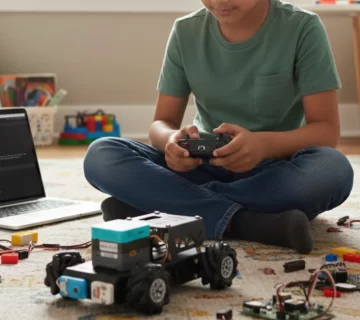
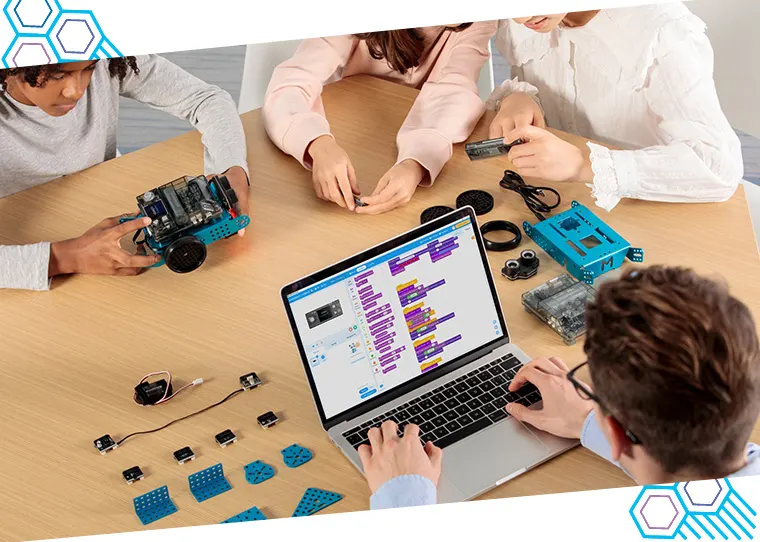
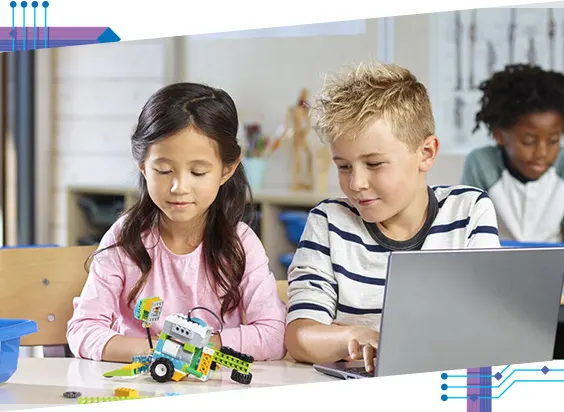
3. Hands-On and Practical Skills
Practical exposure is essential for understanding real-world applications. Students should:
- Work on projects and prototypes
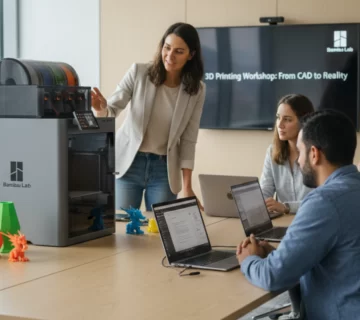
- Participate in labs and workshops
- Engage in internships and industry training
Hands-on experience builds confidence and competence.
4. Communication Skills
Engineers must be able to clearly express ideas, both technically and non-technically. This includes:
- Writing reports and documentation
- Presenting ideas to stakeholders
- Collaborating with cross-functional teams
Effective communication enhances professional impact.
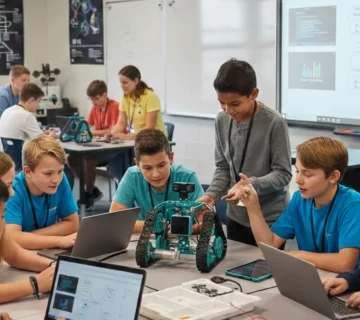
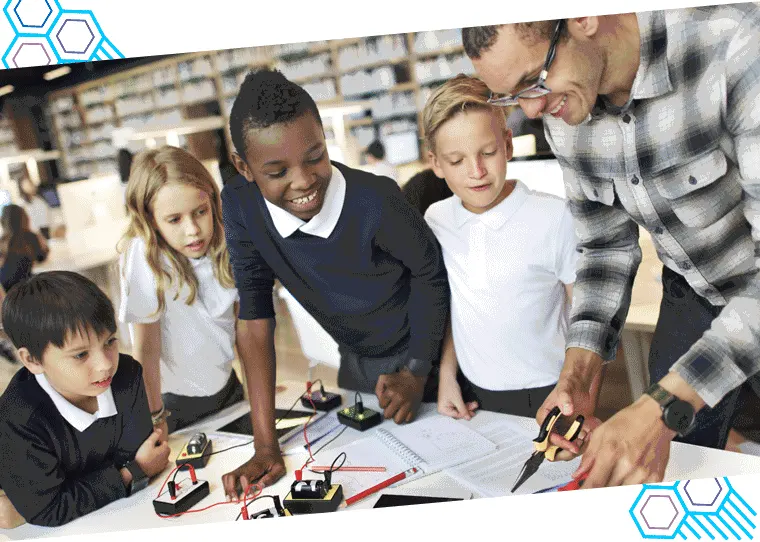
5. Teamwork and Collaboration
Modern engineering projects are rarely individual efforts. Students must:
- Work in diverse teams
- Share responsibilities
- Respect different perspectives
Collaboration is key to successful project execution.
6. Adaptability and Continuous Learning
Technology evolves rapidly, and engineers must keep up. Students should:
- Stay updated with industry trends
- Learn new tools and technologies
- Be open to change and innovation
A mindset of lifelong learning is essential.
7. Creativity and Innovation
Innovation drives progress. Engineering students should:
- Think beyond conventional solutions
- Experiment with new ideas
- Develop unique and efficient designs
Creativity differentiates good engineers from great ones.
8. Time Management and Project Management
Managing multiple tasks and deadlines is a crucial skill. Students must:
- Plan and prioritize tasks
- Meet project deadlines
- Handle pressure effectively
Strong time management leads to higher productivity.
9. Digital and Technological Literacy
With the rise of Industry 4.0, students should be familiar with:
- Artificial Intelligence (AI)
- Internet of Things (IoT)
- Data analytics and automation tools
Digital fluency is becoming a core requirement.
10. Professional Ethics and Responsibility
Engineers play a critical role in society. Students must understand:
- Ethical decision-making
- Safety standards
- Environmental and social responsibilities
Ethics ensure sustainable and responsible innovation.
How Universities Can Support Skill Development
1. Industry-Oriented Curriculum
- Integrate real-world projects
- Include emerging technologies
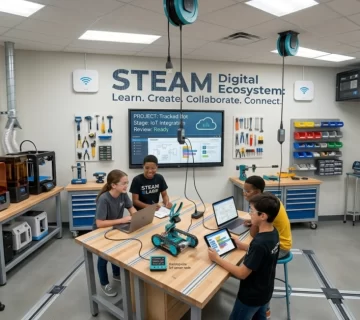
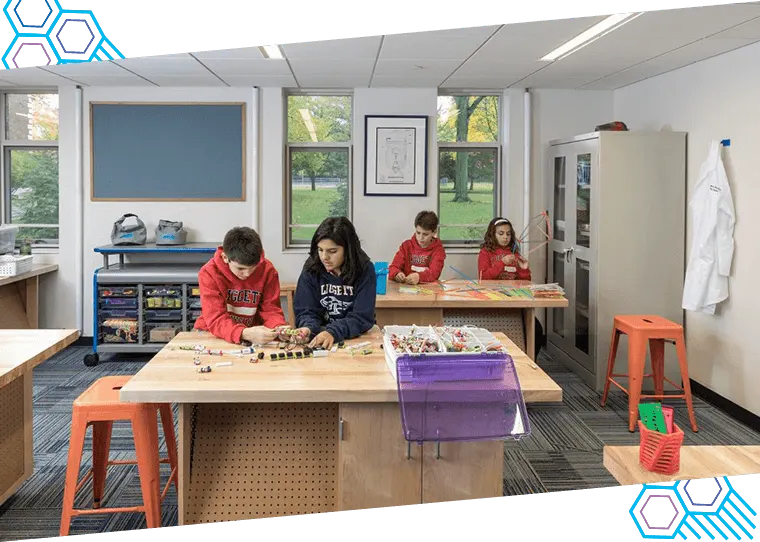
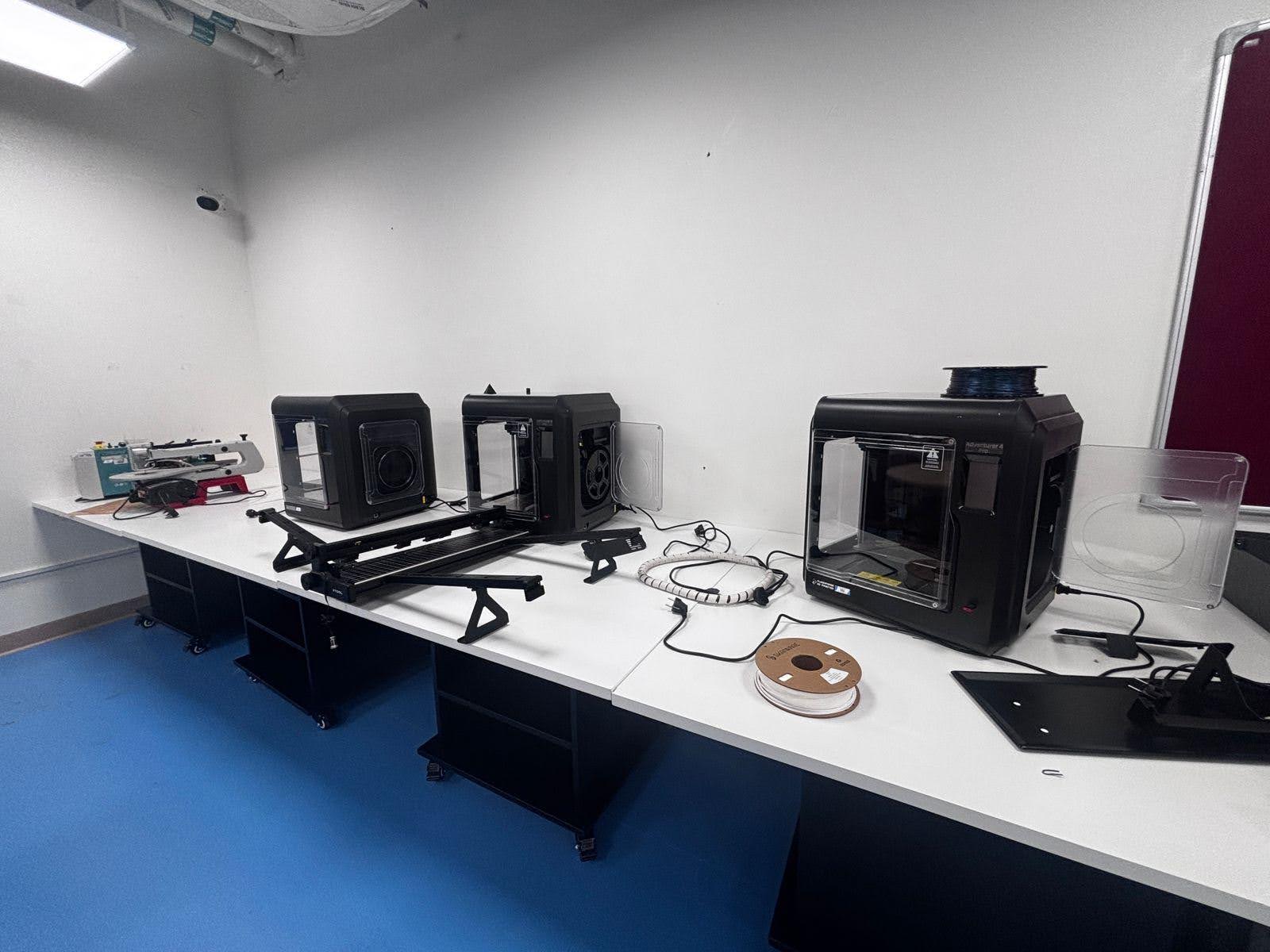
2. Practical Learning Environments
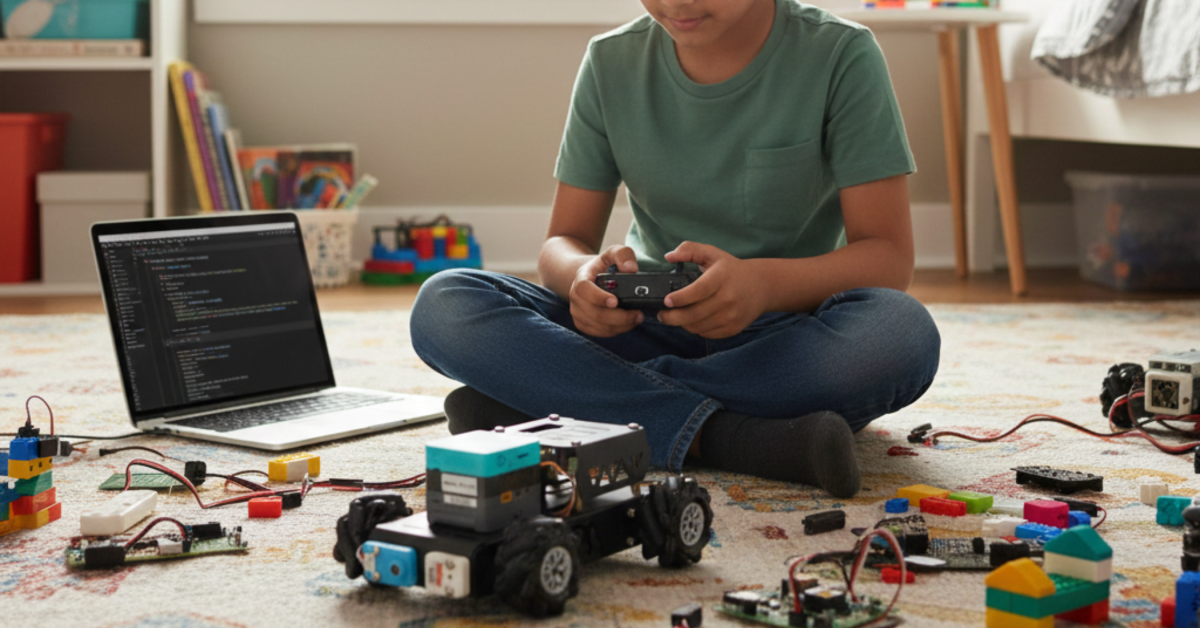
- Robotics and innovation labs
- Makerspaces and workshops
3. Internship and Industry Exposure
- Collaborations with companies
- Live project opportunities
4. Skill Development Programs
- Certifications and training sessions
- Hackathons and competitions
Common Skill Gaps in Engineering Graduates
Skill Gap | Impact |
Lack of practical exposure | Difficulty in real-world application |
Poor communication skills | Limited career growth |
Limited industry knowledge | Reduced employability |
Weak problem-solving ability | Ineffective solutions |
Future Skills Engineers Must Focus On
To stay relevant, students should prioritize:
- AI and Machine Learning
- Robotics and Automation
- Data Science
- Sustainable Engineering
Conclusion: Shaping Industry-Ready Engineers
Engineering education must evolve to meet industry demands. Students who develop a balance of technical expertise, practical experience, and soft skills will stand out in the job market.
By focusing on these essential skills, engineering students can confidently step into their careers as capable, innovative, and future-ready professionals.