






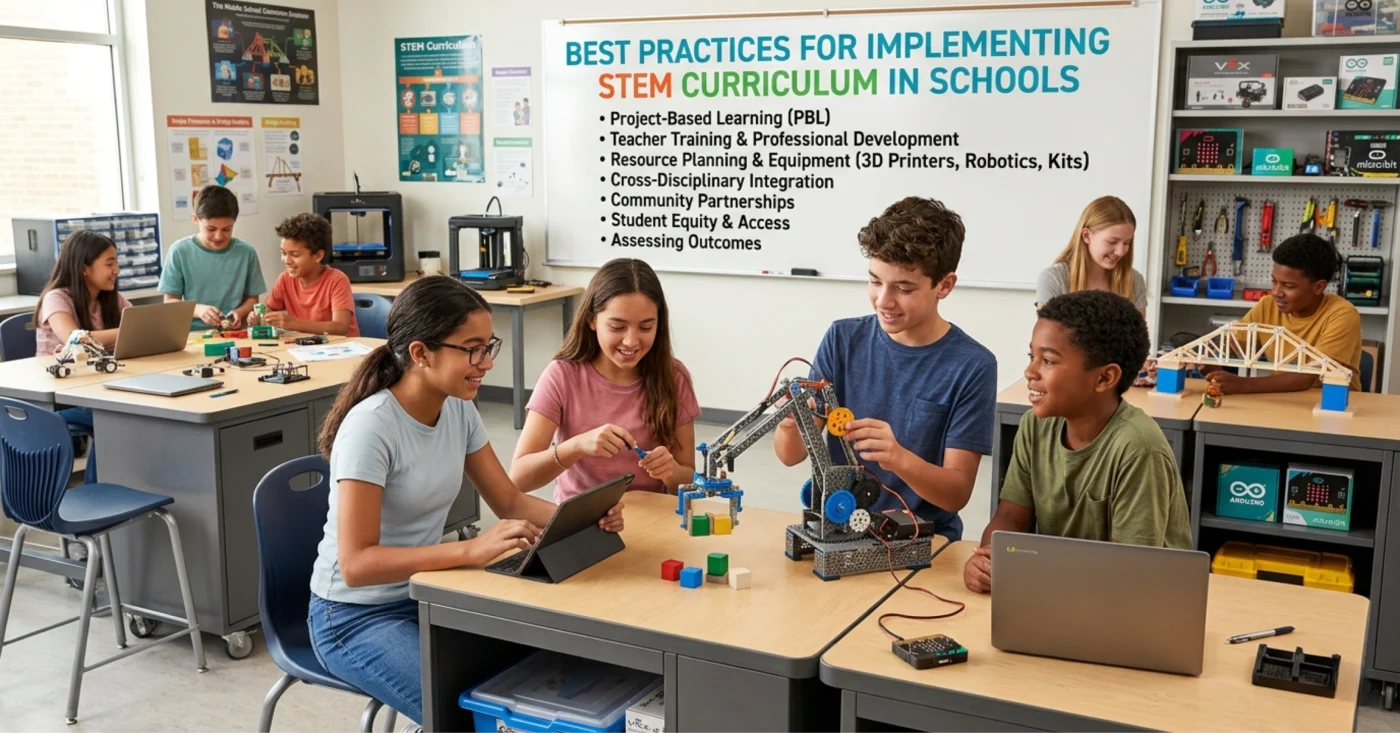
Best Practices for Implementing STEM Curriculum in Schools
Implementing a successful STEM curriculum in schools transforms passive students into active problem-solvers. By blending science, technology, engineering, and math, educators prepare students for future careers. This guide outlines the most effective strategies for bringing STEM education to your classrooms.
Schools need a structured approach to make STEM integration successful. A well-planned STEM education curriculum requires aligned goals, proper tools, and comprehensive teacher training. Without these elements, schools risk wasting resources on disconnected activities.
Read on to learn actionable steps, effective teaching methods, and how to overcome common implementation challenges.
Understanding STEM Curriculum
A STEM curriculum in schools integrates four core disciplines into a single, cohesive learning model based on real-world applications. Instead of teaching math and science in isolation, this approach blends them to solve complex problems.
The goal of STEM curriculum development for K–12 is to build critical thinking and technical skills. Effective STEM teaching strategies focus on application rather than memorization. Students learn how things work by building, testing, and iterating.
Key components of a standard STEM curriculum include:
- Interdisciplinary learning: Connecting multiple subjects within a single project.
- Real-world relevance: Solving actual problems found in local or global communities.
- Inquiry-based exploration: Encouraging students to ask questions and find their own answers.
- Engineering design process: Using a structured method to imagine, plan, create, and improve solutions.
Importance of STEM Education in Schools
STEM education in schools bridges the gap between academic theory and practical career readiness. As technology advances, the demand for STEM-literate graduates continues to rise across all industries.
Providing robust STEM learning in schools gives students a significant competitive advantage. Students develop essential soft skills like resilience, adaptability, and teamwork alongside their technical knowledge. These skills remain valuable no matter what career path a student chooses.
Major benefits of implementing STEM curriculum include:
- Enhanced problem-solving: Students learn to break down large problems into manageable parts.
- Increased engagement: Hands-on activities keep students focused and motivated.
- Technological fluency: Early exposure to coding and digital tools builds lasting confidence.
- Innovation mindset: Students learn that failure is just a step in the discovery process.
Key Principles of Effective STEM Curriculum
The most effective STEM teaching methods for schools revolve around student-centered, active learning. Teachers act as facilitators guiding discovery, rather than lecturers delivering facts.
Best practices for implementing STEM curriculum in schools require a clear framework. You must align your curriculum with national standards while keeping the content flexible enough for creative exploration. A rigid curriculum stifles the innovation that STEM is meant to inspire.
Follow these core principles for curriculum design:
- Focus on the process: Grade students on their problem-solving methods, not just the final product.
- Promote equity: Ensure all students have equal access to equipment and leadership roles.
- Connect to careers: Introduce students to professionals working in STEM fields.
- Scale complexity: Start with basic concepts in early grades and increase difficulty gradually.
Teacher Training and Professional Development
You cannot successfully implement a STEM curriculum without thoroughly training your educators first. Teachers need the confidence to use new technologies and the pedagogical skills to manage project-based classrooms.
Many educators feel anxious about teaching unfamiliar technical subjects. Providing ongoing professional development is the most critical factor in how to implement a STEM curriculum in schools successfully. One-off workshops are rarely enough to create lasting change.
Effective teacher training strategies should include:
- Hands-on workshops: Let teachers experience STEM projects exactly as their students will.
- Peer mentoring: Pair experienced STEM educators with those new to the methodology.
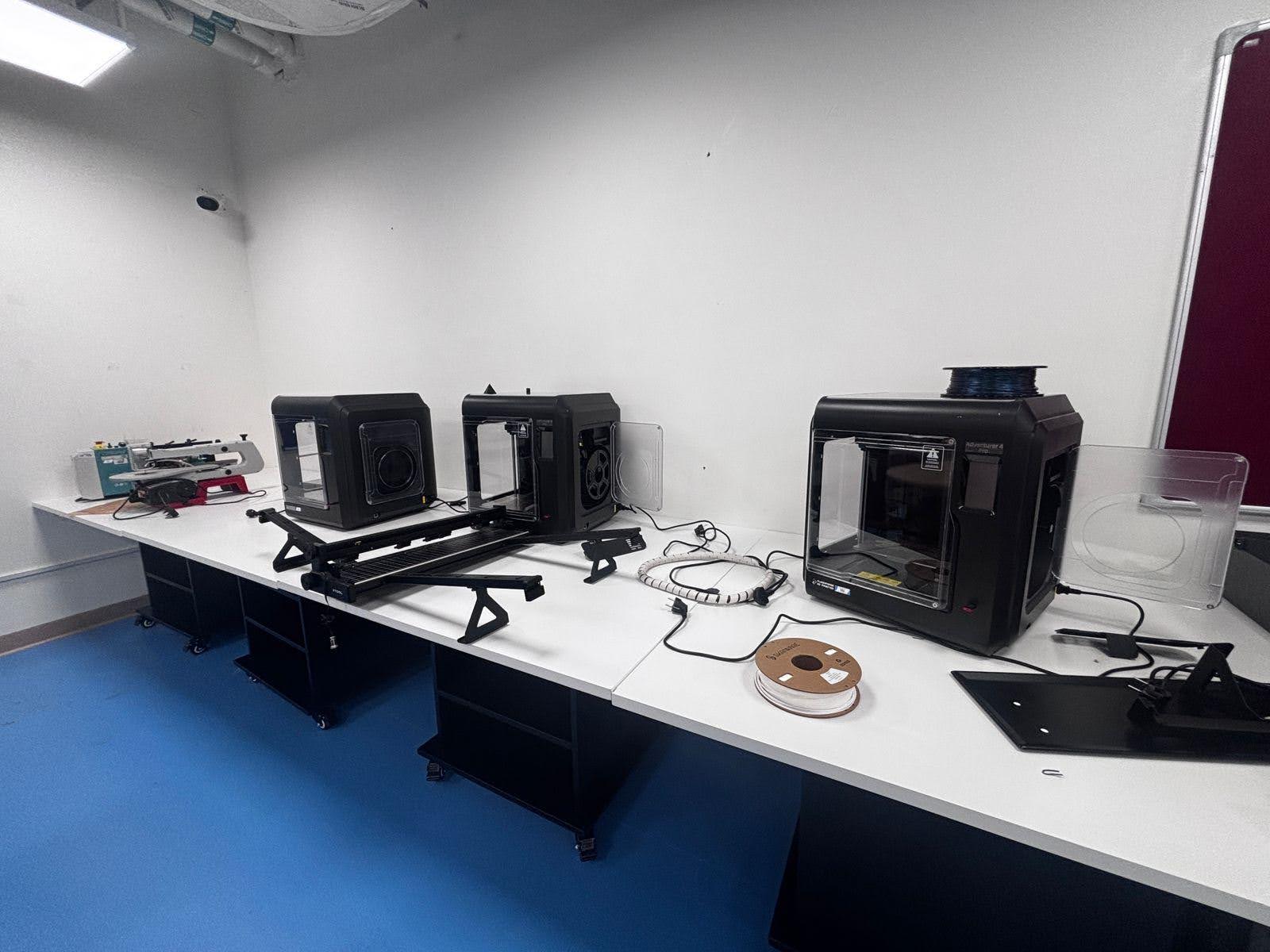
- Technology onboarding: Train staff extensively on how to troubleshoot 3D printers, robotics, and software.
- Curriculum mapping: Give teachers paid time to align new STEM activities with existing lesson plans.
Integrating STEM Across Subjects
STEM curriculum integration in classrooms works best when it breaks down traditional academic silos. You do not need a dedicated STEM class to teach STEM principles; they can seamlessly fit into language arts, history, and art.
Creating interdisciplinary STEM curriculum ideas makes learning more relevant for students. When students write a persuasive essay about the environmental impact of a robot they built, they practice cross-curricular skills. This holistic approach deepens understanding across all subjects.
Ways to integrate STEM across disciplines:
- Language Arts: Have students write technical manuals or pitch presentations for their engineering designs.
- History: Challenge students to recreate historical inventions using modern materials and physics.
- Art (STEAM): Incorporate design thinking and aesthetics into the engineering process.
- Physical Education: Use wearable technology to track and analyze biometric data during exercise.
Project-Based and Hands-On Learning
Project-based STEM learning in schools forms the backbone of any successful program. This method forces students to apply theoretical knowledge to tangible, long-term projects.
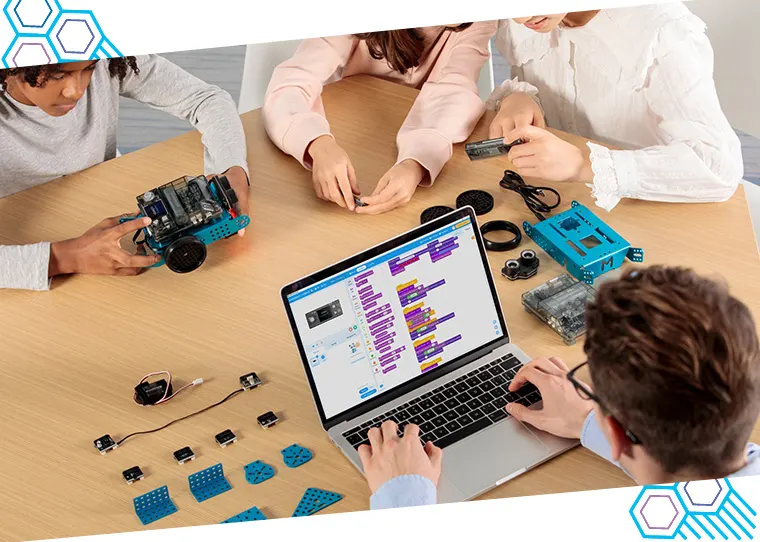
Reading about circuits is vastly different from wiring one. Hands-on learning solidifies abstract concepts and dramatically improves information retention. When students build something themselves, they own the knowledge.
Effective project-based activities include:
- Community solutions: Designing water filtration systems for local environmental issues.
- Robotics challenges: Programming rovers to navigate obstacle courses.
- Architecture models: Using geometry and physics to design earthquake-resistant structures.
- App development: Coding software that solves a specific problem for their peers.
Use of Technology and STEM Tools
Selecting the right technology ensures your STEM curriculum remains engaging and relevant to modern industries. However, tools should always serve the learning objectives, not the other way around.
Schools must invest wisely in durable, age-appropriate equipment. A successful curriculum utilizes a mix of digital software, physical hardware, and basic building materials. You do not always need the most expensive gadgets to teach great engineering concepts.
Essential STEM tools for classrooms include:
- Coding platforms: Scratch for elementary students; Python or C++ for high schoolers.
- Prototyping tech: 3D printers and laser cutters for rapid manufacturing.
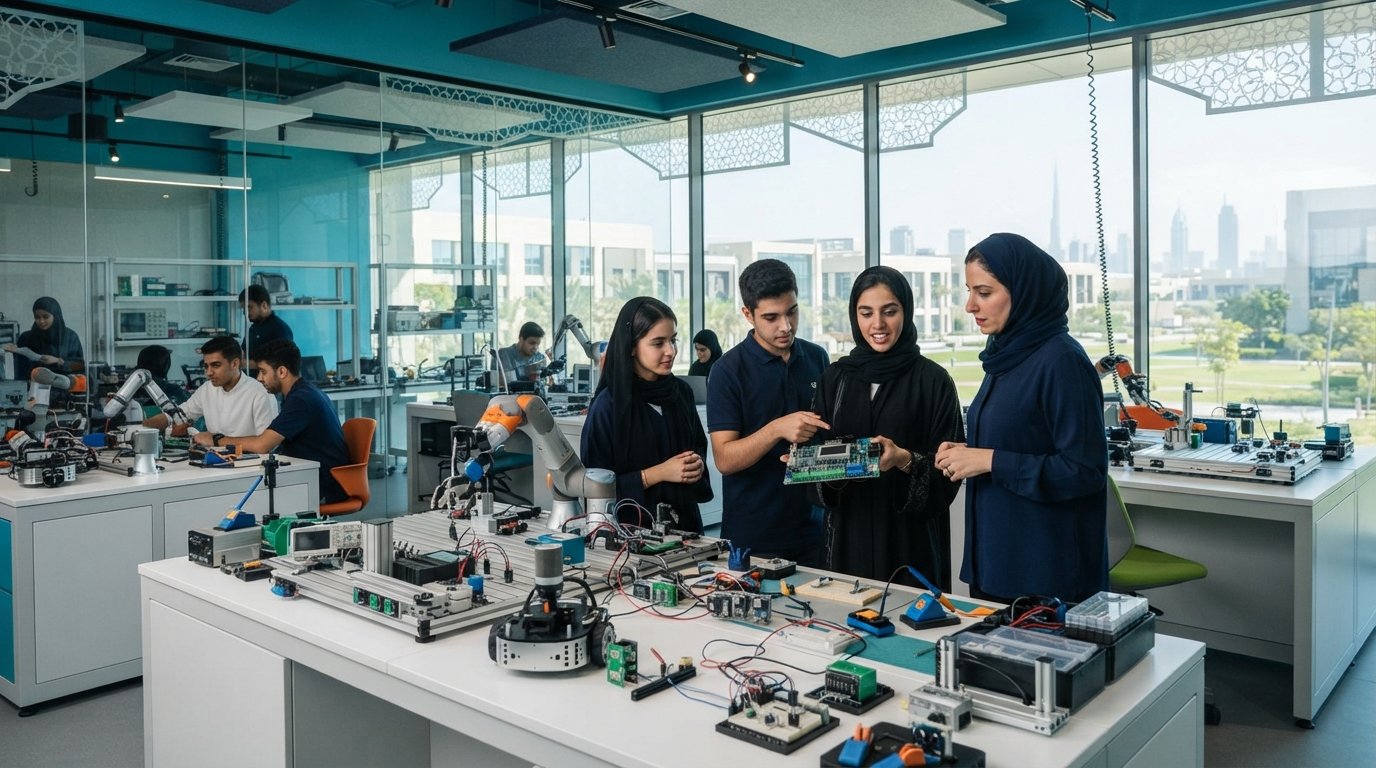
- Microcontrollers: Arduino and Raspberry Pi kits for teaching electronics.
- Measurement tools: Digital sensors for collecting accurate data during science experiments.
Encouraging Collaboration and Problem-Solving
A strong STEM curriculum in schools prioritizes teamwork over individual achievement. In the real world, scientists and engineers rarely work in isolation.
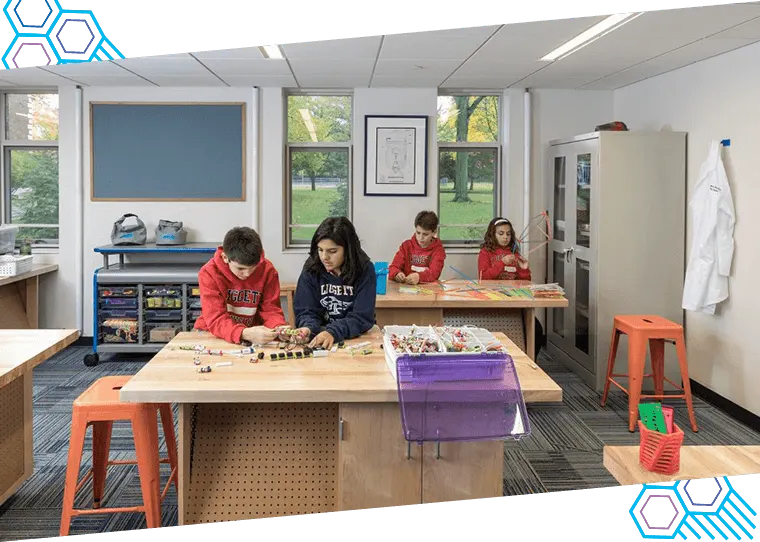
Teachers must intentionally structure group work to ensure equal participation. Assigning specific roles—like project manager, lead engineer, or data analyst—helps students practice professional collaboration. This prevents one student from dominating the project while others disengage.
Techniques to boost collaboration:
- Group brainstorming: Require teams to sketch three different solutions before building one.
- Peer review: Have student groups evaluate and provide constructive feedback on each other’s prototypes.
- Shared workspaces: Design classroom layouts with large, round tables to facilitate conversation.
- Team presentations: Make the entire group responsible for explaining their design process to the class.
Assessing STEM Learning Outcomes
Traditional multiple-choice tests cannot accurately measure the success of project-based STEM learning. Educators must adopt new assessment methods that evaluate critical thinking, creativity, and resilience.
You should measure how well a student navigated the process of solving a problem. Effective STEM assessment relies heavily on rubrics, portfolios, and observational data. A failed project can still earn a high grade if the student demonstrates deep analytical reflection.
Best practices for assessing STEM students:
- Process journals: Grade students on their daily documentation of ideas, failures, and adjustments.
- Performance rubrics: Evaluate specific skills like teamwork, safety compliance, and presentation quality.
- Self-reflection: Require students to write about what they learned from their mistakes.
- Final exhibitions: Host showcase events where students defend their projects to teachers and parents.
Challenges in Implementing STEM Curriculum
The biggest roadblocks to implementing STEM curriculum include tight budgets, rigid standardized testing, and resistance to change. Acknowledging these hurdles early allows school leadership to develop effective workarounds.
Administrators often struggle to find time in the schedule for lengthy STEM projects. Overcoming these challenges requires strong leadership, clear communication, and community partnerships. Schools must advocate for the long-term value of experiential learning.
Common challenges and solutions:
- Budget constraints: Apply for STEM grants or partner with local tech companies for sponsorships.
- Scheduling limits: Implement cross-curricular block scheduling to allow for longer project times.
- Curriculum alignment: Work with curriculum coordinators to map STEM projects directly to state or national standards.
- Resource management: Create a centralized, organized checkout system for shared STEM equipment.
Conclusion
Implementing a high-quality STEM curriculum in schools fundamentally changes how students view education and their own potential. By prioritizing hands-on, project-based learning, schools prepare students to tackle the complex challenges of tomorrow.
Success requires more than just buying new technology. You need a clear strategy that includes comprehensive teacher training, interdisciplinary integration, and a focus on collaborative problem-solving.
When executed correctly, STEM education creates resilient, innovative thinkers ready to lead in a rapidly evolving world. Start evaluating your current curriculum today and take the first step toward a more engaging educational future.
Bring World-Class STEM Education to Your School
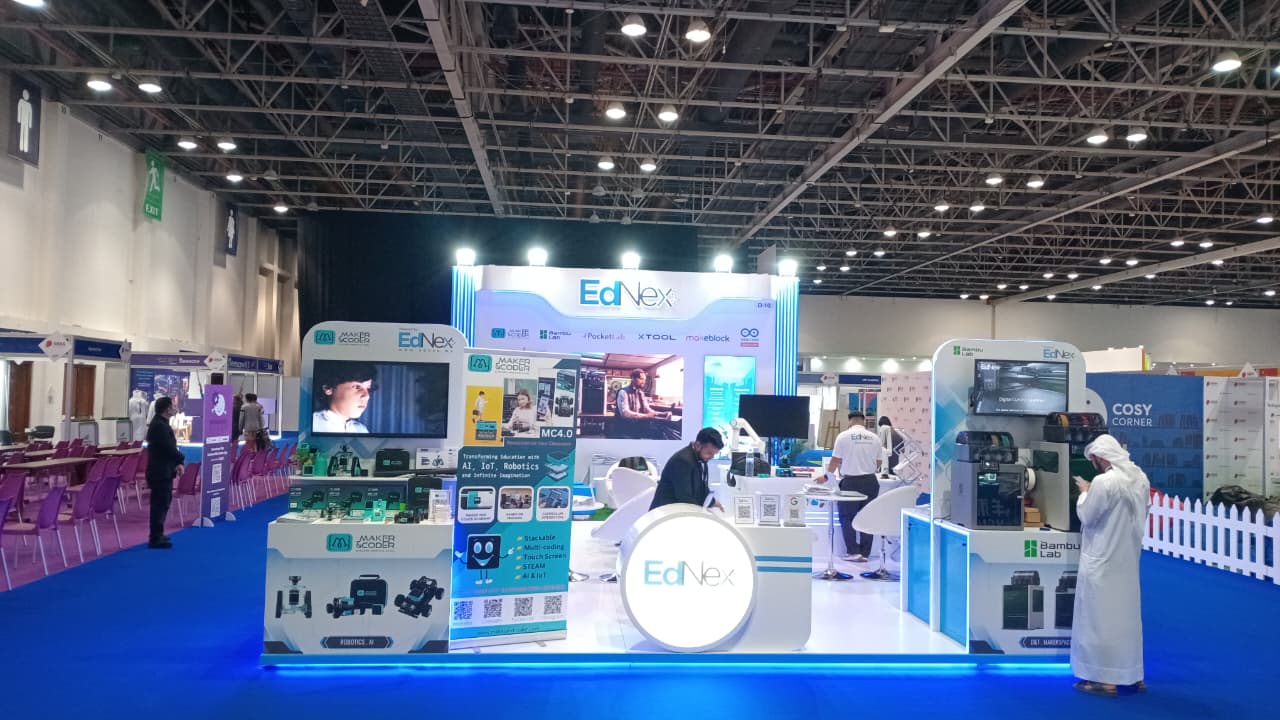
Are you ready to elevate your institution’s educational standards? Ednex specializes in developing and integrating comprehensive STEM curriculums for schools across the GCC region, including the UAE, Saudi Arabia, and Qatar.
We provide end-to-end solutions, from curriculum design and equipment procurement to hands-on teacher training. Partner with Ednex today to transform your classrooms into dynamic innovation hubs—contact us for a free consultation!
Frequently Asked Questions (FAQ)
What is the best way to implement STEM curriculum in elementary schools?
Start with simple, play-based integration. Use visual block coding, basic craft materials for engineering challenges, and focus on connecting science and math to everyday life through short, engaging projects.
How much does it cost to implement a STEM curriculum?
Costs vary depending on your school’s current infrastructure and goals. You can begin affordably with free coding software and recycled building materials, then scale up to advanced robotics and 3D printers as budgets allow.
How do we train teachers who have no STEM background?
Provide ongoing, hands-on professional development. Partner experienced teachers with novices, utilize vendor training for specific equipment, and give educators dedicated time to practice with STEM tools before presenting them to students.
Can STEM curriculum be integrated into non-science classes?
Yes, STEM principles fit perfectly into all subjects. Students can analyze historical data in social studies, write technical manuals in English, or use geometric design principles in art classes.
Author Bio:
Ednex is a premier educational technology and curriculum solutions provider. Dedicated to transforming learning environments, Ednex empowers schools across the globe with innovative STEM programs, state-of-the-art lab setups, and comprehensive teacher training designed to prepare students for the future.
Related Posts ...




Comments are disabled