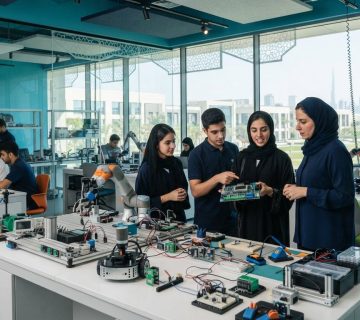
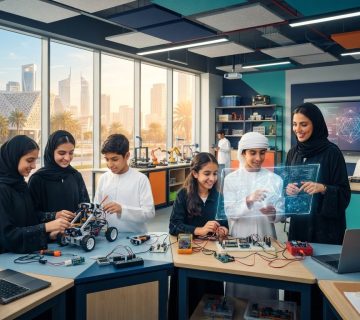
Introduction: Building Future-Ready Campuses
The future of education is deeply rooted in automation, artificial intelligence, and hands-on innovation. Universities across the globe are rapidly adopting robotics laboratories to equip students with practical, industry-relevant skills.
A well-designed robotics lab is no longer a luxury it is a strategic investment that enhances employability, research capabilities, and institutional reputation.
Why Universities Need a Robotics Laboratory
1. Industry-Aligned Skill Development
Robotics labs bridge the gap between theoretical knowledge and real-world application. Students gain experience in:
- Automation systems
- Artificial Intelligence (AI)
- Internet of Things (IoT)
- Machine learning fundamentals
2. Boost Research & Innovation
Universities can drive innovation through:
- Robotics research projects
- AI-based solutions
- Interdisciplinary collaboration
3. Enhance Student Employability
Graduates with hands-on robotics experience are highly sought after in industries like:
- Manufacturing
- Healthcare robotics
- Smart infrastructure
- Autonomous systems
Key Components of a University Robotics Lab
1. Hardware Infrastructure
A strong robotics lab starts with the right hardware:
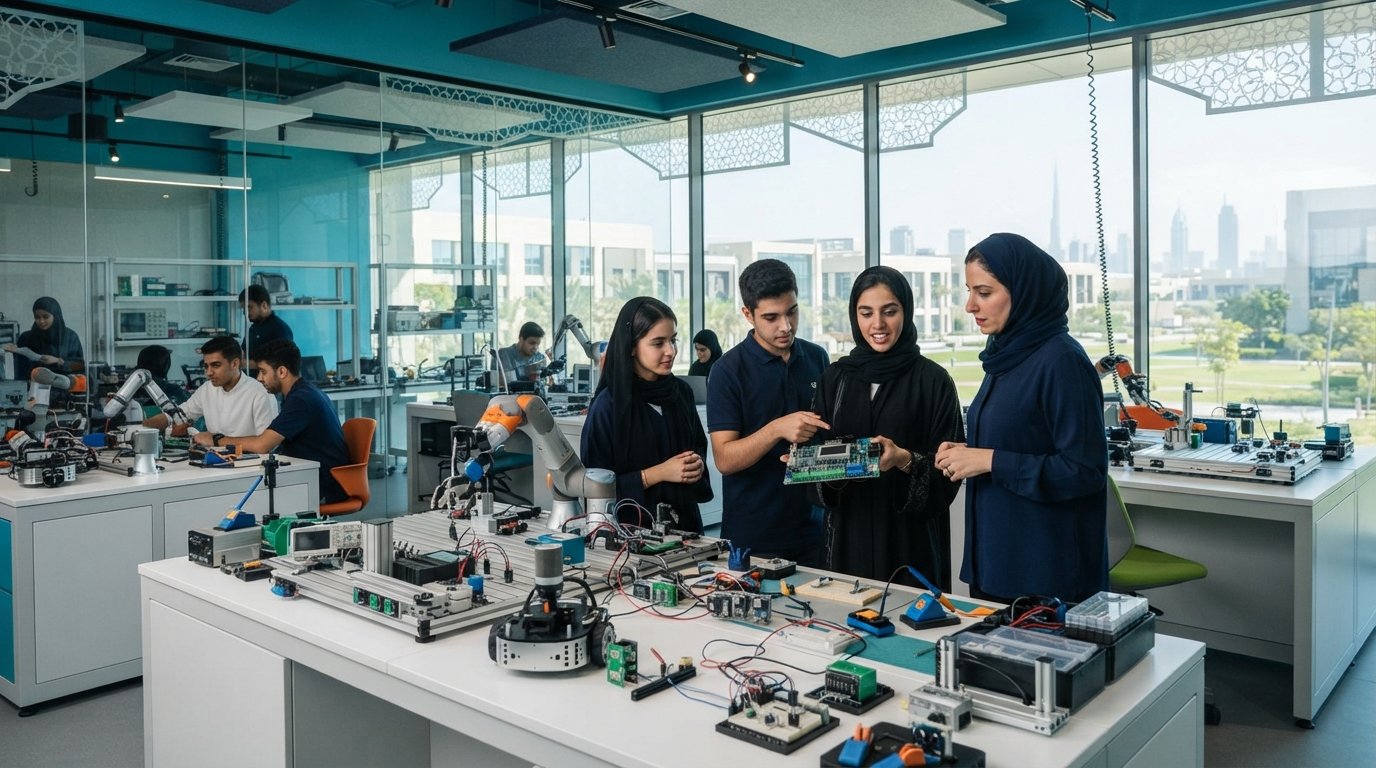
- Industrial robotic arms
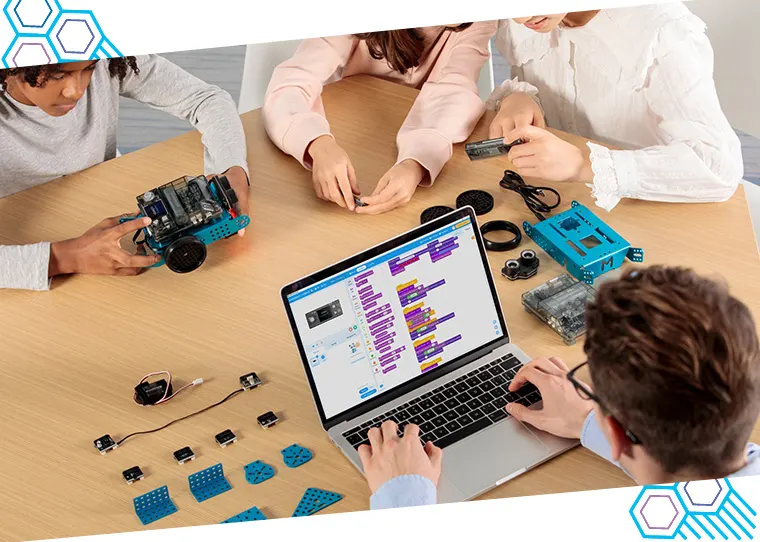
- Educational robot kits
- Sensors (ultrasonic, IR, vision)
- Microcontrollers (Arduino, Raspberry Pi)
- Drones and autonomous vehicles
2. Software & Programming Tools
- ROS (Robot Operating System)
- Python, C++, MATLAB
- Simulation software (Gazebo, Webots)
- AI & machine learning frameworks
3. Lab Space & Layout
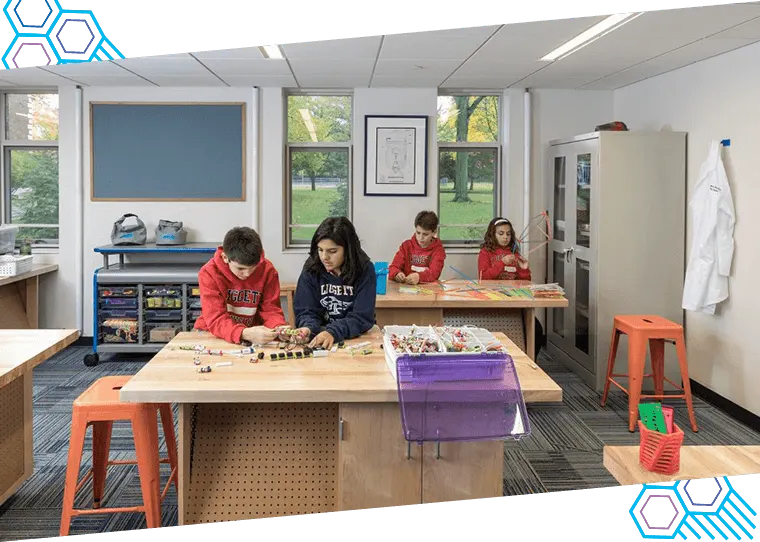
- Dedicated zones for testing and prototyping
- Safety-compliant design
- Workstations for coding and assembly
Step-by-Step Process to Set Up a Robotics Lab
Step 1: Define Objectives
Identify whether the lab will focus on:
- Academic learning
- Research & development
- Industry collaboration
Step 2: Budget Planning
Typical cost factors include:
- Equipment procurement
- Software licensing
- Maintenance & upgrades
- Training & staffing
Step 3: Choose the Right Equipment
Select scalable and modular tools that support:
- Beginner to advanced learning
- Multiple engineering disciplines
Step 4: Curriculum Integration
Align the lab with:
- Engineering programs
- AI & data science courses
- Capstone and research projects
Step 5: Faculty Training
Ensure educators are equipped with:
- Robotics certifications
- Hands-on training
- Industry exposure
Step 6: Industry Collaboration
Partner with:
- Robotics companies
- Automation firms
- EdTech providers
Cost of Setting Up a Robotics Lab in Universities
The investment varies based on scale:
- Basic Lab Setup: $15,000 – $30,000
- Intermediate Lab: $30,000 – $75,000
- Advanced Research Lab: $75,000+
💡 Tip: Start small with modular systems and scale gradually.
Best Practices for a High-Impact Robotics Lab
- Focus on hands-on learning over theory
- Encourage project-based innovation
- Organize hackathons & competitions
- Continuously upgrade technology
- Build industry-linked programs
Challenges & How to Overcome Them
Challenge | Solution |
High initial investment | Start with phased implementation |
Lack of expertise | Train faculty & partner with experts |
Curriculum gaps | Integrate robotics across departments |
Maintenance issues | Choose reliable vendors & AMC plans |
Future Trends in Robotics Education
Universities investing today will lead tomorrow. Key trends include:
- AI-powered robotics labs
- Collaborative robots (cobots)
- Digital twin simulations
- Smart campus automation
Conclusion: Transforming Education Through Robotics
A robotics laboratory is more than just an infrastructure upgrade; it is a gateway to innovation, research excellence, and future-ready education.
Universities that embrace robotics today will empower students to become creators, innovators, and leaders in the era of automation.